Anaconda - Scenic View

Anaconda

The Smelter City

Anaconda is a historic smelter city of 9,421 residents in Deer Lodge County, sitting at 5,335 feet elevation at the foot of the Anaconda Range. Founded in 1883 by Copper King Marcus Daly as the processing center for Butte's mines, Anaconda operated the world's largest non-ferrous smelting plant for nearly a century — a pivotal era in Montana's mining history — before reinventing itself as a recreation gateway.

The 585-foot Washoe Smelter Stack — once the tallest freestanding masonry structure in the world — still dominates the skyline. The city runs a consolidated city-county government with Deer Lodge County. Georgetown Lake lies 15 miles west, the Anaconda-Pintler Wilderness begins 11 miles south, and Discovery Ski Area is 20 miles west along the Pintler Scenic Route. Within 30 miles there are 122 recreation sites including 48 lakes, 9 trailheads, 19 campgrounds, 2 fishing access sites, 1 wilderness area, 1 hot spring, and 1 ski area. Fairmont Hot Springs is just 8 miles east and the Jack Nicklaus-designed Old Works Golf Course occupies reclaimed smelter land right in town.

Below you'll find a complete profile including cost of living data, school information, climate details, and housing market trends. For deeper coverage, explore our dedicated guides.

See lodging options in Anaconda

Quick Facts
Population
9,421
County
Deer Lodge County
Region
Western Montana
Elevation
5,279 ft
Top Industry
Education & Healthcare
Nearest Hospital
Community Hospital of Anaconda (in town)
Zip Code
59711
Area Code
406
Time Zone
Mountain Time (MT)
Industry: Census ACS 5-Year 2019–2023 · Hospital: MT DPHHS 2024
Current Weather
Loading current weather...
Airport Distances

Nearest Major Airports

✈️ Butte (BTM)
30 miles
~44m drive
✈️ Helena (HLN)
68 miles
~1h 23m drive
✈️ Missoula (MSO)
92 miles
~1h 47m drive

Map & Nearby

Explore Anaconda on the interactive map with 3 nearby towns and 60 highlighted recreation sites. Use the zoom controls or select a recreation item to focus it on the map.

Open Area in Google Maps
Loading map...
Outdoor Recreation Near Anaconda

Outdoor Recreation Near Anaconda

Jump to map →
9.4/10
World-Class
133 sites within 30 mi
18 categories

Distances are straight-line estimates. Driving distances may be longer. Data: OpenStreetMap contributors & editorial research.

History & Heritage

History & Heritage

Anaconda's rich history began with copper and the ambitions of Marcus Daly, one of Montana's famous "Copper Kings." On June 25, 1883, Daly filed a town plat for what he initially wanted to call "Copperopolis," but the name was already taken by another Montana mining town. Instead, he accepted "Anaconda" after his prolific Anaconda copper claim in Butte. The first smelter (Upper Works) entered operation in 1884 with a daily capacity five times that of contemporaneous Butte smelters. Marcus Daly & Company Bank was founded in 1883. The Butte, Anaconda and Pacific Railway was completed in the early 1890s for ore haulage. By 1895, the Anaconda Copper Mining Company had $30 million capitalization and controlled over half of U.S. copper output.

The 585-foot brick stack was completed in 1918. The smelter operated from 1884 to 1980, employing up to 26,000 workers at its peak and producing over half of U.S. copper during World War I. Designated a Superfund site in 1983, the area has undergone extensive remediation; the Jack Nicklaus-designed Old Works Golf Course was built on reclaimed land. In 1977, Anaconda joined with Deer Lodge County to form a consolidated city-county government. Lodge tax revenue tripled from 2020 to 2022; approximately 500,000 visitors came in 2024. Today, Anaconda proudly preserves its architectural treasures, including the Washoe Theater, Club Moderne, and Hearst Free Library—all listed on the National Register of Historic Places.


Official historic markers tied to Anaconda in our statewide dataset. Expand the list to read inscriptions and follow links to full pages or deep reads where available. Browse Deer Lodge County on the map · History trails

Historic markers in Anaconda (53)tap to expand
119-125 East Park Avenue

Though altered over many years to look like three separate buildings, this early 1900s brick commercial block is actually one large building (extending to the corner of Oak). Originally divided by interior partition walls, the building hosted three and sometimes four separate businesses inside. By 1912, Irish-born Emma Delaney ran a restaurant in 119, while Irish widow Margaret Hogan ran a confectionery next door at 121. Number 123 held the Swift Café and a shoeshine parlor, and Phil Daniels had an ice cream parlor at 125. Though many of the businesses came and went, others became downtown institutions. Duval Hardware opened in 1915 and remained at 119-121 until the early 1950s. The Waldorf Café, “The Good Place To Eat,” was a twenty-four-hour diner operating in 123 from 1918 to 1930. The Waldorf’s neighbors often complained about its rowdy clientele. Another well-known tenant was William Johnson, a Minnesota-born African American, who established the Anaconda Shoe Shining Parlor in 1925. Johnson polished and buffed shoes in his tiny shop between 123 and 125 until 1954.

Erected by Montana Historical

Society.

219 East Commercial Avenue

In 1888, one- and two-story, wood-frame commercial buildings filled almost the entire block. Constructed circa 1890 on the block’s last vacant lot, this store was home to McKinnon and MacKay’s grocery. An expanse of brick with three recessed panels tops the building, making it look taller and more imposing than it is. Cast iron posts provide the structural support needed to incorporate large windows, which offered display space and allowed natural light to flood the shop’s interior. McKinnon and MacKay’s specialized in “the finest butter on earth” and in 1894 was the only store in Anaconda to offer produce from the Bitterroot valley. A soda water factory occupied the site in 1906. In 1908, it had become Mallory and Anderson’s, which sold everything from fresh Timothy hay and sawed wood to “Plymouth Rock pullets” and “choice geese.” In 1913, F. M. Osborne opened a machine shop, where he repaired cars, bikes, cash registers, and guns. Osborne also sold Wahl and Regal automobiles. Wahl and Regal were two of hundreds of short-lived car manufacturers that operated in the 1910s.

Erected by Montana Historical

Society.

219 West Third StreetDeep Read

Anaconda’s business leaders located on the town’s west side beginning in the 1890s. The idyllic neighborhood was far from the smelter and close to commerce on Main and Park streets. Tree-lined sidewalks with street lamps, a large public park, and a new library attracted Anaconda’s upper- and middle-class families. The Kretzer family home, built in 1913, incorporates typical Craftsman elements in its side gable roof with prominent knee braces, an integrated full-width porch, and a gabled dormer. Triple, battered (tapered) porch columns with stepped capitals, arched moldings, and leaded glass windows further distinguish the home’s high-style Craftsman character. German butcher Otto Kretzer and wife Esther owned the Washoe Market, raised five children, and were energetic community boosters. Otto was a charter member of the local Kiwanis Club, and a singer in the Kiwanis Quartet. Esther was active with the Methodist Episcopal Church and Ladies Home Missionary Society. They lost their oldest son to appendicitis in 1920, another son to illness in 1941, and their youngest son, Jack, died a war hero in Japan in 1945. The Kretzers left Third Street after 1940.

Erected by Montana Historical Society.

321 East Third Street

A fleet of twelve hundred masons and carpenters flocked to Warm Springs Creek in 1883 to build Marcus Daly’s Anaconda Company smelter. Daly hired Welsh masonry contractor John “Jack” W. Cornelius to oversee the construction process for his enormous facility. Jack built this Queen Anne style house in 1885 for his wife and four children. Originally, the house’s wood frame was clad with brick veneer. By 1890, Jack added an open, wraparound front porch. A later owner covered the brick with aluminum siding and enclosed the front porch after 1940. In 1890, the Corneliuses moved to Great Falls and rented the house to boarders. They sold it in 1898 to Northern Pacific foreman Henry Rees. From 1915 to 1917, the Church of Christ, Scientist met here on Sundays and Wednesdays. Mary Baker Eddy founded the church in Boston in 1879 on the belief that sickness can be healed by prayer. Anaconda’s branch welcomed the public to use its free circulating library and held services with topics ranging from “Sacrament” to “Is the Universe, Including Man, Evolved from Atomic Force?”

Erected by Montana Historical Society.

408 East Park Avenue

Anaconda Copper Mining Company carpenter Daniel R. Beck built this small brick building in 1896. He lived in one half and rented out the other half. Beck was an early resident of Anaconda, arriving in 1883 when it was still a hodgepodge of shacks and tents. After Beck died in 1901, the building housed an ever-changing array of tenants and businesses. Irish widow Margaret Crews operated a dressmaking shop in 1905 and 1906. Patrick C. Reagan ran a barber shop from 1908 to 1909 when he left Anaconda to pursue gold mining at Pike’s Peak, Colorado. Greek cook Gus Olanes opened the Plaza Café in 1917 with the slogan, “Good Food Makes Good Health.” In 1921, Olanes paid waitresses $17.50 a week (Union waitresses made $22.50). A large T-bone steak with potatoes, bread and butter, and coffee or milk cost sixty cents. Croatian Paul Kriskov operated a café here from 1923 to 1930. Kriskov’s enormous menu offered steaks and chops, fish, Truzzolino’s tamales, chile con carne, and upscale entrées. Breaded veal cutlets with new potatoes in cream cost fifty cents.

Erected by Montana Historical Society.

Architecture
504 Main StreetDeep Read

Intricate ornamental cresting caps the dome on the octagonal tower of this handsome residence. Its eclectic architecture combines elements of the Queen Anne and French Second Empire styles. A partial Mansard roof at the northeast corner and a front window with unusual stone and brick surrounds reflect the flamboyant tastes of the late Victorian era. The tower retains its original, charming multi-paned cottage window. Grocer Albert MacCallum built the residence in 1895 and sold it in 1904 to miner, politician, and businessman Dennis Roach. The firm of Roach and Smith offered billiard parlors, a confectionery, flowers, fishing tackle, sporting goods, cigars, and sundries. Roach and Smith, one of Anaconda’s longest established businesses, still exists as a wholesale distribution firm. Dennis Roach served as county commissioner and as a representative in the Montana legislature. After Roach’s death in 1925, his widow Maude remained at home here for more than thirty years. The Roaches’ daughter, Katherine “Kash” Felt, a prominent and well-loved Anaconda matron, converted the residence into classrooms where she taught kindergarten. The family retained ownership of the property into the twenty-first century.

Erected by Montana Historical Society.

509 Chestnut

Rapidly increasing demand for copper ore in the 1890s brought an influx of more than 5,000 new residents to the Smelter City between 1890 and 1900. To house them all, a fleet of carpenters built hundreds of cottages and multi-family units. This brick boardinghouse, built in 1897, stands out from its Queen Anne cottage neighbors. The house’s hipped roof, wide fascia board, and segmental arch window frames reflect the Italianate style, popular in the West beginning in the 1870s. Advertisements for the rooms boasted electric lights and bathrooms, luxurious amenities at the time. Initially, working-class men and young families lived here. In 1900, smelterman J.C. Brennan and family and streetcar driver Michael Kilcoyne, his wife, children, and two brothers-in-law shared the house. By 1906, two women, fourteen smeltermen, and a policeman crowded into the residence. Grocer Marko Hotti, an immigrant from Albania, and his Czech wife, Louisa, lived here after 1924 and rented out rooms. Hotti’s Grocery was a fixture on Park Street until 1945. The house remained in the Hotti family through the 1990s.

Erected by

Montana Historical Society.

801 East Third Street

Rapidly increasing demand for copper ore in the 1890s brought an influx of more than 5,000 new residents to the Smelter City between 1890 and 1900. To house them all, a fleet of carpenters built hundreds of cottages and multi-family units. This brick boardinghouse, built in 1897, stands out from its Queen Anne cottage neighbors. The house’s hipped roof, wide fascia board, and segmental arch window frames reflect the Italianate style, popular in the West beginning in the 1870s. Advertisements for the rooms boasted electric lights and bathrooms, luxurious amenities at the time. Initially, working-class men and young families lived here. In 1900, smelterman J.C. Brennan and family and streetcar driver Michael Kilcoyne, his wife, children, and two brothers-in-law shared the house. By 1906, two women, fourteen smeltermen, and a policeman crowded into the residence. Grocer Marko Hotti, an immigrant from Albania, and his Czech wife, Louisa, lived here after 1924 and rented out rooms. Hotti’s Grocery was a fixture on Park Street until 1945. The house remained in the Hotti family through the 1990s.

Erected by

Montana Historical Society.

Anaconda

Copper king Marcus Daly selected a site for a smelter and town along Warm Springs Creek in 1883. Daly began construction of an immense smelter complex on the hill shortly before his death in 1900. Completed in 1902, the Washoe Smelter processed 15,000 tons of ore a day at its peak production during World War II. Smoke from the complex was dispersed through the smoke stack that still dominates the hill. At 585-feet the stack was the tallest in the world when completed in 1918. The plant made history in the science of copper smelting and was famous throughout the mining and metallurgical world.

The smelter drew hundreds of workers and their families from all over the world to Anaconda. They mingled in its many watering holes, fraternal halls, theaters and couches, creating a vibrant cosmopolitan city. The city's commercial district centered around Daly's showy and elegant Montana Hotel. Anaconda still retains the aggressive spirit of its pioneer days, a spirit that refused to die even when the smelter closed in 1980.

The city is part of the Butte-Anaconda National Historic Landmark (NHL) in recognition for its contribution to the history of American industry and labor.

Erected by Montana Department of Transportation.

IndustrySettlements
Anaconda City Hall

Copper magnate Marcus Daly had great expectations for Anaconda when the town was platted in 1883, hoping one day the town would become Montana’s capital. It was with that goal in mind that plans for a magnificent city hall were conceived. Architects Lane and Reber of Butte, winners of a competition for the building’s design, drew the blueprints for the symbolically and historically significant civic landmark, completed in 1896. Built in a “straightforward manner … using local materials,” the architects employed pressed brick, Anaconda granite, and Anaconda copper trim. The complex design illustrates the passionate eclecticism of the late Victorian era, incorporating elements of a variety of styles. A massive corner tower, bays, and pavilioned entrance visually define the original separate functions of the building: city government, fire hall, and police department. Contrasts of round and square forms serve to augment these divisions. Classical detailing, Roman and Romanesque style arches, Moorish “keyhole” windows, Gothic tracery, and a Chateauesque style roof capping one of the bays are a visual feast and showcase local craftsmanship. Abandoned in 1976 and slated for demolition, the building was rescued by local citizens in 1978. Though a clock tower housing the fire bell was removed, the rehabilitated City Hall Cultural Center is once again a thriving and impressive source of civic pride.

Erected by Montana Historical Society.

Atlantic Cable Quartz LodeDeep Read

In June 1867, Alexander Aiken, John Person, and Jonas Stough located a rich gold quartz lode near here, the name commemorating the recent laying to the second transatlantic telegraph cable.

Like many fabulously rich mining properties in Montana, this one was found by accident. Camped on nearby Flint Creek, the men's horses drifted off. In tracking them to this vicinity the men found not only good placer gold in Warm Springs Creek, but also promising gold quartz prospects on Cable Mountain. Within a short time, a small mining camp, called Cable City, grew up around the mines. In 1868, the Helena Weekly Herald found the miner "of this extraordinary camp … to be men of intelligence, of extended experience, good hard sense and big hearts."

The Atlantic Cable Mine operated with indifferent success until about 1880 when miners struck extremely rich ore dead under the mountain. A 500 ft. piece of ground produced over $151 million in 21st century dollars! Butte copper king William A. Clark paid $10,000 for one chunk of ore taken from this mine in 1889 and claimed it was the largest gold nugget ever found in Montana.

Erected by Montana Department of Transportation.

Industry
Barich Block

Austrian immigrant George Barich came to Anaconda from Butte in 1883 to work at the smelter. He later turned to commercial business and, in 1892, commissioned builders Daniel Dwyer and John Cosgrove to construct the first floor of this block. Barich opened a saloon in the building, which he operated until his retirement in 1910. Dwyer and Cosgrove added the block’s second story in 1893. Its fourteen offices were soon converted to bachelor rooms as single men flooded Anaconda’s boardinghouses during the booming 1890s. Barich came to play an important civic role as a founder of St. Peter’s Austrian Roman Catholic Church and as agent for the North German Lloyd Steamship Company. In this capacity he helped newly arrived Austrians find suitable housing, work at the smelter, and the companionship of fellow immigrants. The Barich Block, now a primary element of the historic commercial district, was independently listed on the National Register in 1983. The upper story retains its original design, featuring fine ornamental brickwork and granite trim.

Erected by Montana Historical Society.

Butte-Anaconda Historic District

It took millions of miles of copper to build the telegraph, telephone, and electrical lines that transformed the United States from a collection of small, isolated communities to a cohesive, industrialized nation. Looming gallows frames and the towering Anaconda Company smokestack recall the industrial roots of these sister cities, the source of much of that copper. Extracting the metal was hazardous work, and the danger bred solidarity among miners and smelterworkers. Two of the nation's most radical unions had their roots in Butte and Walkerville, “The Gibraltar of Unionism.” They were the Western Federation of Miners and the Industrial Workers of the World, whose rhetoric opposing “wage slavery” challenged the foundations of American capitalism. Clashes between capital and labor marked the district, especially after the 1917 Butte Granite Mountain/Speculator Mine fire, the worst hard-rock mining disaster in the nation's history. Labor unrest and years under martial law followed in Butte, while in Anaconda, the Company fired suspected Socialists and agitators, devastating the unions. Butte and Anaconda workers reorganized during the New Deal after the federal government guaranteed the right of workers to unionize. Their four-month industry-wide strike in 1934 precipitated the birth of the CIO, an organization that helped rejuvenate the labor movement nationwide. In 2006, the National Park Service recognized Butte, Anaconda, and Walkerville's significance to the intertwined histories of mining and labor by declaring the district a National Historic Landmark. It is the largest NHL in the West, covering the period 1876-1934 and encompassing nearly 10,000 acres with over 6,000 contributing resources.

Erected by Montana Historical Society.

Butte, Anaconda and Pacific Railway Historic DistrictDeep Read

Tired of exorbitant freight rates, copper king Marcus Daly decided to build his own railroad in 1892 to haul ore from the Butte mines to his Anaconda smelter. Daly envisioned the Butte, Anaconda and Pacific Railway extending to the Pacific Ocean. Instead the railroad ran twenty-six miles between Anaconda and Butte. With construction expertise from the Great Northern Railway, the railroad was built with seventy-five-pound steel rails in anticipation of heavy freight traffic. By 1900, the BA&P was said to carry “more tonnage to the mile the year around than any other railroad in the country.” This earned it the moniker “The Biggest Little Railroad in the Nation.” Most of the freight was copper ore from the Butte mines with a destination of the Anaconda smelter. Finished copper from the smelter was then transported across the nation. In 1913, the BA&P converted from steam to electric-powered engines, becoming the first electrified railroad in the country to haul heavy freight. Two factors allowed the BA&P to electrify affordably: access to inexpensive hydroelectric power and the fact that the Anaconda Company supplied the necessary copper wire from its own mines. The BA&P’s early success in electrification became a model for other railroads, most notably the Chicago, Milwaukee and St. Paul Railroad. The modern age of electricity fueled demand for copper from 1892 through the 1920s. Notably, the BA&P transported more than half of the nation’s supply during this era.

Erected by Montana Historical Society.

Carpenters Union Hall

Anaconda workers unionized early to promote their interests. The United Brotherhood of Carpenters and Joiners Local 88 formed in Anaconda in 1889 with nine charter members. Its original bylaws committed the union to working “to replace the present wage system by cooperative industry.” It also authorized fining members who patronized Chinese businesses, a reflection of widespread prejudice. The Carpenters Union offered sick, funeral, and disability benefits and set and enforced wage rates, both with the Anaconda Company and with local builders. The local grew quickly—by 1904 it had seventy-four members in good standing. In 1903, it purchased this brick commercial building, constructed circa 1888. On July 1, 1905, the Carpenters invited friends to join them for a mortgage-burning, promising “just a little ceremony and a whole lot of good time,” including card playing, dancing, and “general jollification.” Other craft union locals met here—including the electrical workers, iron molders, laundry workers, machinists, clerks, waiters, and barbers—as did many ethnic fraternities. The hall suffered some fire damage in 1953, after an explosion in a neighboring building leveled most of the block.

Erected by Montana Historical Society.

Architecture
Cohen Block/Park Motors

This building began as a one-story, wood-frame grocery store on Main Street in 1883. In 1885, owner David Cohen Sr. sided it with brick veneer, giving it a more permanent appearance. Soon after, a fire broke out, destroying nearly everything on the west side of Main, except for Cohen’s brick-clad store. To make way for a new fireproof brick store on Main, Cohen split this building in two and moved it here. By 1891, Cohen’s Commercial Street store offered clothing, liquor, and meats. A steam laundry, blacksmith shop, and, later, a carriage repair shop occupied the space in the early 1900s. The Commercial Garage car dealership opened here in 1916. In 1918, it became the Trail Garage, which catered to wealthy motorists touring the country on the Yellowstone Trail. After 1920, an array of garages and used car businesses cycled through the building. Then, in 1941 Charles G. Johnson moved Park Motors auto and farm implement dealership here. Johnson added a second story and remodeled the exterior in the sleek Streamlined Moderne style. Park Motors remained an Anaconda fixture for more than seventy years.

Erected by

Montana Historical Society.

Commercial Historic District

Backed by the powerful San Francisco syndicate of Hearst, Haggin and Tevis, Marcus Daly built the world’s largest smelter (combined upper and lower works) on Warm Springs Creek between 1883 and 1889. Along with the smelters, Daly envisioned a substantial city and filed the original townsite plat June 25, 1883. While smelter construction got underway that summer, people arrived faster than building supplies. The first boarding houses and saloons opened in tents. A railroad spur soon linked the town to the Anaconda Mine in Butte. By the time the furnaces of the Upper Works fired up in the fall of 1884, Anaconda’s 80 buildings included seven hotels and boarding houses and twelve saloons. At the end of 1885, Anaconda’s reduction works had a payroll of 1,700. The Anaconda Copper Mining Company dominated the local economy. Company subsidiaries built and maintained the city water supply, electric power system, and street railway. Daly and his associates established key commercial enterprises including the major bank, retailer D. J. Hennessy’s local company store, a race track, the highly acclaimed Montana Standard, and the Montana Hotel. Modeled after

New York City’s Hoffman House, this premier hotel represented Daly’s political ambition as he promoted Anaconda in the race for state capital. Daly was bitterly disappointed when the city lost the capital race in 1894, but Anaconda survived as a vibrant piece of the Montana mosaic. Significant for its labor history and ethnic diversity, this unique company town was a place where private enterprise also flourished. Elaborate Victorian-era business blocks and the more utilitarian façades of the early twentieth century are testimony to a vigorous business community.

Erected by Montana Historical Society.

Contributions of the Washoe SmelterDeep Read

The fortunes of copper mining and smelting and associated enterprises were subject to the boom and bust cycles typical of metals-based industries. World and national events affected rapid fluctuation in the supply, demand, and price of copper.

To gain control and stabilize the transportation cost of ore and processed copper, Marcus Daly incorporated the Butte, Anaconda, and Pacific (BA&P) Railroad Company. Although established to service the mines and smelters, this rail line also played a vital role in the economic and social development of the area communities. By 1903, the railroad transported 500 cars per day between Butte and Anaconda, and by 1906, had hauled 2,700,000 tons of industrial products, in addition to passengers and freight. Rail lines were extended west to mining districts, including Georgetown and Southern Cross. In 1912, the BA&P became the first railroad in the nation to be electrified, and by 1917, was carrying nearly 1,000 commuters per day.

With World War I on the horizon, the demand for copper increased, along with its price. In 1916, copper prices rose from 18 cents per pound to 33 cents per pound. Following World War I, the demand for copper fell and the railway businesses slumped. In 1925, the tracks west to the mining districts were abandoned.

During the early years of World War II, the country experienced a severe labor shortage. United States defense industries called on the women of the country to temporarily take jobs that were traditionally held by men. Initially, the Mill and Smeltermen's Union resisted the idea of women holding jobs at the smelter. In 1943, the union provided management with a list of jobs it felt could be handled by women. After the U.S. Employment Service began to make arrangements to import foreign workers, the union modified their objections to employing women. However, they stood firm and negotiated an agreement to protect seniority rights of men returning to work from military service.

Over 70 women were employed at the Washoe Smelter during World War II and in the initial post-war months. These women, like thousands across the nation, contributed by stepping into the positions vacated by their husbands, fathers, brothers, and sons, who were serving in the military.

Erected by Montana Historical Society and Montana Department of Fish, Wildlife & Parks.

Davidson Building

Architect Jonathon Barlett designed this marvelous business block as an investment property for T. C. Davidson in 1896. Davidson, an Ohio native and Civil War veteran, came to Montana in 1879. In the early 1890s, Davidson moved from his nearby ranch into town, where he later served as both city councilman and county commissioner. Davidson died in 1916, survived by his wife and ten children. Original 1890s building features include splendid arcuated brickwork, granite trim, cast-iron storefronts, and a canted corner entry with a beautiful oriel window. In August of 1922, a spectacular fire originating in a basement warehouse “…ate up everything but the brick walls.” Damage to merchandise and personal property, including that of twenty upstairs rooming-house residents, exceeded $100,000. P. J. Stagg purchased the ruins from Mrs. Davidson and immediately rebuilt. By November a new building had literally risen from the ashes of the old one, and its twenty-seven second-floor rooms had been converted into fourteen apartments. Interior appointments still in place from this historic period include skylights, wood cabinetry, elegant pressed tin ceilings, and fine wood trim. One longtime tenant was Lipman Coldwater, who operated a shoe store on the premises from 1942 to 1974. Coldwater’s is remembered by longtime Anaconda residents as a downtown fixture. The future of the Davidson was again threatened during Urban Renewal in 1979. Thanks to the mighty efforts of a small group of citizens who recognized its significance, the building narrowly escaped demolition. The Davidson is today one of Anaconda’s most outstanding examples of late-nineteenth-century brick masonry and cast-iron storefront construction as well as a grand expression of the vernacular Western Commercial style of architecture.

Erected by Montana Historical Society.

Deer Lodge County CourthouseDeep Read

The valley known by Native Americans as “Lodge of the White Tailed Deer” officially became Deer Lodge County when this area was part of the Territory of Idaho. After the creation of the Territory of Montana in 1864, the first territorial legislature named Deer Lodge one of Montana's original nine counties. The town seat, first located at Silver Bow and then Deer Lodge, moved to Anaconda in 1896. A bond election in 1898 assured funding for the construction of a county courthouse. County Clerk Martin Martin suggested placing the building at the head of Main Street rather than in the middle of the block so that “A stranger visiting Anaconda has no need to ask where the court house is.” Architects Charles F. Bell and John N. Kent, who also drew the plans for the State Capitol in Helena, were commissioned to design the building. Deer Lodge County officials moved from Anaconda's City Hall into the new facility in the spring of 1900. The grand Neo-classical style building, constructed of buff-colored dressed sandstone, features a central two-tiered, domed tower. On the interior, the dome's painted ribs dramatically simulate structural members. Frescoes and county seals by Consolidated Artists of Milwaukee, Wisconsin adorn the panels between the “ribs.” Other interior appointments include an ornate spiral staircase of oak with marble treads, oak bannisters and cast iron risers. Decorative square cast iron newel posts, originally capped with electric lights, are especially noteworthy.

Erected by Montana Historical Society.

Architecture
Electric Light Building

A heavy metal cornice, cast iron columns, and a metal frieze still embellish this building, constructed in 1895. Two cast-iron oriel windows once also graced the upper story. The Anaconda Company’s foundry produced the decorative metal front, a prime example of the many iron fronts that once ornamented Anaconda’s business blocks. The building, constructed by Conrad Kohrs, W. H. Gehrman, and J. M. Boardman—apparently with Anaconda founder Marcus Daly’s backing—housed the Montana Butchering Company. Beef sold here in the early years likely came from Daly’s Bitterroot Stock Farm and Kohrs’ Deer Lodge ranch. Though the building and business changed hands, a butcher shop remained a prominent fixture on this corner until 1910. That year the Anaconda Company purchased the building for its Electric Light and Railway Department, Water Department, pay office, and medical offices. To promote the use of electricity and advertise its role in power production, the Company illuminated the façade with a row of light bulbs, the sockets for which are still visible along the roofline.

Erected by Montana Historical Society

.

Fred Clark ResidenceDeep Read

Anaconda’s elite began to build homes on the West Side in the 1890s, and this Queen Anne style mansion was one of the first to grace upper Locust Street. Built in 1894 for Fred Clark, librarian at the Hearst Free Public Library, the elegant residence boasted all the latest conveniences including steam heat and electric lights. Classical elements such as Tuscan columns and a gabled portico enrich the Queen Anne style so favored during the Victorian era. An octagonal tower, gabled dormers, and wraparound veranda with balconette above heighten the characteristic Queen Anne asymmetry, while granite-capped windows and decorative shingles add varied textures to the wall surfaces. Arched doors and windows showcase the skills of builder/contractor J. P. Dolan. Dolan, who was also a skilled mason, and his partner John Hamill were Anaconda’s leading contractors in the 1890s. Except for a 1990 addition sensitively designed to blend with the historic appearance, this West Side residence is a district centerpiece and one of Anaconda’s many well-preserved period homes.

Erected by Montana Historical Society.

Furst Block

French immigrant and wealthy Deer Lodge Valley dairyman John Furst built this brick store and boardinghouse for $5,000 in 1895. Just steps away from Marcus Daly’s new bank and the fine Montana Hotel, the Furst Block fit in well amongst its high-style neighbors. The original street-level façade was richly decorated with cast-iron pilasters (still visible on the right and left). The well-preserved second story still reflects the type of elaborately patterned brickwork fashionable at the time. The J. T. Carroll Company, lumber manufacturers and dealers, and the Anaconda Business College were early first-floor tenants. Upstairs, Mrs. Radefeld let the rooms to “first-class gentleman.” Around 1900, Furst added a large two-story rear addition. While the first floor continued to house retail businesses, the second floor attracted non-traditional professionals. Tenants between 1900 and 1906 included astrologer Alexis Pfuhl, clairvoyants Madame Bell and Madame Yeteva, magnetic healer John Burtscher, and female osteopath Dr. Adele Allison. One of two licensed female doctors in town, Allison practiced medicine until her death in 1910. Goodfriend’s Clothing

Company, a menswear store, occupied both storefronts from 1905 until the early 1930s.

Erected by Montana Historical Society.

Furst ResidenceDeep Read

New residents flooded the housing market as Anaconda’s smelter works expanded into the twentieth century and the town began to outgrow its original perimeters. The City Council approved several new additions including this area, annexed as the First Western Addition in 1916. Guidelines to encourage orderly development called for a minimum dwelling value of $2,500 and a frontage of at least twenty-five feet. Prominent Willow Creek rancher/dairy farmer John Furst purchased two adjoining lots for $875 and built this home during the winter of 1917-1918. Furst came to the United States from Alsace-Lorraine, France, in 1870, learned the trade of shoe cobbling, and came to Butte in 1878. He operated a shoe store there until 1881 when he went into ranching. Furst also had a local contracting business and developed commercial and residential real estate. This residence, initially built as an investment on the west end of the addition, for many years had few neighbors. After Furst died in 1927, his wife, Theresa, moved into town from the ranch and made her home here until 1949. The beautifully maintained residence is an outstanding example of the Craftsman

Bungalow, a style that emerged in California and was widely promoted in the first decades of the twentieth century. Square tapered columns, wide bracketed eaves with exposed rafter ends, triangular braced roof supports, heavy window trim and a front-gabled dormer are defining stylistic elements. Multi-paned windows enclosing the porch, added in the 1930s, and a slightly flared roof line enhance the cottage-like appearance of this charming home.

Erected by Montana Historical Society.

Goosetown Historic District

Attracted by the opportunity to work at Marcus Daly's copper smelter, thousands of immigrants came seeking work in Anaconda. Many were from Ireland, like Daly himself, but skilled and unskilled workers also came from a myriad of foreign places. Most settled in Goosetown, a working-class neighborhood ideally located adjacent to the Anaconda foundry and the original Washoe works site, under the shadow of the Great Stack. Small inexpensive lots, simple frame workers' cottages, boarding houses and small businesses dating mostly from 1883 to 1918 illustrate the neighborhood's economic solidarity and working-class character. Modest homes on narrow lots with bachelor cabins at the rear, rented for a little extra income, are common throughout the district. Occasional saloons and the 1905 Washoe Brewery reflect the private commerce and industry that flourished alongside the dominant smelter-related enterprises. In addition, widows often maintained their families by operating small businesses from their homes. The Beaudette Block, the Anaconda Meat and Grocery Company and the depression-era Club Moderne are Goosetown's most significant commercial buildings.

Historic churches including the Austrian Roman Catholic, Free Swedish Mission, Norwegian Evangelical Lutheran and Serbian Orthodox only hint at the many ethnically-oriented organizations that offered comaraderie and comfort far from home. There are two schools of thought on the source of Goosetown's name. The most widely accepted theory attributes the name to the east side bars' practice of keeping turkeys and geese to raffle off at Thanksgiving. Another theory holds that the neighborhood's initial freshwater system consisted of a water tap at the end of a gooseneck pipe in each residential yard.

Erected by Montana Historical Society and Montana Department of Fish, Wildlife & Parks.

Hearst Free Library

Phoebe Hearst, wife of wealthy California senator George Hearst, had a special relationship with Anaconda. Hearst was one of Daly’s principal investors and Mrs. Hearst took an active interest in improving Anaconda’s cultural opportunities. She asked city fathers for suggestions. Receiving no reply, Mrs. Hearst proposed a library. Citizens agreed that was what they had in mind, but had not wanted to burden her with such a costly suggestion. Mrs. Hearst was touched by their sensitivity and financed Anaconda’s first “reading room” in 1895. It was so popular that she soon funded construction of this larger facility. San Francisco architect F. S. Van Trees designed the building; local builder J. C. Twohy completed it in 1898. The grand monument features classical granite columns, a heavy copper cornice, and graceful arched windows. Fine woodwork, brass railings, chandeliers, and an impressive fireplace adorn the richly finished interior. Mrs. Hearst financed the library until 1903 when the city accepted ownership. Listed in the National Register in 1973, this landmark is now a primary element in the historic district.

Erected by

Montana Historical Society.

education
Ida Block

Anaconda grew practically overnight. Platted in June 1883, Anaconda already boasted eighty buildings by December 1884, including a wood-frame clothing store on this corner, built by pioneering Jewish merchant Wolfe (William) Copinus. In 1888, Copinus hired architect D. F. McDevitt to design this two-story, brick business block. The building’s recessed entrance, second-story rough-cut stone lintels, decorative molded window hoods, and corbeled (stepped) brick cornice reflect the era’s design aesthetic, which called for creating interest through texture and angles. Named the Ida Block after Copinus’s daughter, it originally housed a corner drugstore and an office and clothing store on Commercial Avenue. By 1896, a saloon had replaced the drug store, and for most of the twentieth century, the Ida housed a saloon or other business for male entertainment. In a brief exception, it was home to the Collier Preparatory and Commercial School, which offered classes—including drafting and blueprint reading—from 1912 to 1916. Women’s suffrage advocates met upstairs in 1913. Despite their efforts, Deer Lodge County rejected women’s suffrage by 59 to 41 percent, even as the amendment passed statewide.

Erected by Montana Historical Society.

Imperial Meat Market

The Imperial Meat Market specialized in fresh meat, sausage, game, fish, and oysters when D. D. Walker and Israel Gibbs opened it in a wood-frame building on this lot in 1889. Shop foreman Albert Bourbonniere, in partnership with Big Hole Valley rancher John Wenger, bought the business by 1905. Wenger left the partnership in 1910 and Bourbonniere died in 1912, bequeathing the building to Croatian butcher Rudolph Sokolich. In 1916, Sokolich and his partner Barney McTigue had the original building demolished and hired contractors to build this brick commercial building. The Imperial reopened in December 1916 with architect James Calloway Teague renting the rooms on the second floor. After 1918, Thomas Robinson operated the upstairs as a boardinghouse. Boarders paid three dollars a week for rent. When Sokolich closed the meat market in the 1930s, he moved into the building and rented out rooms until his death in 1952. Later owners remodeled the building to house a saloon on the first floor, but the meat market’s name plate, original side entry, and prismatic glass panels remain.

Erected by Montana Historical

Society.

Judge George B. Winston Residence

Alice and George Winston were among the first residents of the Main Street neighborhood south of Anaconda’s business district. The Anaconda Weekly Review noted in August of 1888 that the Winstons’ fine home was well under construction. A lovely example of the Victorian-era Queen Anne style, the 1890s addition of the half-story complements the original front bay window and wooden window trim. George Winston served as Anaconda’s first city attorney and city clerk. Winston was one of the authors of Montana’s 1889 state constitution and later served as judge of the 3rd Judicial District from 1904 until his retirement in 1932. Interestingly, the Winstons’ longtime maid was Bridget Sullivan, previously employed by Andrew Borden of Fall River, Massachusetts. Borden and his wife were murdered in 1892 and Sullivan was a key witness in the trial of their daughter, Lizzie. The maid never spoke of the crime, but reportedly confessed on her deathbed in 1948 that Lizzie, who was acquitted, paid Sullivan for her evasive testimony.

Erected by Montana Historical Society.

Lee Pleasant Driver's Saloon and Club Rooms

After attending Fisk University in Tennessee, Lee Pleasant Driver enlisted in the Twenty-fifth U.S. Colored Infantry in 1888. The twenty-five-year-old private, who soon advanced to corporal, served at Forts Keogh (Miles City) and Missoula. He was one of the famed “buffalo soldiers,” who patrolled the frontier following the Civil War. Driver remained in Montana after his 1891 discharge, moving to Anaconda four years later. By 1902, he had opened a club room on Main Street, where he also sold cigars and liquor. Around 1909, he moved his establishment to 106 Commercial, expanding into 104 Commercial the following year. Anaconda had approximately 125 African American residents in 1910, and Driver’s Saloon and Club Rooms served as the community’s male social center. Among the organizations that met in his club rooms was the Negro Republican Club; members elected Driver president at their inaugural meeting in 1910. Driver closed the saloon by 1915, and two years later he and his wife Pearl moved their family to a 274-acre homestead ten miles east of Anaconda.

Erected by Montana Historical Society.

MacCallum and Cloutier Block

Until the arrival of large discount grocery chains after World War II, numerous grocery businesses thrived in Anaconda. Some merchants sold a vast array of goods, and others specialized in dry goods, produce, or meat. Many groceries catered to specific ethnic groups. Thorsen Bros. grocery next door served the Norwegian community. Otto Kretzer’s Washoe Meat Market, a few doors east, offered a variety of meats and German sausages, and French-Canadians Albert MacCallum and August Cloutier’s “French Store” in this building appealed to residents in Frenchtown. Their general store started here in a small wood-frame building in 1885. The business grew quickly, and the partners expanded the building by 1888, adding a warehouse to the rear, a saloon next door, and brick veneer cladding. By 1895, MacCallum and Cloutier took over the saloon space, and added another warehouse. Just three years later, they built an enormous two-story brick building across Chestnut Street. In 1915, this building’s longest-lived business opened. The Metropolitan Meat Market provided fresh meat products to Anacondans until 1952.

Marcus Daly - An Irishman with VisionDeep Read

In 1876, an Irish immigrant working for a Salt Lake City mining company arrived in southwest Montana to appraise mining properties. His name was Marcus Daly, and as a result of good timing and a keen knowledge of the mining industry, he became instrumental in making the Butte mines and Anaconda smelters part of the foundation upon which the country's industrial and social development would be built.

In the late 1800s, a gigantic vein of copper sulfide ore was discovered in Butte, just as the country was beginning to embrace the electric light bulb and the telephone. This increased demand for copper wire to meet America's electrical needs placed Montana's copper industry on the verge of a boom. Eventually, the savvy Daly convinced his backers to invest in the research and development of a large-scale smelting and refining works to process the copper ore.

Daly's search for the ideal smelter location lead him to the Deer Lodge Valley, where he chose Anaconda as the new site. It was the location nearest the Butte mines that offered a natural water source sufficient to operate the large-scale ore processing. He also planned and founded the city of Anaconda. In the community's early years, Daly assisted in providing the city water supply, lighting system, electric street car service, sewer system, and public buildings. A dedicated follower of horse racing, Daly promoted the construction of the Anaconda Driving Park, a mile-long racing track featuring a double-decked grandstand that seated 2,000. A number of famous sprinters raced on the track, including Daly's beloved thoroughbred Tammany.

From 1884 to 1902 smelting and refining facilities were operated at the Upper and Lower Works, on the north side of the valley near the current site of the Old Works Golf Course. When Montana was granted statehood in 1889, Marcus Daly promoted Anaconda as its capitol, and built the Montana Hotel in anticipation of housing the legislators. Although his bid was unsuccessful, Daly remained committed to the city's welfare.

Under his leadership, plans for a modern 5,000-ton capacity smelter were finalized in 1889. Groundbreaking for the Washoe Smelter took place on September 20, 1900, and the Anaconda Reduction Works went into production in 1902. Marcus Daly died in November 1900 and did not see the great smelter completed. This Irishman dreamed grand dreams and left an indelible mark on the city he founded.

“Dedicated to our Irish Ancestors, who gave their lives to the smelter and this community.” – Ancient Order of Hibernians (AOH), Division No. 1, Anaconda-Deer Lodge County, Montana, the longest continuous Division of the Ancient Order of Hibernians West of the Mississippi River.

Erected by Montana Historical Society and Montana Department of Fish, Wildlife & Parks.

IndustrySettlements
Marcus Daly & Company Bank BuildingDeep Read

Marcus Daly and W. L. Hoge founded Anaconda’s first bank in 1883. Hoge, Anaconda’s first mayor, sold his interest in the bank to Daly in 1895. The institution became the Marcus Daly & Company Bank and later, the First National Bank of Anaconda. Expansion of the Anaconda Company smelter during the 1890s prompted construction of the bank block in 1895. The building’s colorful history includes a bungled nighttime robbery that occurred soon after the bank’s grand opening. Two men attempted to blow up the safe but instead woke the neighborhood; they were quickly apprehended. The impressive Victorian-era Romanesque style building features granite trim, engaged columns, arched doorways, frosted and sandblasted windows, bronze door hardware, and terra cotta tile with a floral motif. In 1914, renowned Bozeman architect Fred Willson designed the rear addition. The bank moved in 1969 and diverse tenants subsequently occupied the space. Extensive rehabilitation in 2002 restored the older portion of the building to its original splendor and the building now houses the First National Bank of Montana.

Erected by

Montana Historical Society.

Methodist Episcopal Church of Anaconda

Itinerant circuit riders brought Methodism to this part of Montana as early as 1880. Anaconda’s first Methodist church was built in 1884, but its small band of followers had scattered by the time Reverend Philip Lowry was assigned here in 1889. He and his wife arrived to find no church building, a poorly built two-room dwelling, and a congregation of only seven discouraged members. During their five-year stay, the Reverend and Mrs. Lowry bolstered the congregation both spiritually and financially, increasing the membership to over 100 and raising funds for a new building. Copper King Marcus Daly helped provide the bricks, and the $8,000 church was dedicated, free from debt, on December 14, 1890. By 1896, membership had grown to 553 and the church was overcrowded. Architect Henry Nelson Black drew the plans and contractor Joseph Smith substantially rebuilt the original Gothic style church, adding a tower and widening, lengthening, and heightening the building. Pointed arches, lanceolate windows, and steeply pitched roof further define the Gothic Revival style. At its dedication on August 22, 1897, three wagon loads of flowers decorated the magnificent new church. Bishop Earl Cranston of Helena, Superintendent W. W. Van Orsdel, Reverend W. T. Euster, and many ministers of other Anaconda churches crowded the pulpit platform. Although a rear addition expanded the facilities in 1905, both interior and exterior remain true to the historic design. Among the exquisite stained glass windows is the “Lowry window,” given in memory of the couple to whom, more than to any others, the church is indebted for it permanency and growth.

Erected by Montana Historical Society.

Morse/Palace Block

Thomas Silha and sisters Mary Vollenweider and Margaret Morse hired architect Joseph White to design this commercial/residential building in 1911. The $20,000 brick building originally featured identical storefronts with glass display windows topped by prismatic glass panels that reflected daylight deep into the interior. Furnished rooms upstairs offered housekeeping services. In 1912, Thomas Silha’s Palace Block on the south housed a confectionery and cigar store and Orton Bros. Pianos in the rear. In 1915, Charles Tescher and wife Marion ran a pool hall and furnished rooms in the Morse Block on the north, but by 1917 they had moved into Silha’s confectionery next door and added a Brunswick bowling alley. Earl Tucker and William A. J. Thompson ran the alley from 1928 until the mid-1930s. Thompson’s grandson Jack opened a bar by 1952. Next door, Morse and Vollenweider managed tenants upstairs, and Morse’s son John ran a pool hall and confectionery until the early 1940s. Both widows, Vollenweider and Morse incorporated their business in 1928 and became well known real estate investors in both Anaconda and Butte—an unusual profession for women at the time.

Erected by Montana Historical Society.

Architecture
National Bank of Anaconda

After building the St. Jean Block next door in 1893, Dr. Felix St. Jean again hired respected Anaconda mason John Cosgrove to build this annex building in 1897. Cosgrove, an old friend of Marcus Daly’s, also built the foundations of the Upper Works of the Anaconda Company smelter and many prominent masonry buildings on Main Street and East Park Avenue. The original storefront housed Dr. St. Jean’s Standard Drug Company until 1900 when optician and jeweler L. F. Verbeckmoes moved in. Other early twentieth-century upstairs tenants included Mabel Smith’s Embroidery Shop, the John Hillberg Photo Studio, and Anaconda’s first chiropractor, Dr. R. D. Sawtell. In 1903, wealthy Billings mercantile owners Christian and Peter Yegen opened the Yegen Bros. Savings Bank here, later incorporating as the National Bank of Anaconda in 1905. In 1915, the Yegen brothers added an exuberant Neoclassical façade featuring fluted stone columns with Ionic capitals, tall divided-light transom windows, a polished terra-cotta tile entablature with the bank name, and a stately copper paneled door surround. It remains one of Anaconda’s best examples of Neoclassical design.

Erected by Montana Historical Society.

Organized LaborDeep Read

Between 1880 and 1920, large-scale development of copper mining and smelting in Butte and Anaconda spurred the growth of railroads and industrialization. This, in turn, attracted thousands of workers from across the country and around the world. As the area assumed world leadership in copper production in 1887, trade and labor organizations, particularly those comprised of miners and smeltermen, came to the forefront.

Most labor unions in Anaconda were formed between 1890 and 1900; many were affiliated with national groups. The 1920 Anaconda City Directory lists 30 trade union and labor organizations; for example, Central Labor Council, American Alliance for Labor and Democracy, Federal Labor Union, Mill and Smeltermens' Union, Anaconda Typographical Union, Barber's Union, Blacksmiths' and Helpers' Union, Bricklayers, Cigarmakers' International, United Brewery Workers, Iron Molders' Union, Machinists' Union, Musicians' Union, and the Shoemakers' Union.

Although the copper industry boomed and profits rose in the years leading up to World War I, wages had only risen from an average of $3.00 per day in 1900 to $3.85 per day in 1915. Dissatisfaction with working conditions was also increasing. The 1917 Granite Mountain/Speculator Mine fire, in which 164 men were lost, incited the labor unrest in Butte and Anaconda. Within days of the fire, a general strike was called demanding a $5.00 per day wage and better working conditions. Federal troops were garrisoned in both Butte and Anaconda to head-off violence. The strike ended six months later, and a sliding wage scale based on the price of copper was adopted.

The results of a second strike two years later, however, gave the upper hand to management. The copper market was depressed, and the Company had begun to expand its foreign holdings, reducing its dependence on Butte ore. The smelter was shut down for a period in 1920, and when it reopened in 1921, wages had decreased. This up and down, gain and loss, pattern became a familiar one to smeltermen and their families. Nevertheless, the labor movement and the solidarity of the unions was firmly woven into the fabric of Anaconda.

Erected by Montana Historical Society and Montana Department of Fish, Wildlife & Parks.

Parrot Block

Prosperous Deer Lodge Valley rancher George Parrot invested $13,000 to build the Parrot Block in 1896. The first story of this well-appointed Queen Anne style commercial and boardinghouse building originally featured tall, plate-glass display windows topped by a wide grid of small prism-glass tiles. The well-preserved second story reflects the period’s taste for rich and varied textures and showcases the bricklayer’s masterful work. A central stained-glass transom window originally attracted attention to the building’s cast-iron nameplate above it. The crenelated parapet and granite details still lend an air of imposing permanence. Lodgers and businesses rented the upstairs rooms while some of Anaconda’s best-known retailers occupied the storefronts below. The Goodfriend Clothing Co., the Kelly Commercial Co. grocery store, and other retailers operated here in the early 1900s. F. W. Woolworth’s five-and-dime store occupied the building from the mid-1930s to 1958. MacIntyre’s, in business in Anaconda since 1909, sold clothing here from 1960 to 2004. In 2006, new owners renovated the building and renamed it the Francisco Building, in honor of

Robert and Mary Francisco, who owned MacIntyre’s for more than twenty years.

Erected by Montana Historical Society.

Pay Office Hall

Wholesale liquor dealer John V. Collins commissioned this handsome Renaissance Revival style commercial and boardinghouse building in 1897. The store was home to several saloons during its first twenty years. Workers at Marcus Daly’s Anaconda Company Smelter cashed their paychecks next door at Daly’s bank and some quenched their thirst in this building or the one next door. Upstairs, various female landlords managed an ever-changing array of bachelor tenants. In 1919, the Anaconda Company bought the building and hired Bozeman architect Fred Willson to redesign the storefront and former saloon into a more refined business office and community meeting space. Pay Office Hall served smelter employees payroll needs during the day, and hosted social, civic, and labor union meetings at night. The second floor lodging rooms soon filled with labor union offices representing a wide array of blue-collar workers including butchers, railroad workers, iron workers, bricklayers, and plumbers. In 1948, the Anaconda Standard newspaper offices in the Petritz Block next door moved their advertising staff here. Since 1970, the Anaconda Leader has produced the town’s weekly newspaper from this location.

Erected by Montana Historical Society.

Preserving the Washoe Smelter Stack

On September 29, 1980, the Anaconda Minerals Company, which had merged with the Atlantic Richfield Company (ARCO) three years earlier, announced the indefinite suspension of copper smelting in Anaconda and refining in Great Falls, Montana. The company cited high production costs and increasing environmental restrictions as reasons for the closure. Following the closure announcement, the decision was made that the suspension of operations would be permanent and the smelter and refinery would be demolished.

A few years later, when the Washoe Smelter stack was threatened, a local “Anacondans to Preserve the Stack” group formed. The Big Stack remains intact largely through their efforts and determination to preserve the symbol of Anaconda’s industrial legacy. Working with state and local officials, ARCO, and the Environmental Protection Agency, the group was instrumental in the stack's designation as an official state monument.

As the former site of the smelter complex is reclaimed, the landmark associated with the community for the past century will continue to stand tall. The smelter that for so long defined the community of Anaconda has passed into memory. The community that grew in its shadow remains.

Erected by Montana Historical Society and Montana Department of Fish, Wildlife & Parks.

Industry
Schmidt Plumbing

Contractor John Jacobson built this brick store and boardinghouse in 1915, during a time of rapid commercial and residential expansion in Anaconda. Downtown Anaconda property owners developed every square foot of their lots during this boom, remodeling storefronts, adding second-story lodging, or starting fresh with modern two-story masonry buildings. Jacobson’s upstairs rooms housed a steady stream of single men, while a wide variety of short-lived businesses occupied the first-floor storefront. In January 1916, Israel M. Citron opened The Economy Store, offering men’s and boy’s clothing and shoes. Citron went out of business the same year, and Orton Bros. Pianos opened for a few months. Gibson Studio offered portrait photography in 1918, but left by 1919, leaving only the painted sign outside on the west wall. Other brief tenants included two grocery stores, a meat market, and an ice dealer. William Schmidt, who worked for Sullivan Plumbing next door at 404, changed the tide of renters. He established Schmidt Plumbing here in 1928, and even after his retirement in 1972, his son Carl continued the plumbing business here until the mid-1980s.

Erected by Montana Historical Society.

Silver Bow Creek Remediation and RestorationDeep Read

This sign was dedicated in fall 2010 to the purpose and goals of the Silver Creek environmental cleanup.

  • Remedial cleanup covers 22 stream miles of Silver Bow Creek, extending from Butte to the Warm Springs Ponds.

This work is funded from a settlement with Atlantic Richfield Corporation (ARCO) completed under federal Superfund law.

  • The Silver Bow Creek remediation and restoration project is over $120 million.

More than 80 people a year have been employed during the decade plus remediation and restoration work.

  • Trout have returned to portions of the creek and deer, elk and other wildlife are regularly seen on site. A mink and trumpeter swan were also seen in the remediated wetlands, indicating the ecosystem is returning.
  • The remediation and restoration of Silver Bow Creek, perhaps the largest project of its type in the United States, has won local, national and international awards for environmental excellence.
  • Silver Bow Creek remediation and restoration has been conducted by the Montana Department of Environmental Quality, in partnership with the Natural Resources Damage Program of the Montana Department of Justice and the Greenway Service District, and in consultation with the U.S. Environment Protection Agency.
  • Century old contamination was caused by flood events that discharged tailings and other mine wastes containing elevated concentrations of metals to Silver Bow Creek. These toxic discharges polluted the stream and floodplain, eliminating aquatic life.

Since the 1999 start of remediation and restoration of Silver Bow Creek, significant improvements have occurred in the ecosystem including :

Improved Water Quality - The water quality of both surface water and groundwater within the area has improved greatly compared to pre-cleanup levels. The cleanup of Silver Bow Creek along with upstream cleanup work in Butte is responsible for the improvement in stream quality. Sampling of Silver Bow Creek in the remediated areas found no metals concentrations above drinking water standards and metals concentrations much closer to meeting aquatic life standards than prior to cleanup.

Stabilized Stream Channel - The new stream channel constructed in Silver Bow Creek has been successful and vegetation is well established on its banks. Pools and other habitat features added by restoration funding are functioning as designed and providing increased aquatic habitat diversity.

Better Biological Diversity - Biological indicators such as aquatic insect diversity already show improvement from cleanup efforts completed at the site. Algal composition has also changed since remedial actions have begun with a greater presence of species that are sensitive to metals.

Administrative Success - The State of Montana has shown that it can manage both remedy and restoration activities as one integrated project and still maintain clear distinctions between the funding sources for accounting purposes.

Successful Revegetation - Through replacement of tailings and contaminated soils in the floodplain of upper Silver Bow Creek with clean materials and organic matter, revegetation efforts have been successful. Grasses and plants are well established through much of the remediated area, and the supplemental plantings resulting from activities funded by restoration grants have enhanced habitat. As the construction workers have revegetated the area, they have also implemented an aggressive weed management program.

Erected 2010 by Montana Department of Transportation.

Smelting the OreDeep Read

Extracting pure copper from the ores mined in Butte was a complex process. First, the useless waste rock was separated from the valuable ore, and the high-grade material was separated from the low-grade material. Next, the lower-grade ore was concentrated by crushing and mechanically separating the heavier metal particles from the lighter waste rock. Copper concentrates were “roasted” in furnaces to remove part of the sulphur. Roasted concentrates were then smelted in a blast or reverberatory furnace to further remove impurities. This process formed molten copper matte and slag, a waste material made up of iron oxide and silica (sand). Slag was poured off and run through water to cool and granulate it. Molten matte was smelted in converter furnaces to create crude “blister” copper and more slag. At this point slag itself contained copper and was recycled rather than discarded. Blister copper was further refined in the casting furnaces, cast into anodes, and shipped to Great Falls, where the remaining impurities, metals such as gold and silver, were removed. These valuable by-products were collected and marketed.

The massive black hill near the entrance to Anaconda, directly east of this site, is a slag pile.

During the copper smelting process, the stack acted as a chimney to carry off the smoke and gases produced as by-products. Exhaust from the individual roasting, smelting, and refining furnaces traveled first through a series of dust chambers and flues and then up and out through the stack.

Research and development conducted at the smelter resulted in more efficient methods at each stage of the copper smelting process. The Washoe Smelter contributed to the growth of Montana's copper industry and ensured the name “Anaconda” was recognized as a world leader in metallurgy.

Erected by Montana Historical Society and Montana Department of Fish, Wildlife & Parks.

St. Jean Block/Smiths Building

Dr. Felix L. St. Jean and brick mason Joe Cosgrove commissioned local architect Herman Kemna to design this building in 1893. Though later owners remodeled the first-floor façade and renamed the building, the second story remains among the best preserved and most elaborate cast-iron façades in downtown Anaconda. The local Tuttle Manufacturing and Supply Company designed and fabricated the iron front in an unusual Italianate/Queen Anne style featuring Eastlake ornamentation. The Eastlake style, adapted from furniture designed by English architect Charles L. Eastlake, incorporated carved brackets, ornate columns and capitals, and symmetrically placed bas relief (raised) and incised floral motifs. Dr. St. Jean, head surgeon at St. Ann’s Hospital, had his private practice and rented rooms upstairs, while the Standard Drug Company and a dance hall operated on the first floor. Dr. St. Jean was instrumental in bringing modern healthcare to Anaconda, and he also invested in mining and real estate. He formed the Georgetown Mining and Milling Company in 1890 and developed several other buildings, including the Anaconda National Bank building next door.

Erected by Montana Historical Society.

St. Mark's Episcopal Church

Anaconda grew quickly after Copper King Marcus Daly established it as his smelter town in 1883, but the community’s Episcopalians needed to wait seven years before they could lay the cornerstone for St. Mark’s Episcopal Church on October 21, 1890. Before then, they had depended on priests from Deer Lodge and Butte, or on visits of Bishop Richmond Leigh Brewer from Helena. Services were held in the Methodist Episcopal Church South building and later above Foskett’s saloon. At the latter site, water for a baptism by the Rev. A. B. Howard of Deer Lodge once was supplied from downstairs, and in a beer mug. Even after having their own building, the congregation was dependent on the smelter’s fortunes, and St. Mark’s closed for some months in 1892 when the smelter was shut down. The buff sandstone for this Romanesque Revival church was quarried near Garrison. The original floor plan was that of a Latin cross except for the square entrance bell tower; and a brick one-story addition has squared off the space between transept and apse.

Erected by Montana Historical Society.

The Anaconda-Pintler and Flint Creek MountainsDeep Read

The mountains surrounding this valley began to form more than 100 million years ago when tectonic forces compressed the earth's crust and forced layers of underlying sedimentary rock eastward along great thrust faults. The faults stacked flat slices of rocks on top of one another to form high mountains similar to the Andes or Himalayas today. Molten rock was injected beneath the surface and cooled to form large masses of granite, called the Boulder Batholith, that are now exposed on the east side of the Deer Lodge Valley. Then, about 50 million years ago, the earth's crust in this region began to be pulled apart. The crustal rocks were broken and the Anaconda-Pintler and Flint Creek Mountains to your west were separated from the Deer Lodge Valley by a gentle east-sloping normal fault called the Anaconda detachment fault that forms the gently sloping mountain front on the west side of this valley.

Rocks that form the mountains are hard, resistant metamorphic and igneous rocks brought up from deep in the earth's crust. The sedimentary rocks that formerly lay on top of those in the mountains slide eastward and downward along the detachment fault, and now lie buried beneath the Deer Lodge Valley. As the valley dropped and the mountains rose, the valley filled with thousands of feet of younger material derived from the eroding mountains. Although the Anaconda detachment fault is no longer active, other similar, but steeper, normal faults are, and so the mountains may still be growing.

Geo-Facts:

Metamorphic rocks result from great heat and pressure that cause the original rocks to re-crystallize forming new rocks that are changed in mineralogy and texture.

The Boulder Batholith formed from magma that solidified underground about 70 to 80 million years ago and was later exposed at the surface. Some of the richest gold, silver, and copper mines in Montana are located in the batholith.

A fault is a fracture in the earth's crust separating blocks of rocks that move past each other. A normal fault occurs when the hanging wall of a fault is moved downward along the foot wall.

Geo-Activity:

Look for something in your vehicle that you can fold and tear such as a piece of paper or a slice of bread. See if you can fold it to mimic the way flat slices of rock stacked on top of one another to form the Anaconda-Pintler and Flint Creek Mountains. Then pull the mountains apart in the same way a fault separated the mountains from the Deer Lodge Valley.

In 1852, Francois Finlay discovered gold on Gold Creek near the northern end of the Flint Creek Mountains. It was the first gold found in Montana and touched off a stampede to the area in 1858. By 1863, the mines had played out and the miners moved on to richer strikes in the territory.

Erected by Montana Department of Transportation.

Thorsen Brothers Grocery

The well-preserved Thorsen Brothers Grocery building is a classic example of an early-twentieth-century commercial building. The decorative brick parapet made the building look larger and offered ample room for signage, while tall display windows brought in daylight and provided a spacious platform for displaying merchandise. Norwegian immigrants Knute and Tandrup Thorsen opened a grocery nearby in 1904 and had this building constructed in 1914. After Knute went into ranching in 1916, Tandrup and his son Ralph continued to run the store. Tandrup retired in 1955, a forty-year veteran of Anaconda’s competitive grocery field. When he started out, the town boasted twenty-two groceries. By 1925, twelve grocery stores operated on East Park Avenue alone, with forty stores operating city wide. Forty-nine stores offered groceries in 1930, including the “self-service” Piggly Wiggly and the “cash and carry” Skaggs Safeway. Small family-run grocery stores like Thorsen’s all but disappeared in the twenty years after World War II. They were victims of increasingly popular corporate chains, which leveraged their buying power to provide goods at lower prices.

Erected by Montana Historical Society.

Architecture
Tuttle ResidenceDeep Read

Mass production of decorative details allowed even modest houses to partake of architectural fashion. In the case of this one-and-one-half-story home, stained glass, gingerbread and latticework, turned porch supports, and fish-scale shingles in the gable end visually reference the popular Queen Anne style. Although Charles Tuttle did not formally acquire the land on which this home was built until 1897, he had contractors Smith and Gilmour construct the wood frame residence in 1892, making this one of the oldest homes on Hickory. Tuttle owned the City Drug Co., where he sold pharmaceuticals, hardware, and furniture. In the 1890s, a large furniture warehouse stood behind the home. In 1898, Tuttle expanded his business to include a funeral parlor, selling the drug store in 1900 to focus on undertaking. He later added a livery, creating Tuttle’s Livery and Undertaking. Longtime resident Joseph Malloy, a foreman at the converter plant, and his wife, Sarah, purchased the residence in 1915. More recently, James Milo and Lenore Manning undid alterations from the 1950s and 1960s, restoring the front façade to its original appearance.

Erected by

Montana Historical Society.

Washoe Brewery

An architecturally impressive landmark and gateway to Anaconda’s east side, the Washoe Brewery symbolizes the private enterprise that flourished in this company town. The imposing Italian Renaissance-inspired brewery with its signature corner tower is a bold reminder of an industry important to Anaconda’s residents. It also represents an intriguing, unsolved corporate mystery. In 1904, the upstart manger/vice president of the Anaconda Brewing Company (ABC) suddenly resigned his position to establish a rival brewery. Despite William Haltonhoff’s resignation, he oddly remained ABC’s manager during construction of the $80,000 Washoe Brewery, completed in August of 1905. The ABC purchased the Washoe in December for $81,000 and shut it down. The building was subsequently long unoccupied. After Prohibition in 1933, the Washoe reopened under A. J. Tuchscherer, producing Rocky Mountain Beer until 1955. The brewery’s boardinghouse and bottling works are now separate properties, but the gable-front house and wagon barn remain intact. The brewery itself, little changed over time, is of primary significance to Goosetown’s historic neighborhoods.

Erected by

Montana Historical Society.

ArchitectureIndustry
Washoe Stack Facts

During the early years of smelting in Anaconda, each of the many furnaces at the Old Works required its own stack. Later the individual stacks were connected through flues to a large central stack.

When constructed in 1902, the first Washoe Smelter stack stood 285 feet high. As the production capacity of the smelter grew, the decision was made to design and construct one enormous stack to handle the large volumes of flue gas. In May 1918, the 30-foot high octagonal base for the "Big Stack" was completed. It was comprised of 20,891 sacks of cement, 50 railroad cars of sand, and 118 railroad cars of crushed rock. The Washoe Smelter stack was a colossal construction project that was completed in an extremely short time. Construction took 142 actual working days (8-hour shifts), with an average of 12 bricklayers per shift. On May 23, 1918, the first block was set in place, and the last block was set in place a little over six months later, on November 30, 1918.

From the 30-foot base (elevation 5,754 feet), the stack rises to 585 feet and is constructed of 2,464,652 locally-manufactured tile blocks, the equivalent of 6,672,214 ordinary bricks. Elevation at the top of the stack is 6,339 feet. An enormous amount of material went into the mortar necessary to construct the stack: 41,350 sacks of cement, 77 railroad cars of sand (50 tons per car), and 37 railroad cars of fire clay. Over 300,000 feet of lumber were used in the stack's construction. By May 5, 1919, the flue and stack were placed into operation, and the first smoke from the Washoe Smelter emerged from the stack.

Erected by Montana Historical Society and Montana Department of Fish, Wildlife & Parks.

Industry
Washoe Theater

Seattle-based theater architect B. Marcus Pinteca (1890-1971) drew the plans for this remarkable structure in 1930. However, the Depression delayed interior finishing and the $200,000 movie theater did not open until 1936. The Washoe Theater and Radio City Music Hall in New York were the last two American theaters built in the Nuevo Deco style, a lavish form popular for vaudeville theaters. From the street, the Washoe’s restrained brick exterior gives little indication of the breath-taking splendor that lies beyond the etched glass doors. Designer Nat Smythe of Hollywood created the sumptuous interior, adorning the walls and ceilings with murals. Colors of cerulean blue, salmon, rose beige, and yellow are enhanced by abundant copper plating, silver and gold leaf, and ornamental ironwork. Two magnificent stags are hand-painted on the blue silk plush curtain that graces the stage. Early advertisements extolled the fine “Mirrophonic Sound” system and the large capacity auditorium that seated 1,000 movie-goers. Admission for first-run films was thirty-five cents. Today, the Washoe is one of the best preserved theaters in the United States, with original fixtures and equipment still in place and in use. It is all the more remarkable for its Depression-era birth, when movie theaters were built on a grand scale but no longer so opulently furnished.

Erected by Montana Historical Society.

culture
Weiss Block

In October 1900, German tailors William Weiss and John Zilinsky invested in this commercial building. They paid an exorbitant $9,500 for three lots behind Marcus Daly’s bank, where they constructed the first story of this two-story building. Early tenants, the Great Northern Express Co. (parcel delivery) and A. J. Cummings Grain and Stock Exchange, served Anaconda’s well-to-do families. By 1915, Weiss added an upscale second-story boardinghouse. Narrow brick piers and a stepped parapet accentuate the building’s height, while blocks and horizontal bands of cast stone add interest to the second-floor windows. Throughout the 1900s, various businesses—from insurance agents and jewelers to tailors and confectioners—occupied the first-story stores. Upstairs, a constant flow of single men, newlyweds, and widows lived in the boardinghouse rooms, sometimes with surprising results. In May 1919, managers Ambrose and Katherine Powers found an abandoned infant girl in one of the rooms, left by short-term guests registered as Mr. and Mrs. Smith. The Smiths never returned for the baby, and the Powers adopted her as their own.

Erected by

Montana Historical Society.

Wills Residence

401 East 3rd Street, Anaconda, Montana Rapidly increasing demand for copper ore in the 1890s brought an influx of more than 5,000 new residents to the Smelter City between 1890 and 1900. To house them all, a fleet of carpenters built hundreds of cottages and multi-family units. This brick boardinghouse, built in 1897, stands out from its Queen Anne cottage neighbors. The house’s hipped roof, wide fascia board, and segmental arch window frames reflect the Italianate style, popular in the West beginning in the 1870s. Advertisements for the rooms boasted electric lights and bathrooms, luxurious amenities at the time. Initially, working-class men and young families lived here. In 1900, smelterman J.C. Brennan and family and streetcar driver Michael Kilcoyne, his wife, children, and two brothers-in-law shared the house. By 1906, two women, fourteen smeltermen, and a policeman crowded into the residence. Grocer Marko Hotti, an immigrant from Albania, and his Czech wife, Louisa, lived here after 1924 and rented out rooms. Hotti’s Grocery was a fixture on Park Street until 1945. The house remained in the Hotti family through the 1990s.

Erected by

Montana Historical Society.

Historic markers map

Open the interactive map filtered to Anaconda. The view zooms to the markers for this community.

Open map zoomed to Anaconda

Events & Festivals in Anaconda

We do not have featured local listings for Anaconda yet.

Montana statewide events & festivals calendar

Browse the statewide calendar for festivals, fairs, rodeos, and concerts across Montana.

View all Montana events · Where to stay in Anaconda

Anaconda, Montana: Gateway to Rugged Mountain Adventures

Where Copper Heritage Meets Wilderness Exploration

Nestled at the foot of the majestic Anaconda Range and just a stone's throw from the Continental Divide, Anaconda invites adventurers to discover a perfect blend of rich industrial heritage and untamed natural beauty. This historic mining town has transformed from its copper smelting roots into a basecamp for outdoor enthusiasts seeking mountain lakes, pristine forests, and year-round recreation. With the rugged Pintler Wilderness as its backdrop and a downtown filled with historic architecture, Anaconda offers explorers a genuine Montana experience where mining history and mountain adventures converge. The 60,000-acre Mount Haggin WMA — Montana's largest — lies just south of town, making Anaconda a top destination for big-game hunting in the Pintler Mountains.


Quick Facts

  • Population: 9,421 (2020 Census)
  • County: Deer Lodge (consolidated city-county government)
  • Founded: June 25, 1883
  • Elevation: 5,335 ft
  • Known For: Historic copper smelting, Jack Nicklaus-designed golf course, gateway to outdoor recreation
  • Nearby Landmarks: Anaconda Range, Georgetown Lake, Discovery Ski Area, Continental Divide
  • Fun Fact: The Anaconda Smelter Stack, at 585 feet tall, is the tallest freestanding masonry structure in the world and remains a visible landmark of Anaconda's copper legacy. The smelter employed up to 26,000 workers at its peak and produced over half of U.S. copper supply during World War I.

Notable People & Pop Culture

  • Marcus Daly – Copper King and founder of Anaconda who built the town around his copper smelting empire; selected the Warm Springs Creek site in 1883 for its favorable elevation, water supply, and accessibility compared to Butte.
  • Lucille Ball – Legendary actress and comedian who lived in Anaconda briefly as a child
  • Return to Lonesome Dove – This popular TV miniseries filmed scenes in Anaconda, showcasing the town's historic western architecture

Top Things to Do in Anaconda

  • Old Works Golf Course – Tee off on a Jack Nicklaus signature course built atop reclaimed mining land, featuring distinctive black slag sand bunkers
  • Washoe Theater – Step back in time at this stunning Nuevo Deco theater built in 1936, still showing films in its original historic splendor
  • Georgetown Lake – Experience premier fishing, boating, and ice fishing at this scenic mountain lake just minutes from town
  • Discovery Ski Area – Carve down 15 downhill trails at this family-friendly ski resort offering terrain for all skill levels

Local Industry & Economy

Anaconda's economic story is one of remarkable transformation. Founded as a company town for the Anaconda Copper Mining Company, the city was once dominated by what became the world's largest non-ferrous processing plant. The massive Washoe Reduction Works employed thousands and shaped the region's economy for nearly a century. When Atlantic Richfield Company closed the smelter in 1980, Anaconda faced economic challenges but responded with resilience and innovation. Today, the economy has diversified significantly, with tourism and recreation playing increasingly important roles. The Jack Nicklaus-designed Old Works Golf Course, built on reclaimed industrial land, symbolizes this transformation. Downtown Anaconda now features a growing business district with coffee shops, boutiques, restaurants, a brewery, and specialty stores. While honoring its industrial heritage, Anaconda has successfully pivoted to embrace its natural assets, becoming a gateway for outdoor recreation that draws visitors year-round to experience its mountain lakes, ski areas, hiking trails, and historic charm.


Seasonal Activities & Local Events

  • Spring/Summer: Hiking mountain trails, fishing at Georgetown Lake, golfing at Old Works Golf Course, mountain biking, and exploring the Pintler Scenic Loop
  • Fall/Winter: Skiing at Discovery Ski Area, snowmobiling on hundreds of miles of groomed trails, ice fishing at Georgetown Lake, and hunting in the surrounding national forests
  • Annual Events: Winter Getaway dart tournament (largest regional tournament in Montana), Lost Creek Raceway events featuring drag racing competitions

Getting There & Nearby Destinations

Anaconda is conveniently located along Montana Highway 1, also known as the Pintler Scenic Loop, and is just a short drive from Interstate 90. The city sits approximately 26 miles from Butte and 120 miles from Missoula. For air travelers, Bowman Field offers a small public airport three miles northeast of town, while the nearest commercial service is available at Bert Mooney Airport in Butte. Anaconda's strategic location places it halfway between Yellowstone and Glacier National Parks, making it an ideal stop on a Montana adventure. Nearby destinations include the historic mining city of Butte (26 miles), Philipsburg (30 miles), and the relaxing Fairmont Hot Springs (15 miles). The surrounding Deer Lodge National Forest offers endless opportunities for outdoor exploration.


Where to Stay in Anaconda

Anaconda offers a diverse range of accommodations to suit every traveler's needs. The Forge Hotel, BW Signature Collection, stands as the city's newest lodging option with 74 stylish guest rooms, family suites, an indoor pool, and modern amenities. For those seeking a more intimate experience, the historic Hickory House Inn and centrally located Marcus Daly Motel provide comfortable stays within walking distance of downtown attractions. Outdoor enthusiasts will appreciate 7 Gables Resort at Georgetown Lake, where guests can snowmobile from their doorstep in winter or enjoy lakeside activities in summer. The Copperhead Lodge offers modern accommodations, while Pintler's Portal Hostel provides budget-friendly options. For a luxury experience, nearby Fairmont Hot Springs Resort features natural hot springs, pools, and full resort amenities. Additionally, numerous vacation homes and cabins around Georgetown Lake cater to those seeking a more private retreat. Whether visiting for history, outdoor adventure, or relaxation, Anaconda's lodging options ensure a comfortable base for exploring this fascinating corner of Montana.


Affiliate links help support this site at no extra cost to you.

Plan Your Visit

Ready to explore Anaconda? Add it to your Montana travel itinerary and discover the charm, history, and adventure waiting in Big Sky Country. From world-class fishing and skiing to fascinating industrial heritage and small-town hospitality, Anaconda offers an authentic Montana experience where rugged wilderness meets rich history.
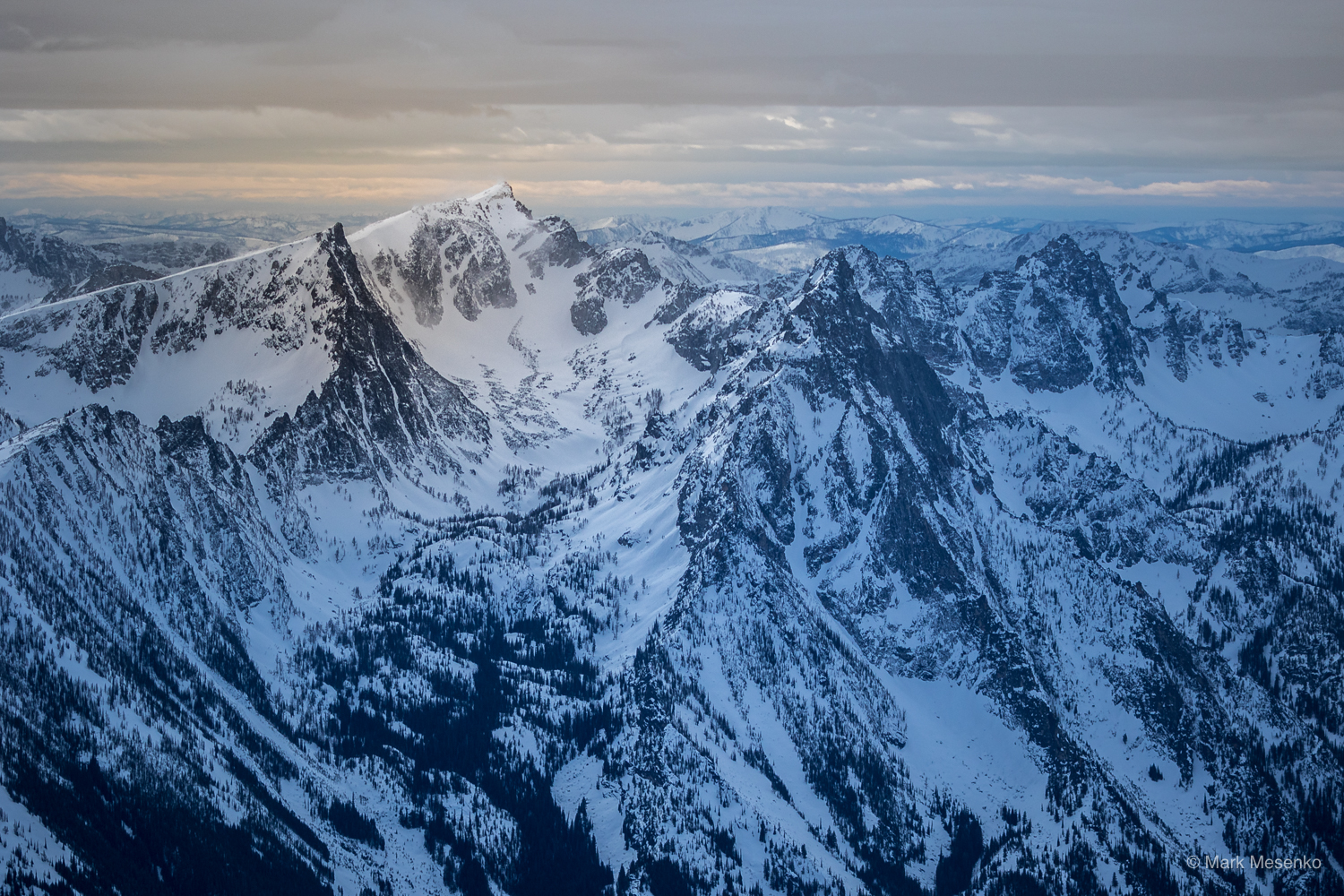
Shop Anaconda Gear

Shop Anaconda Gear

Anaconda Climate

Average Monthly Climate: Anaconda

MonthAvg HighAvg LowPrecipSnow
Jan33°F12°F1.2"3.3"
Feb29°F10°F1.9"5.2"
Mar37°F16°F1.3"3.2"
Apr44°F22°F1.8"3.3"
May57°F34°F3.4"2.2"
Jun67°F42°F2.7"0.3"
Jul78°F49°F1.5"0"
Aug77°F50°F1.7"0"
Sep68°F42°F1.7"0.4"
Oct52°F28°F1.8"2.3"
Nov41°F19°F1.2"2.3"
Dec34°F14°F1"2.6"
Housing & Economy

Housing & Cost of Living

$308,715
Typical Home Value
Census (2019–23): $209,700
$1,140/mo
Typical Rent
Census (2019–23): $661/mo
$49,533
Median Household Income
National Rankings
Home Value57th percentile
Rent67th percentile
Income24th percentile
Affordability Ratio (home price ÷ income)6.2xExpensive
Percentile among ~21,000 U.S. cities. Higher = more expensive (home/rent) or higher earning (income).
Housing Availability
Updated Jan 2026
42
Homes for Sale
20.8% vs last year
$318,167
Median List Price
5
New Listings/Month
5,506
Total Housing Units
17.2%
Vacancy Rate
Employment & Economy
ACS 5-Year 2019–2023
4.9%
Unemployment Rate
MT avg: ~3.5%
54.7%
Labor Force Participation
4,452
Employed Residents
Top Industries
Education & Healthcare
25.8%
Tourism & Hospitality
11.3%
Construction
10.7%
Home values from Zillow ZHVI (Jun 2026). Inventory, list prices & new listings from Zillow Research (Jan 2026). Income, vacancy,, employment, industry, from U.S. Census Bureau ACS 5-Year 2019–2023. Data may not reflect current conditions. Check Zillow for the latest market data.
Schools
🏫
Anaconda Public Schools
~1,600 students · District Website
Grad Rate
83%
Per Pupil
$11,000
Graduation rate: OPI/NCES 2022–23. Per-pupil spending: Montana OPI fiscal data. MT state avg: ~87%.
Scenic Drives Near Anaconda
Anaconda in Rankings & Guides
Compare Anaconda with Another Town
View Anaconda in the site graph

Explore Nearby Destinations

Deer LodgeWalkervillePhilipsburg
FAQs About Anaconda

Frequently Asked Questions About Anaconda

What is the cost of living in Anaconda, Montana?
Anaconda is one of southwest Montana's most affordable communities. The census median home value is $209,700 with the Zillow Home Value Index at $280,297 as of January 2026. Median rent is just $661 — well below Montana averages. The median household income of $49,533 produces an affordability ratio of 5.7, significantly better than nearby Butte (4.4) and far below resort towns like Big Sky. The 17.2% vacancy rate reflects seasonal and second-home ownership patterns.
What is the Washoe Smelter Stack?
The Washoe Smelter Stack is a 585-foot-tall masonry smokestack built in 1919 for the Anaconda Copper Mining Company's Washoe Reduction Works. When completed, it was the tallest freestanding masonry structure in the world. The stack is visible for miles and remains Anaconda's most iconic landmark. The smelter processed copper ore from Butte's mines from the 1880s until 1980. The site is now part of a Superfund cleanup area, and the adjacent land was transformed into the Old Works Golf Course.
How far is Anaconda from Butte?
Anaconda is 26 miles (about 30 minutes) west of Butte via Montana Highway 1 (Pintler Scenic Route) or Interstate 90. The two cities share deep copper mining history — Butte mined the ore and Anaconda smelted it. Despite their proximity, Anaconda has a distinct identity: smaller (9,421 vs 34,000), more affordable, and oriented toward outdoor recreation rather than Butte’s urban amenities. Many residents commute between the two cities.
What is Georgetown Lake?
Georgetown Lake is a 2,800-acre reservoir at 6,330 feet elevation, 15 miles west of Anaconda along the Pintler Scenic Route (MT-1). It's one of Montana's most popular year-round recreation lakes. Summer brings fishing (rainbow trout, brook trout, kokanee salmon), boating, kayaking, and swimming. Winter transforms it into one of the state's top ice fishing destinations. The lake is surrounded by Deerlodge National Forest with numerous campgrounds, cabins, and resorts. Discovery Ski Area is nearby.
What outdoor activities are available near Anaconda?
Anaconda offers exceptional outdoor recreation. The Anaconda-Pintler Wilderness (11 miles south) provides 158,000 acres of alpine backcountry. Georgetown Lake (15 miles) is a premier fishing and boating destination. Discovery Ski Area (20 miles) offers downhill skiing. Lost Creek State Park (5 miles) features a dramatic waterfall and limestone canyon. Fairmont Hot Springs (8 miles) has natural hot spring pools. The Old Works Golf Course is a Jack Nicklaus-designed championship course built on reclaimed smelter land. Within 30 miles there are 122 recreation sites.
What is Lost Creek State Park?
Lost Creek State Park is a scenic park just 5 miles from Anaconda, nestled in a dramatic limestone canyon. The park's centerpiece is Lost Creek Falls, a waterfall that drops through a narrow gorge carved from billion-year-old limestone. Mountain goats are regularly spotted on the canyon walls. The park has 25 campsites, picnic areas, and short hiking trails. It's open May through November and is one of the most accessible and scenic state parks in southwest Montana.
What is the Old Works Golf Course?
The Old Works Golf Course is a Jack Nicklaus Signature Design championship course built on the reclaimed site of Anaconda's historic copper smelter. It opened in 1997 as part of the Superfund cleanup and features distinctive black slag sand bunkers made from actual smelting waste. The 18-hole, par-72 course plays at 7,705 yards from the tips and is consistently rated one of Montana's finest public courses. Green fees are affordable compared to resort courses, making it a must-play for Montana golfers.
What are winters like in Anaconda?
Anaconda winters are cold and snowy at 5,335 feet elevation. January averages a high of 33°F and low of 12°F. Total annual snowfall is moderate with accumulations from October through April. Discovery Ski Area (20 miles west) offers 15 runs and reliable powder. Georgetown Lake is a top ice fishing destination. Snowmobiling on hundreds of miles of groomed trails through the Deerlodge and Beaverhead-Deerlodge National Forests is popular. Fairmont Hot Springs (8 miles) provides a warm retreat in the coldest months.
Who was Marcus Daly?
Marcus Daly (1841–1900) was one of Montana's famous 'Copper Kings' and the founder of Anaconda. Born in Ireland, he came to Montana and discovered the richest copper vein in Butte, then built the massive Washoe Reduction Works in Anaconda to smelt the ore. He founded the Anaconda Copper Mining Company, which became one of the world's largest corporations. Daly also attempted to make Anaconda Montana's state capital, losing to Helena in the 1894 referendum. His legacy shapes the city to this day.
How do I get to Anaconda?
Anaconda is on Montana Highway 1 (Pintler Veterans Memorial Scenic Route), 26 miles west of Butte and 120 miles southeast of Missoula. From Interstate 90, take the Anaconda exit at Warm Springs or the Opportunity exit. The nearest commercial airport is Bert Mooney Airport (BTM) in Butte, 26 miles east. Bowman Field is a small public airstrip 3 miles northeast of town. Anaconda sits roughly halfway between Yellowstone and Glacier National Parks, making it a natural stop on a Montana road trip.

Related Reading

Montana landscapeMontana Facts
219 West Third Street
Jul 10, 2026
Montana landscapeMontana Facts
504 Main Street
504 Main Street
Jul 10, 2026
Montana landscapeMontana Facts
Atlantic Cable Quartz Lode
The 1867 Cable Mountain gold strike named for the transatlantic telegraph—and the ore chunk William A. Clark bought for $10,000.
Jul 10, 2026