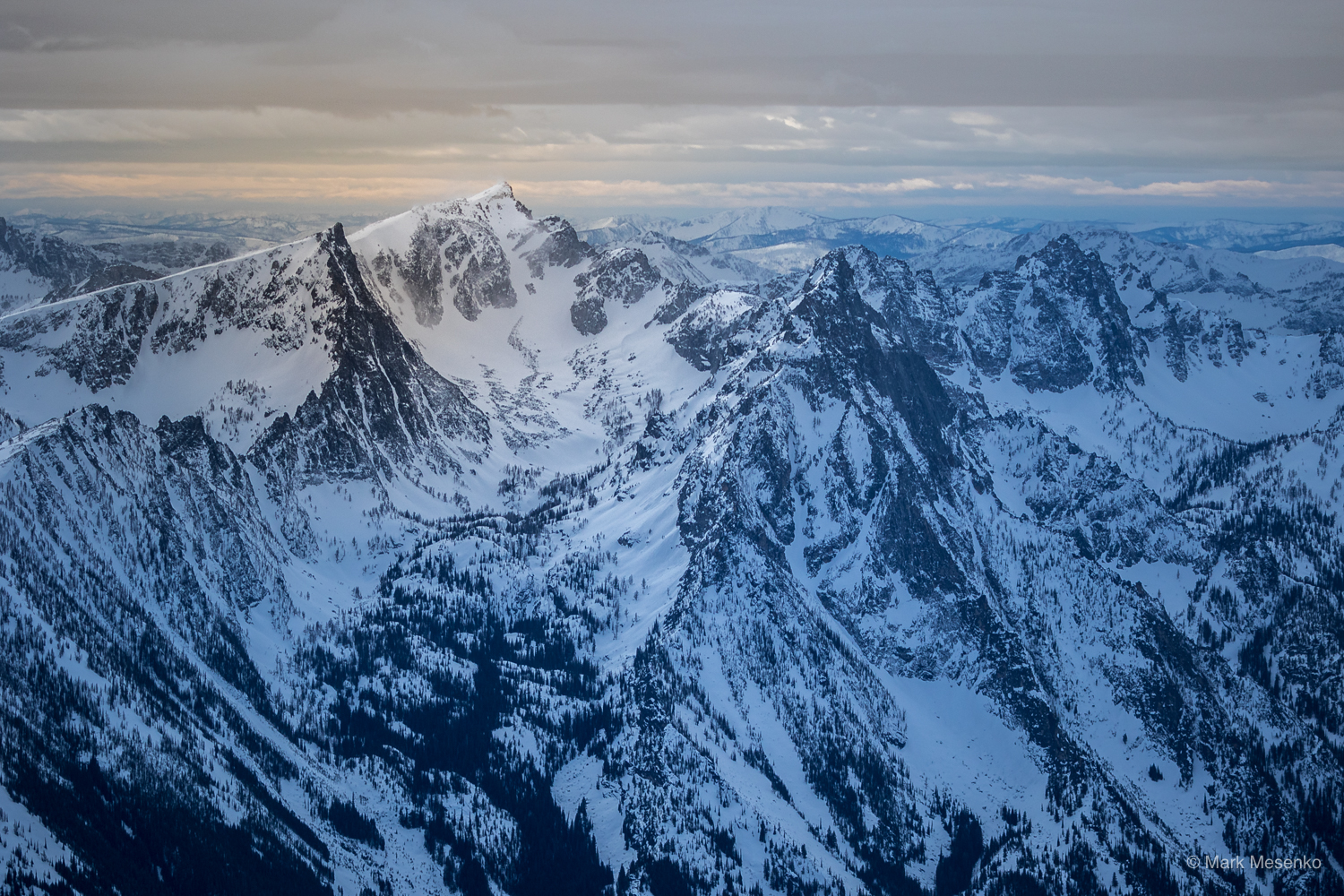
Philipsburg - Scenic View

Philipsburg

Montana's Silver Town

Quick Facts
Population
841
County
Granite County
Region
Western Montana
Elevation
5,249 ft
Top Industry
Agriculture & Mining
Nearest Hospital
Granite County Medical Center (in town)
Zip Code
59858
Area Code
406
Time Zone
Mountain Time (MT)
Industry: Census ACS 5-Year 2019–2023 · Hospital: MT DPHHS 2024
Current Weather
Loading current weather...
Airport Distances

Nearest Major Airports

✈️ Butte (BTM)
55 miles
~1h 10m drive
✈️ Missoula (MSO)
66 miles
~1h 21m drive
✈️ Helena (HLN)
78 miles
~1h 33m drive

Map & Nearby

Explore Philipsburg on the interactive map with 3 nearby towns and 60 highlighted recreation sites. Use the zoom controls or select a recreation item to focus it on the map.

Open Area in Google Maps
Loading map...
Outdoor Recreation Near Philipsburg

Outdoor Recreation Near Philipsburg

Jump to map →
9.5/10
World-Class
159 sites within 30 mi
18 categories

Distances are straight-line estimates. Driving distances may be longer. Data: OpenStreetMap contributors & editorial research.

History & Heritage

History & Heritage

Step into a living chronicle of the American West in Philipsburg, a town whose very foundations are built upon the adventurous spirit of discovery and the relentless pursuit of fortune. Born from the silver rush of the 1860s, Philipsburg's saga began when prospectors, lured by whispers of rich veins, first struck silver south of the present-day town in 1864. The establishment of the Hope Mill and the ingenious engineering of Philip Deidesheimer, for whom the town is named, ignited a boom that saw Philipsburg spring to life, with structures rising at an astonishing pace—one building per day in the late 1880s. The Granite Mountain Mining Company shipped over $21 million in bullion between 1883 and 1898; the BiMetallic Mine added nearly $6.5 million. During World War I, the district's manganese mines produced up to 40% of U.S. output, peaking at over 127,000 tons shipped by 1918. The Philipsburg Historic District was added to the National Register of Historic Places in 1982, encompassing 87 acres of commercial, residential, governmental, and religious buildings. The 21st-century revival earned national recognition: Sunset Magazine's 2015 Best Municipal Makeover award acknowledged the town's transformation from a declining mining community into a vibrant tourist hub. The Philipsburg Brewing Company opened in 2012 in a restored historic vault; the Broadway Hotel reopened in 2003. Though the silver boom eventually waned, the discovery of high-quality sapphires added another glittering chapter, ensuring Philipsburg's legacy as a gem of the Treasure State.

--

Official historic markers tied to Philipsburg in our statewide dataset. Expand the list to read inscriptions and follow links to full pages or deep reads where available. Browse Granite County on the map · History trails

Historic markers in Philipsburg (31)tap to expand
102 West KearneyDeep Read

Before his death in 1896, pioneering Jewish businessman William Weinstein owned many lots, including this one, in Philipsburg. By 1902, his daughter Alice Weinstein Hannah owned the property and the one-story wooden dwelling that stood on the site, which she undoubtedly rented to local miners and their families. She sold the home in 1913 to Missoula resident Leanorah Damuth. Damuth lost the property for back taxes in 1923, and in 1927 Louada Smith purchased the lots and all improvements for $248.75. A divorced mother of four, Louada married miner John Flascher the following year. Soon thereafter, the family built this one-and-one-half-story, gable-front home, valued in 1930 at $2,400. The home originally sported full-width front and rear porches, both of which were later enclosed.

Erected by Montana Historical Society.

123 East Broadway

Local rancher Lee Degenhart financed the construction of this building in 1910. Fred Haverty, a contractor from Hal, Montana, who later ran a car dealership here in Philipsburg, was the builder. Design features include the original ornamental leaded glass and a decorative brick cornice. This and other commercial structures of like vintage illustrate the economic boom Philipsburg enjoyed between 1900 and 1914. The community's weekly newspaper The Philipsburg Mail has been headquartered in this building since 1941.

Erected by Montana Historical Society.

Bi-Metallic Aerial TramwayDeep Read

The tramway was constructed in 1889 to carry ore from the Blaine Shaft in Granite to the Bi-Metallic Mill in Kirkville, near Philipsburg. The Bi-Metallic aerial tramway was 9750 feet long with a vertical drop of 1225 feet, and was the longest aerial tramway in the United States at that time. The tramline consisted of wooden tower with rollers and guides on the ends of both arms. These rollers supported a very large moving cable that the tram cars were attached to. The Granite Mountain Mining Company constructed a similar aerial tramway about the same time. This conveyance was 8750 feet long and carried ore from the Ruby Shaft in Granite to the Rumsey Mill (Mill C) to the east.

Industry
C.T. Huffman GroceryDeep Read

Built circa 1887, Lutey's Grocery and the Barrett and Jacky Harness Shop originally shared occupancy of this one-story commercial building. By the 1890s, Valentine Jacky shared this building with C. T. Huffman who supplied groceries to Philpsburg and the nearby town of Granite. C. T. and A. S. Huffman eventually expanded their store into both sides of the building. Operated by A. S. Huffman's sons until the 1970s, the business was the state's oldest family-owned grocery. Meticulous reconstruction of the 1890s facade and restoration of the tin-ceilinged interior was completed in 1992-1993 by owner Dale Siegford and woodwright Barry Carnahan.

Erected by Montana Historical Society.

Architecture
Courtney HotelDeep Read

Brothers Morris and Humphery Courtney built this multi-purpose building in 1918 with the profits from manganese mining acquired during World War I. The building speaks to the coming of the automobile as the basement housed the Granite County Garage and the first floor was a dealership and showroom for Overland automobiles. The wide door in the center made the interior showroom accessible. The upper two floors accommodated offices and hotel rooms, often occupied by schoolteachers.

This property contributes to the Philipsburg Historic District • Listed in the Nation l Register of Historic Places by the United States Department of the Interior • In cooperation with the Montana Historical Society

Erected by Montana Historical Society.

ArchitectureIndustry
Doe's Drug StoreDeep Read

In the 1880s and 1890s, masonry structures gradually replaced the frame buildings left from Philipsburg’s mining camp days. Doe and Hoyer constructed this commercial brick building in 1887. Modini’s Grand Hotel and Restaurant was located in the west half. M. E. Doe and his sons owned and managed the drug store on the east half of the ground floor until 1969. Doe’s Drug Store even sold the town’s first gasoline, hand pumped from barrels out front.

Erected by Montana Historical Society.

ArchitectureIndustry
First Presbyterian Church

Reverend Milton Cook organized Philipsburg’s first Presbyterian congregation in 1877 and Reverend George Edwards came from Missoula to preach once a month. But it was not until 1891 that Reverend Samuel Wishard established a permanent Presbyterian congregation in Philipsburg. Services and Sunday school were held in the schoolhouse until summer 1893 when the present building welcomed its first worshippers. An early cold snap, however, forced the congregation to move services to the Methodist Church until heating stoves could be installed. The building’s unusual hexagonal copper dome and intricate scrollwork make its steeple the most distinctive among Philipsburg’s churches. A Gothic window with tracery, lancet openings, and a round window embellish the simple frame façade. Fondly known as the “White Church,” the building takes its place along “church row” on the north side of Broadway. The local watering holes are all on the opposite side of the street, maintaining the historic separation of secular and spiritual. Presbyterians held services here until 1990 when they joined with the Methodists to share their facility.

Erected by

Montana Historical Society.

Granite County Courthouse

The first permanent home for Granite County offices was completed in 1913. Prominent Montana architects John Link and Charles Haire designed the building. Its cut stonework is, appropriately, made of Montana granite. Granite County commissioners paid the Gagnon and Company construction firm $49,000 for completion of this elegant brick county courthouse. Look for the inscription “Granite Co.” in the keystone above the entry arch.

Erected by Montana Historical Society.

Granite County JailDeep Read

The Granite County Jail was constructed in 1896, three years after Granite County was carved from two adjacent counties and Philipsburg made the county seat. The town served as a hub to extensive area mining and, later, ranching. The jail was the first major public building constructed for county use, reflecting early desire for law and order. This stately building contains jail space, the sheriff's office, and the sheriff's residence. It was constructed for an estimated $8,000 using features from several architectural styles. The jail's dominant feature is a medieval tower above the arched portico. Its bricked-over windows, intriguingly, were part of the original creation. The dark brick was locally fired and the rough-cut granite locally quarried. Renovated successfully to current standards, this remains one of Montana's oldest jails still serving its original function.

Erected by Montana Historical Society.

Granite Ghost TownDeep Read

Granite Mtn. Mine located July 6, 1875 and operated by the Granite Mtn. Company.

A rich silver bonanza shoot was discovered in Nov. 1882. The mine closed in 1893 and reopened again in 1911 and 1912 and operated for a brief time.

Erected by National Forest Service, Deerlodge National Forest.

IndustrySettlements
Granite Mountain Mining Company OfficeDeep Read

This two-story building, constructed in about 1885, was one of the first structures in Granite, and housed the brick vault that is seen here. The mining office handled the payroll for the men who worked at the Ruby Shaft and the two mills on the hill across the road to your north. Newspapers articles of the day told of men being paid entirely in silver coins, and of merchants threatening to burn any paper money they encountered.

The first three Superintendents of the Granite Mountain works were Charles D. Mclure, Frank L. Perkins and Captain John L. Plummer. The first dividend from the mine was paid shortly after Mr. Plummer became Superintendent in 1885. Later, Superintendent Thomas Weir had a 16-foot by 16-foot hot water plunge, drying room and reading room built for the workers of the Ruby Shaft Mine. This helped prevent miners from contracting pneumonia caused by leaving the mine in wet work clothes.

Just to the right (north) of the brick vault is a large shallow hole that was the site of the Buskett Mercantile Co. General Store. This was a major business in Granite, owned by the Granite Mountain Mining Company.

IndustrySettlements
J.K. Merrill and Sons Dry GoodsDeep Read

The excellent design and spacious interior of this two-story commercial building represents Philipsburg’s prosperity and substantial population during the 1890s. Constructed for J.K. Merrill and Sons between 1892 and 1894, Freyschlag Huffman and Company took this location for its general merchandise emporium in 1893. Dry goods, clothing, groceries, hardware and wholesale liquors were displayed in the 12,000 feet of floor space. By 1897, it had become BiMetallic Mining’s company store. A three-bay facade and second-story pressed metal colonnade visually reinforced the structure’s ample proportions.

This property contributes to the Philipsburg Historic District • Listed in the Nation l Register of Historic Places by the United States Department of the Interior • In cooperation with the Montana Historical Society

Erected by Montana Historical Society.

Jones' Run For LifeDeep Read

In July 1878, a band of Nez Perce Indians returning south from Canada after eluding U.S. Cavalry, crossed what is now Granite County. While passing through they attacked a small mining camp located on a tributary of Rock Creek at McKay Gulch. Three miners were killed. A fourth miner, James Jones, escaped in a hail of gunfire. Although wounded, Jones managed to out-maneuver his pursuers by climbing Mt. Emerine. He then struggled cross-country 25 miles back to Philipsburg to alert the town about the Indian danger. From that day forward Jones was known as “Nez Perce” Jones. He died in 1926 at the age of 82.

Sculptor: Benge Elliott, San Marcos, Texas

Donated by Granite County Historical Society

Erected by Granite County Historical Society.

Native AmericanMilitary
Kaiser House

Michael Kaiser, founder of Philipsburg Water Company, built this grand hotel in 1881. One of Philipsburg's oldest masonry structures, the original hotel boasted a wrap-around porch extending halfway around the building. Second-story French doors, matching windows below and four Norman arched double doors with fan transoms speak to its excellent design. A fine bar, billiard room and T-bone steaks for 50 cents made the Kaiser House a place applauded by travelers and residents alike.

Erected by Montana Historical Society.

Industry
Masonic Temple

Meetings in Philipsburg of Flint Creek Lodge No. 11 date back to 1867. This structure, built in 1911, provided a permanent home for the community-oriented fraternal organization. Chambers for lodge meetings occupy the entire top floor. The ground floor originally housed the Philipsburg State Bank, and the outside entry to the bank's old vault still remains intact. A chamfered corner complemented by visual emphasis on horizontal lines of banded masonry reflect the period.

Erected by Montana Historical Society.

McDonald Opera House

Prominent businessman Angus A. McDonald constructed this two-story masonry theater in 1891. A metal-covered stage loft rises above the roof as evidence of the structures historic function. Beneath the south end were dressing rooms for the traveling entertainers that played the generous stage. Elaborate backdrops were painted by Montana artist Edgar S. Paxson. The advent of moving pictures with sound brought some interior changes in the 1930s, but a magician’s trap door at center stage is still in place. Renamed the Granada Theatre in 1919, it is Montana’s oldest operating theater.

This property contributes to the Philipsburg Historic District • Listed in the Nation l Register of Historic Places by the United States Department of the Interior • In cooperation with the Montana Historical Society

Erected by Montana Historical Society.

Mill A and BDeep Read

The Granite Mountain Mining Company constructed two mills adjoining the mining operation know[n] as the Ruby Shaft. These structures, Mill A and Mill B, housed a total of 70 stamp mills which processed ore. Stamp mills were used to crush the ore so the metal could be separated from the base material by amalgamation of mercury. The stamp mills were very noisy and produced a great deal of dust. The mines and mills all operated six days a week.

When the production of the Ruby Shaft exceeded the capacity of Mills A and B in 1889, the Granite Mountain Mining Company built a mill in Rumsey to handle the additional ore. They named this new operation Mill C.

Industry
Miner's Union HallDeep Read

Built in 1890 at a cost of $23,000, this three-story building was once the social center of a bustling mining town. The first floor was constructed of native granite. The cast iron front held 6 large windows and small colored glass panes. The upper stories were brick, and the roof was covered with sheet metal. Interior walls and ceilings were plastered, and elaborate molded pine trim was artificially grained to look like hardwood. Lighting was by oil lamps, one of which weighed 400 lbs.

The second floor housed union offices, a library, and a large hall with an 18ft. ceiling, wallpaper and a special maple “spring floor” for dancing. At the back was a stage. 500 folding chairs provided seating for concerts, operas and theatricals. The first floor was a recreation hall for miners, with billiards and card tables. On the third floor was a meeting room used by clubs and secret orders.

In the 1890s. buildings along Main Street included saloons, rooming houses and restaurants. Across the street from the Union Hall was the newspaper office, and in the gully below was Chinatown and the red light district.

STAY OFF AND AWAY

Walls are unstable

Settlements
Morse HallDeep Read

Colonel J.W. Morse built Morse Hall in 1887. This elaborately detailed public lecture hall also served as county courthouse after 1893, an opera house, town hall, library and general community center. Its splendid second story dance floor was the scene of many gala community dances as well as basketball games. The pressed metal cornice, hood moldings and full storefront supported by cast iron columns make this building a fine example of commercial vernacular architecture.

Erected by Montana Historical Society.

culture
Patten ResidenceDeep Read

During the 1880s masonry structures began to replace wood-framed buildings from the mining camp days to form the present town. George H. Harn, who at that time ran one of two local brickyards, probably built this fine residence with his own bricks. James Patten Sr. came to Philipsburg from Illinois and purchased the home from Harn in 1887. Patten was a prominent businessman involved in the operation of the nearby Trout and Sweet Home Mines. The one-and-one-half-story home features a hipped roof, bay window with wood paneled spandrels, and porches with slender turned columns, decorative brackets, spindled balustrades, and scrolled friezes.

Erected by Montana Historical Society.

PhilipsburgDeep Read

Philipsburg's early-day fortunes ebbed and flowed with mining. Today, its historic district is one of Montana's best preserved late-19th-century mining towns, with commercial, public and private buildings dating from the boom period of silver mining. Silver was discovered south of here in 1864, and only three years later Philipsburg (at elevation 5,270 feet) was growing at the “rate of one house per day,” an area newspaper reported. That same year, the St.Louis and Montana Mining Company sent Philip Deideshimer (for whom the town was named) to Philipsburg to help develop and manage its mines and stamp mills. Only two years later, the nearby Hope Mill shut down and Philipsburg was largely deserted. A revival of mining activities from the mid-1880s to mid-1890s led to Philipsburg's greatest growth, when tens of millions of dollars worth of silver bullion, ore and slag were shipped to out-of-state markets. The wooden, false-front buildings on Broadway were replaced with masonry structures. When silver mining was curtailed in 1893, recently discovered sapphire deposits helped stabilize the local economy. That year also saw the creation of Granite County, with Philipsburg as county seat. During World War I, Philipsburg was the largest supplier of domestic manganese, which led to another boom for the area. After that boom, Philipsburg has slipped into a stable existence based on agriculture, government, logging, limited mining and tourism.

Erected by Montana Historical Society.

Industry
Philipsburg Historic DistrictDeep Read

Philipsburg's early-day fortunes ebbed and flowed with mining. Today, its historic district is one of Montana's best preserved late-19th-century mining towns, with commercial, public and private buildings dating from the boom period of silver mining. Silver was discovered south of here in 1864, and only three years later Philipsburg (at elevation 5,270 feet) was growing at the “rate of one house per day,” an area newspaper reported. That same year, the St.Louis and Montana Mining Company sent Philip Deideshimer (for whom the town was named) to Philipsburg to help develop and manage its mines and stamp mills. Only two years later, the nearby Hope Mill shut down and Philipsburg was largely deserted. A revival of mining activities from the mid-1880s to mid-1890s led to Philipsburg's greatest growth, when tens of millions of dollars worth of silver bullion, ore and slag were shipped to out-of-state markets. The wooden, false-front buildings on Broadway were replaced with masonry structures. When silver mining was curtailed in 1893, recently discovered sapphire deposits helped stabilize the local economy. That year also saw the creation of Granite County, with Philipsburg as county seat. During World War I, Philipsburg was the largest supplier of domestic manganese, which led to another boom for the area. After that boom, Philipsburg has slipped into a stable existence based on agriculture, government, logging, limited mining and tourism.

Erected by Montana Historical Society.

Industry
Pizer BuildingDeep Read

One of a network of Jewish merchants who supplied miners in the Rocky Mountain West, nineteen-year-old Benjamin Pizer arrived in Helena from Poland with his wife Jessie Silverman and their newborn son David in 1869. With limited capital, he purchased fifty pounds of dry goods, which he peddled to area miners. After seven years, he bought a wagon and expanded his territory. In 1878 he purchased a dry goods business in Philipsburg. A building boom fueled by Philipsburg-area silver mining and the arrival of the Northern Pacific Railroad prompted Pizer to invest in this one-story brick vernacular style building in 1887. Pizer sold furniture, notions, and tobacco from this shop, while a saloon operated on the building's east side. Well integrated into the Philipsburg community, Pizer served as a Republican county commissioner and was a member of both the Knights of Pythias and the Oddfellows. A founding member of the Helena Hebrew Benevolent Society, Pizer also retained ties to Helena, where the family returned in 1896. He died there in 1921 and was buried in the Home of Peace Jewish cemetery.

Erected by

Montana Historical Society.

Industry
Ruby ShaftDeep Read

Most of the ore that brought tremendous riches and fame to Granite was brought out of the Ruby Shaft, operated by the Granite Mountain Mining Company. Several tunnels outside the Ruby Shaft were also important in producing the silver (and some gold) ore that went to the mills and became ingots. The shaft work began in about 1880 when Mr. McIntyre was contracted to “sink a 50-foot shaft upon the ledge” in return for a one-quarter interest in the mine. The shaft that Mr. McIntyre sank, however, was one foot short. He decided not to finish the task and surrendered his share in the mine. This one-quarter share was eventually worth over $3,000,000 in dividends. In 1885, a new shaft, the Ruby Shaft, was started and was driven to a depth of 1550 feet. Soon several hundred miners were working three eight-hour shifts a day, six days a week.

The headframe of the Ruby Shaft, which has since fallen into the shaft, was contained in a building as shown. Power for the hoist was provided by steam engines that burned wood and coal. In the early years, ore was crushed in Mills A and B which were adjacent to the mine.

In 1888, the Granite

Mountain Mining Company began construction of a large mill called the Rumsey Mill or Mill C in a valley to the east on Fred Burr Creek. The mill was completed in 1889 and was connected to the mining complex by an 8750-foot aerial tramway.

Industry
Sayrs' BuildingDeep Read

First known as the Hyde Block, this building was constructed by banker Joseph Hyde and his wife, Mary, in 1888. It housed the First National Bank until the silver crash of 1893. In 1904, Frank Sayrs purchased the building and it has since held a number of businesses including a tailor's shop, drug stores and a recreation center. The fine design of this two-story commercial structure features a chamfered, or beveled, corner with a modillioned metal cornice and pediment.

Erected by Montana Historical Society.

Industry
Schuh-Nowak ResidenceDeep Read

A beautifully embellished pedimented gable and open porch with spindled balustrade, turned columns, and decorative details highlight this splendid two-and-one-half-story Queen Anne style residence of salmon-colored brick. Mary Schuh, a longtime pioneer homesteader and reputedly the first white woman to settle locally in nearby Cable, owned the property in 1894. The home was built in the mid-1890s. Mary’s daughter and son-in-law, Emma and Frank Nowak, raised their children here and sold the home shortly after Mary’s death in 1918. New cedar roof shingling of the original type and restoration of the unusual handcut metal ridge trim atop the roof return this charming home to its nineteenth-century likeness.

Erected by Montana Historical Society.

St. Andrew's Episcopal Church

In January 1889, St. Andrew’s Episcopal Church opened its doors to hold one of the first services in a church in Philipsburg. Placed within the cornerstone the previous year were a Bible, some coins, names of donors, and a copy of the Philipsburg Mail. The one-story wood-frame building provides an excellent example of a simple pioneer church. Except for the Gothic tracery over the entrance, the building resembles schoolhouse design of the period.

Erected by Montana Historical Society.

St. Paul's Methodist Episcopal Church

The cornerstone for St. Paul’s Methodist Episcopal Church was laid in 1887. Dedicated September 15, 1890, this modest but rather sophisticated structure was one of Philipsburg’s early churches. Choice of brick and prolonged construction reveal the generosity and persistence of its congregation. The original building with its furnishings cost a total of $3,589.94. When lightning destroyed the bell tower, an entry vestibule and new tower were later constructed in conjunction with the addition west of the sanctuary.

Erected by Montana Historical Society.

Superintendent’s HouseDeep Read

By 1899, this house stood at the head of Magnolia Avenue, or “Silk Stocking Row,” where the elite of Granite lived. The first floor housed the living quarters for the Superintendent of the Granite Mountain Mining Co. The second floor may have originally housed the mine office, accessed through a door in the back reached by a plank bridgeway from the hillside. No inside connection has ever existed between the two floors.

From 1889 to 1893, Superintendent Thomas Weir lived in this house. A capable manager, Weir did much to improve living and working conditions for the miners. Sweat soaked miners would emerge from the 1,000 ft shaft into winter’s bitter cold, prime candidates for pneumonia. Without antibiotics, the death rate was high. Weir built a “drying house” and a hospital, had bunkhouses cleaned and fumigated, and gave his men one day off a week and good wages--$3.50 a day.

“Silver Queen City”

The Granite Mountain Lode claim was recorded in 1875, and in 1879 a piece of high-grade “ruby” silver was found. With financial backing from St. Louis investors, exploration efforts increased, without a lot of success. In 1882, the investors sent word to stop work—they would put no more money into the mine. One story goes that the pony express messenger was delayed by a blizzard and during this reprieve the big strike was made. The boom was on and before long, three mills were built to handle the flood of ore. In 1889, the Granite Mountain and Bi-Metallic Mines produced $250,000 - $275,000 a month. One mine alone produced 6,000 lbs of silver and 13.3 lbs of gold a week.

In 1892, 3,200 people lived in Granite, with another 2,000 or so at the mills nearby. Repeal of the Sherman Silver Purchase Act, which had guaranteed government purchase of silver resulted in the Silver Panic of 1893. Mines and mills closed and 3,000 people left in 24 hours. The mines later reopened but never again held the distinction they once had. The last of Granite’s residents left in the 1930s

Settlements
Weinstein BuildingDeep Read

Around the mountain from the mining camp of Cable in 1866 came Polish-born merchant William Weinstein with a wagon-load of goods to sell. He became Philipsburg's first general merchant, constructing the eastern half of this building in the late 1870s or early 1880s to house his business. Ike Sparey located his restaurant and hotel in the western half, completed circa 1887. The structure has since served as a bank, a mortuary, and since 1950 as mining company offices for the current owner, the Taylor-Knapp Company. Second-story balconies, ornamental brickwork and battlements complement this well-preserved example of 1880s commercial architecture.

Erected by Montana Historical Society.

Industry
Wilson Brothers BuildingDeep Read

Charles A. and Frank J. Wilson, brothers from Wisconsin, built and established their businesses in this building by 1888. The building originally housed a furniture store on one side, a feed store on the other and a miners' boarding house/living quarters upstairs. Later in the 1890s, the businesses changed to hardware and groceries while the boarding house continued to operate upstairs. Inside, a hand-over-hand hoist that is still in use and tongue-and-groove maple flooring confirm the success of the brothers' businesses. Although the building has been remodeled several times and the interior stairs moved to the outside, rehabilitation of the facade has restored the exterior to its 1887 appearance.

Erected by Montana Historical Society.

Industry

Historic markers map

Open the interactive map filtered to Philipsburg. The view zooms to the markers for this community.

Open map zoomed to Philipsburg

Events & Festivals in Philipsburg

Annual gatherings tied to Philipsburg — check official sites for tickets and current dates.

Montana statewide events & festivals calendar

View all Montana events · Where to stay in Philipsburg

Explore Philipsburg, Montana: Unearth Your Adventure in Historic Philipsburg!

Nestled in the heart of Montana's stunning Pintler Scenic Loop, Philipsburg beckons the intrepid explorer and the history enthusiast alike. This vibrant, historic mining town, once a booming hub of silver and sapphire extraction, now offers a unique blend of rugged outdoor escapades and charming small-town allure. Prepare to delve into a landscape rich with tales of the Old West, where every mountain trail whispers secrets of fortunes found and lost, and the crystal-clear waters of nearby Georgetown Lake promise thrilling aquatic adventures. From casting a line in world-class fly-fishing streams to unearthing your own precious gems, Philipsburg is more than just a destination; it's an invitation to forge unforgettable memories amidst the raw beauty and pioneering spirit of Big Sky Country. Whether you're seeking adrenaline-pumping backcountry journeys, a peaceful retreat into nature, or a captivating journey through a storied past, Philipsburg is your gateway to an authentic Montana adventure that will leave you breathless and yearning for more.

--

Quick Facts

  • Population: 841 (2020 Census)
  • County: Granite County (county seat)
  • Founded: 1866–1867 (following silver discovery in 1864)
  • Elevation: 5,270 ft
  • Known For: Rich mining history (silver and sapphires), preserved Victorian architecture, gateway to Georgetown Lake and Pintler Wilderness, The Sweet Palace
  • Nearby Landmarks: Georgetown Lake, Discovery Ski Area, Granite Ghost Town State Park, Pintler Scenic Route, Anaconda-Pintler Wilderness
  • Fun Fact: Philipsburg was once growing at the rate of one house per day during its silver boom in the late 1860s. The Sweet Palace produces over 1,100 nostalgic confections daily—one of the largest candy stores in the Northwest. Philipsburg Theatre is Montana's oldest operating opera house (1891). The town won Sunset Magazine's 2015 Best Municipal Makeover award.

--

Notable People & Pop Culture

  • Philip Deidesheimer – German mining engineer for whom the town is named; designed the Hope Smelter and platted the townsite in 1867. The St. Louis and Montana Mining Company invested $100,000 in the venture by 1865.
  • Kate Bosworth – Married director Michael Polish at The Ranch at Rock Creek, Aug 31, 2013.
  • Scarlett Johansson – Married Romain Dauriac in Philipsburg, Oct 1, 2014.
  • Richard Hugo – Poem "Degrees of Gray in Philipsburg" (1975), from What Thou Lovest Well, Remains American, portrays the town's mining-era melancholy through vivid imagery of empty streets and faded dreams.
  • Zane Glenn Murfitt – Montana Hall of Fame inductee for Fast Pitch Softball; State Championship 1949.
  • Films: Father Stu (2022) and The Call of the Wild (2020) filmed in Philipsburg, leveraging the preserved 19th-century mining-era architecture.

--

Top Things to Do in Philipsburg

--

Local Industry & Economy

Philipsburg's economy, once fiercely dominated by the adventurous and often perilous pursuits of silver and sapphire mining, has bravely navigated the tides of change. While the echoes of its rich mining heritage still resonate, the town has ingeniously reinvented itself, embracing a diverse economic landscape. Today, tourism stands as a mighty pillar, drawing adventurers and history buffs alike to its historic streets and the untamed wilderness that surrounds it. This "scenery economy" is a testament to Philipsburg's ability to transform its natural and historical assets into sustainable economic drivers. Local businesses, ranging from charming retail shops and art galleries to delightful eateries and the renowned Philipsburg Brewing Company, form the vibrant heart of the town's commerce. Agriculture, particularly ranching, also continues to play a significant role in the broader Granite County economy, reflecting Montana's enduring connection to the land. The town's strategic location along the Pintler Scenic Loop and its proximity to attractions like Georgetown Lake and Discovery Ski Area further bolster its tourism sector. Philipsburg's journey from a rugged mining outpost to a thriving, multifaceted economy is a compelling adventure in resilience and adaptation, showcasing a community that honors its past while boldly forging its future.

--

Seasonal Activities & Local Events

  • Spring/Summer: As the snow melts and wildflowers carpet the mountainsides, Philipsburg bursts into life. Embark on thrilling fly-fishing expeditions on Rock Creek or the Clark Fork River, hike or mountain bike through the awakening trails of the Pintler Wilderness, or enjoy boating and camping at the scenic Georgetown Lake. Summer also brings vibrant community events, including outdoor concerts and local festivals that showcase the town's lively spirit. The long, sunlit days are perfect for sapphire mining adventures and exploring the historic downtown.
  • Fall/Winter: Autumn transforms the landscape into a blaze of color, offering breathtaking scenic drives along the Pintler Scenic Loop and crisp, invigorating hikes. As winter blankets the region, Philipsburg becomes a gateway to snowy adventures. Hit the slopes at Discovery Ski Area for exhilarating downhill skiing and snowboarding, or explore the serene backcountry on cross-country skis or snowshoes. Snowmobiling is another popular way to experience the winter wonderland. The holiday season brings a special charm, with events like the Yule Night Light Parade creating a festive atmosphere.
  • Annual Events: Philipsburg hosts a variety of beloved annual events that draw visitors and locals alike. Keep an eye out for the Philipsburg Summer Concert series, the Blues, Brews, and Barbecue festival for a taste of local flavors and sounds, and various holiday celebrations that light up the historic streets. These events are fantastic opportunities to immerse yourself in the local culture and experience the adventurous, welcoming heart of Philipsburg.

--

Getting There & Nearby Destinations

Embark on an adventurous drive to Philipsburg, beautifully situated along Montana Highway 1, also known as the Pintler Scenic Loop – a route that promises breathtaking vistas at every turn. This historic gem is conveniently nestled in southwestern Montana, making it an accessible and rewarding detour or a primary destination for your Big Sky Country expedition. The journey itself is part of the adventure, winding through landscapes that evoke the pioneering spirit of the West. Philipsburg serves as an excellent hub for exploring the wider region. Venture out to the nearby historic city of Anaconda, with its towering smelter stack, a monument to Montana’s copper mining legacy. Discover the recreational paradise of Georgetown Lake, just a short drive away, offering year-round activities from boating and fishing in the summer to ice fishing and snowmobiling in the winter. The vibrant city of Missoula lies to the northwest, offering a taste of urban Montana life, while Butte, with its rich and complex mining history, is also within easy reach. For those seeking further wilderness adventures, the vast expanse of the Anaconda-Pintler Wilderness is on your doorstep. Philipsburg is also a strategic stop for travelers journeying between Yellowstone National Park and Glacier National Park, offering a captivating glimpse into Montana’s historic heartland, roughly a three to four-hour drive from either iconic park. Whether you are on a dedicated exploration of southwestern Montana or a grand tour of the state’s natural wonders, Philipsburg is a can’t-miss stop on your adventurous itinerary.

--

Where to Stay in Philipsburg

After a thrilling day of adventuring in and around Philipsburg, you'll find a welcoming array of lodging options to rest and recharge for your next Montana escapade. From beautifully restored historic hotels that whisper tales of the past to cozy inns and charming guesthouses, Philipsburg offers accommodations to suit various tastes and preferences, all imbued with genuine Montana hospitality. Consider staying at the elegantly renovated Broadway Hotel, a landmark in the heart of downtown that seamlessly blends historic charm with modern comforts, placing you right in the center of the action. Another historic gem is the Kaiser House Hotel, offering a unique and intimate lodging experience that transports you back to Philipsburg's vibrant past. For those seeking a broader range of options, including motels like The Inn at Philipsburg and RV Park, or perhaps more secluded cabins and vacation rentals nestled in the scenic surrounding landscape, resources like the local Chamber of Commerce and visitor bureau websites provide comprehensive listings. For an ultra-luxurious and immersive Montana adventure, high-end guest ranches such as The Ranch at Rock Creek and The Meadows on Rock Creek are located in the wider Philipsburg area, offering all-inclusive stays with a plethora of outdoor activities. Whether you're looking for a convenient base to explore the historic town or a tranquil retreat closer to nature, Philipsburg provides a comfortable and adventurous end to your day.

--

Affiliate links help support this site at no extra cost to you.

Plan Your Visit

Ready to explore Philipsburg? Add it to your Montana travel itinerary and discover the charm, history, and adventure waiting in Big Sky Country.
Shop Philipsburg Gear

Shop Philipsburg Gear

Philipsburg Climate

Average Monthly Climate: Philipsburg

MonthAvg HighAvg LowPrecipSnow
Jan30°F15°F1.6"4.4"
Feb28°F12°F2.2"5.9"
Mar37°F17°F1.4"3.8"
Apr43°F23°F2"4.5"
May56°F32°F2.5"2.6"
Jun66°F42°F2.9"0.6"
Jul78°F50°F0.8"0"
Aug77°F50°F1.2"0"
Sep68°F42°F1.8"0.4"
Oct50°F28°F2"3.3"
Nov37°F19°F1.5"3.1"
Dec31°F15°F1.8"4.6"
Housing & Economy

Housing & Cost of Living

$471,034
Typical Home Value
Census (2019–23): $304,200
$871/mo
Median Rent
$40,096
Median Household Income
National Rankings
Home Value81st percentile
Rent41st percentile
Income11th percentile
Affordability Ratio (home price ÷ income)11.7xVery Expensive
Percentile among ~21,000 U.S. cities. Higher = more expensive (home/rent) or higher earning (income).
Housing Availability
Updated Jan 2026
27
Homes for Sale
35% vs last year
$659,667
Median List Price
567
Total Housing Units
25%
Vacancy Rate
Employment & Economy
ACS 5-Year 2019–2023
13.5%
Unemployment Rate
MT avg: ~3.5%
55.1%
Labor Force Participation
443
Employed Residents
Top Industries
Agriculture & Mining
27.5%
Manufacturing
14.2%
Tourism & Hospitality
13.3%
Home values from Zillow ZHVI (Jun 2026). Inventory, list prices & new listings from Zillow Research (Jan 2026). Income, vacancy,, employment, industry, from U.S. Census Bureau ACS 5-Year 2019–2023. Data may not reflect current conditions. Check Zillow for the latest market data.
Schools
🏫
Philipsburg K-12 Schools
~200 students
Grad Rate
90%
Graduation rate: OPI/NCES 2022–23. MT state avg: ~87%.
Scenic Drives Near Philipsburg

Scenic Drives Near Philipsburg

Philipsburg is located along or near 2 scenic corridors in Montana.

Philipsburg in Rankings & Guides
Compare Philipsburg with Another Town
View Philipsburg in the site graph

Explore Nearby Destinations

Deer LodgeAnacondaDrummond

Related Reading

Montana landscapeMontana Facts
Granite Mountain Mining Company Office
The 1885 Granite office vault, silver-coin payrolls, and the plunge bath that kept Ruby Shaft miners from pneumonia.
Jul 10, 2026
Montana landscapeMontana Facts
Mill A and B
Seventy stamps crushing Ruby Shaft ore above Granite—noise, dust, mercury amalgamation, and the overflow that built Mill C.
Jul 10, 2026