South of Missoula, the Bitterroot’s burned slopes and subalpine meadows yield fire morels after wildfire years and heavy huckleberry crops when the high country ripens.
Map pins mark public-land access hubs—not secret patches. Walk in with restraint, know look-alikes, and forage with restraint.
The Black Fire Morel
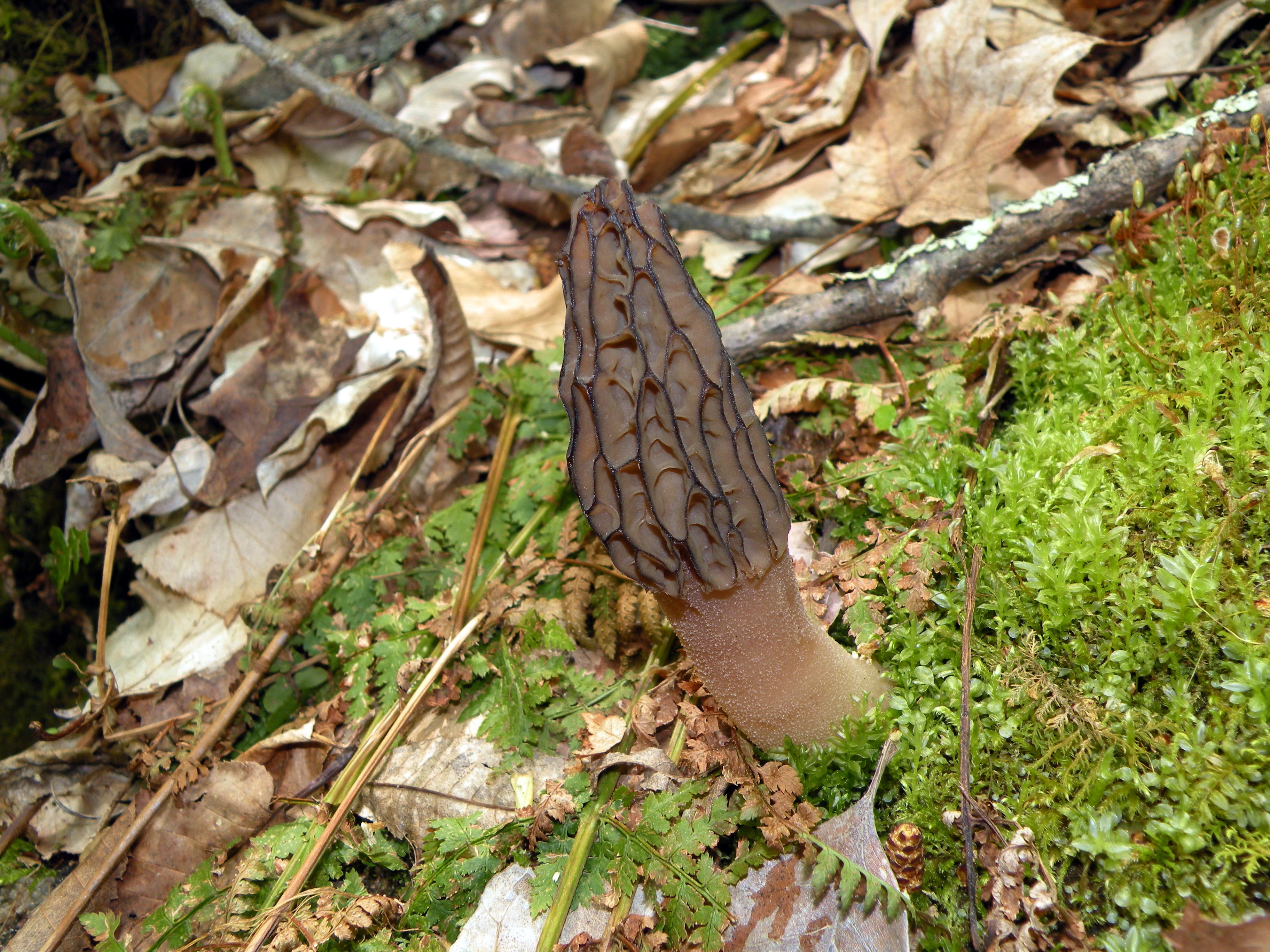
Photo: Doug McGrady / Wikimedia Commons / Attribution 2.0 Generic
While the yellow morel loves the river bottoms, the black morel is a creature of destruction and renewal. It fruits in staggering numbers the spring and summer following a forest fire. In the charred conifer forests of the Bitterroot, the Lolo, and the Custer Gallatin National Forests, these dark, conical mushrooms push through the ash. They require a keen eye, as their dark caps blend perfectly with the burned soil.
Harvest Window: May through August, depending on elevation. Habitat: Conifer forests that burned in the previous calendar year. Access Rules: Primarily found on National Forest lands. Personal use limits apply. Be aware that many recent burn areas may have hazard tree closures; always check with the local ranger district before entering a burned forest.
The Huckleberry
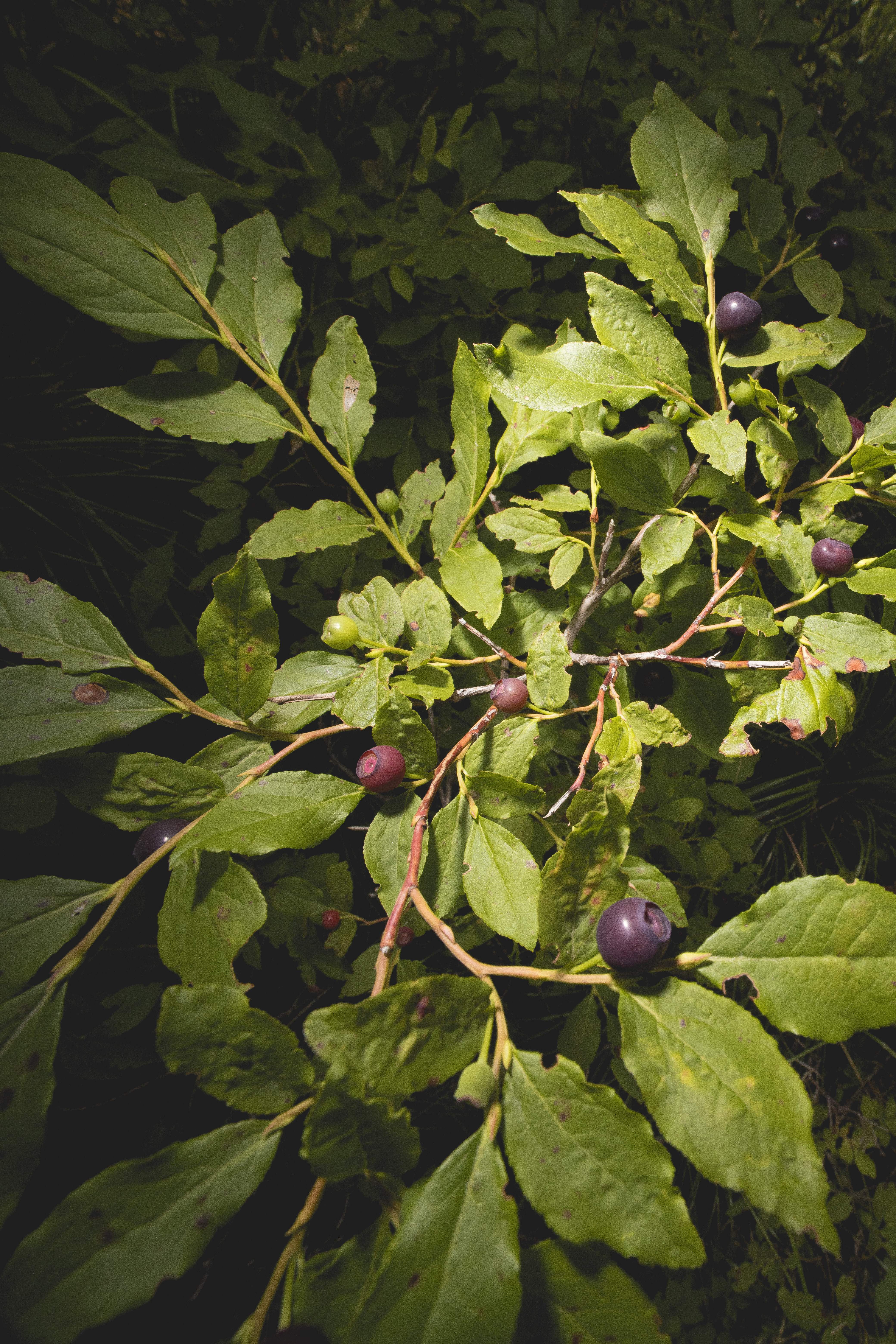
Dani.j.lombardi / Wikimedia Commons / CC BY-SA 4.0
The huckleberry is the undisputed monarch of Montana wild fruits. It is the state fruit, and its harvest is treated with near-religious devotion. The bushes thrive in the acidic soils of subalpine forests, particularly in the northwestern ranges. The berries are dark purple to black, tart, and deeply flavorful. Because they resist commercial cultivation, every huckleberry you eat must be gathered by hand from the wild. This draws intense competition, not just from humans, but from black and grizzly bears who rely on the berries to build winter fat.
Harvest Window: Mid-July at lower elevations, extending through August and into September at higher altitudes. Habitat: Subalpine slopes between 4,000 and 7,000 feet, particularly in the Flathead, Kootenai, and Bitterroot National Forests. Access Rules: Allowed on National Forest lands. Harvesters must carry bear spray and make noise, as these patches are prime grizzly habitat.
The Rainbow Chanterelle
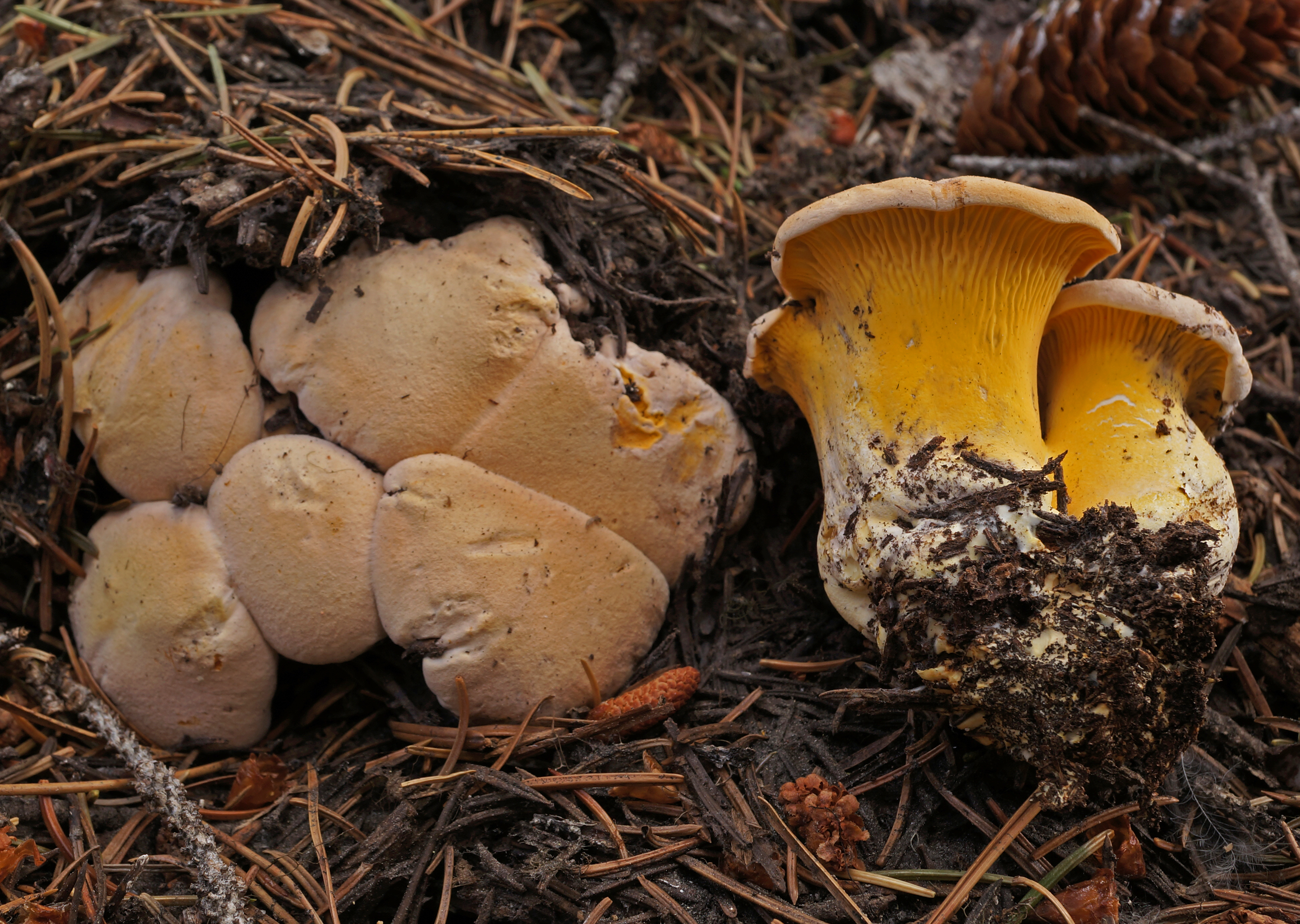
Photo: Sava Krstic (sava) / Mushroom Observer / CC BY-SA 3.0
As the heat of summer breaks and the late August rains begin to fall, the rainbow chanterelle makes its appearance. This is a mushroom of the deep, damp conifer forests, particularly in the northwestern corner of the state. They glow like scattered gold coins against the dark green moss under Douglas fir and Engelmann spruce. They smell faintly of apricots and have blunt, forked ridges running down their stems rather than true, sharp gills.
Harvest Window: Late August through September. Habitat: Mature conifer forests, particularly in the Flathead, Kootenai, and Lolo National Forests. Access Rules: Allowed on National Forest lands under personal use limits. Commercial harvesting is heavily regulated and requires a paid permit.
The Bitterroot
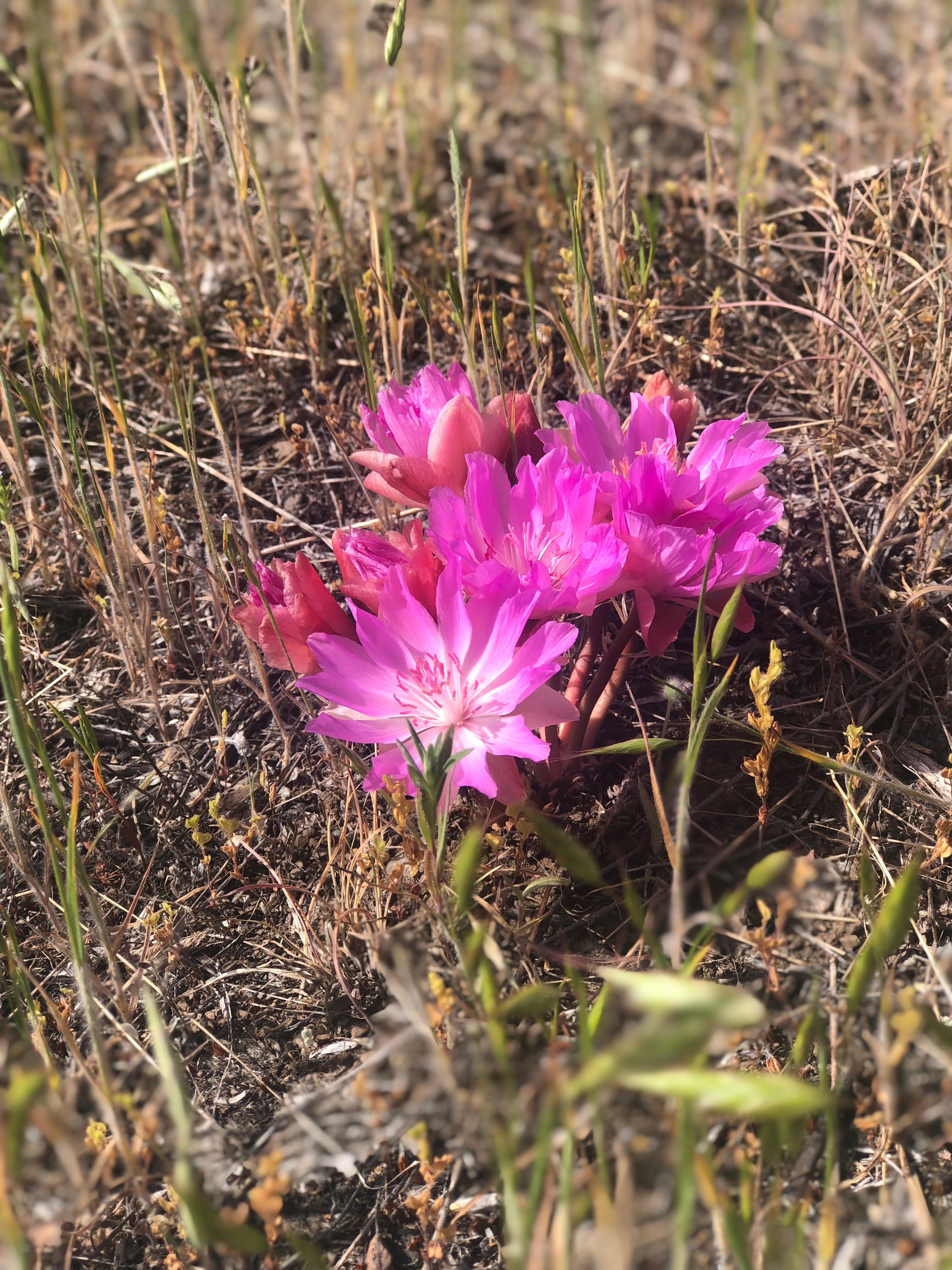
Photo: Forest Service - Northern Region / Wikimedia Commons / Public Domain
The bitterroot is the state flower of Montana, and its historical significance cannot be overstated. For the Salish, Kootenai, and Shoshone peoples, the return of the bitterroot signaled the survival of another winter. The plant is a master of endurance, growing in rocky, unforgiving soils where little else thrives. It produces a stunning pink flower that seems to sit directly on the gravel. The roots must be dug in the early spring, before the plant flowers, when the outer rind slips off easily. Once the flower appears, the root becomes impossibly bitter.
Harvest Window: April through May, strictly before flowering. Habitat: Dry, rocky slopes and gravelly soils in western and southwestern Montana. Access Rules: Allowed on BLM and National Forest lands for personal use. Because it is the state flower and holds deep cultural significance, harvest with extreme restraint and reverence.
The Common Camas
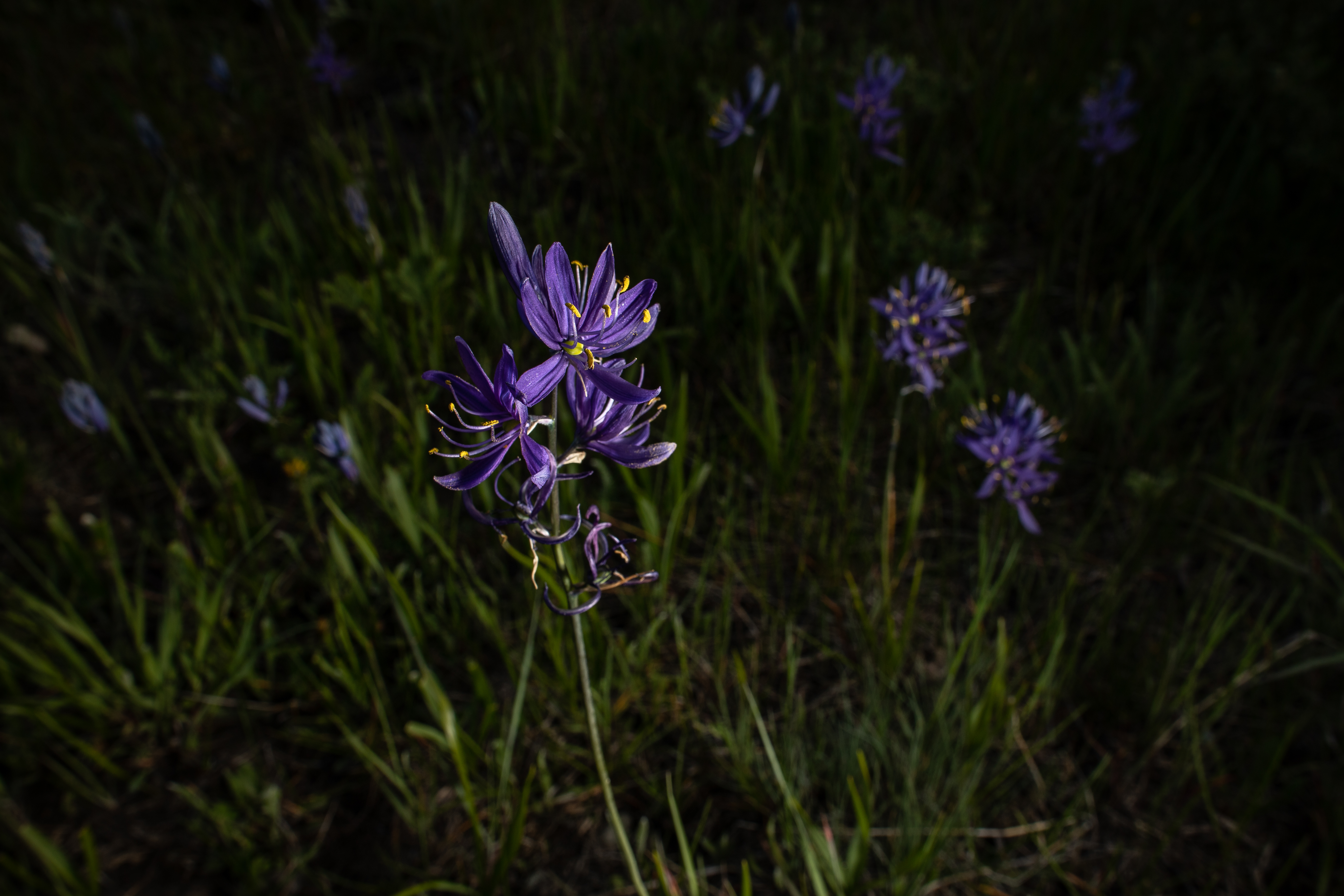
Photo: GlacierNPS / Wikimedia Commons / Public Domain
The camas bulb was a staple carbohydrate of the region, historically pit-roasted for days until the starches converted into sweet, dark sugars. The plant favors wet meadows and prairies, turning entire valleys a striking shade of blue when in bloom. Critical warning: The common camas shares its habitat with the death camas (Anticlea elegans), which is violently toxic. The bulbs look identical. You must only harvest camas when the blue flowers are visibly blooming, ensuring you are not digging the white-flowered death camas.
Harvest Window: April through June, only during active blooming. Habitat: Wet meadows and prairies, particularly in western Montana. Access Rules: Allowed on National Forest and BLM lands. Harvest only what you need, and leave the smaller bulbs to mature.
Look-alike warnings
Never eat a wild plant or mushroom unless you are certain of the identification. Death camas mimics edible camas before flowering; false morels can resemble true morels; death-cap buttons can look like young puffballs; water hemlock and poison hemlock kill. When in doubt, leave it.
Avoid: Death camas
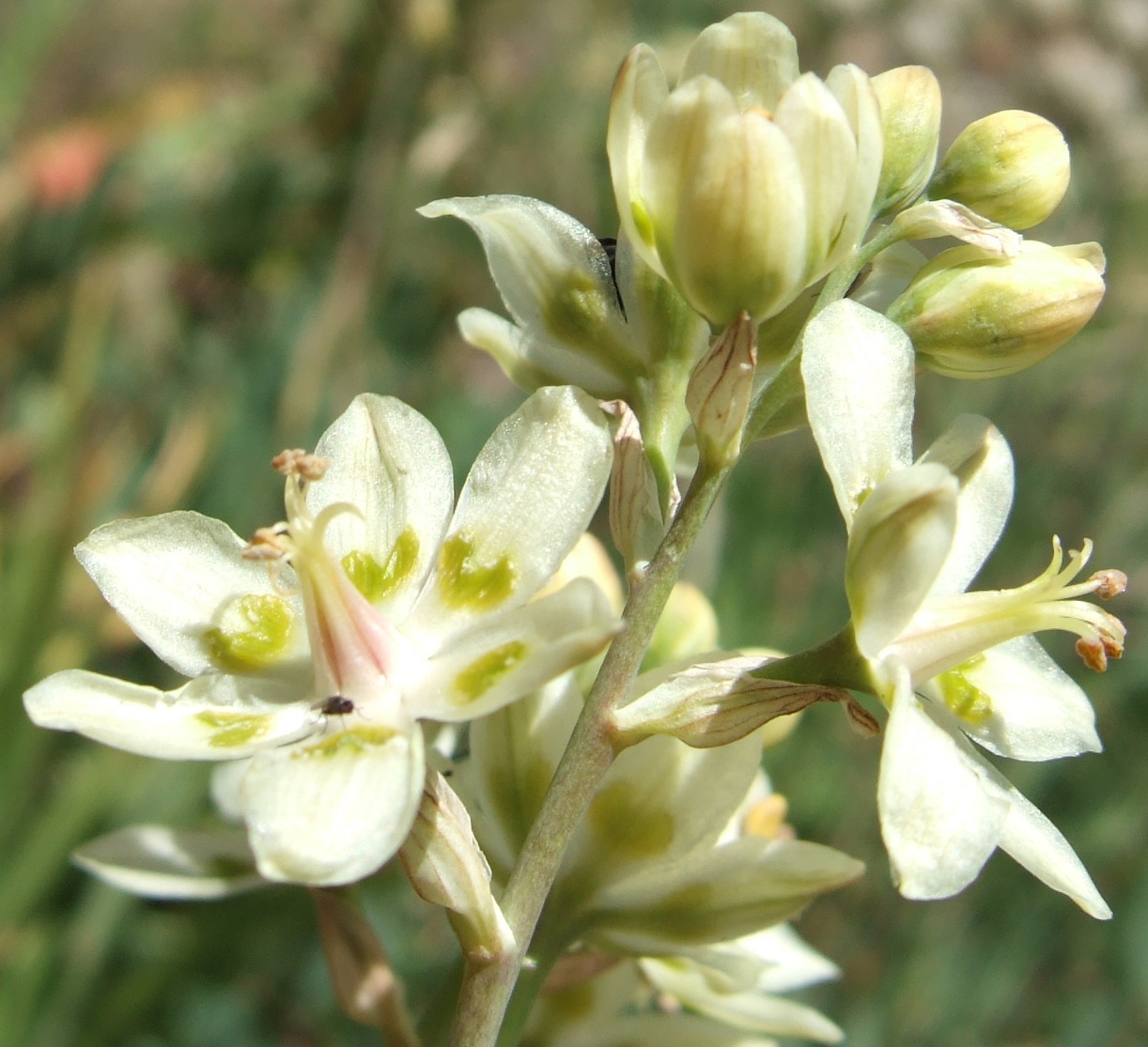
Photo: Adam Humphreys / Wikimedia Commons / CC BY-SA 3.0
Avoid: False morel
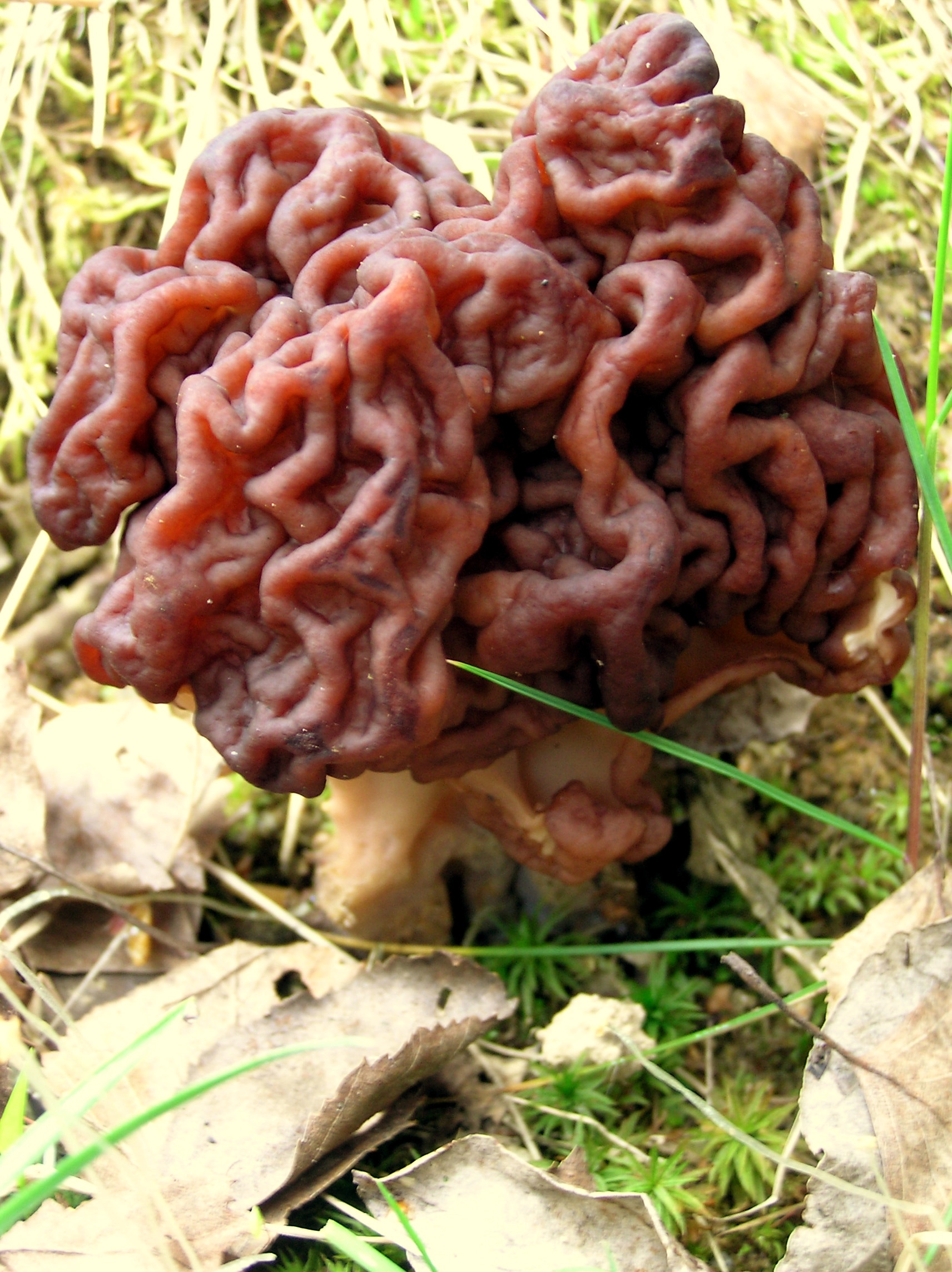
Photo: Severine Meißner / Wikimedia Commons / CC BY-SA 3.0
Avoid: Water hemlock
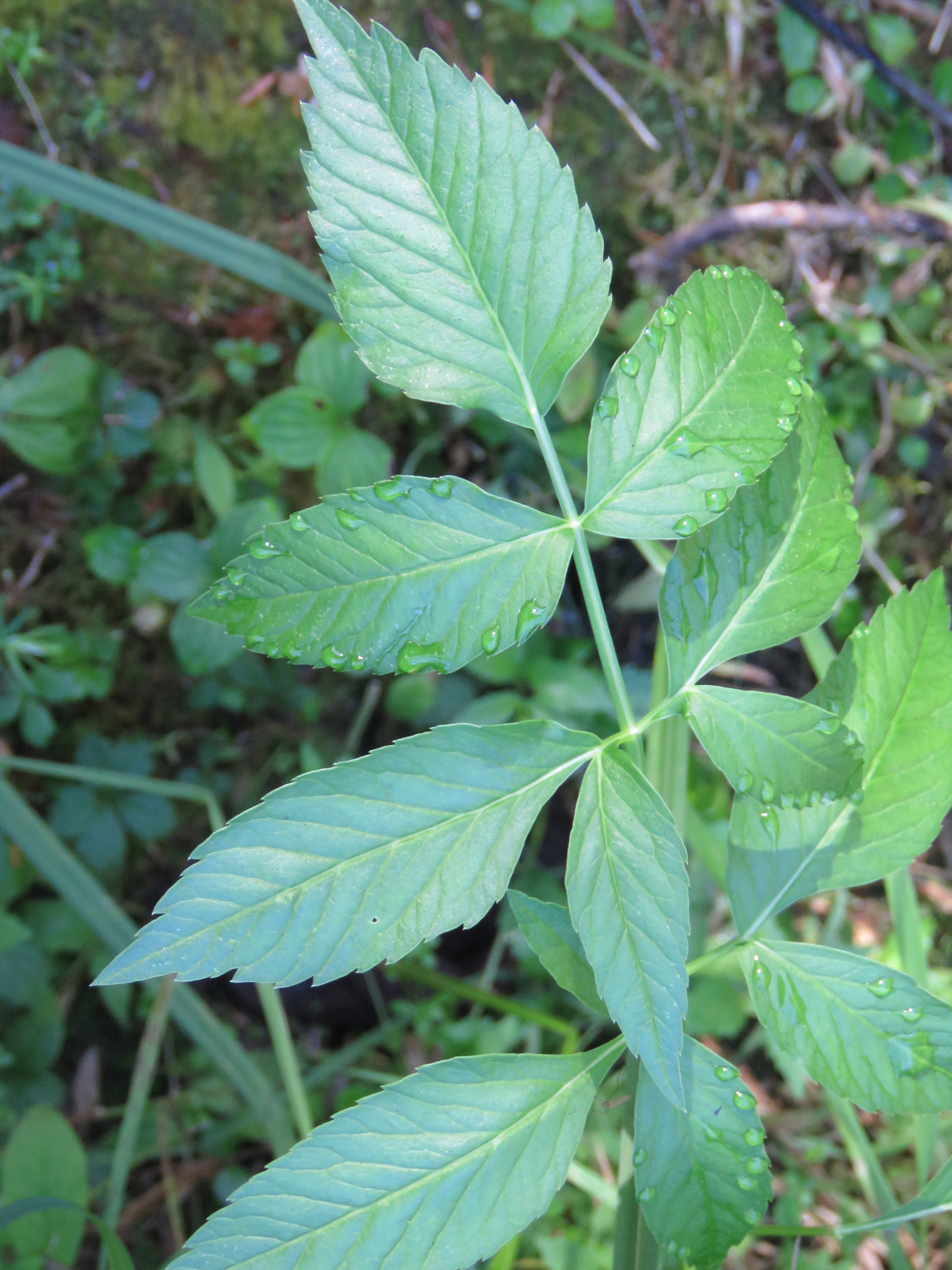
Photo: Erin Springinotic / iNaturalist / CC0 1.0 Universal Public Domain Dedication
Avoid: Death Cap
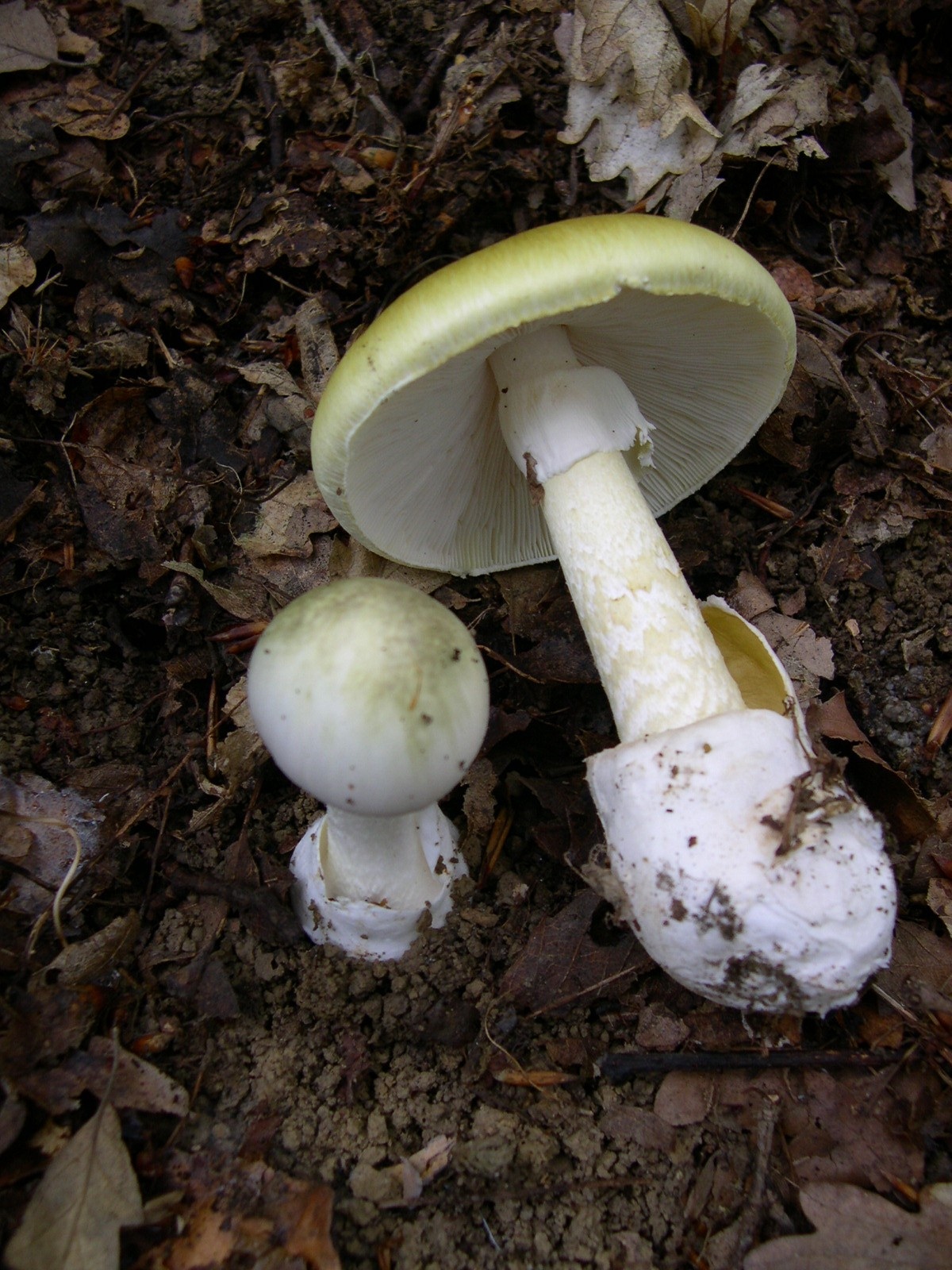
Photo: Archenzo / Wikimedia Commons / CC BY-SA 3.0
Visitor Access
- Nearest town: Hamilton
- Focus: Berries
- Access: USFS personal-use limits apply. Recent burn areas may have hazard-tree closures—check the Darby or Stevensville Ranger District before entering charred stands. Harvest bitterroot with extreme restraint; it is Montana’s state flower.
- Legal reminder: National Parks and Montana State Parks prohibit foraging. Tribal lands require permission. USFS personal use is often capped at five gallons per day—confirm with the local ranger district.
- Safety: Carry bear spray in berry and burn country. This guide is informational, not a substitute for field guides or local expertise.