In the wet northwest corner, the Kootenai’s cottonwood bottoms and dense conifer understories offer oyster mushrooms, thimbleberries, and late-season huckleberries.
Map pins mark public-land access hubs—not secret patches. Walk in with restraint, know look-alikes, and forage with restraint.
The Yellow Morel
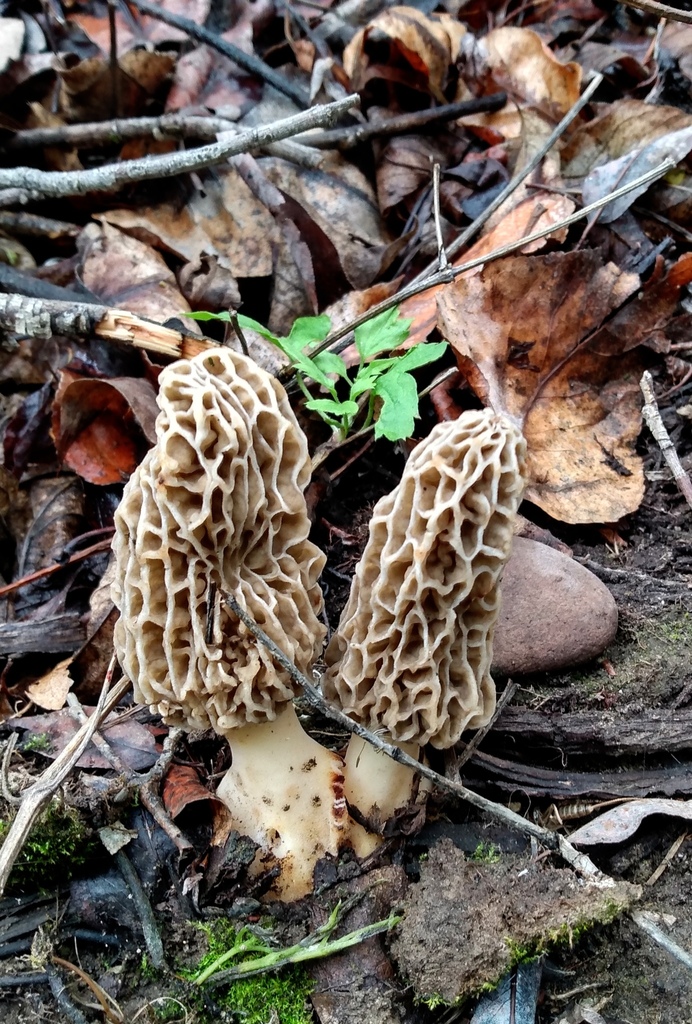
Photo: John Powers / iNaturalist / CC BY 4.0
The yellow morel is the first great prize of the foraging year. It emerges in the warming days of May and June, primarily in the rich, loamy soils of river bottoms. Look for them beneath the towering eastern cottonwoods along the Missouri, the Yellowstone, and the Clark Fork rivers. The old local wisdom suggests waiting until the lilac leaves have unfurled to the size of a rabbit's ear. The yellow morel has a honeycomb cap that is attached continuously to the stem, a critical detail that distinguishes it from toxic lookalikes.
Harvest Window: May through June. Habitat: Riparian zones, cottonwood bottoms, and old apple orchards. Access Rules: Abundant on BLM lands along the Missouri River and in National Forest riparian zones. Limit of five gallons per day for personal use on USFS land. State parks and National Parks are strictly off limits.
The Huckleberry
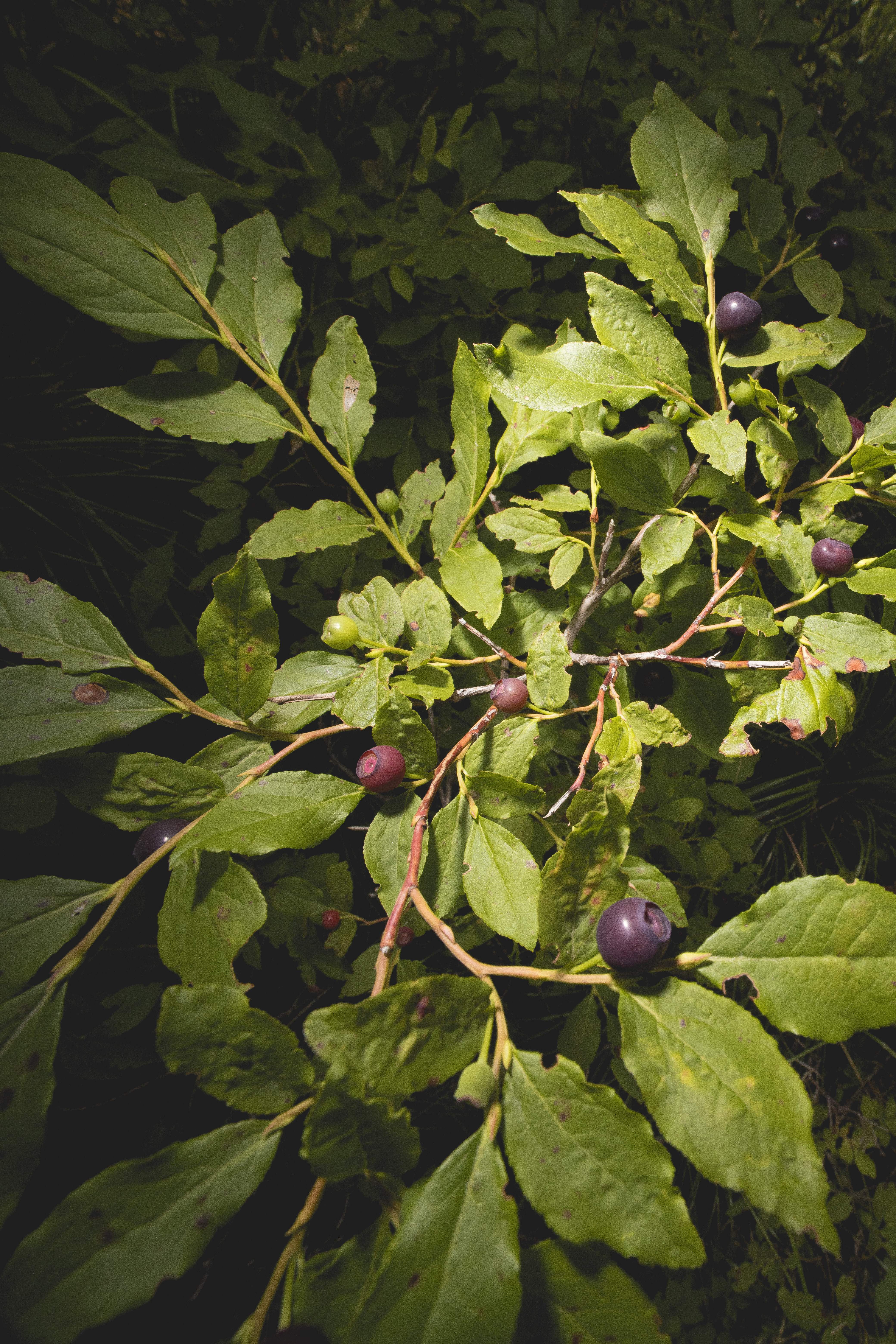
Dani.j.lombardi / Wikimedia Commons / CC BY-SA 4.0
The huckleberry is the undisputed monarch of Montana wild fruits. It is the state fruit, and its harvest is treated with near-religious devotion. The bushes thrive in the acidic soils of subalpine forests, particularly in the northwestern ranges. The berries are dark purple to black, tart, and deeply flavorful. Because they resist commercial cultivation, every huckleberry you eat must be gathered by hand from the wild. This draws intense competition, not just from humans, but from black and grizzly bears who rely on the berries to build winter fat.
Harvest Window: Mid-July at lower elevations, extending through August and into September at higher altitudes. Habitat: Subalpine slopes between 4,000 and 7,000 feet, particularly in the Flathead, Kootenai, and Bitterroot National Forests. Access Rules: Allowed on National Forest lands. Harvesters must carry bear spray and make noise, as these patches are prime grizzly habitat.
The Rainbow Chanterelle
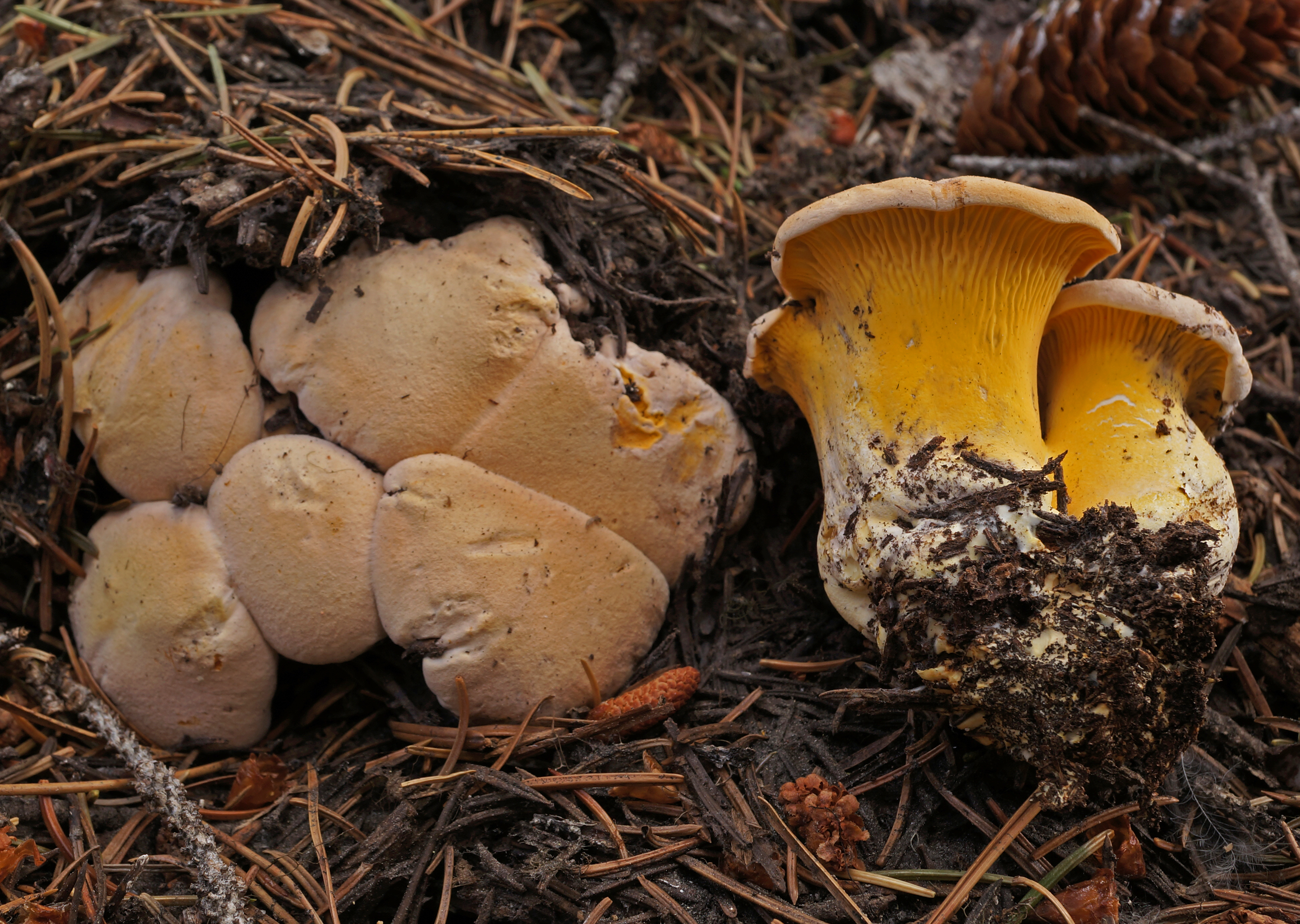
Photo: Sava Krstic (sava) / Mushroom Observer / CC BY-SA 3.0
As the heat of summer breaks and the late August rains begin to fall, the rainbow chanterelle makes its appearance. This is a mushroom of the deep, damp conifer forests, particularly in the northwestern corner of the state. They glow like scattered gold coins against the dark green moss under Douglas fir and Engelmann spruce. They smell faintly of apricots and have blunt, forked ridges running down their stems rather than true, sharp gills.
Harvest Window: Late August through September. Habitat: Mature conifer forests, particularly in the Flathead, Kootenai, and Lolo National Forests. Access Rules: Allowed on National Forest lands under personal use limits. Commercial harvesting is heavily regulated and requires a paid permit.
The Oregon Grape
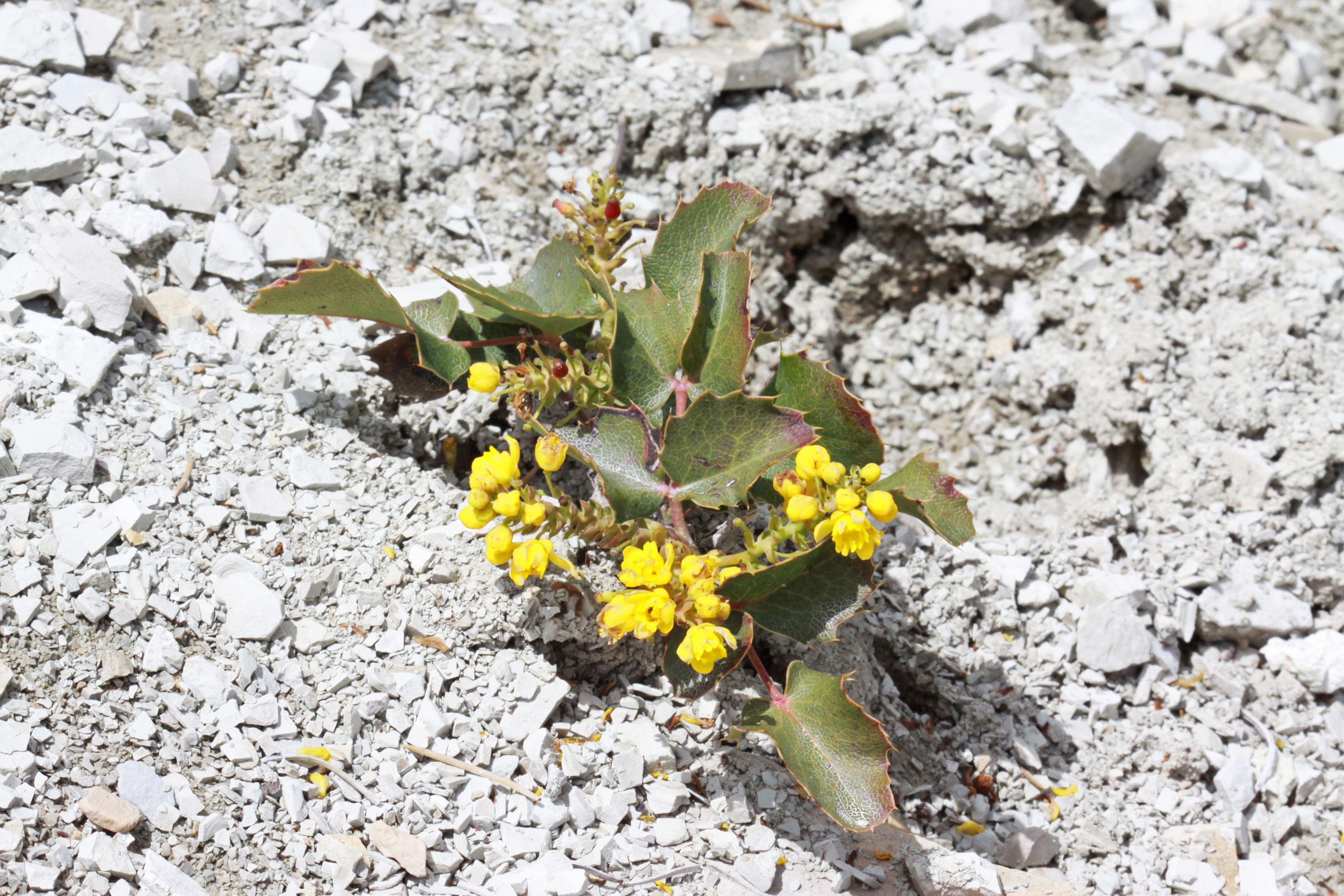
Andrey Zharkikh / Wikimedia Commons / CC BY 2.0
This low-growing, creeping evergreen shrub is named for its holly-like leaves, not its fruit. In late summer, it produces clusters of dusty blue berries. Like the chokecherry, the Oregon grape is sharply tart and is best utilized for jellies or mixed with sweeter fruits. The bright yellow roots of the plant also have a long history of medicinal use.
Harvest Window: September through October. Habitat: Dry forest understories, often growing beneath ponderosa pines. Access Rules: Widely available on National Forest and BLM lands. Allowed for personal use.
Wild Onions and Chives
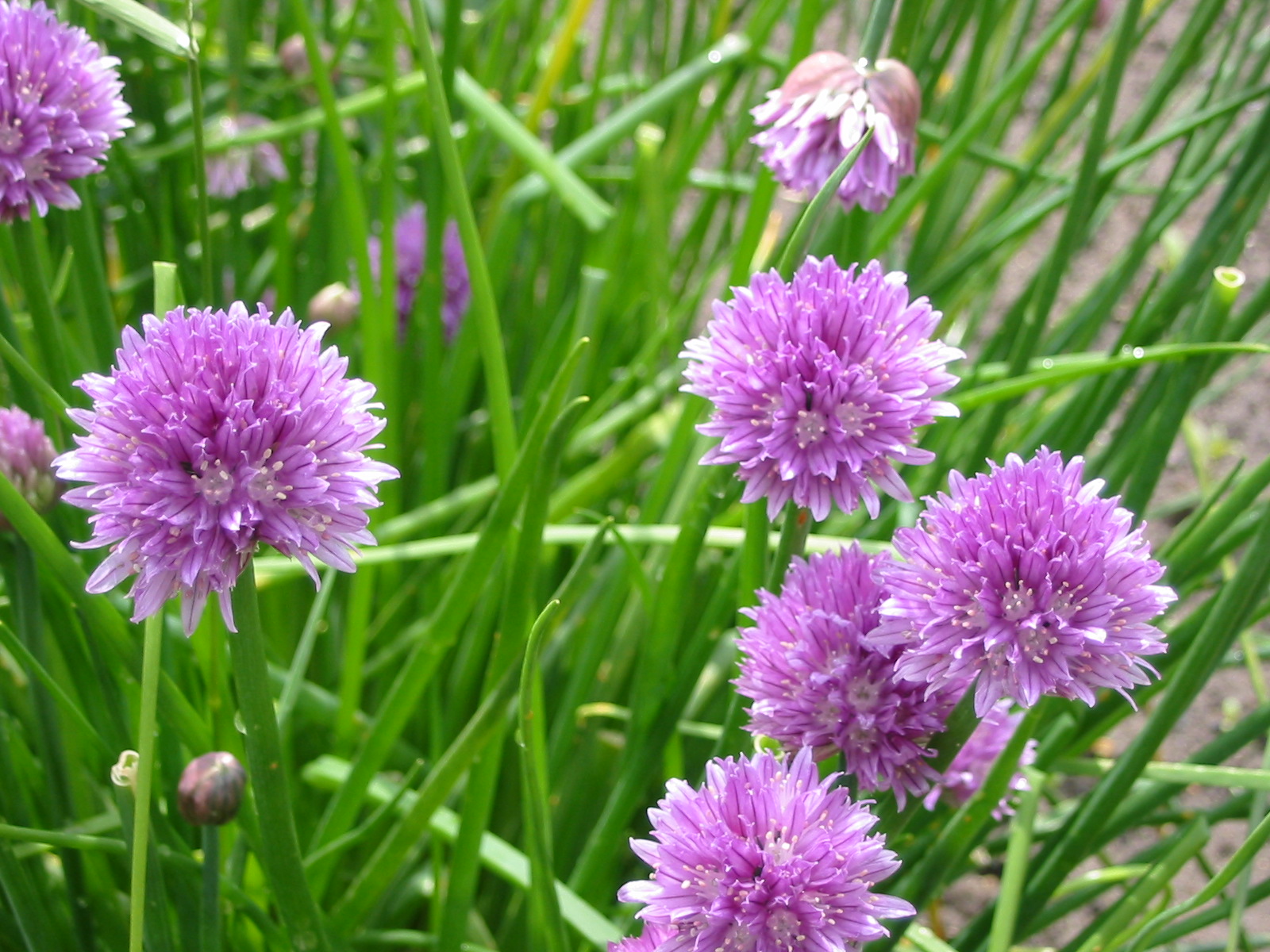
Donar Reiskoffer / Wikimedia Commons / CC BY 3.0
Several species of wild alliums grow across Montana, from the nodding onion (Allium cernuum) on dry, south-facing slopes to wild chives (Allium schoenoprasum) along wet riverbanks. The entire plant is edible and carries a sharp, pungent flavor. The crucial identification rule for any wild allium is the smell. If it looks like an onion but does not smell unmistakably like an onion or garlic, do not eat it. It could be the deadly death camas in its pre-flowering stage.
Harvest Window: Spring through mid-summer. Habitat: Varies by species; dry slopes to wet meadows. Access Rules: Allowed on BLM and National Forest lands. Harvest selectively, taking only a few plants from any given cluster.
The Medicinal Plants
Look-alike warnings
Never eat a wild plant or mushroom unless you are certain of the identification. Death camas mimics edible camas before flowering; false morels can resemble true morels; death-cap buttons can look like young puffballs; water hemlock and poison hemlock kill. When in doubt, leave it.
Avoid: Death camas
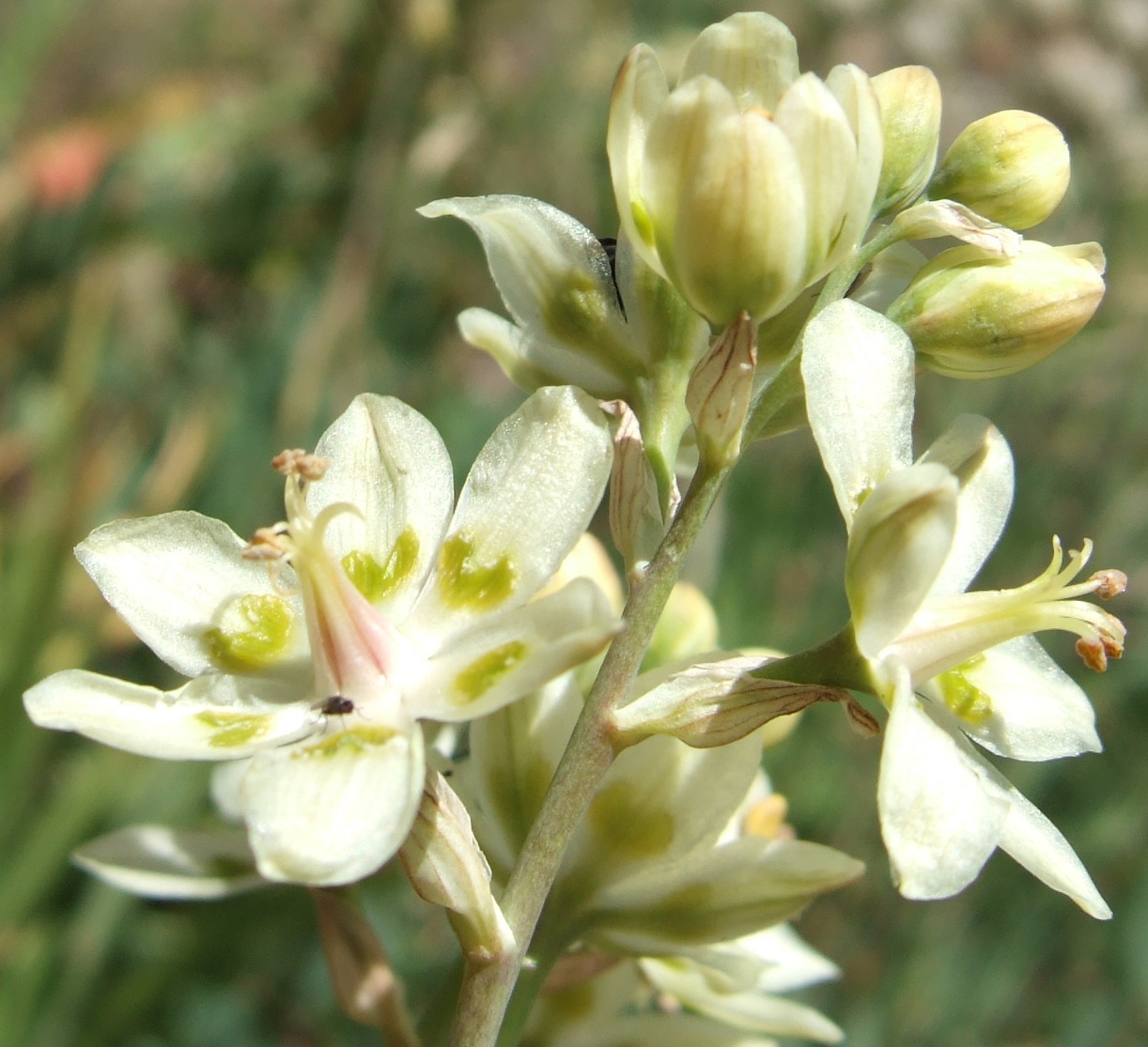
Photo: Adam Humphreys / Wikimedia Commons / CC BY-SA 3.0
Avoid: False morel
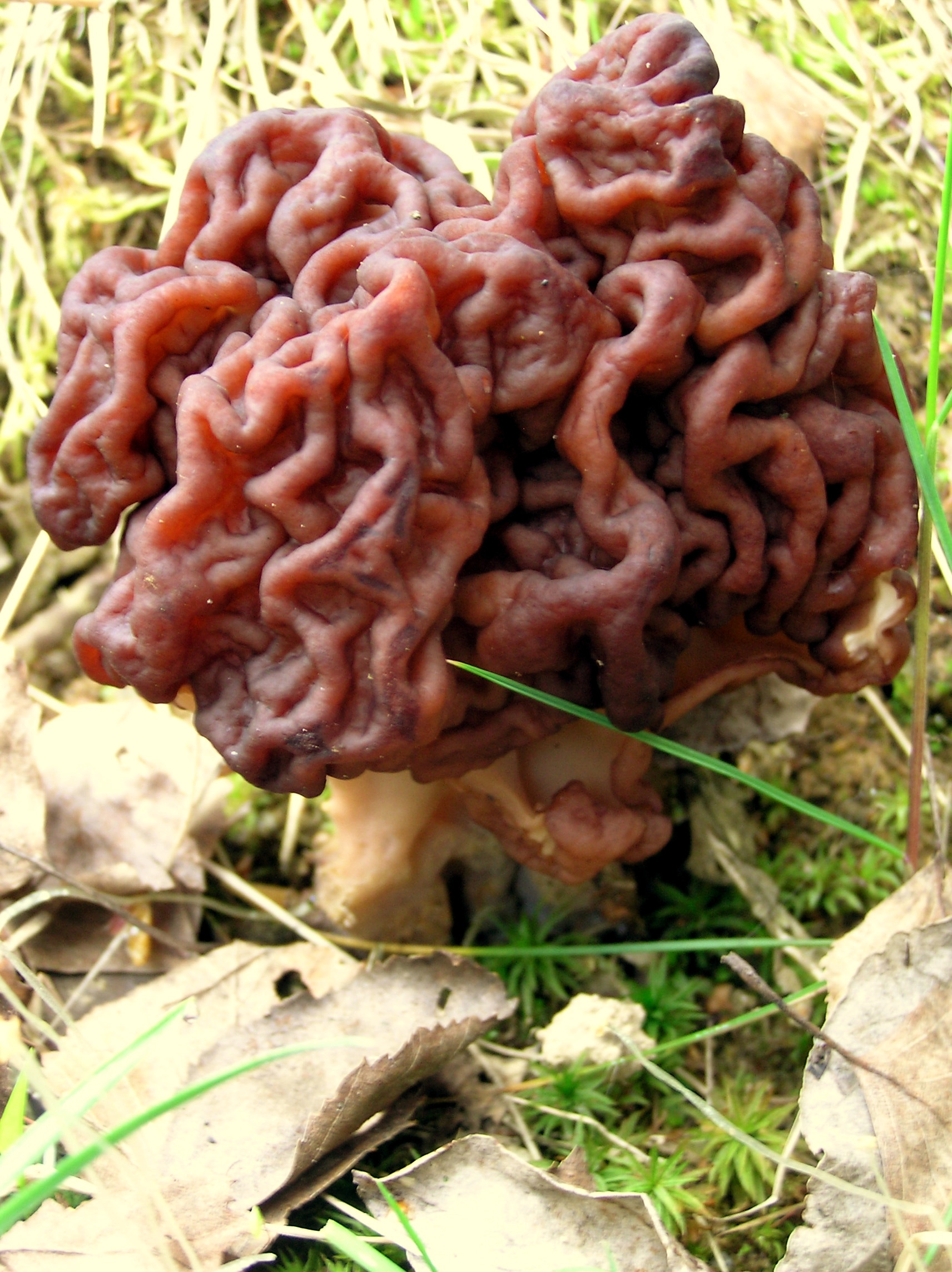
Photo: Severine Meißner / Wikimedia Commons / CC BY-SA 3.0
Avoid: Water hemlock
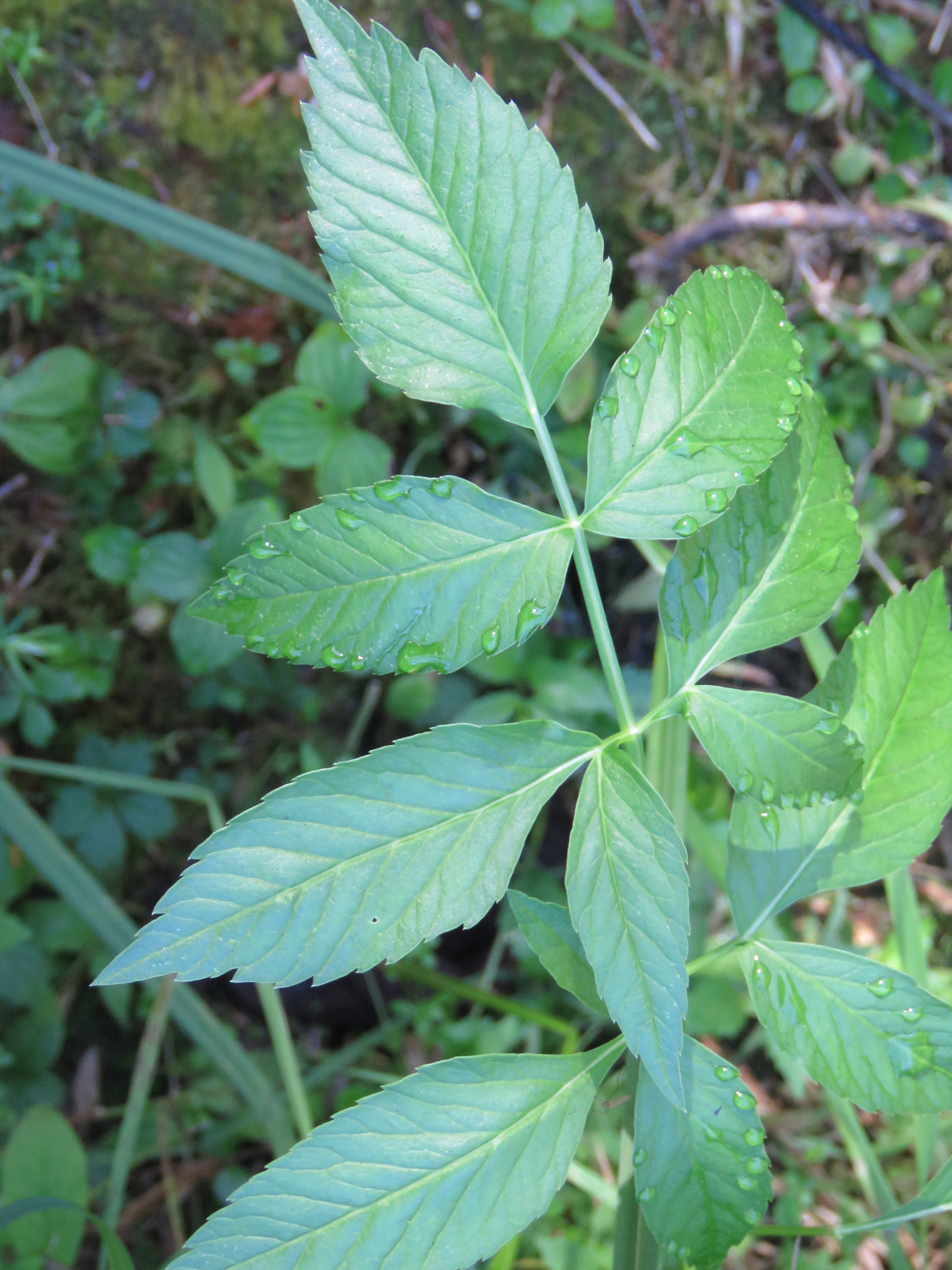
Photo: Erin Springinotic / iNaturalist / CC0 1.0 Universal Public Domain Dedication
Avoid: Death Cap
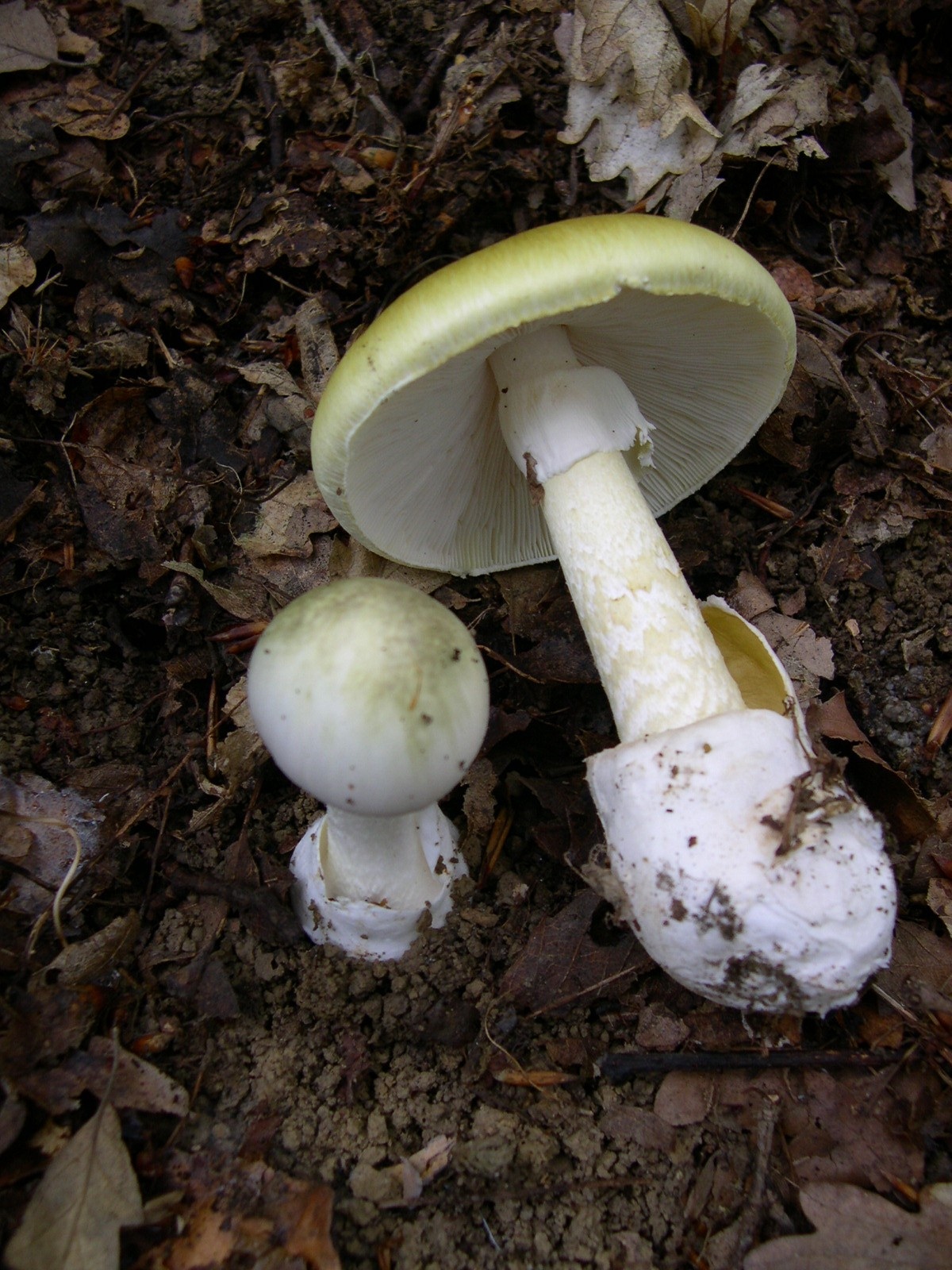
Photo: Archenzo / Wikimedia Commons / CC BY-SA 3.0
Visitor Access
- Nearest town: Libby
- Focus: Mixed Harvest
- Access: USFS personal-use rules apply. Contact the Libby or Three Rivers Ranger District for current commercial-permit and closure notices. Tribal lands require separate permission.
- Legal reminder: National Parks and Montana State Parks prohibit foraging. Tribal lands require permission. USFS personal use is often capped at five gallons per day—confirm with the local ranger district.
- Safety: Carry bear spray in berry and burn country. This guide is informational, not a substitute for field guides or local expertise.