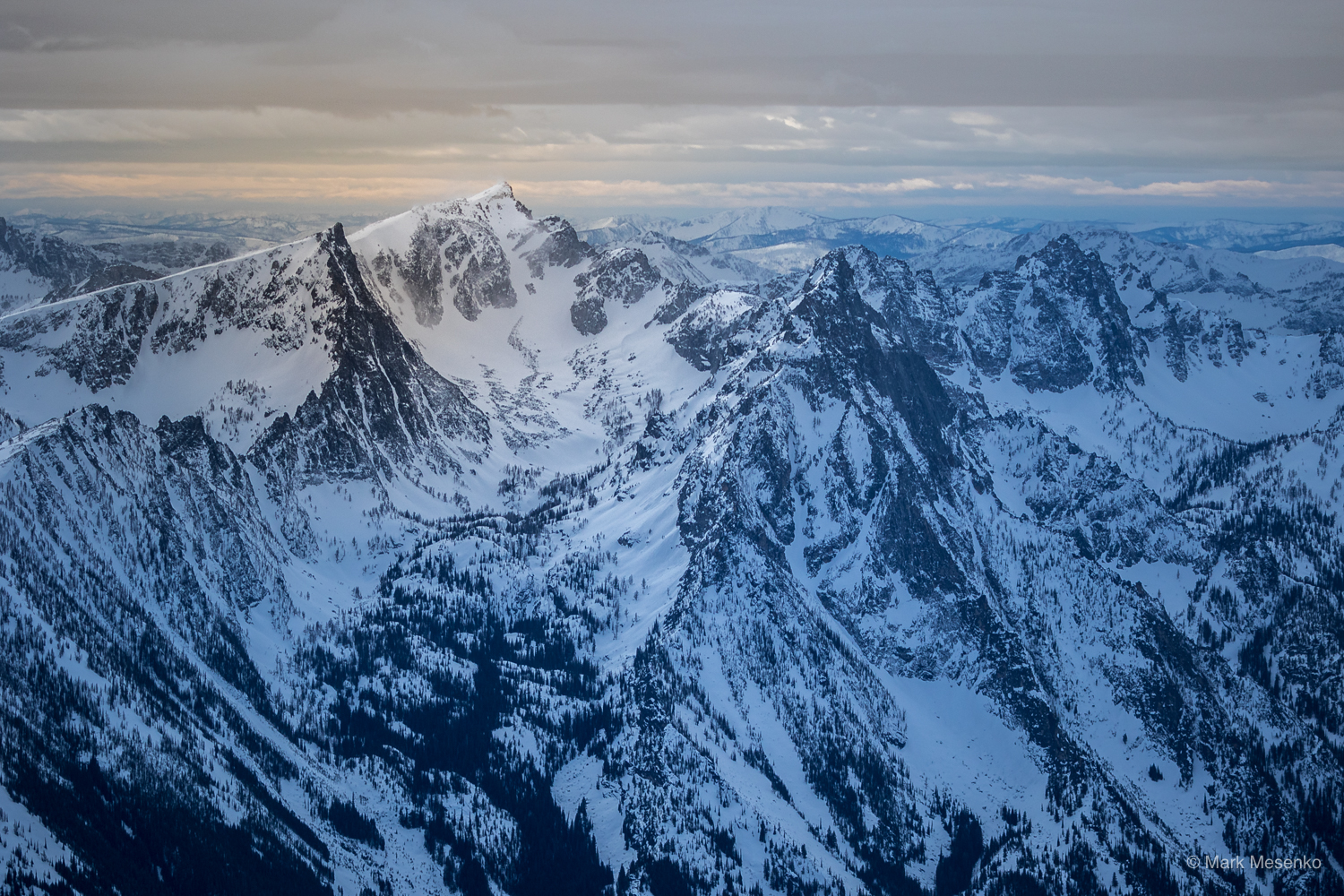
Stevensville - Scenic View

Stevensville

Montana's First Settlement

Quick Facts
Population
1,337
County
Ravalli County
Region
Western Montana
Elevation
3,317 ft
Top Industry
Education & Healthcare
Nearest Hospital
Bitterroot Health - Daly Hospital (18.5 mi)
Zip Code
59870
Area Code
406
Time Zone
Mountain Time (MT)
Industry: Census ACS 5-Year 2019–2023 · Hospital: MT DPHHS 2024
Current Weather
Loading current weather...
Airport Distances

Nearest Major Airports

✈️ Missoula (MSO)
34 miles
~48m drive
✈️ Butte (BTM)
103 miles
~1h 57m drive
✈️ Helena (HLN)
121 miles
~2h 15m drive

Map & Nearby

Explore Stevensville on the interactive map with 3 nearby towns and 60 highlighted recreation sites. Use the zoom controls or select a recreation item to focus it on the map.

Open Area in Google Maps
Loading map...
Outdoor Recreation Near Stevensville

Outdoor Recreation Near Stevensville

Jump to map →
9.7/10
World-Class
238 sites within 30 mi
18 categories

Distances are straight-line estimates. Driving distances may be longer. Data: OpenStreetMap contributors & editorial research.

History & Heritage

History & Heritage

Stevensville's story begins with the Salish (Flathead) Native Americans, who called the fertile Bitterroot Valley home for generations before European contact. The pivotal moment in the town's history came in 1841, when Jesuit priest Father Pierre-Jean De Smet established St. Mary's Mission at the request of the Salish people, creating what would become Montana's first permanent non-Indigenous settlement. The mission introduced agriculture to the region, including Montana's first cattle herd and the state's first harvest of wheat and oats. In 1850, Major John Owen purchased the abandoned mission site and established Fort Owen, a vital trading post that served as a lifeline for early settlers. The town was officially named Stevensville in 1864, honoring territorial governor Isaac Stevens. When the Salish were forcibly removed to the Flathead Reservation in 1891, it marked a tragic chapter in the area's history. Throughout the late 19th and early 20th centuries, Stevensville grew as a center for agriculture, logging, and commerce, with the arrival of the railroad in 1888 further connecting this frontier outpost to the wider world. Today, the town proudly preserves its historic buildings and cultural heritage, offering visitors a genuine glimpse into Montana's pioneering past while maintaining its authentic small-town character. Stevensville was Ravalli County's initial county seat (1893) until Hamilton won the role in 1898. Glacier Tool and Montana Fabrication Works provide precision machining and metal fabrication. SemiLink Materials announced a $20 million facility in 2025.


Official historic markers tied to Stevensville in our statewide dataset. Expand the list to read inscriptions and follow links to full pages or deep reads where available. Browse Ravalli County on the map · History trails

Historic markers in Stevensville (16)tap to expand
"Removal" of Salish from Bitterroot Valley, 1855-1891Deep Read

In the Hellgate Treaty negotiations (1855), Xwetxxcln (Plenty Horses or chief Victor) and the Selíš people rebuffed efforts of US officials to get them to abandon the choice lands of their ancestral Bitterroot Valley. After Xwetxxcln died, settlers successfully lobbied President Grant to declare the Flathead Reservation "better adapted to the wants of the Flathead tribe" in 1872. Congress sent future President Garfield to arrange for the removal of the Selíš. Stmxé Owoxqeys (Claw of Small Grizzly or Chief Chariot) said the Bitterroot was where the bones of his ancestors were buried, and he would not leave, but his "x" mark was forged onto the Garfield agreement. More whites moved illegally onto Selíš lands, and pressures intensified with construction of the Missoula & Bitter Root Valley Railroad in 1888. In November 1889, faced with the worsening condition for his people, Stmxé Owoxqeys finally agreed to leave. The Selíš therefore planted no crops, but Congress delayed funding for removal for two years, pushing many people to the brink of starvation. Finally, in October 1891, General Henry Carrington and troops from Fort Missoula roughly pushed the tribe on the sad march north to the Reservation. The Government reneged on the promised aid for relocation, but the Selíš nevertheless managed to rebuild their lives in the Jocko Valley.

Erected by Montana Department of Transportation.

An Ancient Cultural Landscape

From time immemorial, the Bitterroot Valley has been a central part of the aboriginal territory of the Salish people. Although the tribe is now based on the Flathead Indian Reservation north of Missoula, the Bitterroot remains a place of great importance to them. Salish place names offer a powerful way of understanding the tribal relationship to the land. Some place names describe the physical features of a place, or the resources that were abundant there. Others refer back to the stories of Coyote and the creation of the world at the beginning of human time. These ancient names testify to the sustainable tribal presence in the landscape reaching back thousands of years.

Erected by Montana Department of Transportation.

Calvin and Magdalene Cook House

Calvin and Magdalene Cook came to Montana from Kansas in 1880 and settled near Stevensville. Like many early settlers, the Cooks’ intent was to farm. After more than a decade of farming, however, business opportunities in Stevensville beckoned and the family moved to town. In 1894, Calvin opened a transfer business, and in 1899 the Cooks became owners and managers of the Stevensville Hotel. Calvin added merchandising to his list of interests as partner in the Stevensville Trading Company. In 1910, the Cooks made plans to build a new home that would reflect their hard-earned success. Local architect Warren Roscoe Rodgers drew the plans for this beautiful residence, which provides a model example of the transition from Queen Anne to Classical Revival styles. Asymmetry of the roof line, ornate porch railings, and a two-story front bay reveal lingering Queen Anne elements fashionable in the late 1800s. A simple floor plan, classical Tuscan columns, and projecting portico reflect the emerging Revival style. Rodgers’ skillful use of concrete block, visible throughout Stevensville, is evident in the home’s decorative concrete block foundation. The residence passed to daughter Cora and husband John Emerson in 1930. It has since remained in the Cook family, a well-preserved, lasting tribute to these early settlers who put down roots in Montana.

Erected by Montana Historical Society.

Denayer House

The DeNayer House is a fine example of transitional Queen Anne/Colonial Revival style architecture. The combination hipped and gabled roof and irregular floorplan are characteristic of the Queen Anne style while corner pilasters and clapboard siding clearly reveal transitional Colonial Revival style elements. In February of 1899, Dr. J. B. “Doc” DeNayer returned to Stevensville with his family to reopen his water-powered sawmill on the west side of the Bitterroot River. DeNayer’s wife, Julia, purchased these lots in 1899 and hired G. L. Martin, a local contractor, to build this residence. Construction began the following spring and the DeNayers moved into their fine new home in August, 1900. Two years later the DeNayers built a second residence just north of their home. In 1907, Mrs. DeNayer exchanged these properties for a business building owned by H. F. Hooper and planned to open a restaurant. The property changed hands several times until 1918, when Dr. William P. Reynolds bought the home. Reynolds and his wife, Winifred, were both medical doctors whose commendatory reputations were based, not only upon medical skills, but also upon their benevolent care, “…serving anyone, any time, and they were never overly concerned about a patient’s ability to pay.” The home remained in the Reynolds family until 1950. Over the years the residence suffered insensitive alterations, including removal of the original porch, removal of the bay window area on the first floor, and replacement of the wood shake roof with heavy asphalt shingles. Major restoration conducted during the early 1990s returned this marvelous home to its former place of honor on Main Street.

Erected by Montana Historical Society.

First Baptist Church

The Stevensville Baptist congregation first organized as the Etna Baptist Church of Christ at the nearby Etna schoolhouse in 1882. In 1884, the growing membership purchased land in Stevensville and hired talented Missoula architect Thomas W. Longstaff to draw the plans for a church. The building, completed in 1886 at a cost of $2,904.39, is an excellent example of architect Longstaff’s adaptation of the Stick Style. Clapboard siding with decorative vertical, horizontal, and diagonal accents characterize this style, uncommon in Montana. The angles created through external ornamentation are intended to mimic the building’s structural skeleton. The classical symmetry of the floor plan and window placement, lavish Queen Anne style details including fish-scale shingling and beautiful stained glass, and the stick ornamentation blend to produce a statement of surprising elegance for a modest rural church. By 1887, all building expenses had been paid and the congregation had bought an organ. The church included Sunday school and baptismal services in the Bitterroot River. The bell, purchased by the membership from Sears Roebuck for eight dollars, was installed in the square bell tower in 1901. This architectural landmark, important for its association with one of Montana’s most respected architects, is equally significant for its long service as the religious and social center of the local Baptist community.

Erected by Montana Historical Society.

First State Bank Building

The First State Bank Building was built on the site of the first Ravalli County Courthouse.

It is a well-preserved example of the classical-revival commercial style of early 20th century architecture.

The First State Bank significantly contributed to the prosperity of the local farming community.

Organized at the time of growth, the First State Bank building is an enduring symbol of long-term community stability.

Erected by Stevensville Main Street Association.

Fort Owen State MonumentDeep Read

Fort Owen’s log and adobe walls witnessed dramatic changes as the Bitterroot Valley emerged from remote wilderness to settled agricultural community. The Jesuit fathers who had established St. Mary’s Mission nearby in 1841 closed their doors in 1850, and trader John Owen purchased the property. Owen operated and expanded St. Mary’s mills, cultivated the fields, enlarged the fort, and kept a well-stocked trade room, thereby transforming the mission compound into a vibrant trading post complex. A man of many talents, Owen also served as agent to the Flathead Nation from 1856 to 1862, and for a time the fort was agency headquarters. Owen and his Shoshone wife, Nancy, created a refined and comfortable haven in the vast timberland, extending gracious hospitality to Indians, traders, trappers, missionaries, settlers, and travelers. With the 1860s came gold-seekers and a fresh clientele, but the newly completed Mullan Road by-passed For Owen and trading dwindled. Upon Nancy’s death in 1868, Owen’s mental health deteriorated. In 1872, Fort Owen was sold at sheriff’s sale to Washington J. McCormick, who operated the fort’s mills until 1889. In 1937, the Fort Owen site was donated to the State of Montana, and the donors sponsored stabilization and partial reconstruction of its sole remaining building, the East Barracks. Archaeological investigations initiated in 1957 by the University of Montana continued through 1980, exposing the fort’s walls and foundations. Since 1971, the Stevensville Historical Society has been instrumental in interpretive reconstruction, continued stabilization, and maintenance of this noteworthy site.

Erected by Montana Historical Society.

Gleason Building

When the Gleason Building was built on the southeast corner of Main and 2nd Street, a furniture store was an opportune investment.

The Gleason Furniture Company occupied the first floor of this building.

Later in the 1920s, the upper floor served as a hotel and the lower floor was split into two areas, to house the Gleason Cash & Carry store and the town's public library.

Erected by Stevensville Main Street Association.

Henry Buck/Stevensville Trading Co

The Henry Buck/Stevensville Trading Co. was constructed in response to the rapid influx of people putting down roots in the Bitterroot Valley during the homestead and apple boom eras.

Large general merchandise stores were in great demand at this time.

This building thrived into the mid-1920s. It evolved into the Framer's Cooperative Store and later into a series of department stores.

Erected by Stevensville Main Street Association.

Hunter Building

The is one of the first and oldest brick buildings in town.

In 1893 the Hunter Building was used as a saloon. Due to the Temperance movement in the early 1900s the saloon's license was revoked.

After this time it went through a series of businesses from a dressmaking shop to a barber ship then a carriage painting shop and upholstering establishment. It was also a general merchandise store and briefly a harness shop.

Erected by Stevensville Main Street Association.

IOOF Hall

The Independent Order of Odd Fellows building was built during the period of optimism and growth in Stevensville.

The IOOF Hall played a significant humanitarian and social roll in the community.

The upper level was used for their lodge meetings and the lower level housed a popular stage theater in the 1920s.

The brick work and the details exhibit the fine craftsmanship common to the time period.

Erected by Stevensville Main Street Association.

Architectureculture
Porter & Buck Building

The Porter & Buck Building thrived as a grocery store until 1922.

Porter and Buck Brothers served the growing population settling in the Bitterroot Valley.

Beautiful glass tiles accent the transom and give it an artistic flair.

The tiles are original to the 1910 construction and were manufactured by the American 3-way Prism Company of Chicago.

Erected by Stevensville Main Street Association.

ArchitectureIndustry
Saint Mary's Mission

Established in 1841 by Pierre DeSmet, S.J., in response to requests for Black Robes by four separate delegations sent by Flathead and Nez Perce tribes to St. Louis. Fr. DeSmet and his party erected Montana's first church immediately west on the bank of the Bitter Root River. They planted the first garden and harvested the first wheat and oats, practiced first irrigation, bred first livestock, taught first classes and organized the first musical band. St. Mary's was the site of the first flour and lumber mills.

Fr. Ravalli, Montana's beloved priest-physician-artist-sculptor-architect, for whom this county is named, was assigned to St.Mary's during 1845-1850 and 1866 until his death in 1884. He rests in the cemetery west of the chapel.

St. Mary's ceased to be an Indian mission in 1891, when the Flathead-Salish were forced to remove to a reservation. The chapel served as a church for settlers until 1954, when a new church was built and the mission became a historic site.

Native Americanreligion
St. Mary's Mission Historic DistrictDeep Read

Jesuit priests and lay brothers founded St. Mary’s Mission—the first mission in the Northwest—near this site in 1841. The Jesuits closed the mission in 1850, returning in 1866. For the next quarter century, they helped the Salish adapt from hunting to farming as the buffalo disappeared. The priests helped support and advocate for the Salish people and provided medical services and spiritual guidance to both Indians and whites. When the U.S. government forced the impoverished Salish to leave their beloved Bitterroot Valley for the Flathead Reservation in 1891, St. Mary’s closed. An influx of homesteaders prompted the creation of St. Mary’s Parish in 1910, and the old mission church reopened. In 1911, the Salish returned to St. Mary’s to celebrate their Bitterroot heritage, a tradition they still maintain. The historic district includes the 1866 church and pharmacy, designed by the multi-talented Father Anthony Ravalli. Ravalli, also the architect of Idaho’s famed Cataldo Mission, employed log building techniques, ingeniously adapting European ecclesiastical architecture to the remote frontier. Chief Victor’s log home and the Indian burial ground recall the Salish presence. Adjacent is St. Mary’s Cemetery and Father Ravalli’s final resting place. Two gnarled apple trees provide living evidence of the Jesuits’ agriculture. The new St. Mary’s, built in 1954 with donations from Montana and beyond, represents an unprecedented preservation effort to save the endangered mission church from deterioration through constant use. Today, St. Mary’s churches—old and new—define the historic complex as a place of significance to both Indian and white communities.

Erected by Montana Historical Society.

Thorton Building

The Thorton Building is associated with Dr. W.T, Thorton, a well-known physician in western Montana who started the Thorton Hospital on Main and 3rd Street.

This fireproof structure was originally built as a doctor's office.

Since then it has had several uses from a bakery and restaurant to a meat market and then a tailor shop.

Erected by Stevensville Main Street Association.

Industryscience
Welcome to Fort OwenDeep Read

In 1850, Major John Owen established this trading post on the original site of St. Mary's Mission. It was the first permanent white settlement in Montana, and welcomed Indian, trappers, gold seekers and settlers.

By the late 1860s, major travel routes had by-passed Fort Owen for more straegically (sic) situated trading posts near present-day Missoula. In 1871, Major Owen sold the fort and thereafter its walls and structures slowly deteriorated.

Enjoy you visit to Fort Owen. Pease leave nothing but footprints and take nothing with you but photographs and memories.

Erected by Montana State Parks.

Historic markers map

Open the interactive map filtered to Stevensville. The view zooms to the markers for this community.

Open map zoomed to Stevensville

Events & Festivals in Stevensville

We do not have featured local listings for Stevensville yet.

Montana statewide events & festivals calendar

Browse the statewide calendar for festivals, fairs, rodeos, and concerts across Montana.

View all Montana events · Where to stay in Stevensville

Stevensville, Montana: Gateway to Wilderness Adventure

Where Every Path Leads to Adventure!

Nestled in the breathtaking Bitterroot Valley, Stevensville beckons adventurers with its dramatic mountain backdrop and untamed wilderness spirit. As Montana's first permanent non-Indigenous settlement, this historic frontier town blends rugged outdoor exploration with rich cultural heritage. Here, the majestic Bitterroot Mountains create a stunning panorama that frames every experience, while pristine rivers and expansive wildlife refuges offer endless opportunities for discovery. Whether you're hiking ancient trails once traversed by the Salish people, exploring historic mission grounds, or casting a line into crystal-clear waters, Stevensville invites you to write your own Montana adventure story in a landscape where time seems to stand still and every vista promises new exploration.


Quick Facts

  • Population: 1,337 (town) / 16,082 (Stevensville Census County Division)
  • County: Ravalli County
  • Founded: 1841 (St. Mary's Mission) / 1864 (town)
  • Elevation: 3,323 ft
  • Known For: Montana's first permanent non-Indigenous settlement; St. Mary's Mission; Lee Metcalf National Wildlife Refuge
  • Nearby Landmarks: Bitterroot Mountains, Sapphire Mountains, Bitterroot River, Selway-Bitterroot Wilderness
  • Fun Fact: Stevensville was founded 48 years before Montana achieved statehood, making it truly "where Montana began." St. Mary's Mission (1841) was Montana's first permanent non-Indigenous settlement. The Etna Mutual Ditch Company (1871) was the valley's first cooperative irrigation effort. Montana's first cheese factory and creamery opened three miles south in 1895.

Notable People & Pop Culture

  • Huey Lewis – Iconic rock musician and frontman of Huey Lewis and the News who has called Stevensville home since 1987, drawn to the area's natural beauty and outdoor lifestyle.
  • Lee Metcalf – Influential U.S. Senator from Montana (1961-1978) whose conservation legacy lives on in the Lee Metcalf National Wildlife Refuge located near Stevensville.
  • "A River Runs Through It" connections – While not filmed in Stevensville specifically, this iconic Montana-based film showcases the Bitterroot River region, bringing attention to the spectacular fly fishing opportunities in the area.
  • Tyler Bradt – Whitewater kayaker raised in Stevensville; completed first descent of Palouse Falls (186 ft), setting a world record.

Top Things to Do in Stevensville

  • St. Mary's Mission & Museum – Step back in time at Montana's first permanent settlement, exploring the restored chapel, pharmacy, and living quarters where Father Pierre-Jean De Smet established the mission in 1841.
  • Lee Metcalf National Wildlife Refuge – Traverse interpretive trails through 2,800 acres of wetlands and riparian habitat, where over 235 species of birds, deer, and other wildlife can be spotted against the backdrop of the Bitterroot Mountains.
  • Fort Owen State Park – Discover Montana's earliest permanent settlement site, where Major John Owen established a trading post in 1850 after purchasing the abandoned St. Mary's Mission.
  • Bitterroot River Recreation – Embark on world-class fly fishing adventures, thrilling rafting expeditions, or peaceful kayaking journeys on one of Montana's most scenic waterways.

Local Industry & Economy

Stevensville's economy reflects the resilient, independent spirit of Montana's frontier heritage while embracing modern opportunities. Agriculture remains a cornerstone, with family farms and ranches dotting the valley, producing hay, grain, and livestock. The town has evolved into a vibrant hub for outdoor recreation businesses, with outfitters, guides, and gear shops catering to fishing, hunting, and wilderness adventures. Small manufacturing operations, artisan crafts, and a growing number of remote workers drawn to the area's natural beauty contribute to a diverse economic landscape. Tourism plays an increasingly important role, with visitors exploring historic sites, wildlife refuges, and mountain trails, while supporting local restaurants, boutiques, and accommodations. The proximity to Missoula, about 30 miles north, provides additional employment opportunities while allowing residents to maintain their cherished small-town lifestyle in the shadow of the Bitterroot Mountains.


Seasonal Activities & Local Events

  • Spring/Summer: Fly fishing on the Bitterroot River, hiking in the Bitterroot and Sapphire Mountains, wildlife viewing at Lee Metcalf National Wildlife Refuge, mountain biking, horseback riding, and exploring the farmers' market for fresh local produce.
  • Fall/Winter: Spectacular fall foliage viewing, elk and deer hunting seasons, cross-country skiing, snowshoeing, ice fishing, and cozy evenings at local restaurants and breweries.
  • Annual Events: Creamery Picnic (August) - a century-old tradition celebrating the town's agricultural heritage with parades, food, and entertainment; Western Heritage Days (June) - featuring rodeo events, cowboy poetry, and historical reenactments; Scarecrow Festival (October) - where creative scarecrows line Main Street; and Bass Creek Fishing Derby (June) - a family-friendly fishing competition.

Getting There & Nearby Destinations

Stevensville is conveniently located just 30 miles south of Missoula along Highway 93, making it easily accessible for travelers. The nearest major airport is Missoula Montana Airport (MSO), offering connections to major cities throughout the United States. For road-trippers, the scenic drive through the Bitterroot Valley is an attraction in itself, with stunning mountain views accompanying you along the way. Nearby destinations worth exploring include Hamilton (15 miles south), the largest town in the Bitterroot Valley with additional shopping and dining options; Missoula (30 miles north), a vibrant university town with cultural attractions and urban amenities; Lolo (20 miles north), home to historic Travelers' Rest State Park where Lewis and Clark camped; and the Selway-Bitterroot Wilderness (west), offering over 1.3 million acres of pristine backcountry adventure. For those seeking hot springs, both Lolo Hot Springs (40 miles northwest) and Lost Trail Hot Springs (75 miles south) provide relaxing soaks after a day of exploration.


Where to Stay in Stevensville

Stevensville offers a range of accommodations that capture the authentic charm and hospitality of small-town Montana. The historic Bitterroot River Bed & Breakfast provides a cozy, intimate setting in a restored heritage building, where guests can enjoy homemade breakfasts before heading out to explore. For those seeking more independence, several vacation rentals and cabins are scattered throughout the area, many offering spectacular mountain views and riverfront access—perfect for fishing enthusiasts or those wanting to immerse themselves in Montana's natural beauty. While Stevensville itself has limited hotel options, nearby Hamilton and Missoula provide additional choices, including modern hotels and motels with all the expected amenities. Outdoor enthusiasts might opt for camping at nearby Bass Creek Recreation Area or Charles Waters Campground, where the stargazing is unparalleled and the connection to nature is immediate. Whatever your preference, accommodations in and around Stevensville serve as perfect basecamps for adventures in the Bitterroot Valley, offering authentic Montana hospitality with easy access to both wilderness experiences and historic attractions.


Affiliate links help support this site at no extra cost to you.

Plan Your Visit

Ready to explore Stevensville? Add it to your Montana travel itinerary and discover the charm, history, and adventure waiting in Big Sky Country. From tracing the footsteps of Montana's earliest settlers to casting a line in world-class fishing waters or hiking trails with breathtaking mountain vistas, Stevensville offers an authentic Montana experience where wilderness adventure meets frontier heritage.
Shop Stevensville Gear

Shop Stevensville Gear

Stevensville Climate

Average Monthly Climate: Stevensville

MonthAvg HighAvg LowPrecipSnow
Jan40°F25°F1.9"3.6"
Feb38°F21°F2.7"5.5"
Mar47°F27°F1.8"3.3"
Apr54°F32°F2.9"2.4"
May65°F42°F3.5"0.4"
Jun74°F50°F2.4"0"
Jul85°F57°F0.9"0"
Aug83°F57°F1.3"0"
Sep73°F49°F2.1"0.2"
Oct58°F38°F2.8"1.9"
Nov46°F28°F2.5"2.6"
Dec41°F26°F2.1"3.9"
Housing & Economy

Housing & Cost of Living

$623,059
Typical Home Value
Census (2019–23): $336,500
$1,013/mo
Median Rent
$52,745
Median Household Income
National Rankings
Home Value90th percentile
Rent56th percentile
Income29th percentile
Affordability Ratio (home price ÷ income)11.8xVery Expensive
Percentile among ~21,000 U.S. cities. Higher = more expensive (home/rent) or higher earning (income).
Housing Availability
Updated Jan 2026
73
Homes for Sale
17.7% vs last year
$722,867
Median List Price
8
New Listings/Month
997
Total Housing Units
10.8%
Vacancy Rate
Employment & Economy
ACS 5-Year 2019–2023
6.2%
Unemployment Rate
MT avg: ~3.5%
57.8%
Labor Force Participation
923
Employed Residents
Top Industries
Education & Healthcare
23.5%
Retail
23.3%
Construction
11.9%
Home values from Zillow ZHVI (May 2026). Inventory, list prices & new listings from Zillow Research (Jan 2026). Income, vacancy,, employment, industry, from U.S. Census Bureau ACS 5-Year 2019–2023. Data may not reflect current conditions. Check Zillow for the latest market data.
Schools
🏫
Stevensville Public Schools
~900 students
Grad Rate
91%
Graduation rate: OPI/NCES 2022–23. MT state avg: ~87%.
Scenic Drives Near Stevensville

Scenic Drives Near Stevensville

Stevensville is located along or near 2 scenic corridors in Montana.

Stevensville in Rankings & Guides
Compare Stevensville with Another Town
View Stevensville in the site graph

Explore Nearby Destinations

PinesdaleHamiltonMissoula

Related Reading

Montana landscapeMontana Facts
Fort Owen State Monument
How John Owen turned a closed Jesuit mission into Montana’s early Bitterroot trading post and agency headquarters.
Jul 10, 2026
Montana landscapeMontana Facts
"Removal" of Salish from Bitterroot Valley, 1855-1891
From the Hellgate Treaty to the 1891 removal: how Salish people were forced from the Bitterroot Valley.
Jul 10, 2026