
How Montanans Actually Talk
Every state has its own vocabulary, but Montana's is shaped by a particular combination of ranching heritage, outdoor culture, Native American influence, and the kind of dark humor that comes from living through seven-month winters. These are not words you will find in a tourism brochure. They are the expressions Montanans use among themselves.
The Essential Montana Vocabulary
Montucky: A self-deprecating nickname for Montana, blending "Montana" and "Kentucky." Used affectionately by locals to acknowledge the state's rural, working-class character. You might hear someone say, "Welcome to Montucky," usually while handing you a beer at a backyard barbecue. Butte residents use this one with particular pride.
Blue-bird day: A clear, sunny day after a snowstorm. The sky turns an impossible shade of blue, the snow is fresh, and every skier within 100 miles heads for the slopes. This is when Montana looks exactly like the postcards.
Chinook: A warm, dry wind that rolls down the eastern slopes of the Rockies and can raise temperatures 40 or 50 degrees in a matter of hours. Great Falls and the Hi-Line towns know this one well. A Chinook in January can feel like a meteorological miracle.
The Hi-Line: The string of towns along U.S. Highway 2 across northern Montana, following the old Great Northern Railway route. Towns like Havre, Glasgow, and Wolf Point sit along this corridor. When someone says they are "from the Hi-Line," it communicates a specific kind of toughness.
Crick: How many Montanans pronounce "creek." As in, "We camped up the crick last weekend." This is not ignorance; it is regional dialect, and correcting it will mark you as an outsider faster than anything else.
Seasonal and Weather Terms
Mud season: The period between winter and spring, roughly late March through May, when snowmelt turns every unpaved road and trail into a swamp. Montanans do not consider this a season worth celebrating, but they have named it anyway.
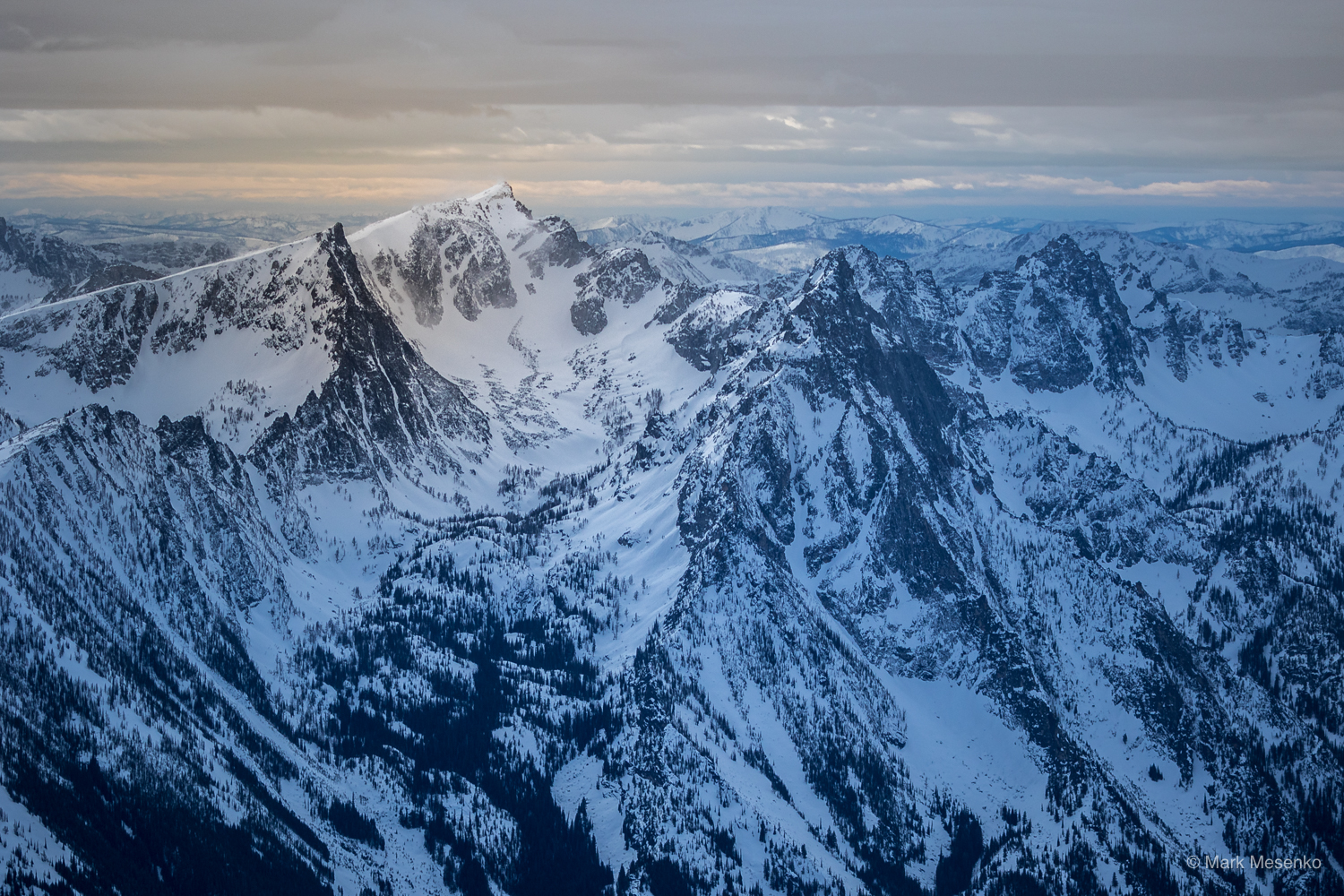
Termination dust: The first dusting of snow on the mountaintops in early fall, signaling that summer is over. When termination dust appears on the peaks around Missoula or Helena, locals start checking their firewood supply.
Shoulder season: The quiet periods between peak tourist seasons. Late spring and late fall, when the crowds thin out and prices drop. Locals treasure shoulder season because the state feels like theirs again.
Expressions That Tell You Something
"It's a dry cold": What Montanans say to justify why negative-20-degree weather is supposedly more tolerable than a humid 25 degrees back East. There is some truth to it. There is also some denial.
"You can't get there from here": Said about any destination that requires driving through mountains, around canyons, or across passes that close in winter. In Montana, the straight-line distance between two points is almost never the driving distance.
"That's just down the road": Could mean anything from 5 miles to 80 miles. Montana distances recalibrate your sense of scale. A 45-minute drive to the grocery store is considered normal in many parts of the state.
Words Borrowed from the Land
Montana's vocabulary also draws from the landscape and the people who have lived here longest. Words like coulee (a dry gulch or ravine), butte (an isolated hill with steep sides), and gulch (a narrow valley) appear in everyday conversation and on maps throughout the state. Many Montana place names (Absarokee, Anaconda, Kalispell) have roots in Native American languages, reflecting the deep history of the tribes who have called this land home for thousands of years.
Understanding Montana slang is not about memorizing a list. It is about recognizing that language here is shaped by the same forces that shape everything else in the state: weather, distance, land, and a stubborn independence that resists being told how to talk.
Related Reading
 Montana FactsGuideMontana Facts