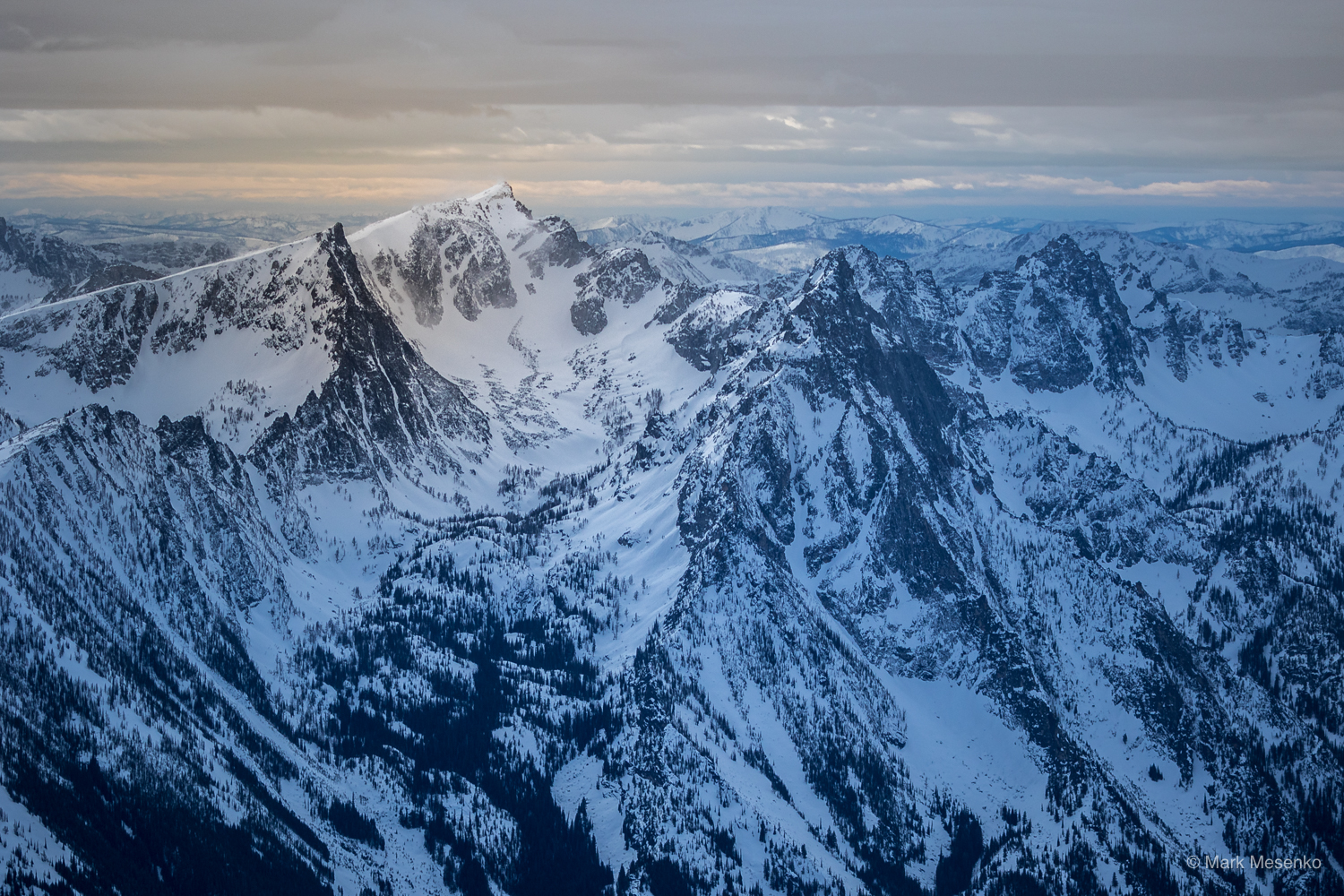
Boulder - Scenic View

Boulder

The Gateway to the Elkhorns

Quick Facts
Population
1,201
County
Jefferson County
Region
Central Montana
Elevation
4,908 ft
Top Industry
Education & Healthcare
Nearest Hospital
St. Peter's Health (25.1 mi)
Zip Code
59632
Area Code
406
Time Zone
Mountain Time (MT)
Industry: Census ACS 5-Year 2019–2023 · Hospital: MT DPHHS 2024
Current Weather
Loading current weather...
Airport Distances

Nearest Major Airports

✈️ Helena (HLN)
32 miles
~46m drive
✈️ Butte (BTM)
32 miles
~46m drive
✈️ Bozeman (BZN)
68 miles
~1h 22m drive

Map & Nearby

Explore Boulder on the interactive map with 3 nearby towns and 55 highlighted recreation sites. Use the zoom controls or select a recreation item to focus it on the map.

Open Area in Google Maps
Loading map...
Outdoor Recreation Near Boulder

Outdoor Recreation Near Boulder

Jump to map →
9.3/10
World-Class
99 sites within 30 mi
14 categories

Distances are straight-line estimates. Driving distances may be longer. Data: OpenStreetMap contributors & editorial research.

History & Heritage

History & Heritage

Named for the many large boulders scattered throughout the valley, Boulder began as a stagecoach station in the early 1860s on the Fort Benton to Virginia City route. James E. Riley built the first structure at Boulder Hot Springs in 1863. The Great Northern Railway branch from Helena to Butte reached Boulder in 1888. The State Deaf and Dumb School opened in 1893 in a leased frame house; it evolved into the Montana Developmental Center, which peaked at over 1,100 residents in the 1960s and closed in 2017. The Montana School for the Deaf and Blind relocated to Great Falls in 1937. James A. Murray purchased Boulder Hot Springs in 1909–1910, adding Mission-style architecture; the resort hosted Theodore Roosevelt, Warren G. Harding, and Franklin D. Roosevelt. The Riverside Youth Correctional Facility was established in 1997. The Boulder Batholith—granitic rock formed 81–74 million years ago—underlies the region. Three buildings are on the National Register: Jefferson County Courthouse (1980), Montana Deaf and Dumb Asylum (1985), Boulder Hot Springs Hotel (1979).


Official historic markers tied to Boulder in our statewide dataset. Expand the list to read inscriptions and follow links to full pages or deep reads where available. Browse Jefferson County on the map · History trails

Historic markers in Boulder (5)tap to expand
Boulder Hot Springs

For centuries Native Americans have been coming to these pure, flowing hot water springs for rest and healing. Legend tells that they called this area Peace Valley. They agreed to lay down their weapons when they sojourned here, believing that the land and the waters were for everyone to share and could not be owned. In the 1860s, prospector James Riley chanced upon the springs and filed a land and water rights claim. In 1864, he built a crude bathhouse and tavern. When Riley succumbed to smallpox in 1882, new owners built a small, more fashionable hotel. In 1891, it was remodeled and enlarged in the Queen Anne style and boasted fifty-two rooms, electricity, facilities for invalids, a resident physician, gymnasium, and various entertainments. Between 1910 and 1913, the present bathhouse, east wing and an addition at the west were built. The older building was also remodeled with raised parapets and a covering of stucco, creating a grand hotel in the present California Mission style. Opulent interior appointments included Tiffany glass lighting, beamed ceilings, and hand-stenciled walls in the Arts and Crafts tradition. Under various names and owners, Boulder Hot Springs has catered to a widely varying clientele. Architecturally significant as vintage Queen Anne remodeled to a newer style, Boulder Hot Springs is the last vestige of the many large-scale hot spring retreats that provided respite and recreation to early Montanans.

Erected by Montana Historical Society.

Architecture
Fraternity HallDeep Read

Swiss miner Peter Wys discovered the lucrative silver veins of the Elkhorn Mine that would eventually yield $14 million. After Wys died in 1872, Helena entrepreneur Anton M. Holter and partners developed the Elkhorn Mine. Holter sold out to an English syndicate circa 1888 and the mining camp flourished into the 1890's. At its peak, the community housed more than 2,500 residents and three passenger trains arrived weekly on the Northern Pacific's branch line. In 1893, the Fraternity Hall Association incorporated to build the town's architectural and social center. Fraternity Hall was aptly named: the town's various fraternal organizations, including the Masons, Oddfellows, and Knights of Pythias, shared its upstairs lodge room. The popular hall was the heart of the community. Here dances, traveling theatrical troupes, graduations, prize fights, and other public gatherings bound citizens together. Fraternity Hall's outstanding architecture reflects the Greek Revival style. Its false front is common to mining camps across the west. The sophisticated neo-classical style balcony above the entry, however, is unique. Elaborate ornamentation at the roofline recalls elements crafted of stone or brick in more urban places, but here adapted to readily available wood. The Silver Panic of 1893 impacted Montana's silver industry and by 1897, the mines had begun to play out. Although it operated off and on into the twentieth century, the death knell sounded when the Northern Pacific removed its tracks in 1931. Remarkably well-preserved, Fraternity Hall has endured time, neglect, and heavy snows to become one of Montana's most photographed buildings.

Listed in the National Register of Historic Places by the United States Department of Interior.

In cooperation with the Montana Historical Society www.montanahistoricalsociety.org

Erected by Montana Historical Society.

Architectureculture
Jefferson County Courthouse

In 1888, Jefferson County voters passed a $40,000 bond issue to build a permanent courthouse. Flourishing gold and silver mines and the advent of the railroad meant the county would see its population quadruple between 1870 and 1890, and there looked to be no end to the boom. Seeking a building that mirrored their confidence in the future, county commissioners hired Montana Territory’s most noted architect, the German-born and trained John Paulsen, to draw up plans. Paulsen reflected the young settlement’s ambitions with this Richardsonian Romanesque style building. Inspired by the enduring structures of the Middle Ages, the style particularly appealed to frontier communities that wanted to assert their staying power. The massive courthouse features a tall square tower capped by an octagonal spire and two turrets. It also boasts the semi-circular arches, rough-cut stone accents, and asymmetrical roofline that typify Richardsonian Romanesque. Gargoyles at the building’s corners, perched just below the eaveline, add a touch of whimsy. Contractor J. S. McKenzie built the two-story monument from locally quarried granite and bricks burned within a mile of the construction site. The interior features elaborate woodwork, including decorative door and window trim and an ornately carved staircase. In the courtroom itself, walls rise twenty feet to a ceiling of stained beams and planking. Completed the year Montana achieved statehood, the building ultimately cost the county approximately $50,000 (an estimated $1.1 million in today’s dollars). Built for the ages, it is one of the oldest courthouses in Montana still used for its original purpose.

Erected by Montana Historical Society.

Montana State School

Montana pledged its commitment to children with disabilities in 1887 when Territorial Governor Preston Leslie requested funds for a Montana Deaf and Dumb Asylum. Its title, although shocking by today’s standards, reflects accepted nineteenth-century terminology and attitudes. Upon statehood in 1889, Congress granted Montana 50,000 acres of land to raise funds for the school. The 1893 legislature provided operating expenses and chose Boulder as the site. Students attended classes in a private home while the school built this first campus building, begun in 1896 and completed in 1898. Despite its formidable name, the school offered innovative college-preparatory instruction and training for deaf and blind youth. In 1903, the state legislature changed the name to the Montana School for the Deaf and Dumb, thereby acknowledging that it was not an “asylum,” but rather a public school for children with special needs. By 1915, additional buildings increased the campus capacity to 200 students, who ranged from ages 5 to 20. By this time its mission had expanded to include educating developmentally disabled youth. Until the 1930s, this building served numerous purposes as the center of activities, housing for students and staff, and dining rooms. Blind students learned various manual industries and deaf students learned lip-reading in addition to the usual public school curriculum. The school also offered an extensive music program. State architect John C. Paulsen designed the building of local brick and granite, appropriately trimmed in Montana copper. The blending of Italianate and Renaissance revival styles, and its long institutional service, mark this Boulder landmark as a state milestone.

Erected by Montana Historical Society.

Architecture
The Boulder River Bridge

The trusses on this structure were salvaged from the "Hubbard" or "Red" Bridge. The original structure was built by the Gillette-Herzog Manufacturing Company in 1899. The company was one of several Minnesota-based bridge construction firms active in Montana fro the late 19th century to the early 1920's. The bridge was one of eight pin-connected Pratt through truss spans built by the company over a ten year period beginning in 1891. It provided access to Boulder from the rich mining and ranching operations located on the west side of the river. The design of this structure represents an accord between local citizens wanting to preserve some aspects of the original bridge, while providing a structure that could accommodate modern traffic needs. The new bridge represents the best of late 19th century and late 20th century technologies.

Erected by Montana Department of Transportation.

Historic markers map

Open the interactive map filtered to Boulder. The view zooms to the markers for this community.

Open map zoomed to Boulder

Events & Festivals in Boulder

Annual gatherings tied to Boulder — check official sites for tickets and current dates.

Montana statewide events & festivals calendar

View all Montana events · Where to stay in Boulder

Boulder, Montana: Gateway to Mountain Adventures and Historic Healing Waters

Boulder, Montana is a rugged frontier town nestled in a beautiful valley surrounded by mountains where adventure seekers find their paradise. With the majestic Boulder River carving its path along the south end of town, this hidden gem offers a perfect basecamp for explorers seeking to discover ghost towns, soak in natural hot springs, and venture into the surrounding wilderness. Positioned midway between Butte and Helena at the intersection of Interstate 15 and Montana Highway 69, Boulder serves as a gateway to countless outdoor adventures while maintaining its authentic small-town Montana charm. Whether you're hunting for gold in mountain streams, hiking through pristine forests, or exploring the unique radon health mines, Boulder invites you to experience the wild spirit of Big Sky Country.


Quick Facts

  • Population: 1,201 (2020 Census)
  • County: Jefferson County (County Seat)
  • Founded: Early 1860s (as Boulder Valley); renamed Boulder in 1897
  • Elevation: 4,990 ft
  • Known For: Hot springs, radon health mines, historic buildings, gateway to outdoor recreation
  • Nearby Landmarks: Boulder Batholith, Boulder River, Elkhorn Mountains, Continental Divide
  • Fun Fact: Boulder was once a candidate to become Montana's state capital in 1892, though it finished last in the voting with only 295 votes. Boulder Hot Springs hosted U.S. presidents Theodore Roosevelt, Warren G. Harding, and Franklin D. Roosevelt. The Montana School for the Deaf and Blind originated in Boulder in 1893. The Merry Widow Health Mine draws thousands of visitors annually for radon therapy.

Notable People & Pop Culture

  • Patrick Duffy – Actor known for Dallas (Bobby Ewing) and Step by Step; spent early childhood in Boulder where his parents owned the Owl Bar tavern. His parents were tragically murdered in an armed robbery at the Owl Bar in 1986.
  • James E. Riley – Pioneer and prospector who built the first structure (saloon and bathhouse) on the Boulder Hot Springs site in 1863.
  • James A. Murray – Wealthy investor who purchased and renovated Boulder Hot Springs in 1909–1910, adding Mission-style architecture; the resort attracted U.S. presidents.

Top Things to Do in Boulder

  • Boulder Hot Springs Inn & Spa – Soak in mineral-rich waters at this historic hotel and spa dating back to the 1860s, offering natural hot springs with healing properties.
  • Radon Health Mines – Experience the unique and controversial radon therapy mines that attract visitors seeking alternative treatments for various health conditions.
  • Boulder River Recreation – Fish for trout, float on inner tubes, or hike along the scenic Boulder River that runs through the south end of town.
  • Veteran's Memorial Park – Enjoy picnicking, RV parking, and community events at this central green space on Main Street.

Local Industry & Economy

Boulder's economy is deeply rooted in healthcare, social services, and government operations, with the Montana Developmental Center employing approximately 300 residents as the town's largest employer. Youth Dynamics, Inc. (Alternative Youth Adventures) provides residential services for troubled youth and employs about 100 people, while Riverside Corrections, a state-run detention center for juvenile females, adds another 30 jobs to the local workforce. The unique radon health mines in the area contribute to tourism, drawing visitors seeking alternative treatments for autoimmune conditions despite scientific controversy. Agriculture remains important in the surrounding Boulder Valley, with ranching and farming operations supporting the local economy. With a median household income between $42,000 and $48,800 (as of 2021), many residents commute to larger cities like Helena and Butte for employment, while maintaining Boulder's small-town character and community-focused lifestyle.


Seasonal Activities & Local Events

  • Spring/Summer: Boulder Farmer's Market (Thursdays from early July through September), 4th of July Parade, fishing and floating on the Boulder River, hiking in the surrounding mountains, and exploring ghost towns.
  • Fall/Winter: Cross-country skiing, snowshoeing, hunting season, and winter hot springs soaking at Boulder Hot Springs.
  • Annual Events: Boulder Community Wide Garage-Yard Sale (Father's Day Weekend), Boulder Annual Classic Car Show (Saturday before Labor Day), Boulder Annual Music and Art Festival (first full weekend in September), and Boulder Annual Holiday Christmas Bazaar (Saturday before Thanksgiving).

Getting There & Nearby Destinations

Boulder is strategically located at the intersection of Interstate 15 and Montana Highway 69, making it easily accessible by car. The town sits 28 miles from Helena and 34 miles from Butte, with both cities offering commercial airports for visitors flying in. Helena Regional Airport (44 miles away) and Bert Mooney Airport in Butte (35 miles away) provide connections to major hubs. For those preferring ground transportation, Salt Lake Express offers bus service to the area. Nearby destinations worth exploring include Basin (9 miles south), a local artists community with cafés, saloons, and pottery galleries situated on the Boulder River; Jefferson City (accessible via I-15 Exit 176), home to Montana's favorite botanical gardens and arboretum at Tizer Gardens; and numerous ghost towns, hiking trails, and fishing spots throughout Jefferson County. The Beaverhead-Deerlodge National Forest offers extensive outdoor recreation opportunities just a short drive away.


Where to Stay in Boulder

Accommodation options in Boulder cater to various preferences, with the historic Boulder Hot Springs Inn & Spa serving as the premier lodging destination. This historic hotel offers guests access to natural mineral hot springs along with comfortable rooms in a building listed on the National Register of Historic Places. For travelers seeking more budget-friendly options, the Mine Motel and O-Z Motel provide clean, comfortable rooms with convenient access to Boulder's attractions and main thoroughfares. RV travelers can find parking at Veteran's Memorial Park on Main Street, which offers green space and picnic tables. While Boulder's accommodation options are limited compared to larger Montana cities, the authentic experience and proximity to natural attractions make it an ideal base for exploring Jefferson County and southwestern Montana.

Affiliate links help support this site at no extra cost to you.
Shop Boulder Gear

Shop Boulder Gear

Boulder Climate

Average Monthly Climate: Boulder

MonthAvg HighAvg LowPrecipSnow
Jan33°F14°F0.9"2.3"
Feb28°F9°F1.4"3.7"
Mar38°F17°F1"2.6"
Apr46°F24°F1.9"3.6"
May59°F35°F2.7"1.9"
Jun70°F44°F3"0.4"
Jul80°F50°F1"0"
Aug79°F51°F1.4"0"
Sep70°F43°F1.4"0.4"
Oct52°F30°F1.6"2.4"
Nov41°F21°F0.8"1.7"
Dec34°F16°F0.8"2"
Housing & Economy

Housing & Cost of Living

$362,121
Typical Home Value
Census (2019–23): $194,800
$692/mo
Median Rent
$61,250
Median Household Income
National Rankings
Home Value68th percentile
Rent16th percentile
Income44th percentile
Affordability Ratio (home price ÷ income)5.9xExpensive
Percentile among ~21,000 U.S. cities. Higher = more expensive (home/rent) or higher earning (income).
Housing Availability
Updated Jan 2026
15
Homes for Sale
585
Total Housing Units
10.1%
Vacancy Rate
Employment & Economy
ACS 5-Year 2019–2023
6.5%
Unemployment Rate
MT avg: ~3.5%
62.2%
Labor Force Participation
623
Employed Residents
Top Industries
Education & Healthcare
29.4%
Retail
12.8%
Government
11.9%
Home values from Zillow ZHVI (May 2026). Inventory, list prices & new listings from Zillow Research (Jan 2026). Income, vacancy,, employment, industry, from U.S. Census Bureau ACS 5-Year 2019–2023. Data may not reflect current conditions. Check Zillow for the latest market data.
Schools
🏫
Boulder Public Schools
~250 students
Grad Rate
89%
Graduation rate: OPI/NCES 2022–23. MT state avg: ~87%.
Boulder in Rankings & Guides
Compare Boulder with Another Town
View Boulder in the site graph

Explore Nearby Destinations

WalkervilleHelenaButte

Related Reading

Montana rural landscapeMontana Facts
Montana Slang and Expressions You Should Know
From 'Montucky' to 'blue-bird day,' these are the words and phrases that mark you as a local in Big Sky Country.
Mar 21, 2026
Montana landscape representing 406 cultureMontana Facts
What Does 406 Mean in Montana?
The 406 area code is more than a phone number: it is Montana's cultural identity badge, worn on bumper stickers, hats, and tattoos across Big Sky Country.
Mar 21, 2026
Montana winter landscapeGuide
Living in Montana vs. Visiting: What Changes
The Montana you visit for a week and the Montana you live in year-round are two different places. Here's what actually changes when you stay.
Mar 21, 2026