
The Vacation Version vs. the Resident Version
When you visit Montana in July, the state presents its best self. Endless daylight, wildflower meadows, 80-degree afternoons, and rivers running clear and cold. It is easy to stand on a ridge above Glacier National Park and think, "I could live here." And you might be right. But the Montana you would be living in looks nothing like the one you are standing in during peak summer.
Winter Is the Filter
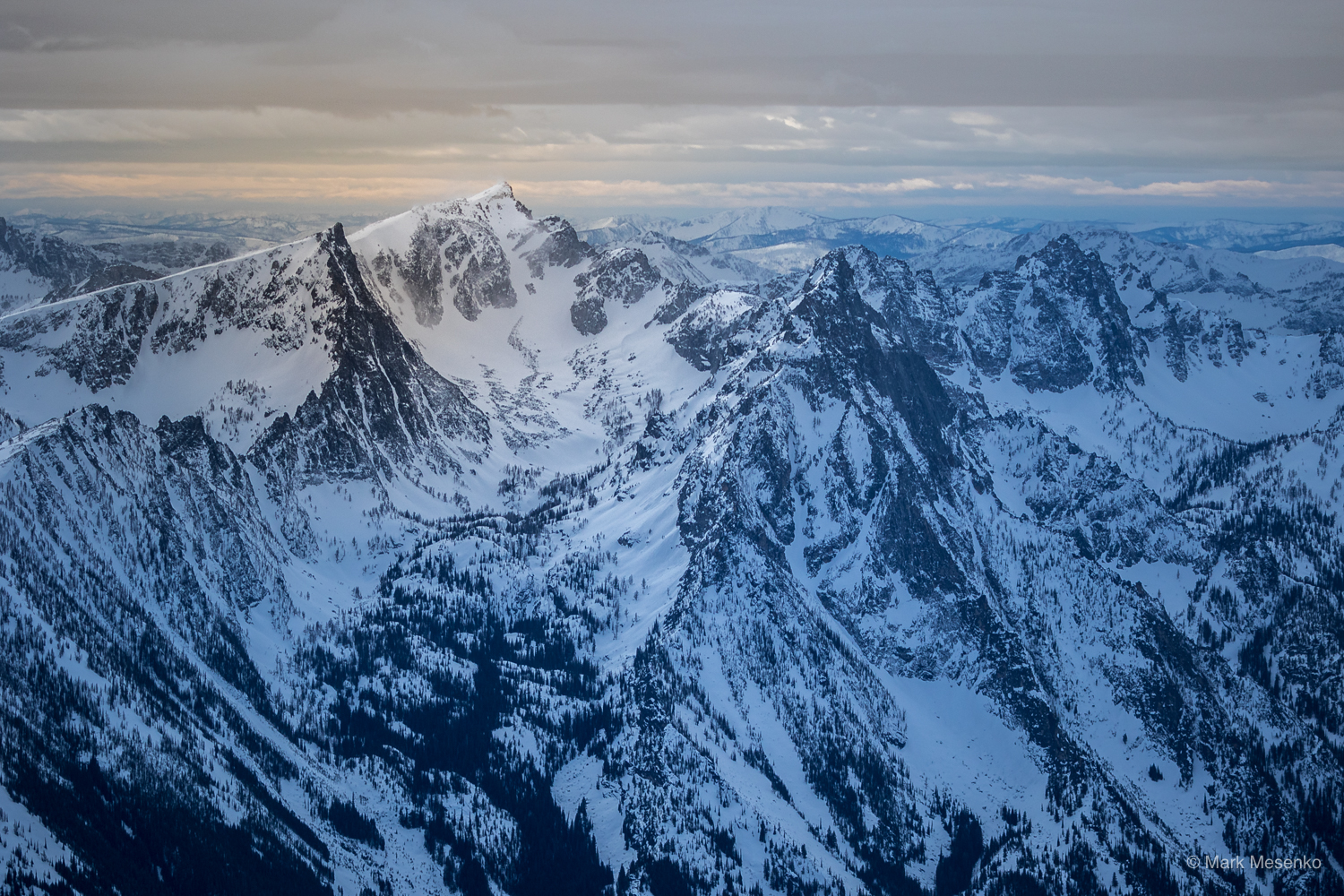
The single biggest difference between visiting Montana and living here is winter. Not the postcard version with fresh powder and cozy cabins. The reality of winter: five to seven months of cold, starting as early as October and persisting into May. January lows that regularly drop below zero in many parts of the state. Ice on roads that never fully clears. Short days where the sun sets before 5 PM.
Bozeman averages about 72 inches of snow per year. Whitefish gets more. Billings gets less but adds wind. The wind is the part nobody warns you about. Eastern Montana wind in January can make negative-10 degrees feel like negative-40.
Everyone who moves to Montana believes they can handle the winter. Most can. But the ones who leave often cite the length of it, not any single cold day, but the cumulative weight of months without warmth.
Distance Becomes Real
When you are visiting, a 90-minute drive to a trailhead is an adventure. When you are living here, that same drive to the nearest decent hospital, airport, or specialty grocery store is a logistical reality. Montana is a big state with few cities. Missoula to Billings is about 350 miles. Kalispell to Helena is 200 miles over a mountain pass that closes in bad weather.
If you move to a smaller town, and most Montana towns are small, you will drive more than you ever have. A weekly 45-minute trip to the grocery store is standard in rural communities. Medical specialists often require a drive to Billings or Missoula or even out of state. Amazon delivery times are longer. Some areas have limited or no cell service.
This is not a complaint. Many Montanans consider the distance a feature, not a bug. But it is a feature that requires adaptation.
Community Works Differently
In dense cities, community is optional. You can live next to someone for years without knowing their name. In Montana, especially in smaller towns, community is the infrastructure. Your neighbor plows your driveway when you are sick. The volunteer fire department is staffed by people you know. The school board meeting is attended by parents who also coach youth basketball and run the local feed store.
This interconnectedness is one of Montana's greatest strengths, but it also means that privacy works differently. People know your business. They notice when you are struggling. They help without being asked, but they also have opinions without being asked.
The Economics Are Different
Montana has no state sales tax, which saves money on everyday purchases. It also has lower average wages than the national median in many industries. The housing market, particularly in towns like Bozeman and Whitefish, has been reshaped by remote workers and out-of-state buyers who brought coastal salaries to a mountain-town market.
If you are moving with a remote job that pays well, Montana can be financially comfortable. If you are looking for local employment, research the job market carefully before committing.
What Stays the Same
The mountains do not change. The rivers run every season. The sky is still enormous, the air is still clean, and the sense of space that drew you here on vacation is the same space you wake up to every morning. The wildlife is real: elk in your yard, deer on the road, the occasional bear in the garbage.
The people are genuine. The values are grounded. The quality of life, for those who are prepared for the trade-offs, is hard to match anywhere else in the country.
The difference between visiting Montana and living here is not that the magic fades. It is that the magic comes with a heating bill, a snow shovel, and a longer drive to the airport. For most people who stay, the trade is worth it.
Related Reading
 Montana FactsMontana FactsMontana Facts