
Before the Nickname: What Drew People to Montana
Long before Montana became a state or earned any nickname, its mineral wealth was drawing prospectors westward. The story begins in 1862, when a group of miners discovered gold along Grasshopper Creek in what is now Bannack. That strike triggered a rush that would reshape the territory.
Within two years, gold was discovered at Alder Gulch near present-day Virginia City and at Last Chance Gulch, the site of modern-day Helena. These were not minor finds. Alder Gulch alone produced an estimated $30 to $40 million in gold during the 1860s, making it one of the richest placer deposits ever found in the American West.
The State Motto and the Nickname
Montana's official state motto, "Oro y Plata" (Spanish for "Gold and Silver"), was adopted when the territory was organized in 1864. The motto directly acknowledges the mineral wealth that justified Montana's existence as a political entity. The nickname "The Treasure State" grew naturally from this foundation, appearing in common usage by the late 19th century.
But gold and silver were only the beginning. The real industrial engine was copper.
Butte: The Richest Hill on Earth
The copper deposits beneath Butte transformed Montana from a collection of mining camps into an industrial powerhouse. By the 1880s, Butte's mines were producing roughly 30 percent of the nation's copper supply and about 15 percent of the world's total. The city's population swelled to over 100,000, enormous for a remote mountain location, and the wealth generated there funded everything from Montana's early infrastructure to Marcus Daly's Anaconda smelter complex.
The mining history of Montana is inseparable from its identity. The copper kings (Daly, Clark, and Heinze) wielded political and economic power that shaped the state's governance, its labor movement, and its relationship with corporate interests for generations. The legacy of that era is complex. The Berkeley Pit, a former open-pit mine in Butte now designated as a Superfund site, stands as a monument to both the wealth extracted and the environmental cost of extraction.
Beyond Minerals: Sapphires, Agates, and Modern Treasure
Montana's mineral story extends well past gold, silver, and copper. The state is the only significant source of gem-quality sapphires in the United States. The sapphires from Yogo Gulch, located south of Lewistown, are renowned for their distinctive cornflower blue color and exceptional clarity. Unlike most sapphires worldwide, Yogo stones require no heat treatment; they emerge from the earth ready for cutting.
Montana agates, found primarily along the Yellowstone River, are another prized geological product. These banded chalcedony stones, designated as the official state gemstone in 1969, are collected by rockhounds across the eastern part of the state.
The Modern Treasure
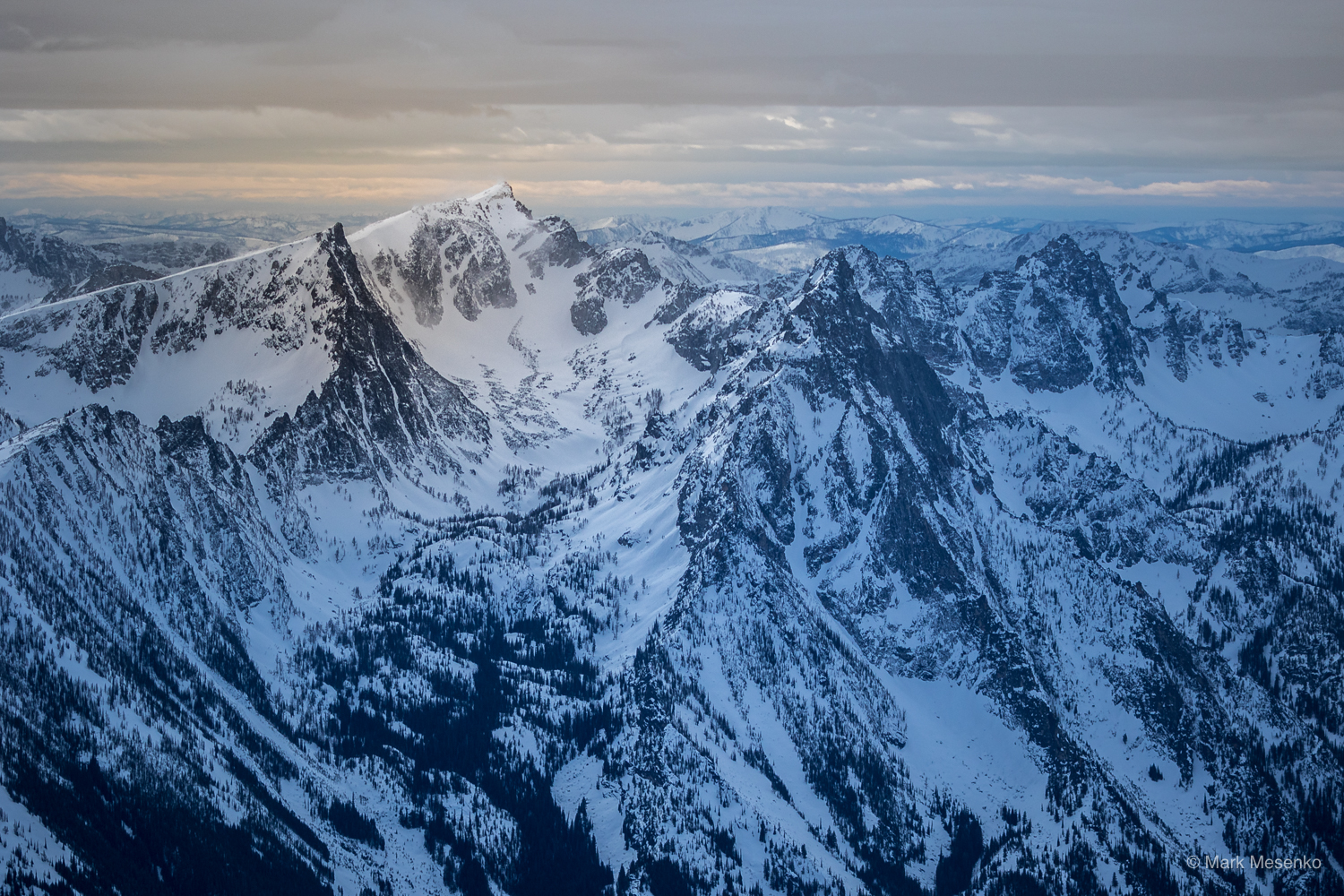
Today, the nickname "The Treasure State" has evolved beyond its mineral origins. Montana's real wealth, as residents will tell you, lies in its 147,040 square miles of open space, its wild rivers, its mountain ranges, and its communities. The geology of western Montana shaped a landscape that now draws people not for extraction but for preservation and experience.
The treasure is still here. It just looks different than it did in 1862.
Related Reading
 Montana FactsMontana FactsGuide