Plutons and the Humbug Spires
By editor
Butte, Silver Bow County, Montana
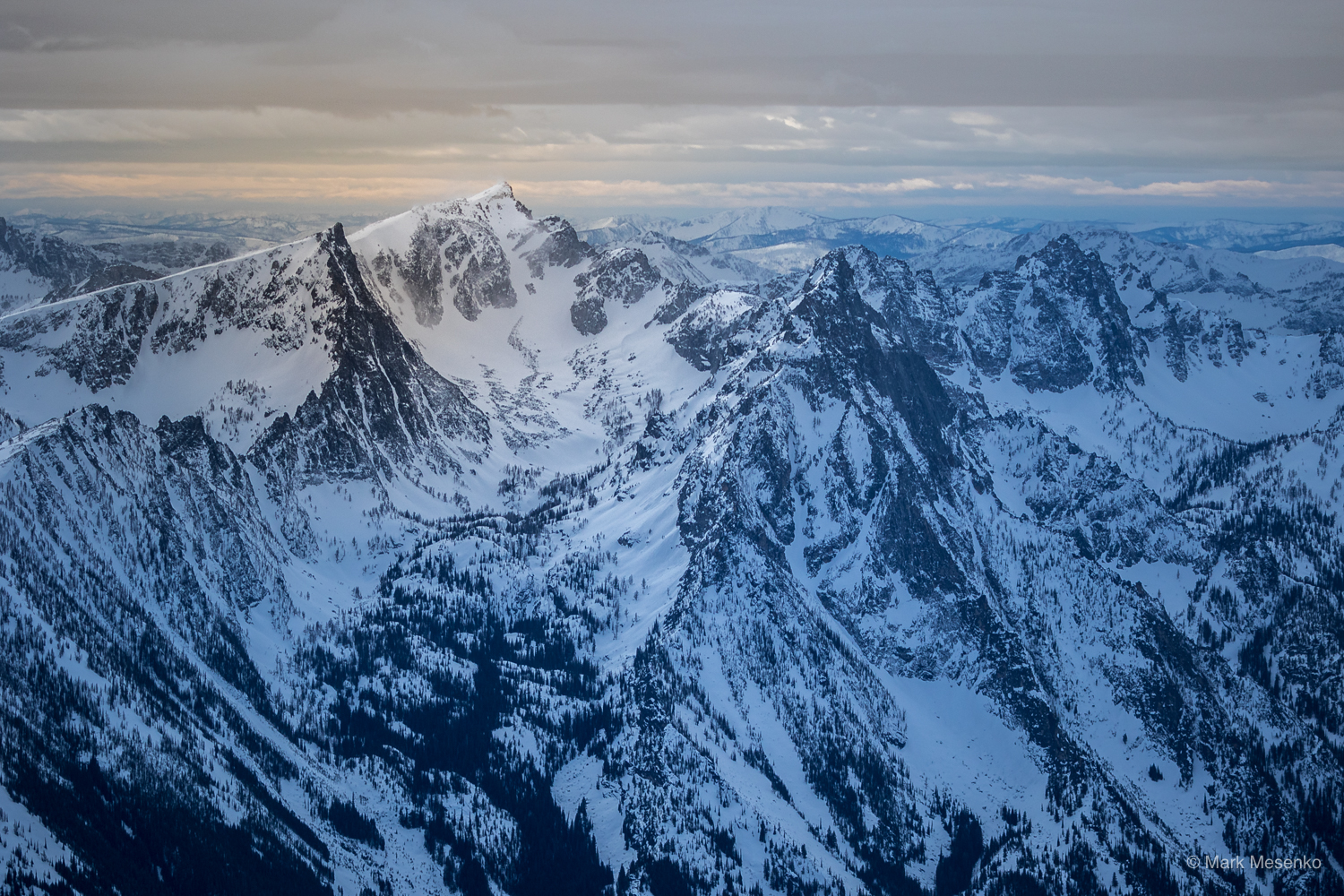
The Humbug Spires thrust upward from the valley floor south of Butte, piercing the sky like the shattered remnants of some immense cathedral carved in stone. These granite pillars--weathered by countless cycles of frost and rain--rise as monoliths sculpted by time, their jagged fins and soaring towers the exposed roots of a vast pluton. More than 70 million years ago, when dinosaurs still wandered the lands above, a colossal mass of molten rock cooled slowly far beneath the earth’s surface, giving rise to this formidable granite formation.
A pluton, by geological reckoning, is a great blob of igneous rock, ranging from one to twenty miles across, formed when magma intrudes into preexisting rock and crystallizes as it cools deep underground. When many such plutons cluster over an expanse exceeding a hundred miles, they form a batholith. The Boulder Batholith, underlying much of southwest Montana, forms one of North America’s largest batholiths. Its plutons, including the one beneath Butte, harbor rich veins of ore that have drawn miners for over a century.
The plutons around Butte congealed at depths exceeding three miles beneath the earth’s surface, far out of reach of sunlight or air. The dinosaurs that roamed this region during the late Cretaceous period witnessed no hint of the fiery processes below their feet. Over the eons, relentless forces have wrought change: weathering, erosion, and the slow but inexorable movement of the Earth’s crust have stripped away the overlying rock layers. These ancient walls of sedimentary rock, once kilometers thick, have been ground to sand and carried away by rivers, their particles scattered across continents and into oceans on both coasts.
The story of the Humbug Spires is one of enduring transformation. The Moose Creek Pluton, which lies south and east of Butte, has been carved into a labyrinth of vertical pinnacles and slender fins. Millennia of freeze-thaw cycles have exploited fractures and joints in the granite, chiseling the rock into these extraordinary forms. Today, the Spires offer refuge not only to hikers and rock climbers drawn by their rugged beauty but also to mountain lions, bobcats, and other native wildlife who find sanctuary among the cliffs and crags.
Geology here reveals itself in intimate detail. I urge you to pick up a granite rock from the ground and examine it closely. The crystals interlock tightly, forming angular grains of quartz, feldspar, and mica--a stark contrast to sedimentary rocks composed of rounded particles cemented together. This difference is a signature of the rock’s birth: igneous rocks crystallize directly from molten magma, their mineral grains fusing in place, while sedimentary rocks are made from fragments transported by wind or water and later cemented.
The Boulder Batholith itself hides a complex history. The Big Hole Canyon Pluton forms the southern side of Fleecer Mountain, which rises to the west and resembles Mount Fuji in profile, though it is no volcano. Near the highway here, the Climax Gulch Pluton emerges on both sides of the road, extending northward. Farther north lies the Butte Pluton, which contains the copper, gold, silver, and molybdenum deposits that have fueled the Butte Mining District since prospectors first staked claims in 1864. This pluton alone has been mined almost continuously for more than 150 years, transforming the landscape and economy alike.
The geologist Charles Van Hise, who studied the region in the early 20th century, once remarked, “The rocks themselves are the history books of the earth, written in a language of mineral and grain.” His words ring true here, where each outcrop tells a chapter of Earth's deep past. The granite beneath the Humbug Spires records a time when the western interior of North America was closing, tectonic plates colliding and crumpling, magma forcing its way upward but solidifying before breaching the surface.
The forces that brought these plutons to light acted over tens of millions of years. The Laramide orogeny, a mountain-building event that shaped much of the American West between 70 and 40 million years ago, uplifted the region and exposed the once-buried plutons. These processes pulverized the sedimentary cover and spread its debris far and wide. Today, the soils that nurture the Douglas fir (Pseudotsuga menziesii), ponderosa pine (Pinus ponderosa), and subalpine fir (Abies lasiocarpa) around the Spires owe their mineral content to this long geological history.
Walking among the Humbug Spires, one senses the immense scale of time and change. The granite towers rise above meadows where mule deer graze and Clark’s nutcrackers chatter, their sharp calls punctuating the stillness. The air is cool and clear, filled with the scent of pine resin and the faint hint of earth. In places, lichens cling to the rock faces, their pale crusts slowly etching the stone further.
Lewis and Clark passed near this part of Montana in 1805, though they did not record these specific formations. Still, their journals contain reflections on the region’s geology that resonate here. Meriwether Lewis wrote in his journal: “The country is filled with rivers and large mountains, many of which are of granite or other primitive rocks, rising in a manner that plainly shows the great upheaval from beneath the earth.” This observation captures the dynamic earth beneath the Humbug Spires--an earth that continues to shape the land.
The Humbug Spires are more than mere rock formations; they are a chapter of geological history visible in stone, a landscape carved by fire, pressure, and time. They offer a place for quiet reflection on the immense scale of natural forces and the patient work of erosion and uplift. As I watch the shadow of a circling golden eagle stretch across the granite pinnacles, I am reminded how the earth’s deep past lives on in these magnificent spires, enduring as long as the mountains themselves.
See also
- Plutons and the Humbug Spires at Butte, Silver Bow County
- The Boulder Batholith and the Richest Hill on Earth at Butte, Silver Bow County
- Silver Bow Creek Remediation and Restoration at Anaconda, Deer Lodge County
Where to Stay in Montana
Affiliate links help support this site at no extra cost to you