
Along the Yellowstone River
By editor
Livingston, Park County, Montana
Few valleys in the Rocky Mountains reveal such a varied and intricate geological history as the Yellowstone River valley. The landscape before you -- known as Paradise Valley -- unfolds like an ancient manuscript written in stone, ice, and fire, its pages turned by glaciers, landslides, volcanic eruptions, and tectonic upheavals spanning over 70 million years. Such variety in landforms, textures, and colors invites a close examination, not merely of the valley’s surface, but of the deep time beneath your feet.
The Yellowstone River courses freely for 692 miles from its source in the Absaroka Mountains of Wyoming, flowing northward to join the Missouri River in North Dakota. The 103-mile stretch downstream from Gardiner, Montana, enjoys the distinction of being the longest uninterrupted Blue Ribbon trout stream in the lower 48 states. This designation honors the river’s remarkable cold-water habitat, which nurtures brown trout (Salmo trutta), rainbow trout (Oncorhynchus mykiss), and the native Yellowstone cutthroat trout (Oncorhynchus clarkii bouvieri). Anglers from across the continent come here drawn by the clarity and purity of these waters, and the challenge of their elusive quarry.
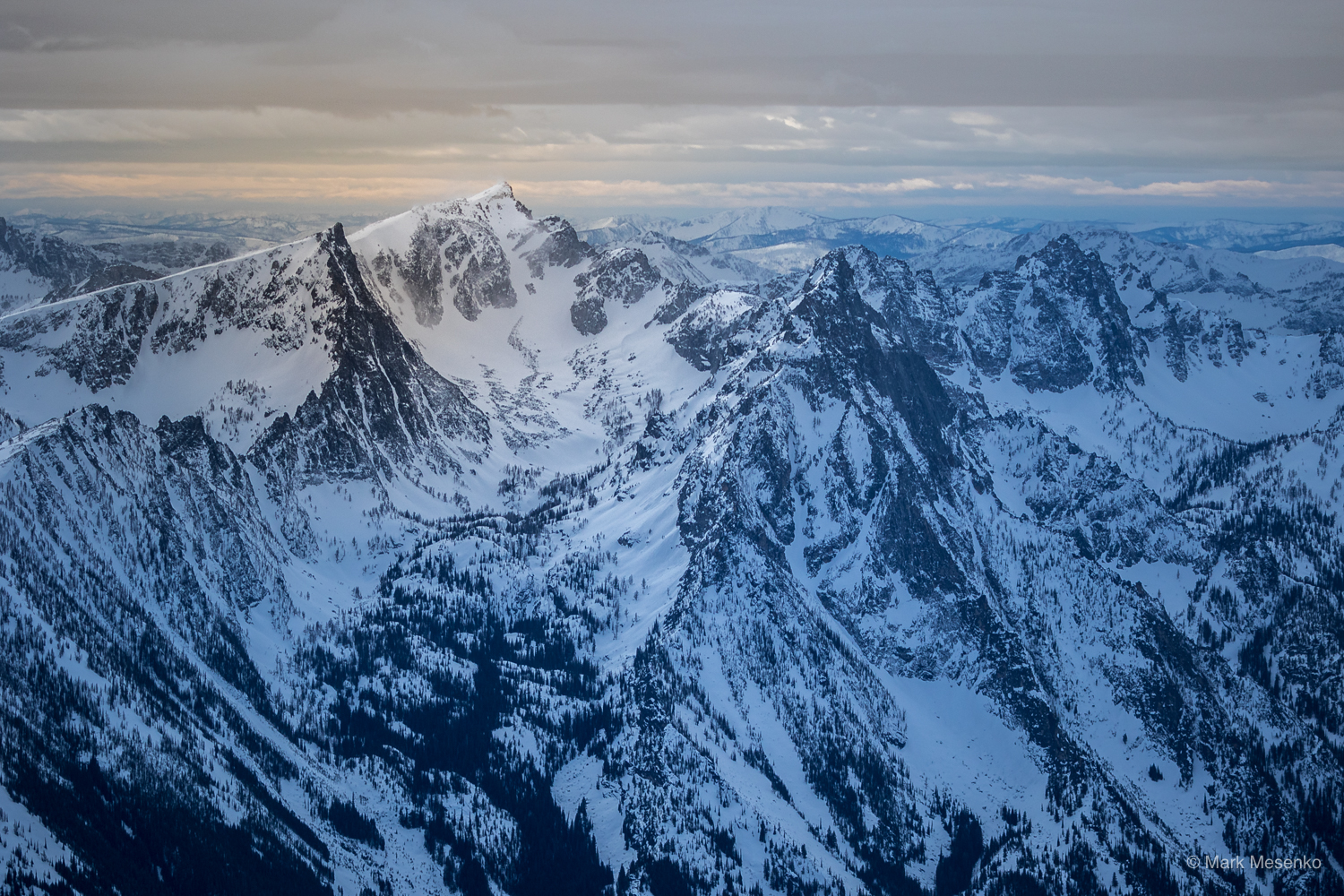
Yet the river’s present grandeur owes much to ancient forces, chief among them the advance and retreat of massive glaciers during the Pleistocene epoch. At least twice, the Yellowstone Ice Sheet surged northward from the Yellowstone Plateau, a volcanic highland that itself tells a dramatic story. Near this very spot, the ice sheet once reached a staggering thickness exceeding 3,000 feet. This immense frozen mass did not merely glide silently over the land; it gouged and sculpted the valley walls, deposited rocks and sediment, and shaped the very mountains embracing Paradise Valley.
Along the west bank of the river, near the northern reach of Yankee Jim Canyon, one finds a geological curiosity known as a roche moutonnée. This term, borrowed from French geomorphology, describes a bedrock knob smoothed and polished on its upstream side by the relentless scraping of glacial ice, whilst its downstream side displays jagged fractures where the glacier plucked away chunks of rock. The name evokes the image of a medieval wig slicked down with mutton tallow, and it is fittingly vivid. When I first observed a similar formation in the Sierra Nevada, I marveled at how the glacier’s silent, crushing advance left such distinct marks, akin to a sculptor’s hand shaping the landscape over millennia.
The mountains surrounding Paradise Valley owe much of their character to volcanic activity, the imprint of which remains unmistakable. Andesite flows and vertical cliffs of basalt trace the course of ancient eruptions that reshaped this land long before the ice arrived. These volcanic rocks date largely to the Eocene epoch, some 50 million years ago, when the Yellowstone region lay near a volcanic arc created by the subduction of oceanic plates beneath the North American continent.
The Yellowstone Plateau itself is the caldera of a supervolcano, whose last catastrophic eruption occurred approximately 640,000 years ago. The scale of that event, which expelled hundreds of cubic kilometers of volcanic material, dwarfs all but the largest known eruptions on Earth. The heat beneath this caldera still manifests in geothermal activity along the river’s edge. At La Duke Hot Springs, on the east bank of the Yellowstone River, water emerges between 135 and 149 degrees Fahrenheit, steaming and warm to the touch. These springs serve as a reminder that the Earth’s fiery heart continues to pulse beneath the valley’s serenity.
One can observe further evidence of volcanic upheaval by traveling to Tom Miner Basin, at the valley’s northern end. A hike uphill reveals petrified forest deposits -- trees turned to stone by volcanic ash and mudflows tens of thousands of years ago. These fossilized remains preserve a snapshot of an ancient ecosystem, abruptly entombed by volcanic catastrophe. Such petrification connects us directly to a landscape long vanished, yet preserved in stone for those who seek to read its story.
The human presence in this valley is no less ancient. Archaeological evidence confirms that people have lived and worked along the Yellowstone River for at least 5,000 years. These early inhabitants followed the seasonal migrations of bison (Bison bison), pronghorn antelope (Antilocapra americana), and bighorn sheep (Ovis canadensis), hunting in the mountains during the summer and returning to the valley floor in autumn. The abundance of game, water, and shelter would have made Paradise Valley a place of sustenance and survival. It is worth remembering the words of Meriwether Lewis, who wrote in 1805 near this region, “The valley through which we passed, and which I called the Paradise, from its extreme beauty, is one of the most delightful spots I ever beheld.”
The valley’s name is no exaggeration. It aptly captures the richness of a landscape formed by fire, ice, and water, and shaped further by the lives of those who have walked these lands long before us. The Yellowstone River flows free here, unregulated by dams or diversions, its waters shimmering in the sunlight as they have for tens of thousands of years. The river’s path is a chronicle of nature’s grand processes -- the slow folding of earth’s crust, the explosive fury of volcanic eruptions, the grinding passage of ice, and the tireless flow of water carving a corridor through stone.
Standing here, beside this river, one cannot help but feel the weight of geological ages pressing gently beneath the present moment. The valley’s features invite us to look closely -- at the polished rock surfaces, the layers of volcanic ash, the steaming springs, and the living forests. Each tells a chapter in an ancient narrative, one written over millions of years and continuing still.
The Yellowstone River and Paradise Valley remain places where the natural world reveals its complexity and resilience. To walk along these waters is to witness the ongoing interplay of elemental forces that have shaped this land long before human eyes first rested upon it, and that will continue their work long after we are gone.
See also
- Along the Yellowstone River at Livingston, Park County
- Paradise Valley and the Yellowstone River at Livingston, Park County
- The Crow and the Yellowstone at Livingston, Park County
Where to Stay in Montana
Affiliate links help support this site at no extra cost to you
Related Reading
 Montana FactsMontana FactsMontana Facts