Eastern Montana’s badlands and mixed-grass prairie host drought specialists: prickly pear, yucca, scarlet globemallow, and evening primrose adapted to sun, wind, and gumbo clay.
Map pins mark viewing hubs—not secret patches. Stay on durable surfaces, leave every flower, and never dig plants on park or tribal land.
Alpine Forget-me-not
Myosotis alpestris
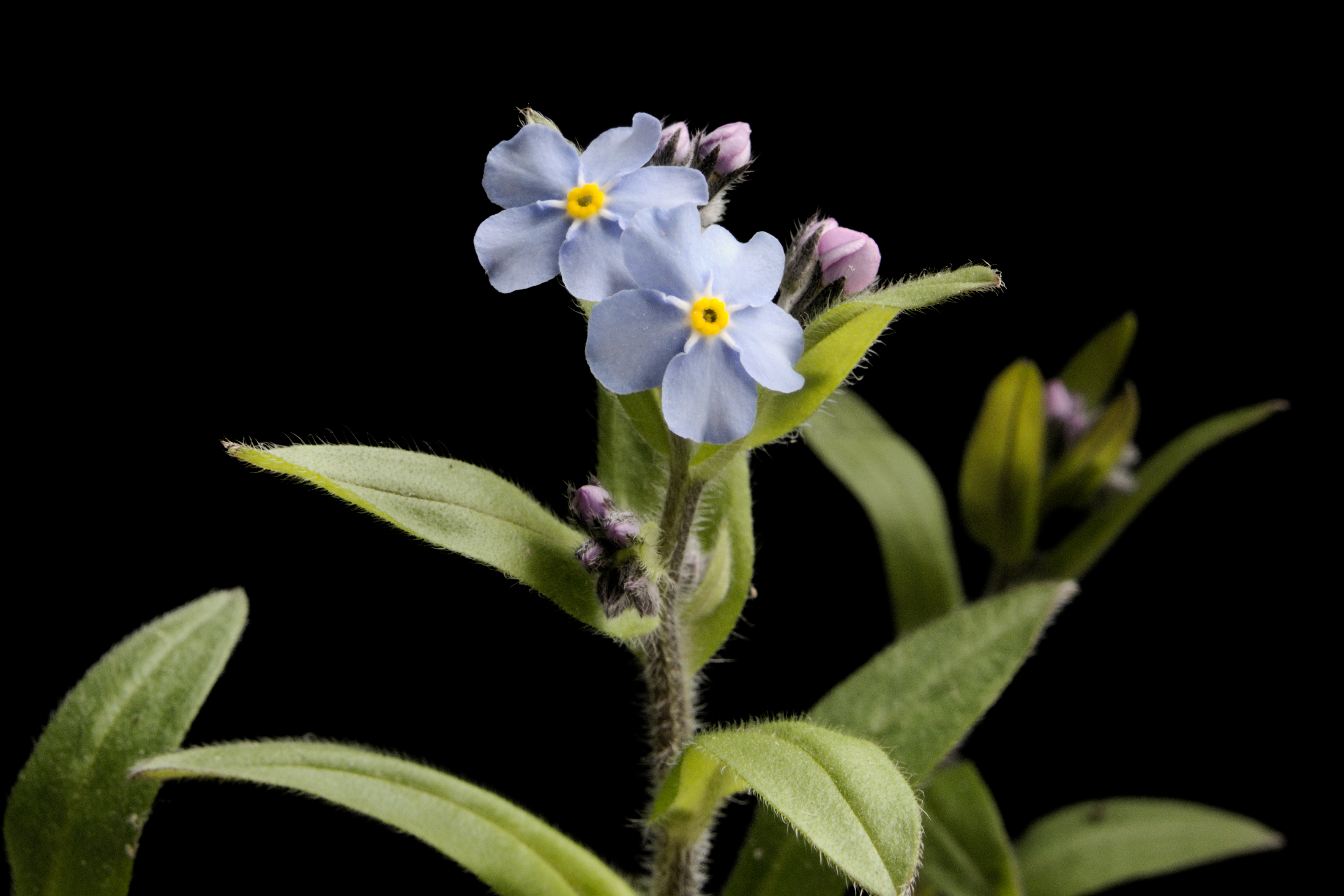
Photo: Bff / Wikimedia Commons / CC BY-SA 4.0
Bloom window: July to August
Habitat: Rocky alpine ridges and scree slopes
A tiny, intensely blue flower with a yellow eye, growing in low, dense mats. It is the state flower of Alaska but thrives on Montana's highest peaks, such as the Beartooth Plateau.
Alpine Aster
Aster alpigenus
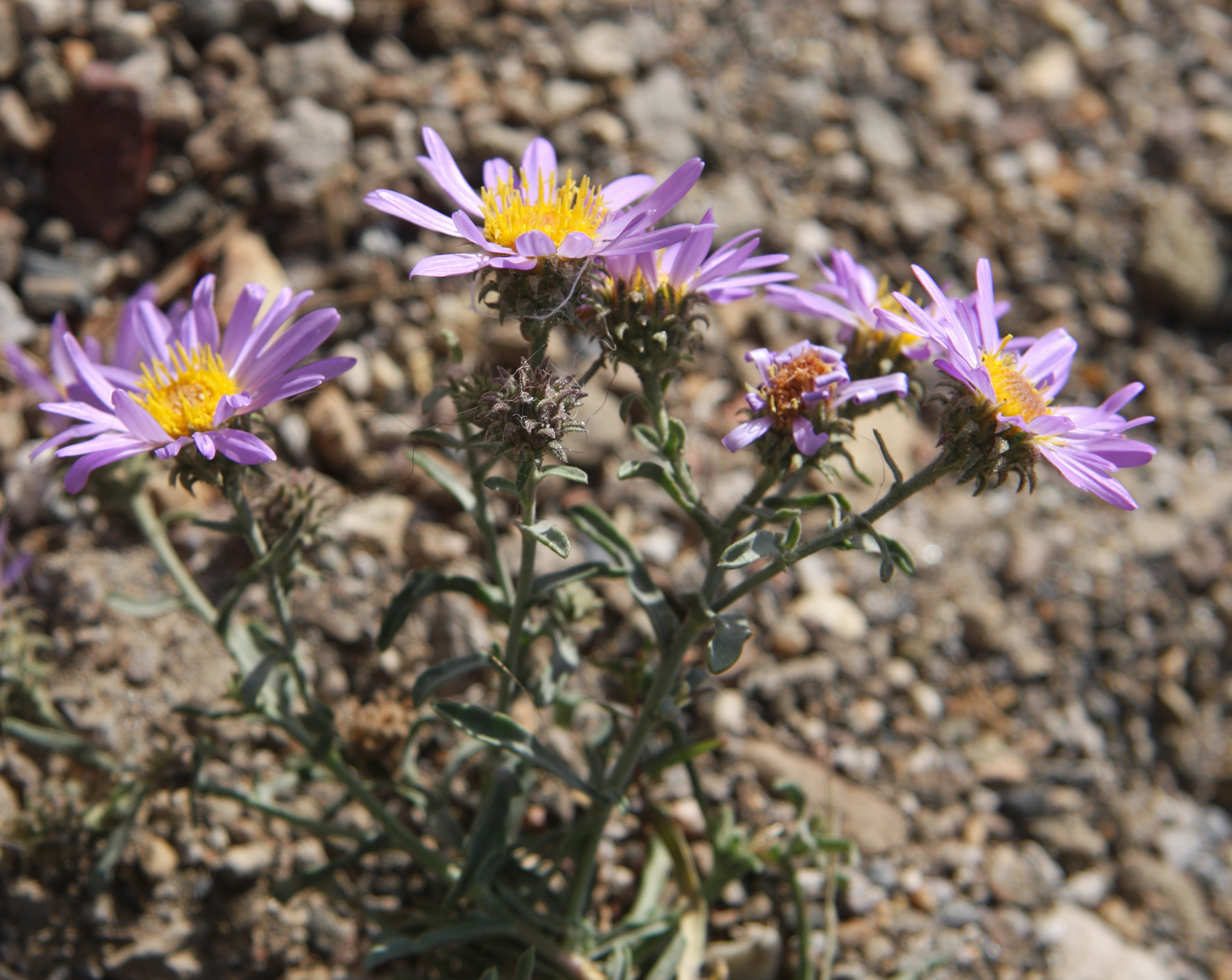
Photo: Dcrjsr / Wikimedia Commons / CC BY 3.0
Bloom window: August to September
Habitat: High alpine meadows
A low-growing aster with a relatively large purple flower head and a yellow center, rising from a basal rosette of leaves. It is one of the last flowers to bloom before the winter snows return.
Mountain Avens
Dryas octopetala
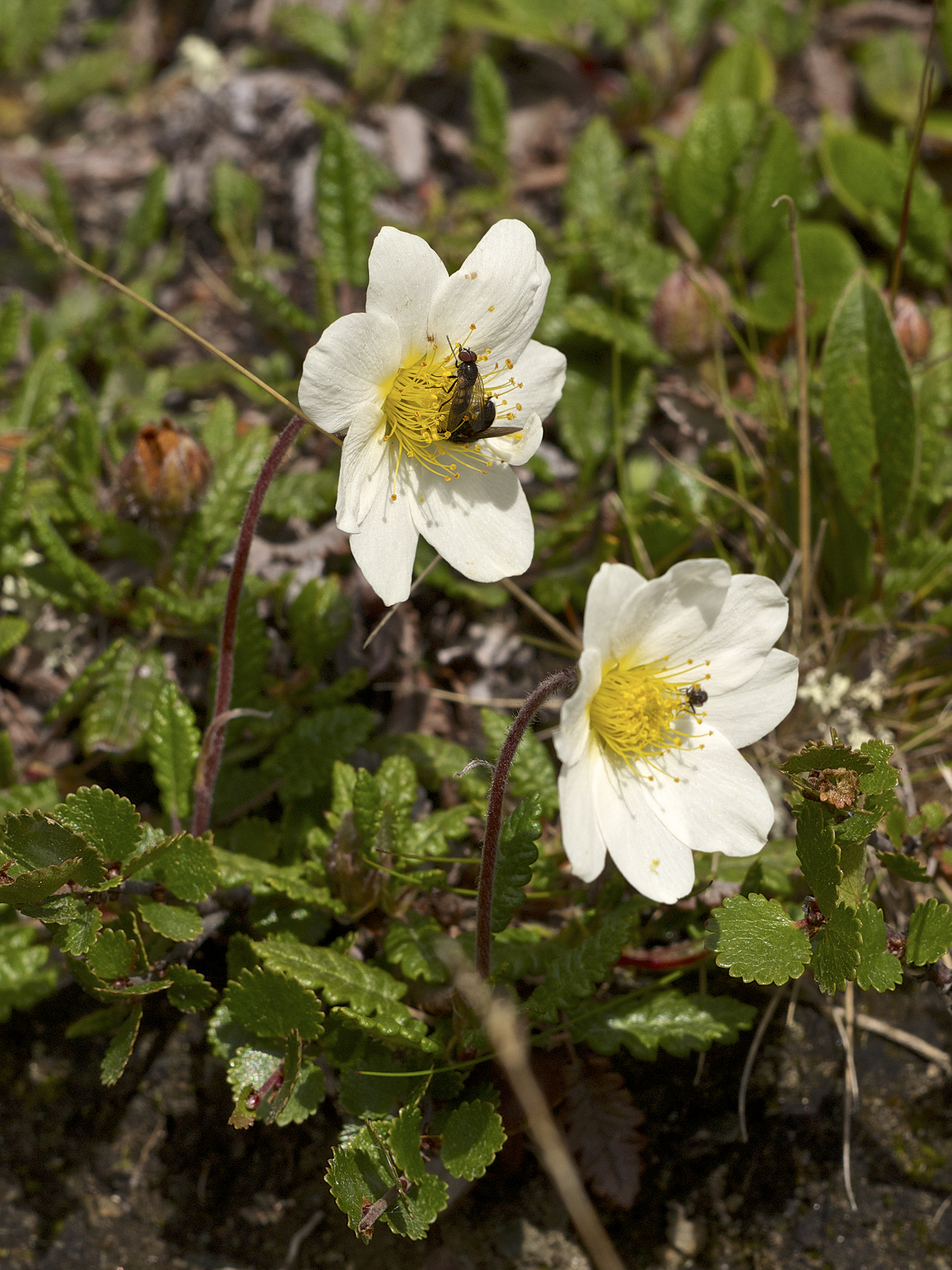
Jörg Hempel, CC BY-SA 3.0 DE https://creativecommons.org/licenses/by-sa/3.0/de/deed.en, via Wikimedia Commons
Bloom window: July to August
Habitat: Exposed rocky ridges
A low, mat-forming shrub with white, eight-petaled flowers and small, leathery, oak-like leaves. It is an Arctic relic, a leftover from the last ice age.
Moss Campion
Silene acaulis

Photo: National Parks Gallery / Picryl / Public Domain
Bloom window: July to August
Habitat: High alpine rocky fellfields
A classic cushion plant. It forms a dense, bright green, moss-like dome that becomes covered in tiny, star-shaped pink flowers. The cushion shape protects the plant from the wind and traps heat.
Alpine Buttercup
Ranunculus eschscholtzii
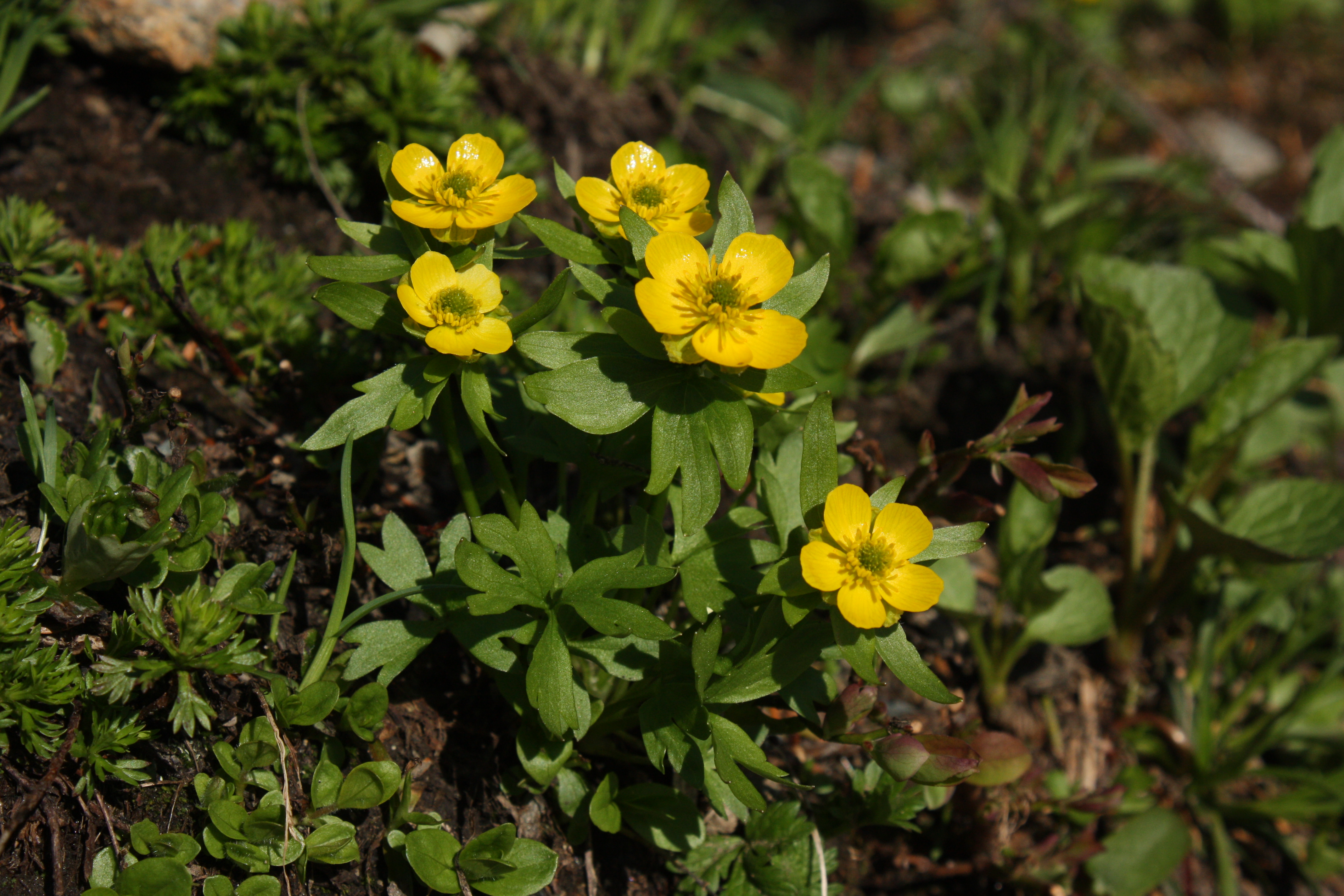
Photo: Walter Siegmund / Wikimedia Commons / CC BY-SA 3.0
Bloom window: July to August
Habitat: Moist alpine meadows and snowmelt seeps
A small, bright yellow flower with shiny petals, often blooming just inches from receding snowbanks in the high country.
Butterwort
Pinguicula vulgaris
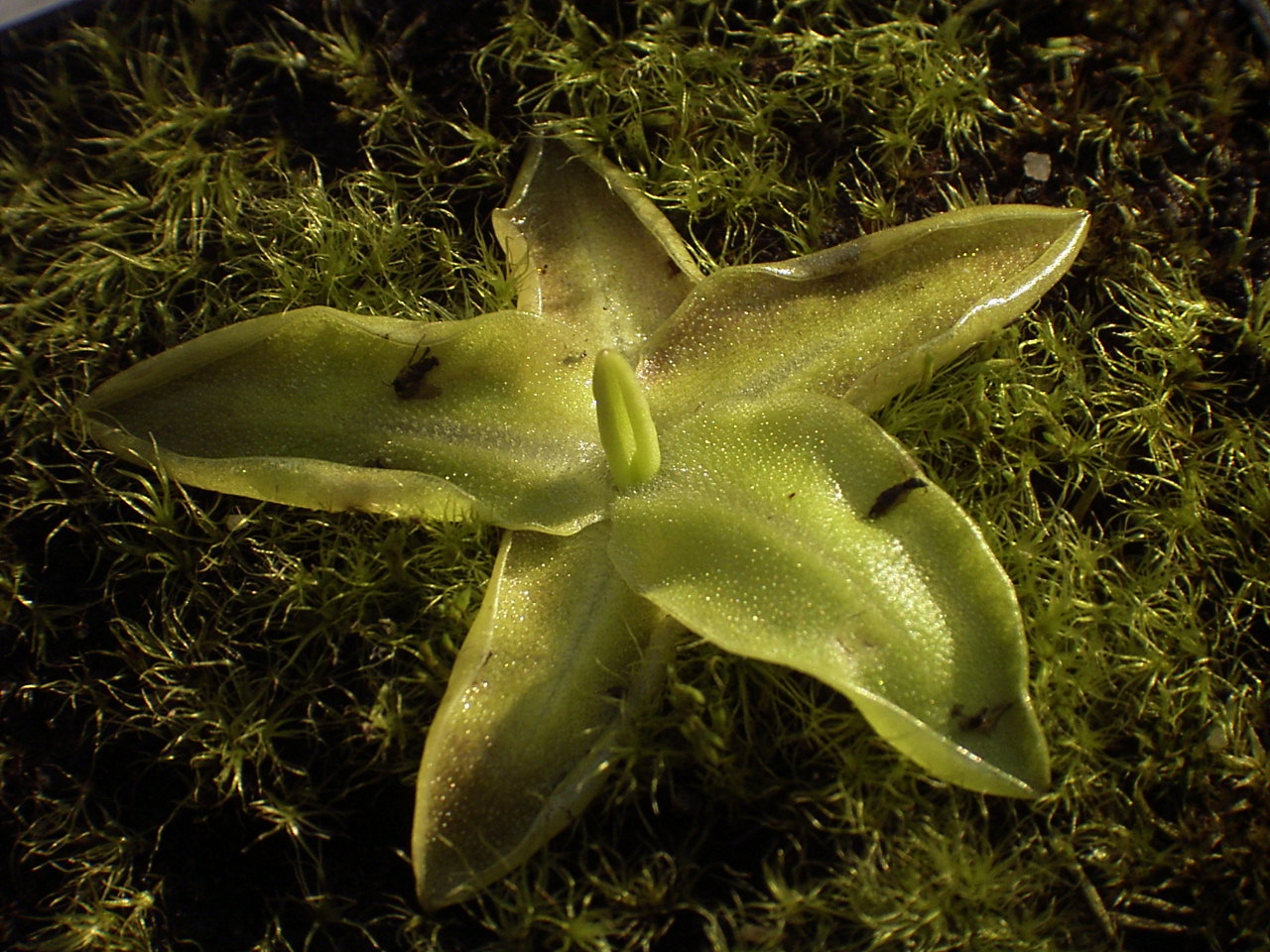
Photo: Denis Barthel / Wikimedia Commons / CC BY-SA 3.0
Bloom window: July to August
Habitat: Wet, boggy alpine seeps
A carnivorous plant. It features a single, nodding purple flower on a slender stalk. The yellowish-green basal leaves are covered in a sticky, glandular fluid that traps and digests small insects to supplement the poor alpine soil.
Alpine Phlox
Phlox pulvinata
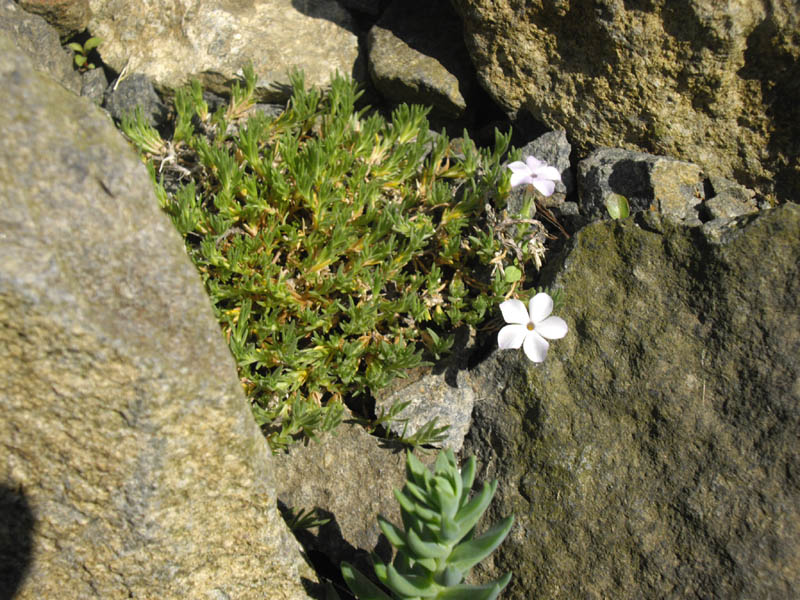
Photo: Ghislain118 / Wikimedia Commons / CC BY-SA 3.0
Bloom window: July to August
Habitat: Dry, rocky alpine ridges
Another mat-forming cushion plant that produces a profusion of fragrant, five-petaled white to pale pink flowers, often completely obscuring the needle-like foliage beneath.
Purple Prairie Clover
Dalea purpurea
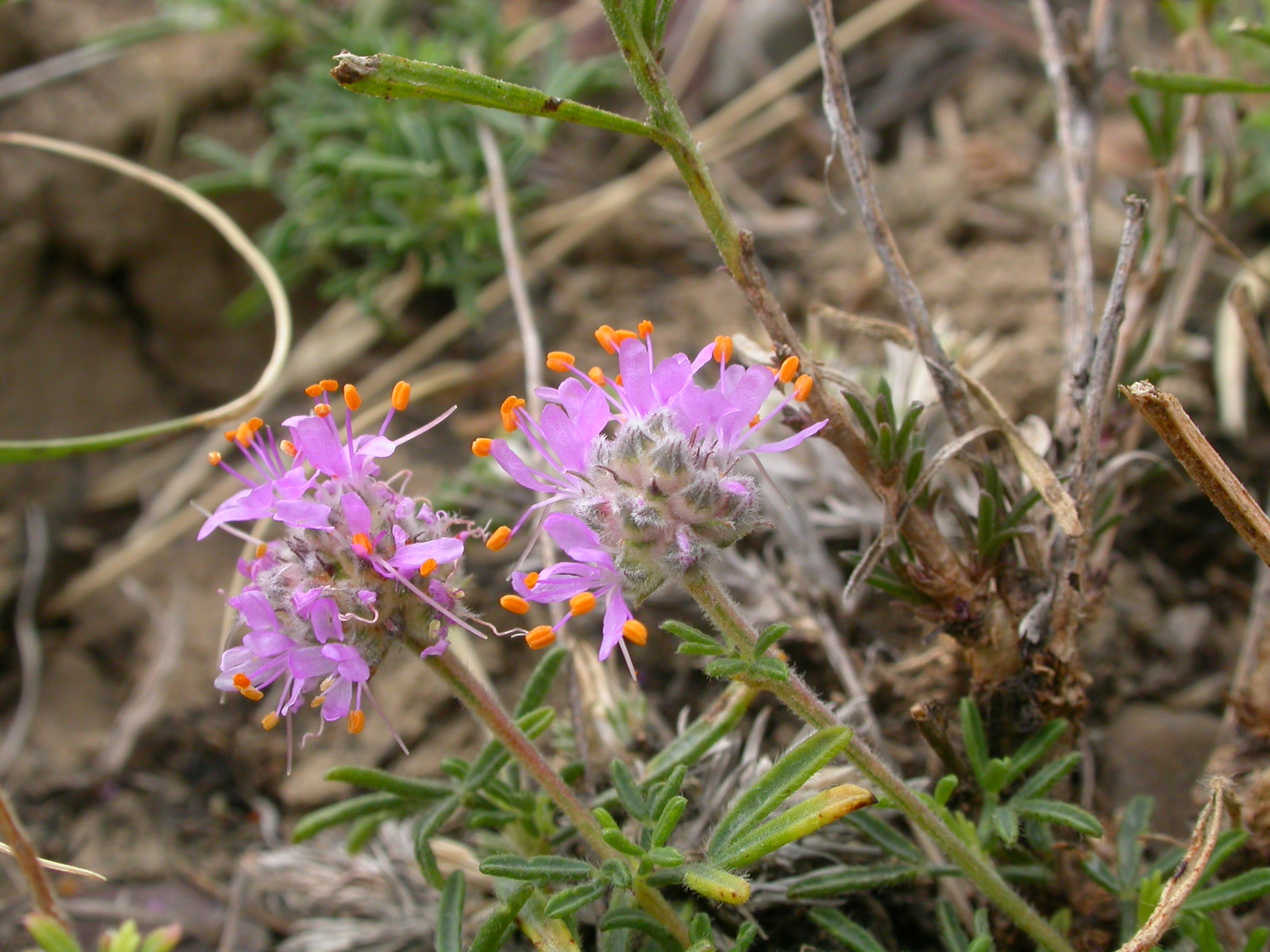
Matt Lavin / Flickr / Wikimedia Commons / CC BY-SA 2.0
Bloom window: July to August
Habitat: Dry prairies and grassy valleys
A distinctive plant with a cone-shaped flower head that blooms from the bottom up in a ring of tiny, bright purple flowers. The leaves are finely divided.
Wild Blue Flax
Linum lewisii
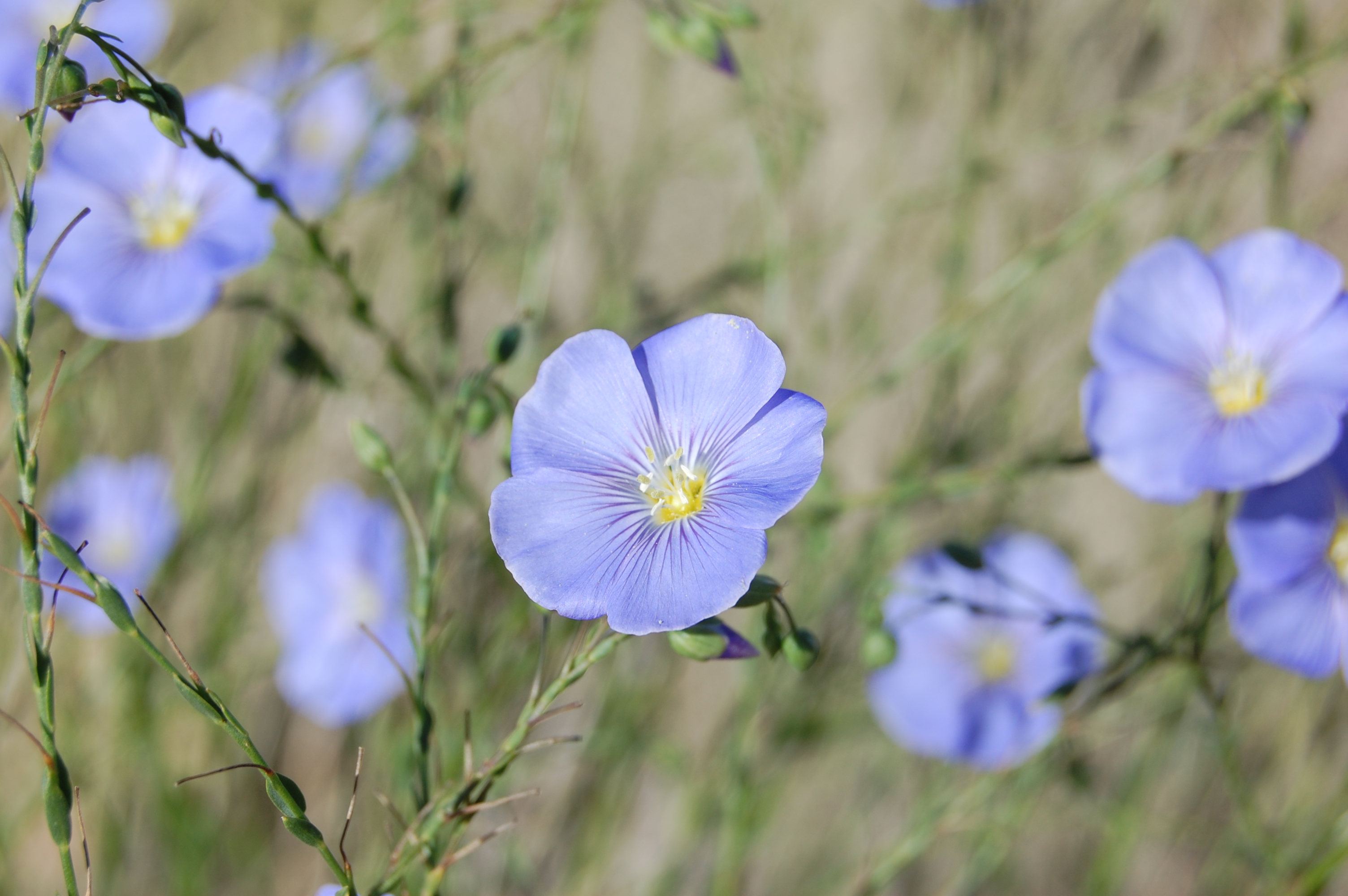
Photo: Skoch3 / Wikimedia Commons / CC BY-SA 3.0
Bloom window: June to August
Habitat: Open, dry prairies and rocky slopes
A slender, graceful plant with pale blue, five-petaled flowers that open in the morning and often drop their petals by the heat of the afternoon. It was named for Meriwether Lewis.
Prickly Pear Cactus
Opuntia polyacantha
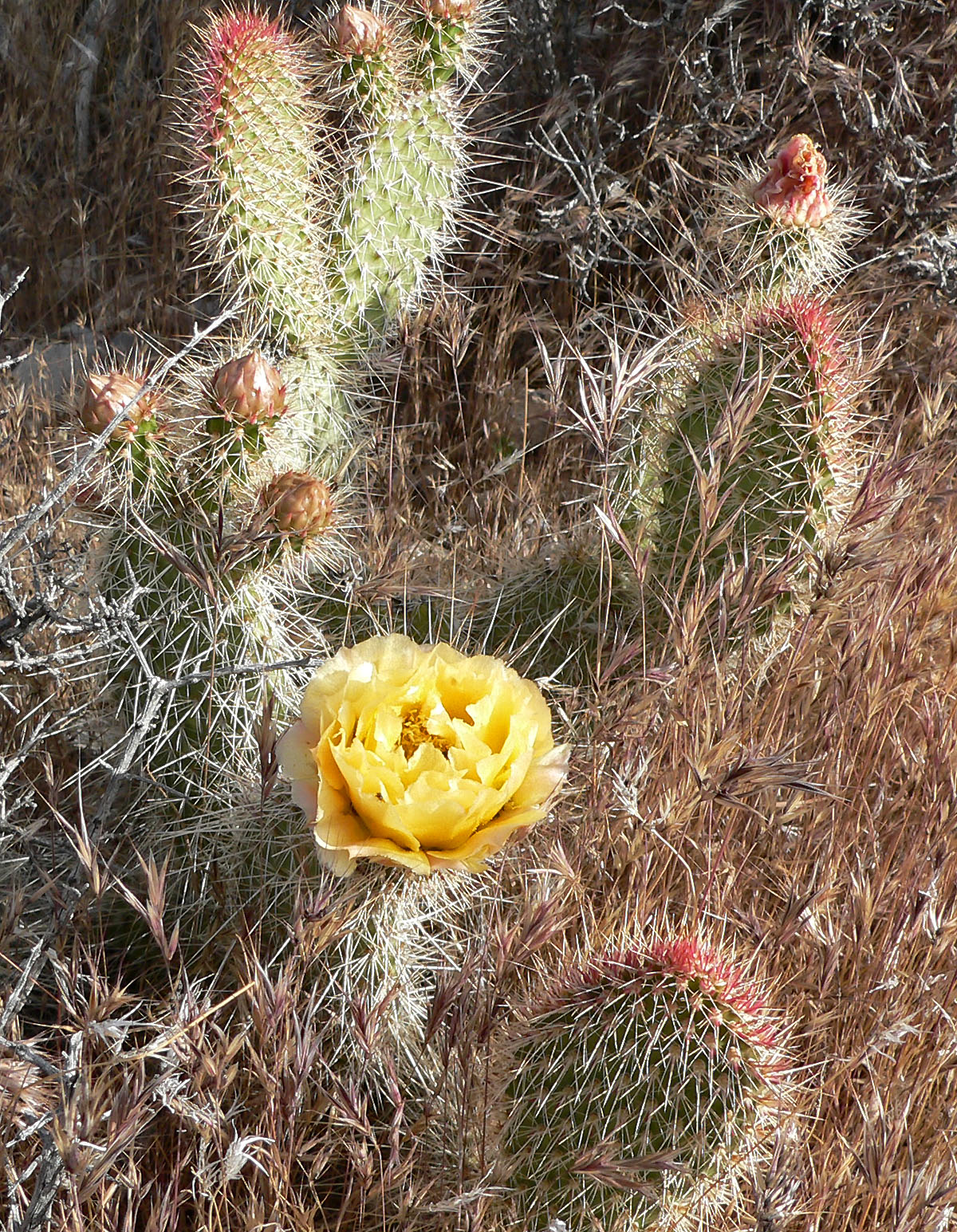
Photo: Stan Shebs / Wikimedia Commons / CC BY-SA 3.0
Bloom window: June to July
Habitat: Dry plains and badlands
A low-growing, sprawling cactus with flattened, spiny pads. In early summer, it produces large, striking, pale yellow to pinkish flowers with papery petals.
Viewing ethics
Photograph, do not pick. Alpine cushion plants and wet meadows are easily damaged. Dogs and off-trail shortcuts flatten blooms that took years to establish.
Visitor Access
- Nearest town: Glendive
- Elevation focus: Eastern Prairie
- Best season: June through August
- Access: Makoshika State Park day-use fees apply; state parks prohibit plant collecting. Photograph only—leave every bloom.
- Reminder: National Parks and Montana State Parks prohibit collecting plants. This guide is for viewing and identification only.