The Beartooth Highway climbs toward 11,000 feet into Arctic-like tundra. Alpine forget-me-nots, moss campion, and mountain avens hug the rock through a bloom measured in weeks, not months.
Map pins mark viewing hubs—not secret patches. Stay on durable surfaces, leave every flower, and never dig plants on park or tribal land.
Glacier Lily
Erythronium grandiflorum
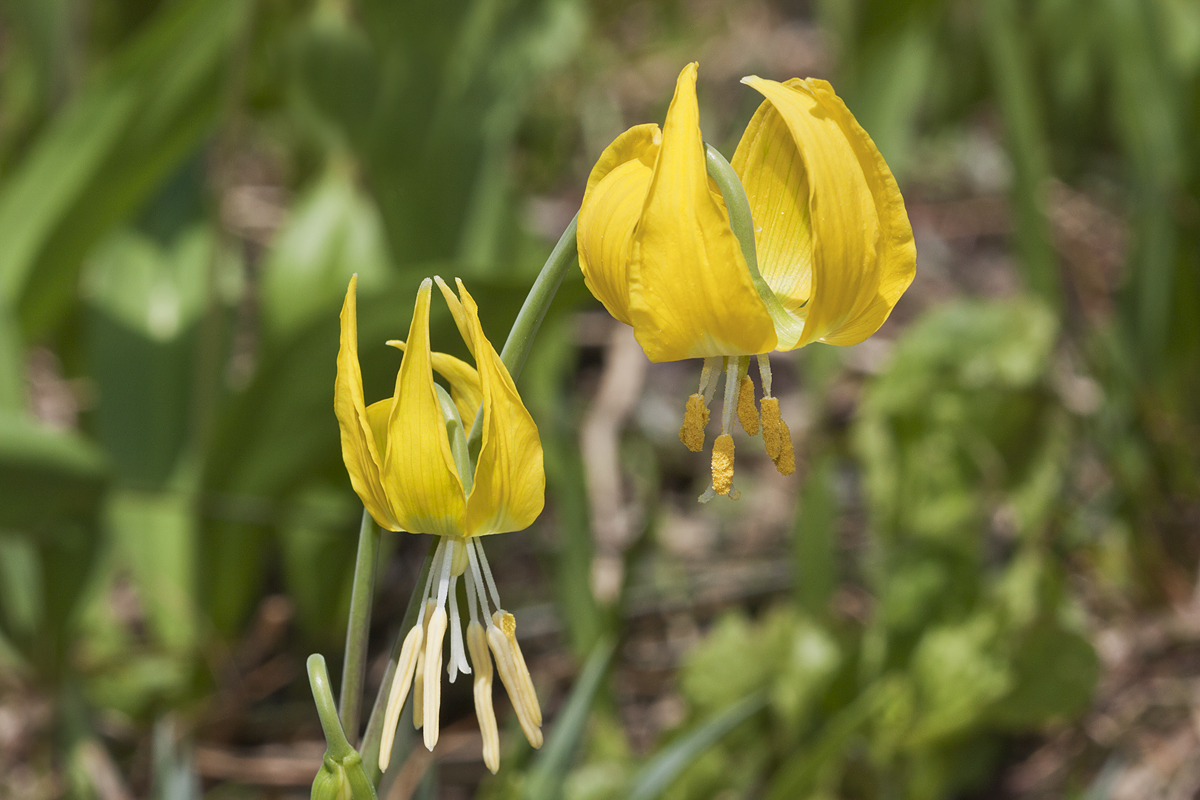
Photo: Bill Bouton / Flickr / CC BY-SA 2.0
Bloom window: June to July
Habitat: Subalpine meadows and forest edges
A striking, nodding, lemon-yellow flower with swept-back petals and prominent anthers. They often bloom right at the edge of receding snowbanks. The corms are a critical spring food source for grizzly bears.
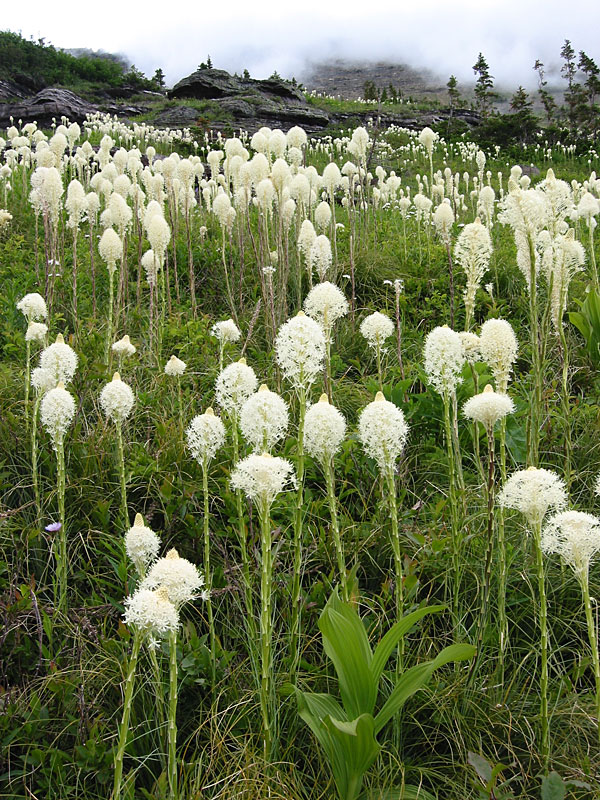
Beargrass
Xerophyllum tenax
NPS Photo, Glacier National Park, Montana, USA, 5 July 2003
Bloom window: Late June to August
Habitat: Open subalpine forests and meadows
A towering plant that can reach five to eight feet in height, topped with a dense, club-shaped cluster of tiny white flowers. The leaves are tough and grass-like. Beargrass does not bloom every year; it experiences massive, synchronized "mast" blooms every five to ten years.
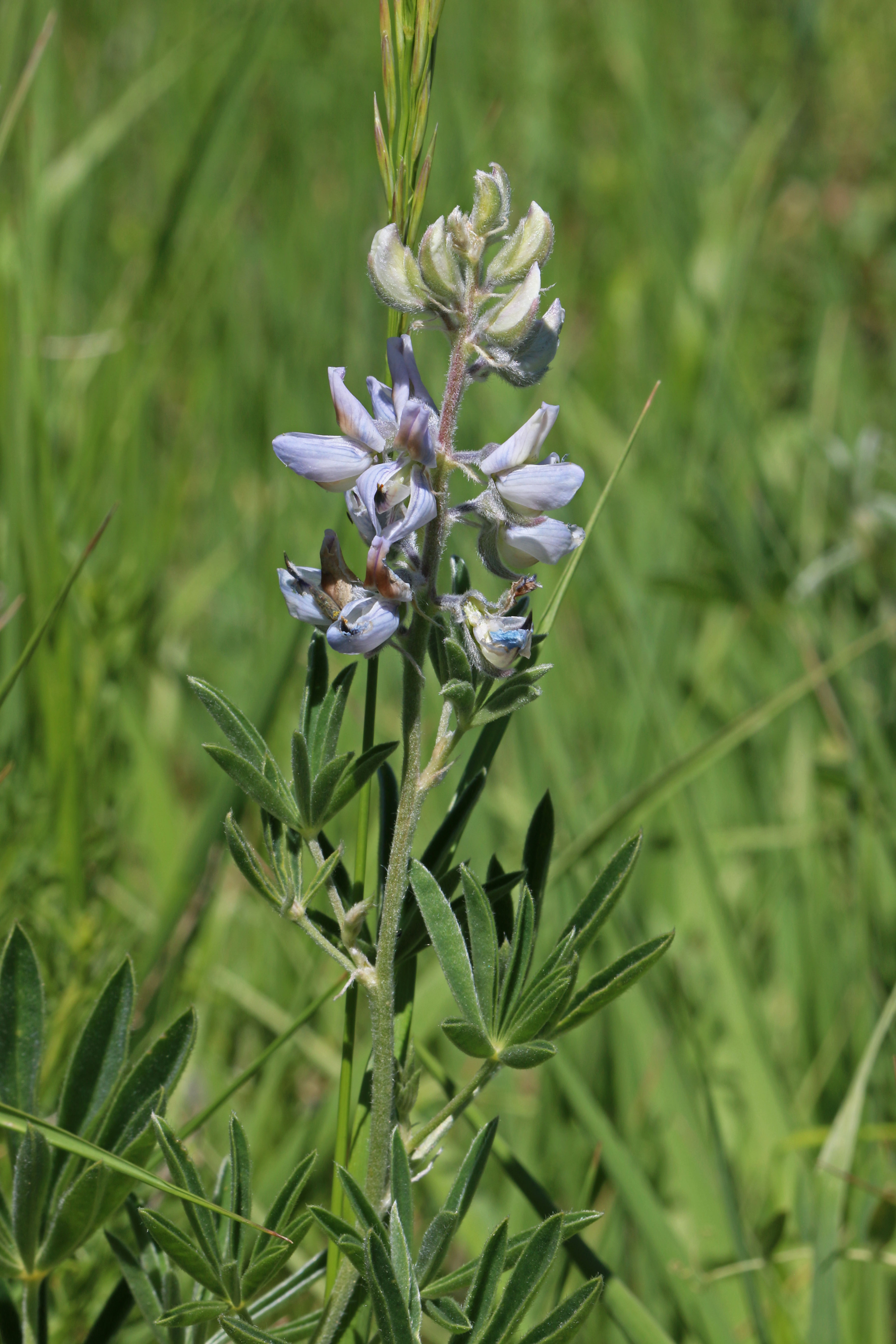
Silky Lupine
Lupinus sericeus
Andrey Zharkikh from Salt Lake City, USA, CC BY 2.0 https://creativecommons.org/licenses/by/2.0, via Wikimedia Commons
Bloom window: June to August
Habitat: Dry to moist subalpine meadows
A classic mountain wildflower featuring tall spikes of pea-like, blue to purple flowers. The leaves are palmately divided and covered in fine, silvery hairs.
Yellow Columbine
Aquilegia flavescens
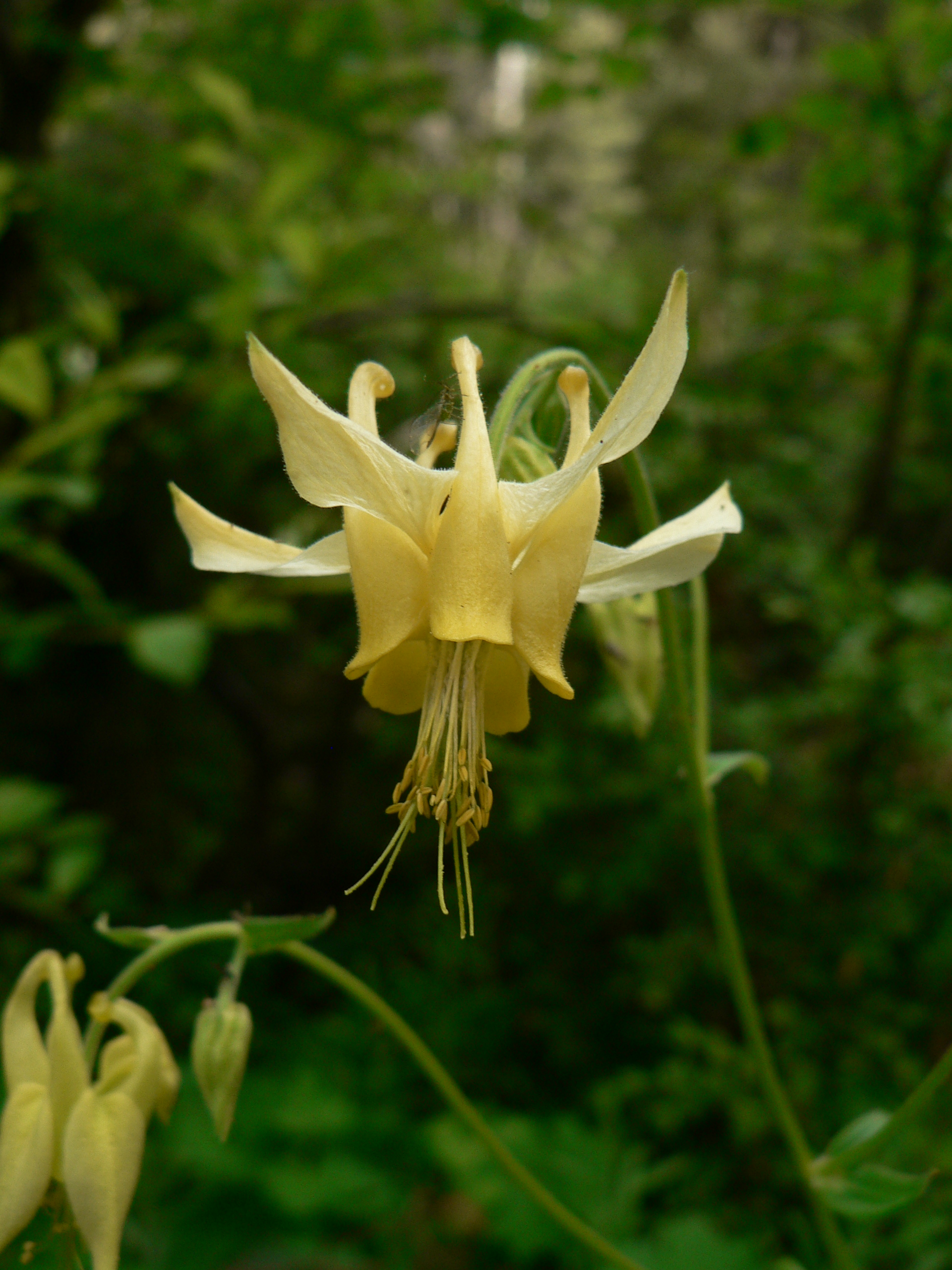
Photo: Walter Siegmund / Wikimedia Commons / CC BY 2.5
Bloom window: June to August
Habitat: Moist meadows and rocky slopes
A delicate, nodding yellow flower with five distinct, backward-pointing spurs that hold nectar. The leaves are deeply lobed and fern-like.
Elephant's Head
Pedicularis groenlandica

Photo: Matt Lavin / Flickr / CC BY-SA 2.0
Bloom window: July to August
Habitat: Wet meadows and high streambanks
A fascinating plant with a tall spike of pink to purple flowers. Upon close inspection, each individual flower perfectly resembles the face of an elephant, complete with a curving trunk and floppy ears.
Old Man of the Mountain
Hymenoxys grandiflora
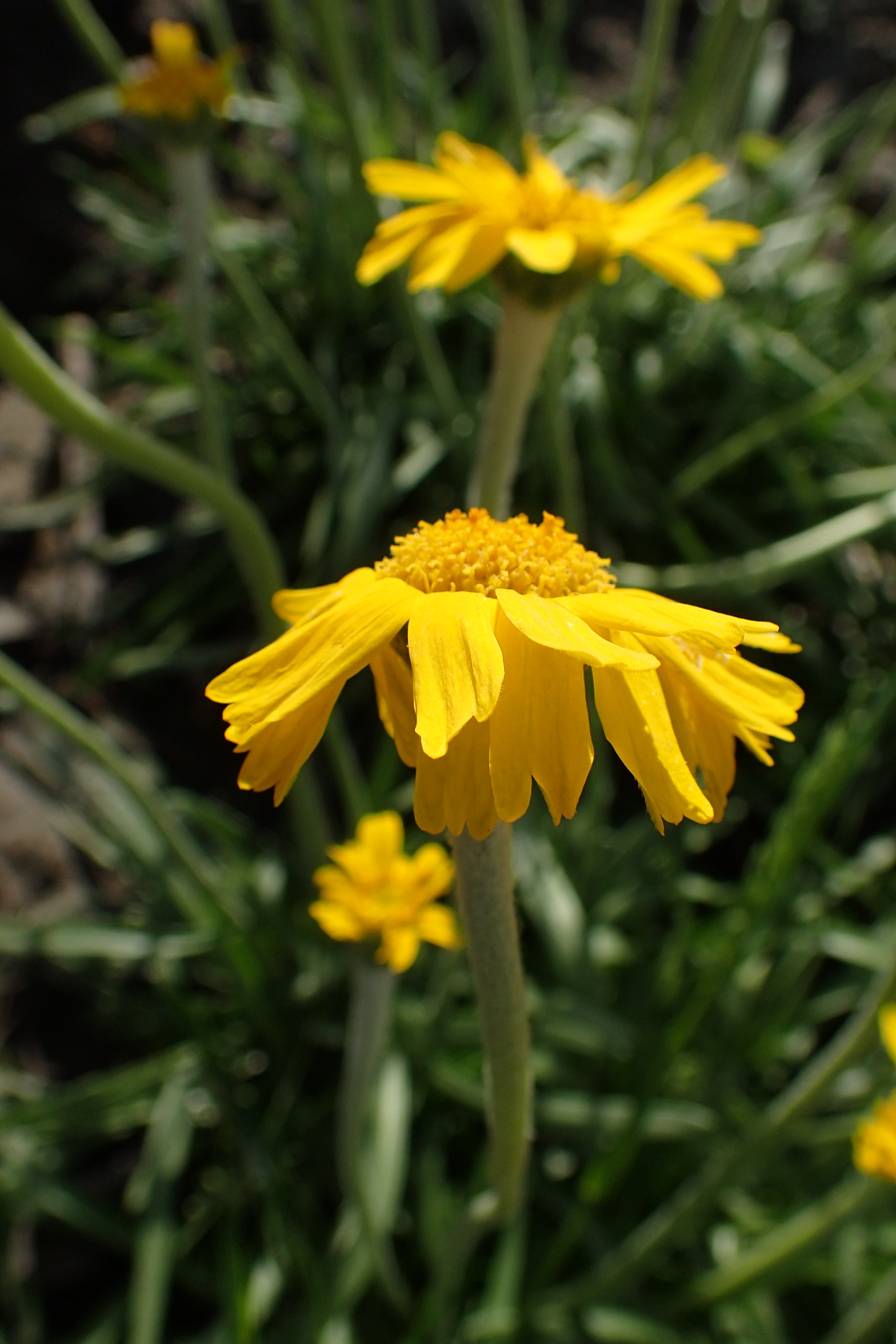
Photo: Krzysztof Ziarnek, Kenraiz / Wikimedia Commons / CC BY-SA 4.0
Bloom window: July to August
Habitat: High alpine and subalpine ridges
A large, cheerful, sunflower-like bloom with yellow petals and a yellow center, sitting atop a relatively short, woolly stem. It is particularly common in the Gravelly Range.
Sky Pilot
Polemonium viscosum
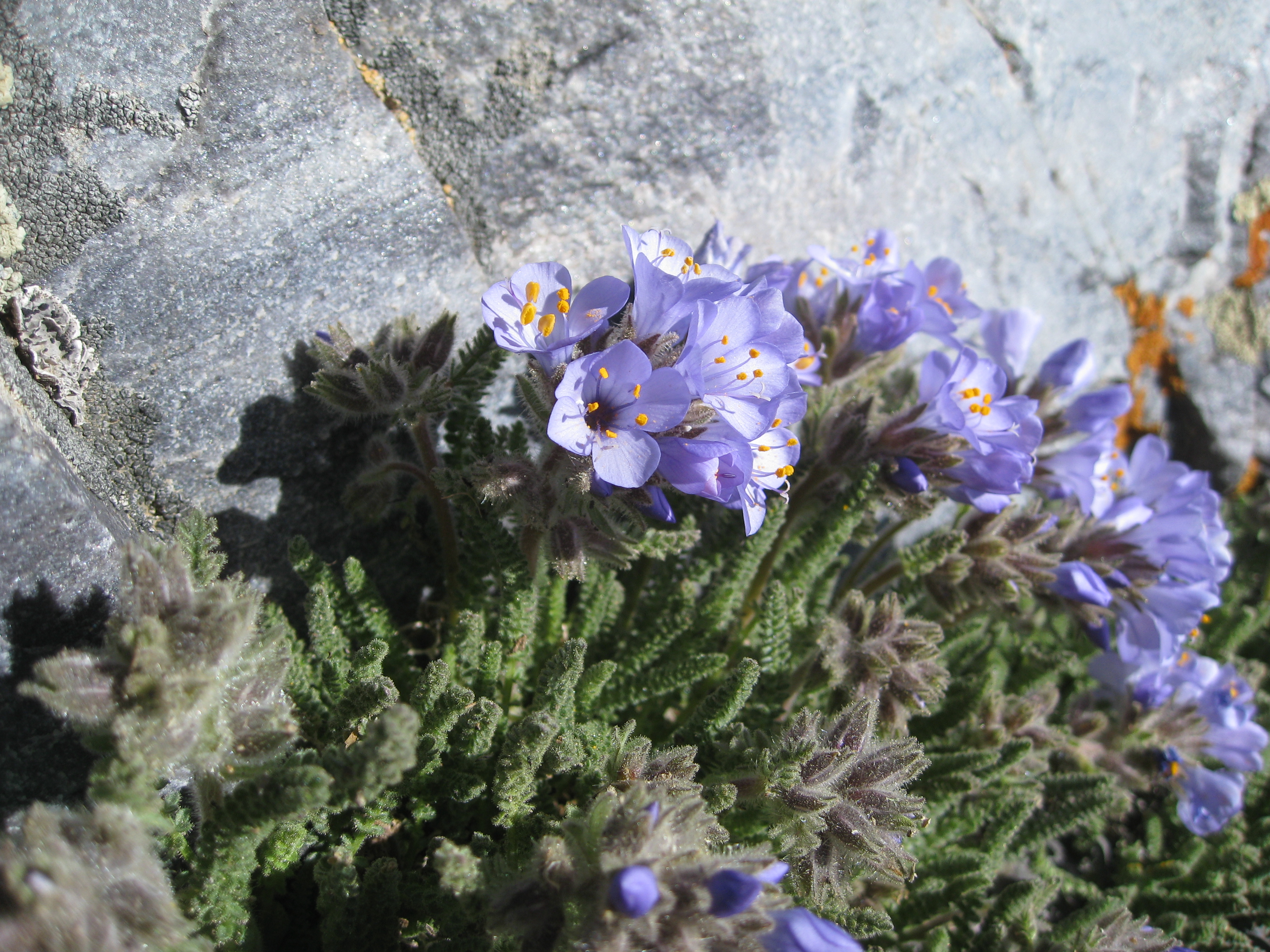
Photo: J Brew / Wikimedia Commons / CC BY-SA 2.0
Bloom window: July to August
Habitat: Rocky, exposed subalpine slopes
A dense cluster of blue to purple, funnel-shaped flowers sitting atop a sticky, foul-smelling stem. The leaves are divided into many small, whorled leaflets.
Steer's Head
Dicentra uniflora
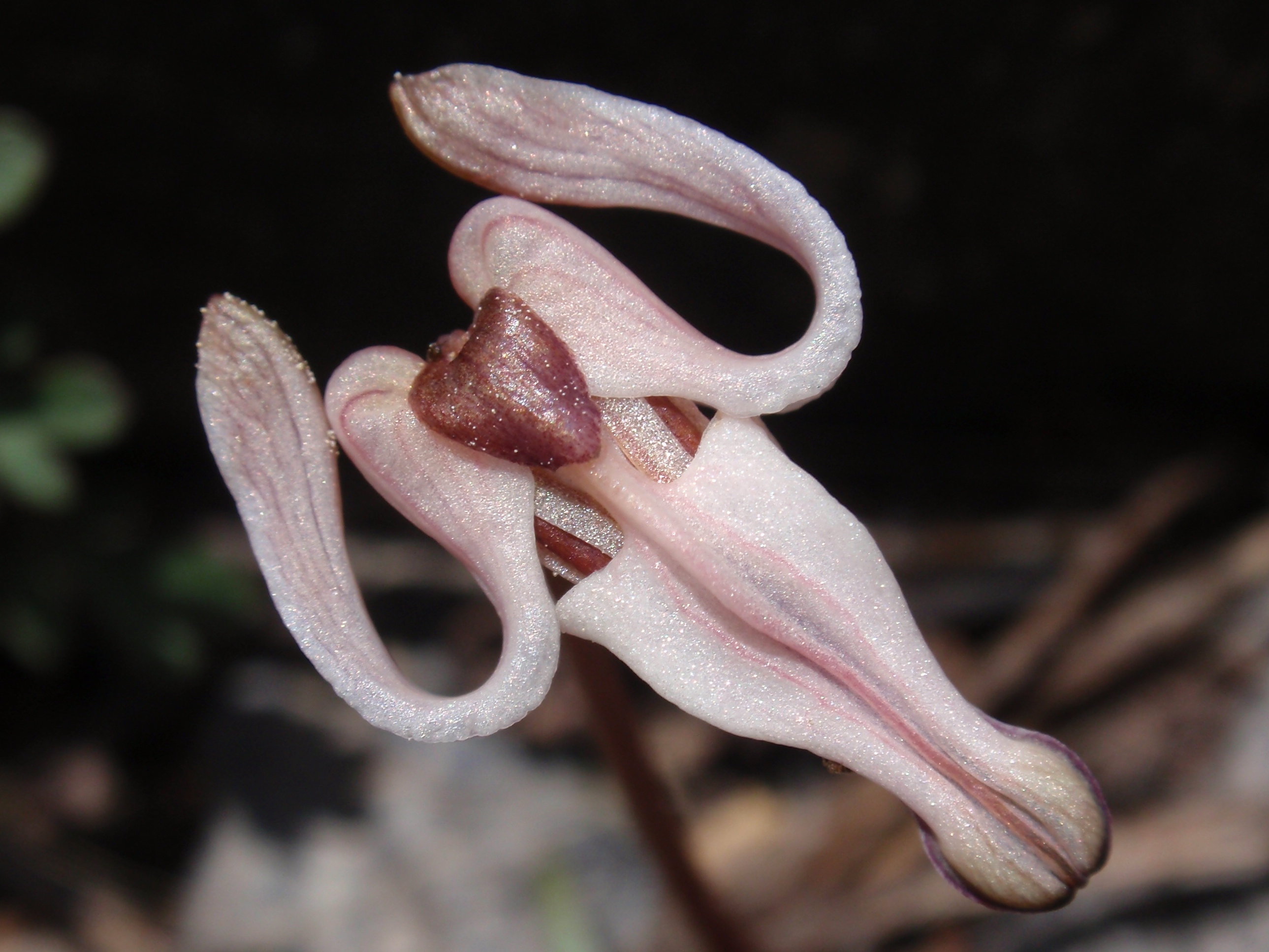
Photo: Tom Hilton / Wikimedia Commons / CC BY 2.0
Bloom window: July to August
Habitat: Gravelly, open subalpine slopes
A rare and easily overlooked plant. The tiny, pale pink to white flower is shaped remarkably like the skull of a steer, with two curved, horn-like petals pointing upward.
Pygmy Bitterroot
Lewisia pygmaea
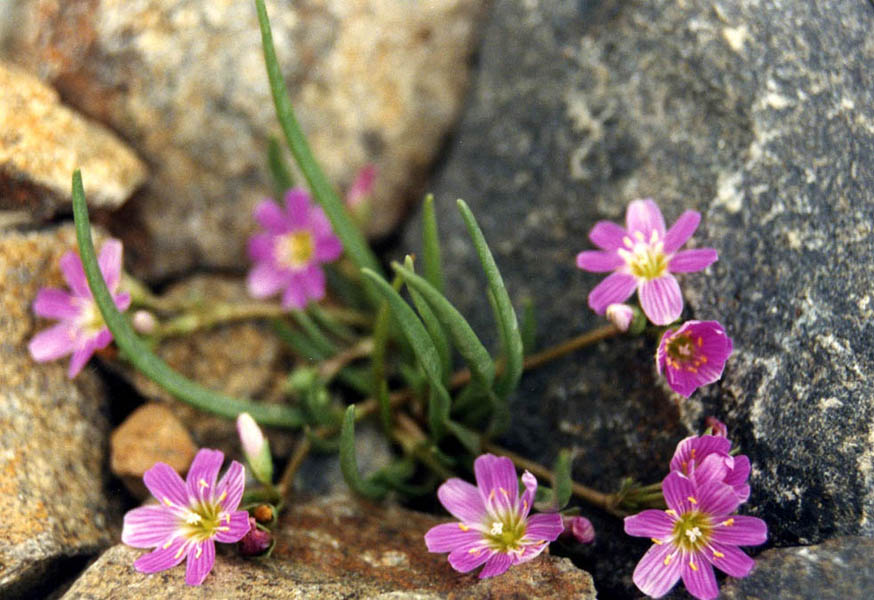
Photo: Ghislain118 (AD) / Wikimedia Commons / CC BY-SA 3.0
Bloom window: July to August
Habitat: Rocky, barren subalpine ridges
A tiny, ground-hugging plant with a rosette of fleshy leaves and small, bright pink to white flowers. It thrives in harsh, exposed conditions where little else grows.
Sitka Valerian
Valeriana sitchensis
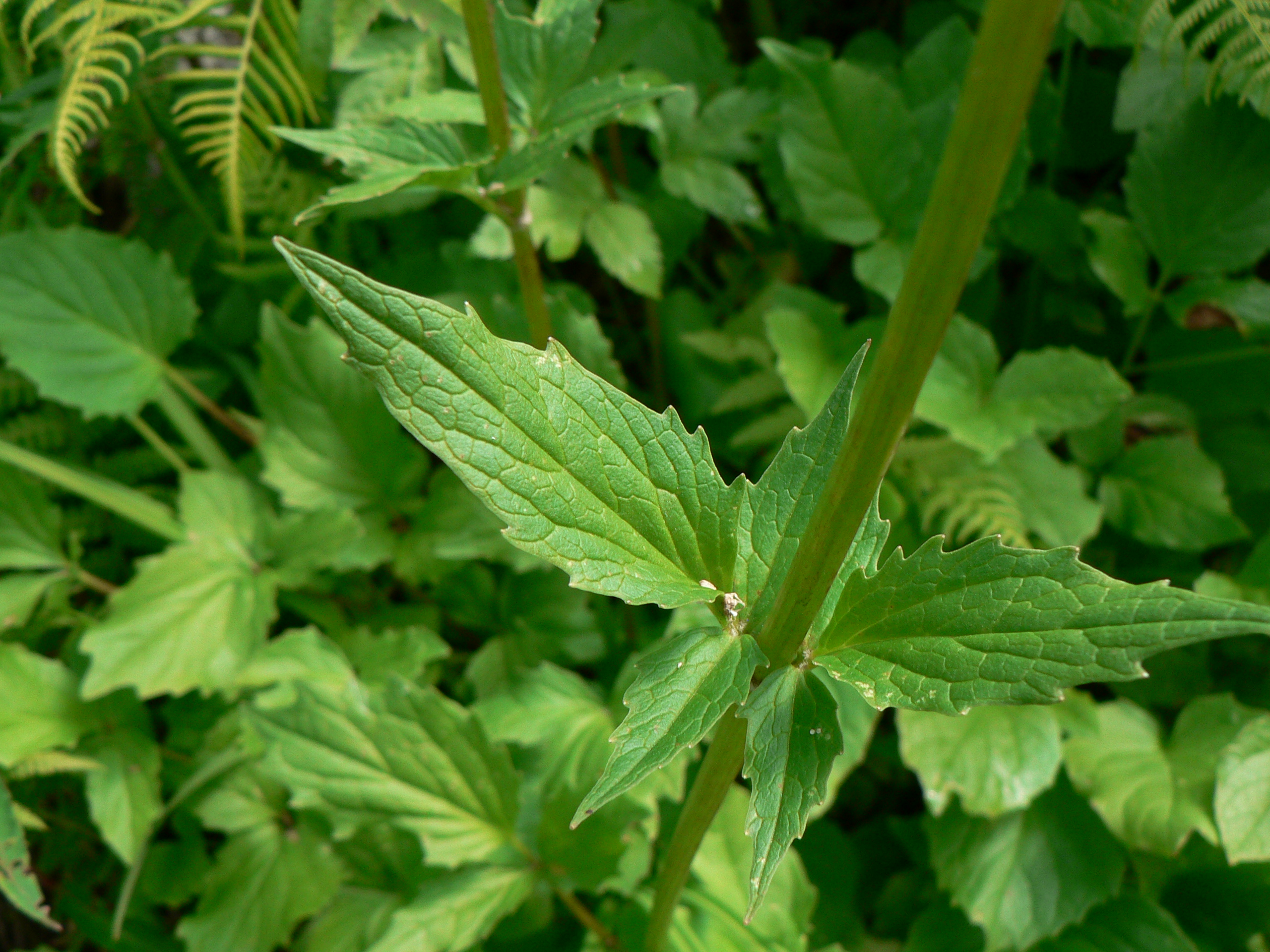
Photo: Walter Siegmund / Wikimedia Commons / CC BY-SA 3.0
Bloom window: July to August
Habitat: Moist subalpine meadows
A tall plant producing flat-topped clusters of small, white to pale pink flowers. It has a strong, distinctive, somewhat musky odor that permeates high mountain meadows.
Viewing ethics
Photograph, do not pick. Alpine cushion plants and wet meadows are easily damaged. Dogs and off-trail shortcuts flatten blooms that took years to establish.
Visitor Access
- Nearest town: Red Lodge
- Elevation focus: Alpine Tundra
- Best season: Late July through mid-August at the highest elevations
- Access: Beartooth Highway (US-212) typically opens late May and closes with autumn snow. Stay on durable surfaces—cushion plants crush easily.
- Reminder: National Parks and Montana State Parks prohibit collecting plants. This guide is for viewing and identification only.