In the Mission Valley, May turns Bison Range hillsides brilliant yellow with arrowleaf balsamroot—dense colonies spilling toward the Flathead River beneath the snowcapped Missions.
Map pins mark viewing hubs—not secret patches. Stay on durable surfaces, leave every flower, and never dig plants on park or tribal land.
Sagebrush Buttercup
Ranunculus glaberrimus
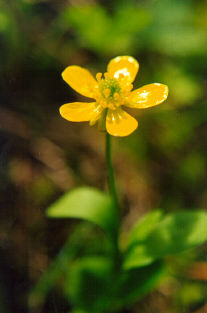
U.S. Forest Service / Wikimedia Commons / Public Domain
Bloom window: March to April
Habitat: Dry, open slopes and sagebrush flats
A tiny, bright yellow flower with shiny petals. Often the very first wildflower to appear in spring, sometimes pushing up through the last patches of snow.
Yellowbell
Fritillaria pudica
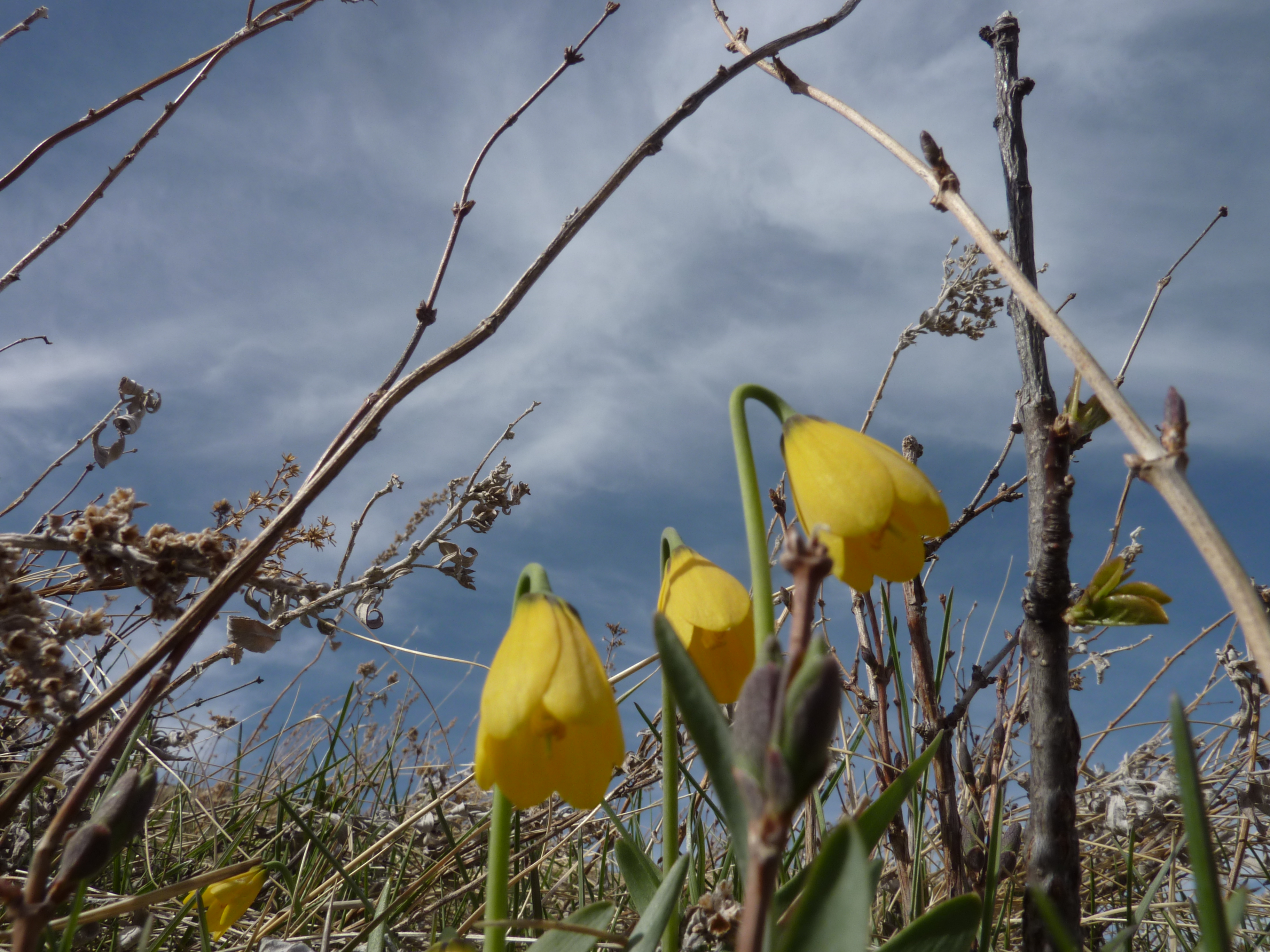
Photo: Lazarus000 / Wikimedia Commons / CC BY-SA 4.0
Bloom window: April to May
Habitat: Dry grasslands and open woodlands
A delicate, nodding, bell-shaped flower in pale to bright yellow. Meriwether Lewis collected this species in 1806. It thrives in loose, gravelly soil.
Pasque Flower
Pulsatilla nuttalliana
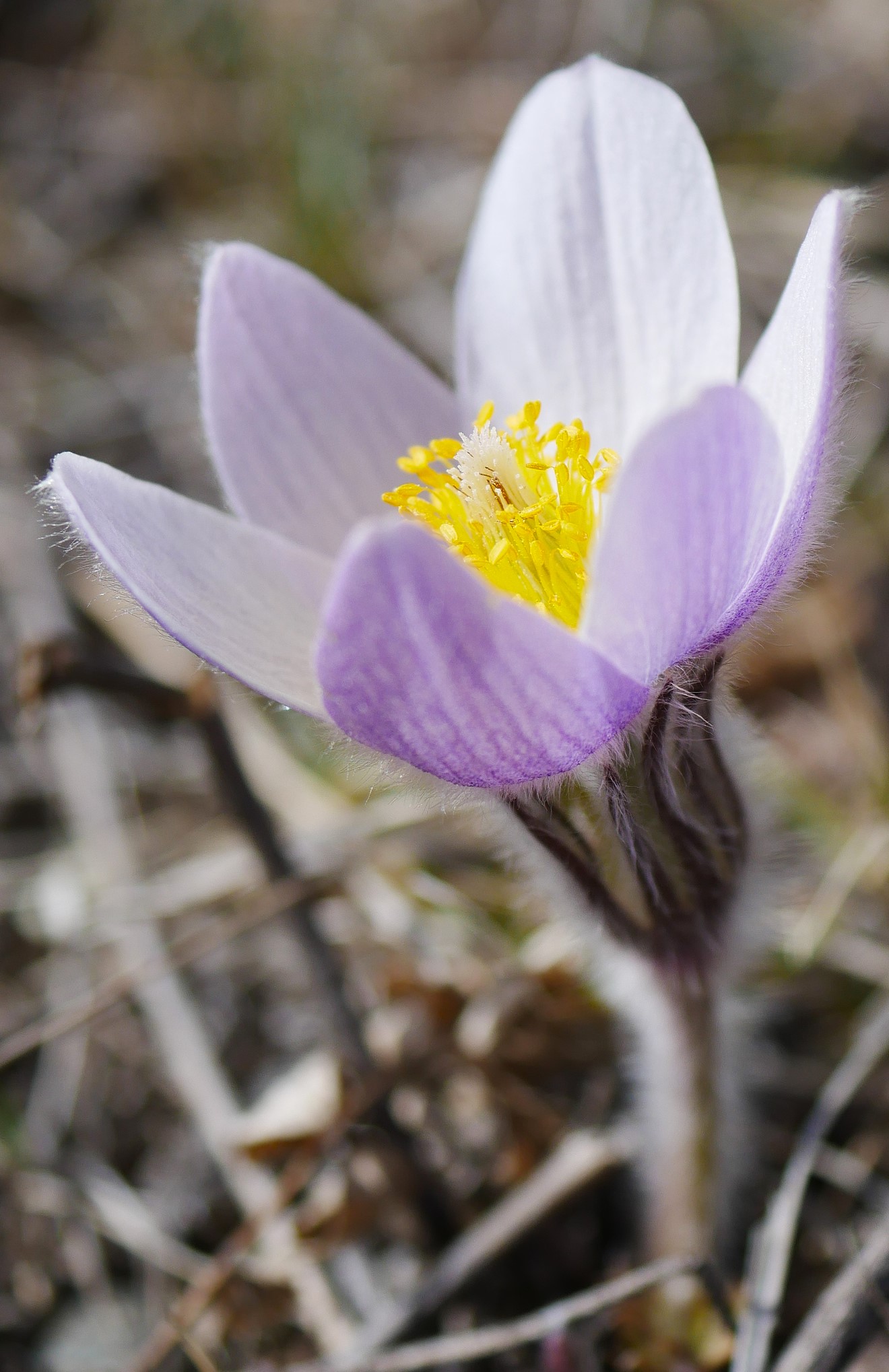
Photo: Thayne Tuason / Wikimedia Commons / CC BY-SA 4.0
Bloom window: April to June
Habitat: Foothills and open prairies
A striking, cup-shaped purple flower with a bright yellow center. The stems and leaves are covered in fine, silky hairs that help protect the plant from late spring frosts.
Bitterroot
Lewisia rediviva
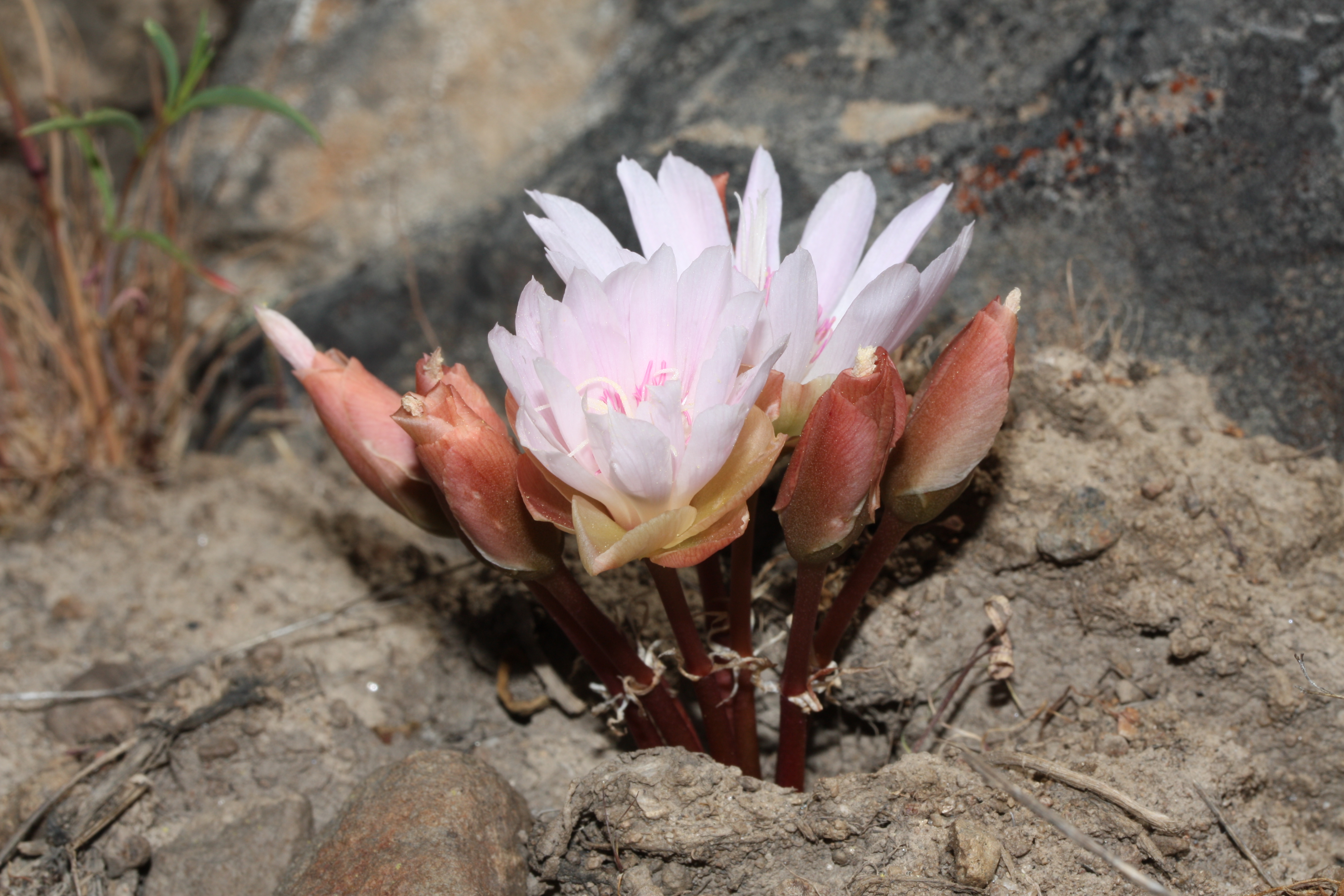
Photo: Wsiegmund / Wikimedia Commons / CC BY-SA 3.0
Bloom window: May to June
Habitat: Dry, exposed mountain slopes and gravelly soils
Montana's state flower. The plant produces a stunning pink to white blossom with 12 to 18 lance-shaped petals. The flowers sit very close to the ground, appearing almost stemless, and the leaves wither away before the bloom opens.
Arrowleaf Balsamroot
Balsamorhiza sagittata
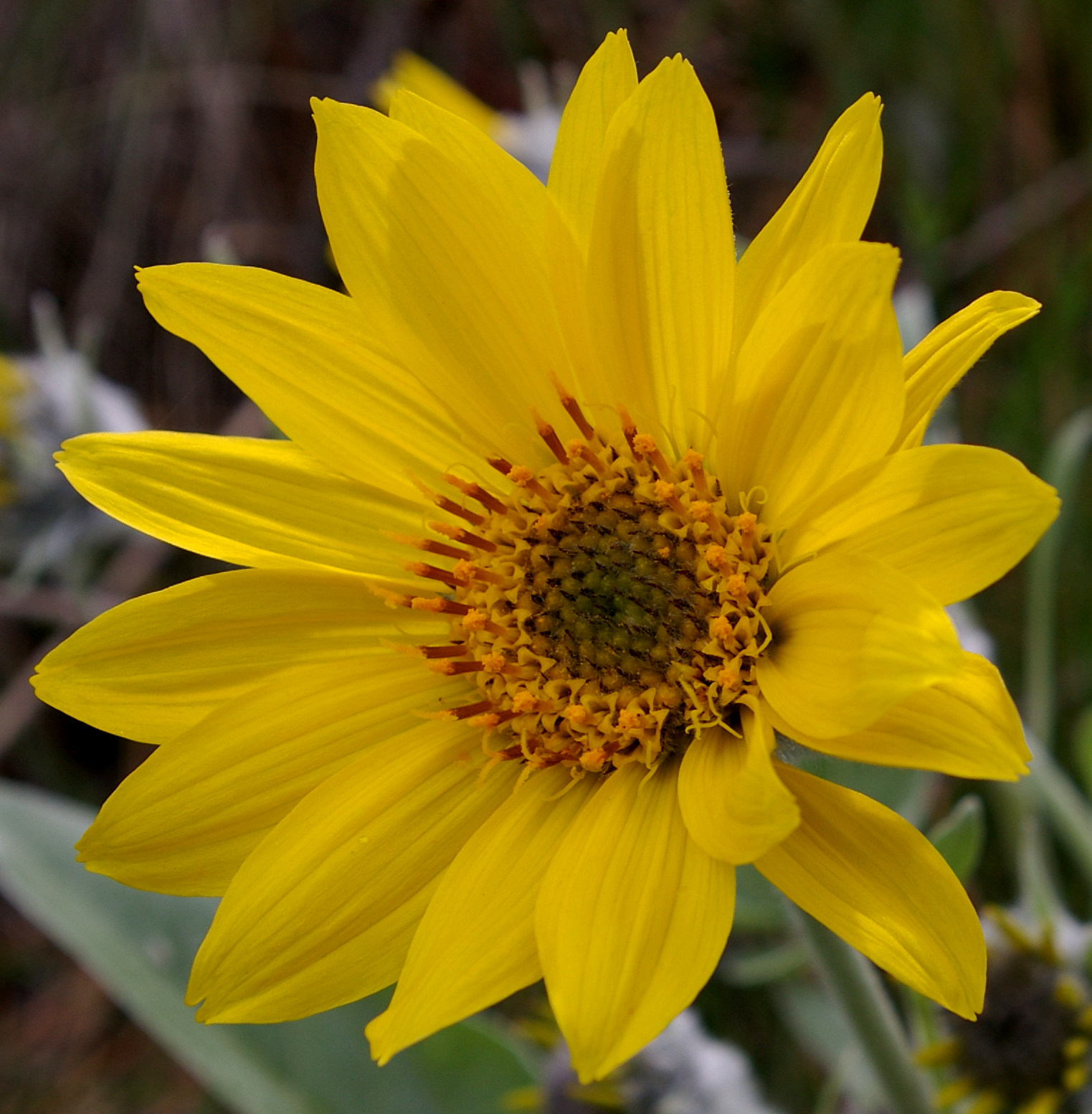
Photo: Mark Wagner / Wikimedia Commons / CC BY 2.5
Bloom window: April to July
Habitat: Open grasslands, valleys, and lower mountain slopes
A large, vibrant yellow flower resembling a sunflower. The plant is easily identified by its large, arrowhead-shaped leaves that are coated in dense, silvery hairs. It grows in massive colonies that can turn entire hillsides yellow.
Shooting Star
Dodecatheon pulchellum
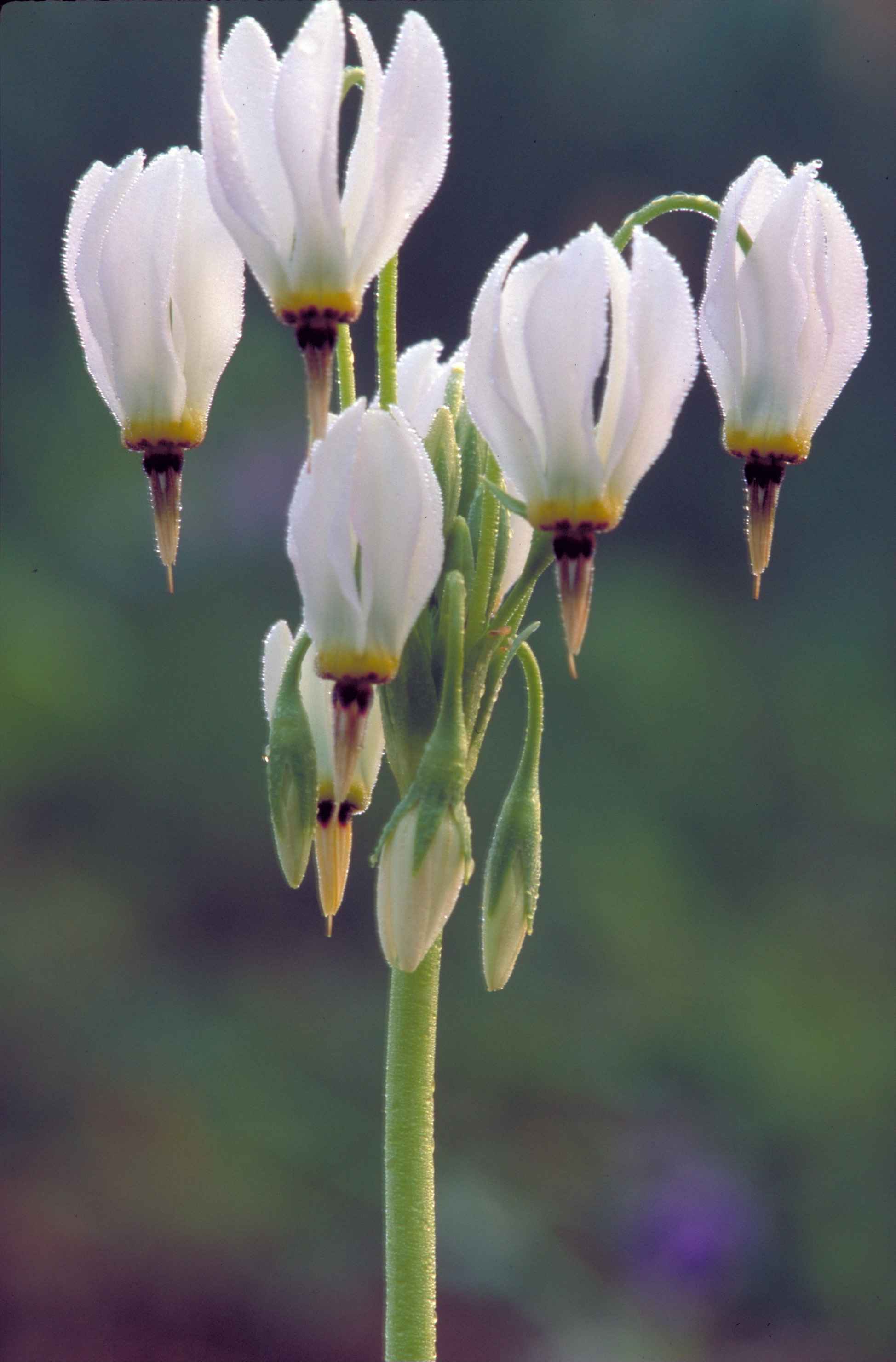
Barnes Dr Thomas G, U.S. Fish and Wildlife Service / Wikimedia Commons / Public Domain
Bloom window: April to June
Habitat: Moist grasslands, open forests, and streambanks
A unique, nodding pink to magenta flower with swept-back petals that resemble a dart or a falling star. The base of the petals forms a yellow and red tube. They are buzz-pollinated by native bumblebees.
Little Larkspur
Delphinium bicolor
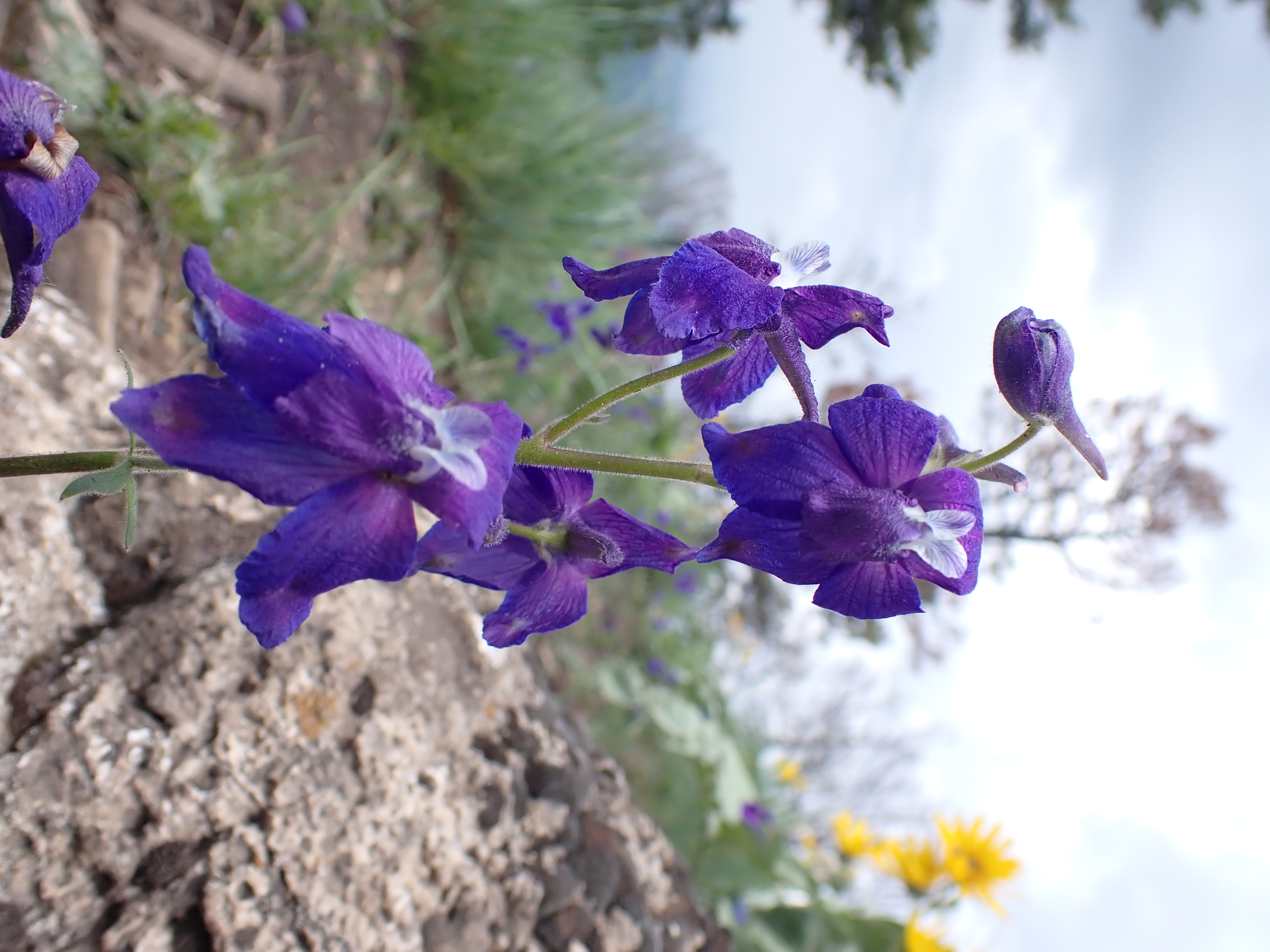
Matt Lavin / Wikimedia Commons / CC BY-SA 2.0
Bloom window: May to July
Habitat: Dry valleys and lower forest edges
A deep bluish-purple flower with a distinctive backward-pointing spur on the upper sepal. The stem typically holds 1 to 15 individual blooms.
Nine-leaf Biscuitroot
Lomatium triternatum
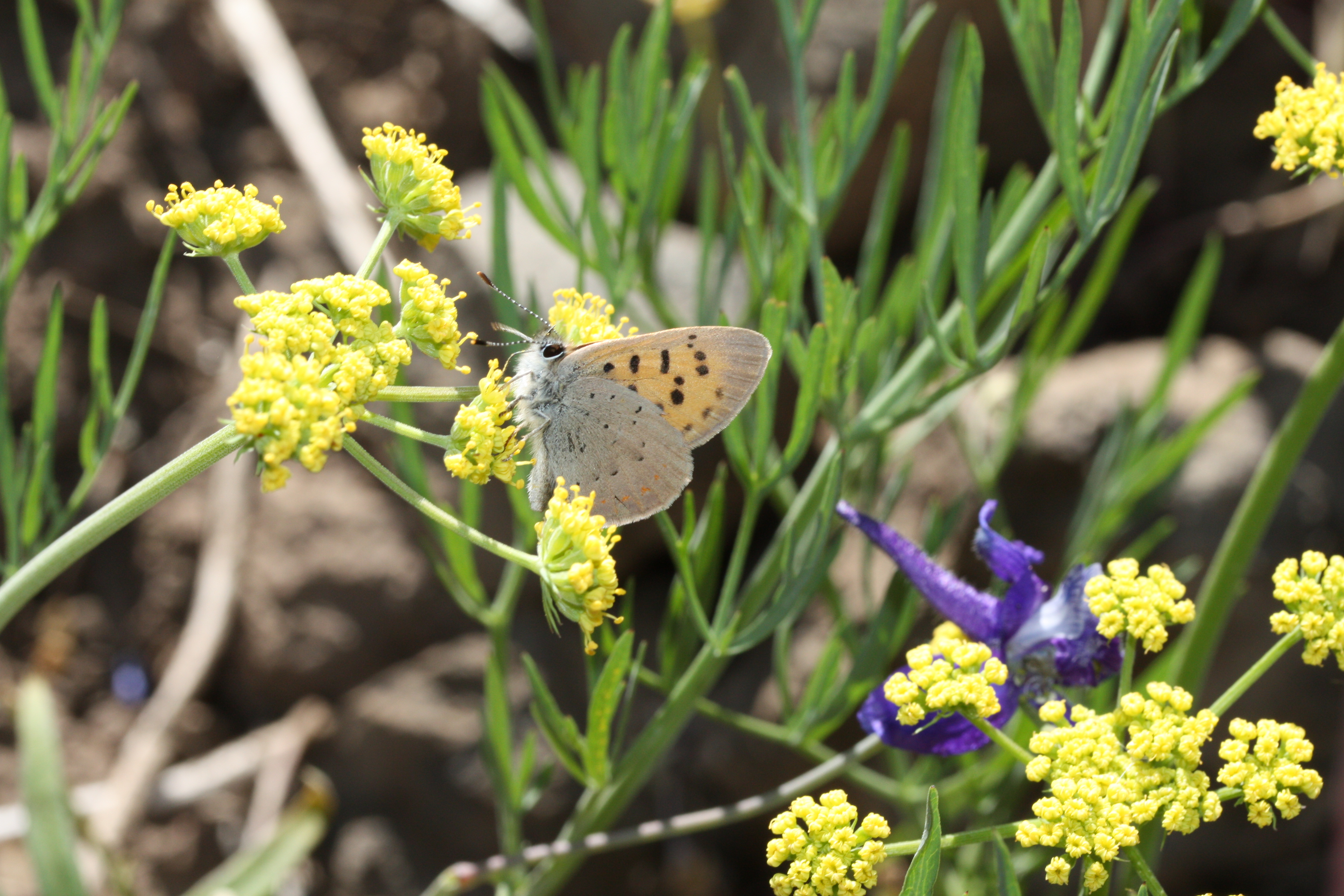
Photo: Walter Siegmund / Wikimedia Commons / CC BY-SA 3.0
Bloom window: May to July
Habitat: Open slopes and dry valleys
Tiny yellow flowers arranged in compact, umbrella-like clusters at the tips of the stalks. The leaves are divided into narrow segments.
Fairy Slipper Orchid
Calypso bulbosa
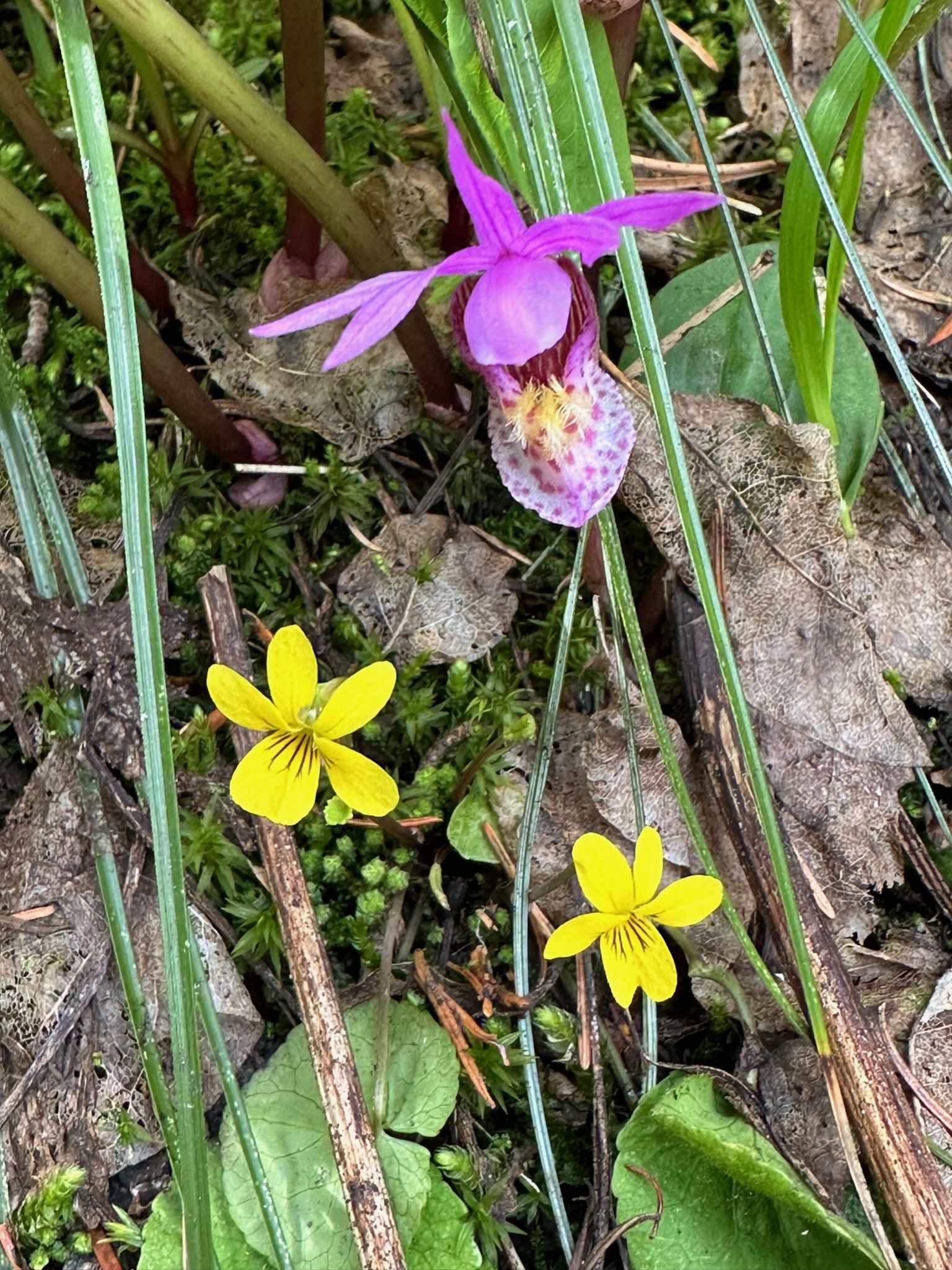
Photo: Samsara Chapman Duffey / USDA Forest Service / Public Domain
Bloom window: May
Habitat: Coniferous forest understory
A tiny, exquisite orchid growing only a few inches tall. It features a pink to purple blossom with a lower lip shaped like a small slipper or pouch, often marked with yellow and brown spots.
Purple Clematis
Clematis occidentalis
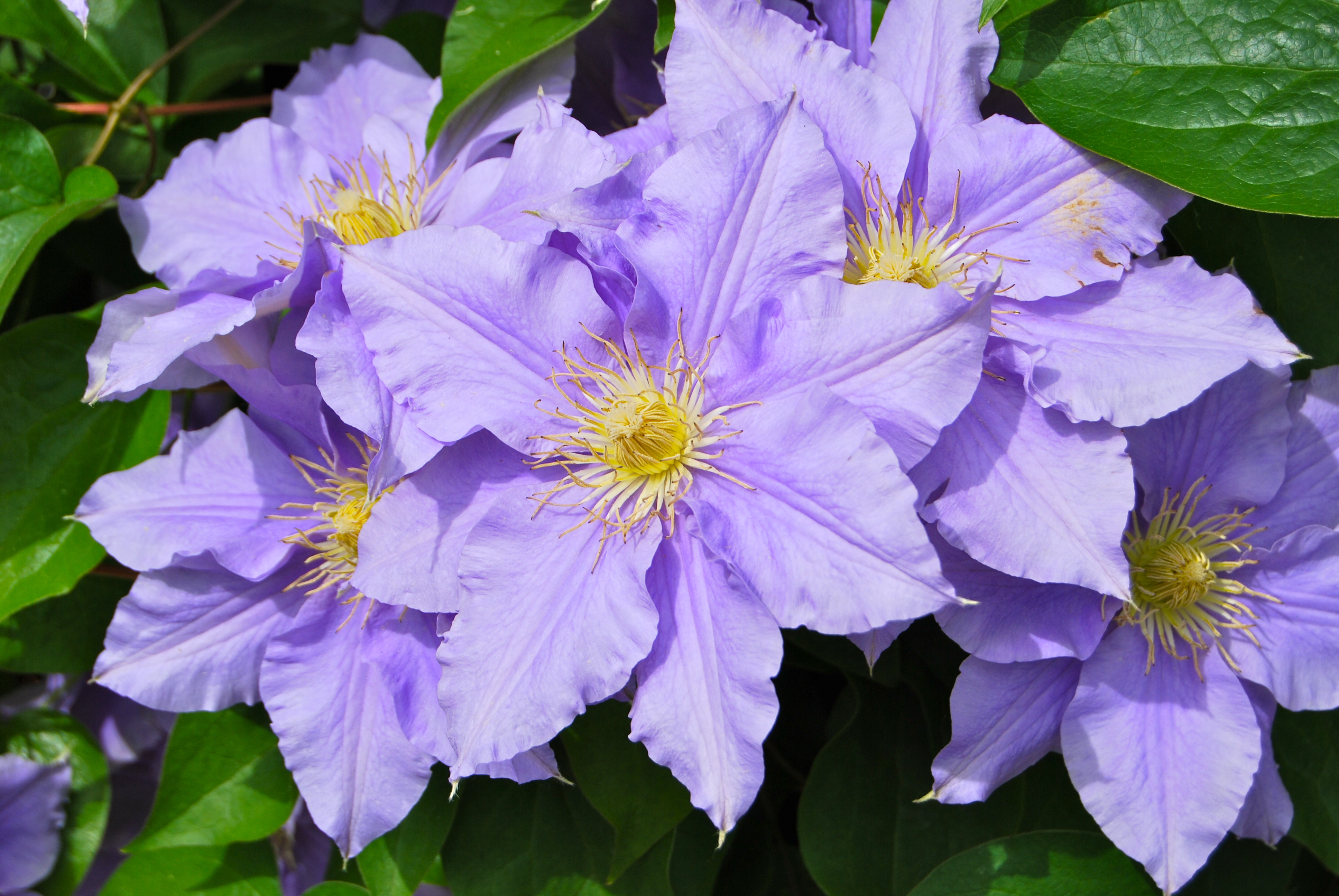
Photo: UpstateNYer / Wikimedia Commons / CC BY-SA 3.0
Bloom window: May to June
Habitat: Forest edges and rocky slopes
A climbing vine that produces large, nodding, pale purple flowers with four distinct, petal-like sepals. It is one of the few wildflowers that provides color above ground level in the early season.
Viewing ethics
Photograph, do not pick. Alpine cushion plants and wet meadows are easily damaged. Dogs and off-trail shortcuts flatten blooms that took years to establish.
Visitor Access
- Nearest town: Moiese
- Elevation focus: Valley & Prairie Floor
- Best season: Peak balsamroot typically mid-May into June
- Access: CSKT Bison Range: day-use fees and tribal regulations apply. Stay in vehicles or on designated paths; respect wildlife closures.
- Reminder: National Parks and Montana State Parks prohibit collecting plants. This guide is for viewing and identification only.