Between the Mission and Swan ranges, moist meadows and forest openings carry camas, geranium, and later lupine—an accessible mid-elevation bloom corridor west of the Continental Divide.
Map pins mark viewing hubs—not secret patches. Stay on durable surfaces, leave every flower, and never dig plants on park or tribal land.
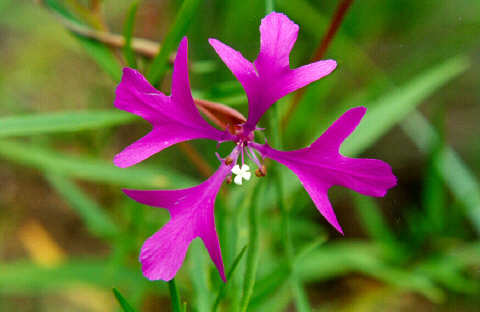
Clarkia / Pinkfairies
Clarkia pulchella
USDA Forest Service / Wikimedia Commons / Public Domain
Bloom window: June to August
Habitat: Dry mountain slopes and open forests
A striking, deep rose to lavender flower with four distinct, deeply lobed petals that resemble elk antlers. Meriwether Lewis named this plant for his expedition partner, William Clark.
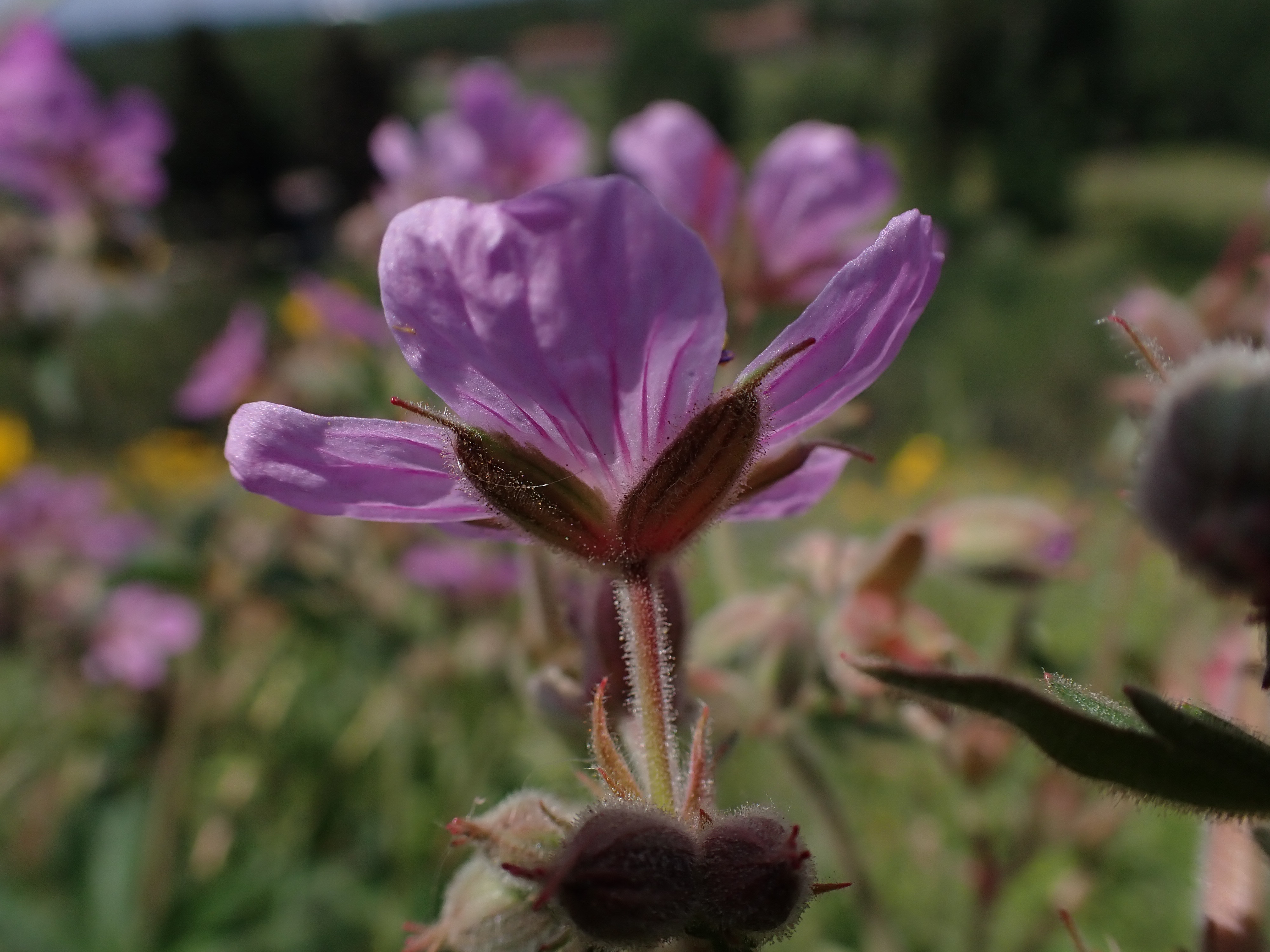
Sticky Geranium
Geranium viscosissimum
Matt Lavin / Flickr / CC BY-SA 2.0
Bloom window: June to August
Habitat: Open grasslands to lower meadows
A pink to lavender flower with five petals marked by dark red veins. The stems and leaves are covered in sticky hairs and emit a strong, distinct geranium scent when brushed.
Blanketflower
Gaillardia aristata
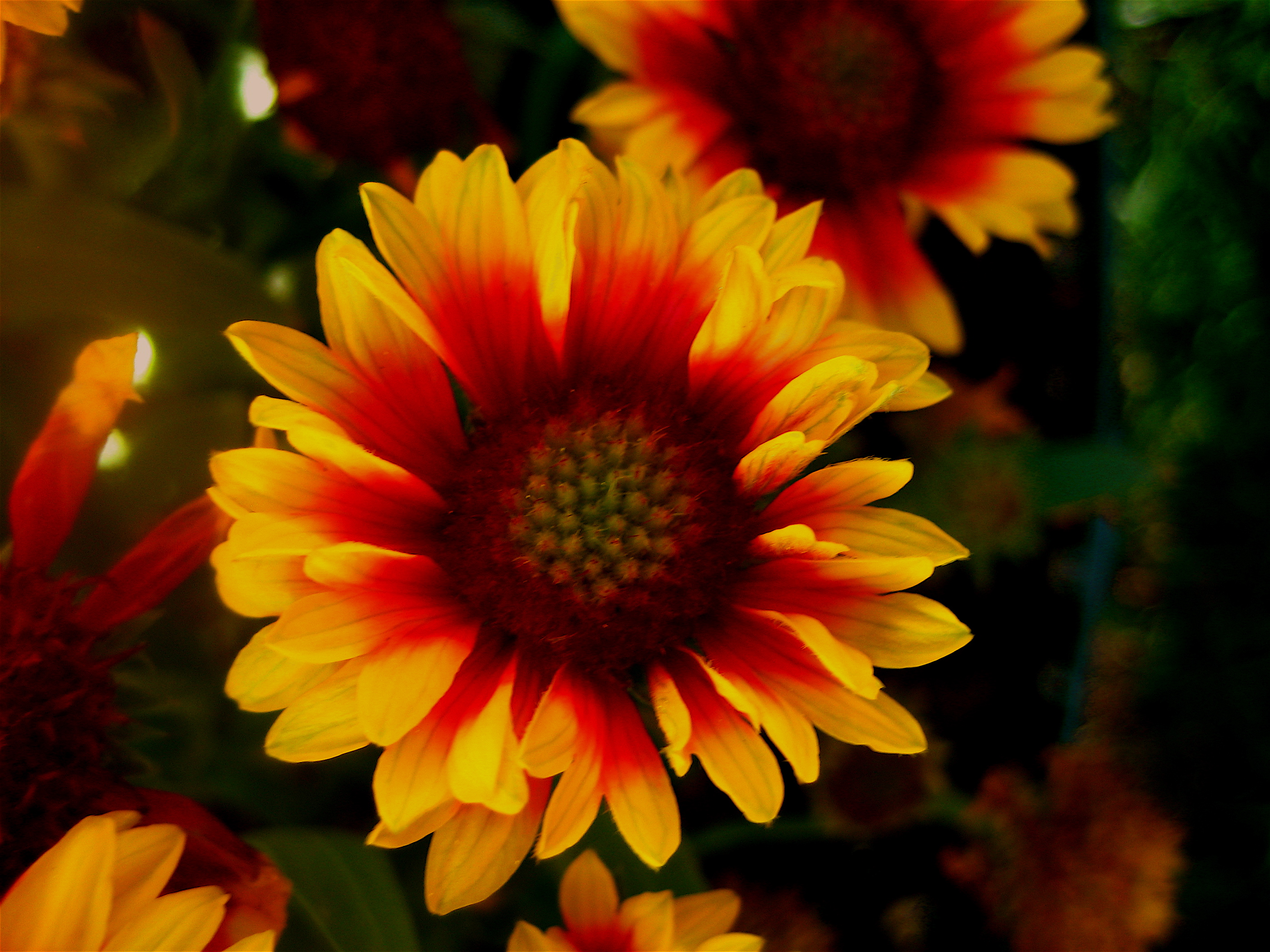
Photo: Johnathan J. Stegeman / Wikimedia Commons / CC BY-SA 3.0
Bloom window: June to August
Habitat: Dry, open grasslands and rocky slopes
A vibrant, daisy-like flower with a dark reddish-brown center and yellow petals that are often tinged with red or purple at the base. It is highly drought tolerant and blooms continuously through the summer.
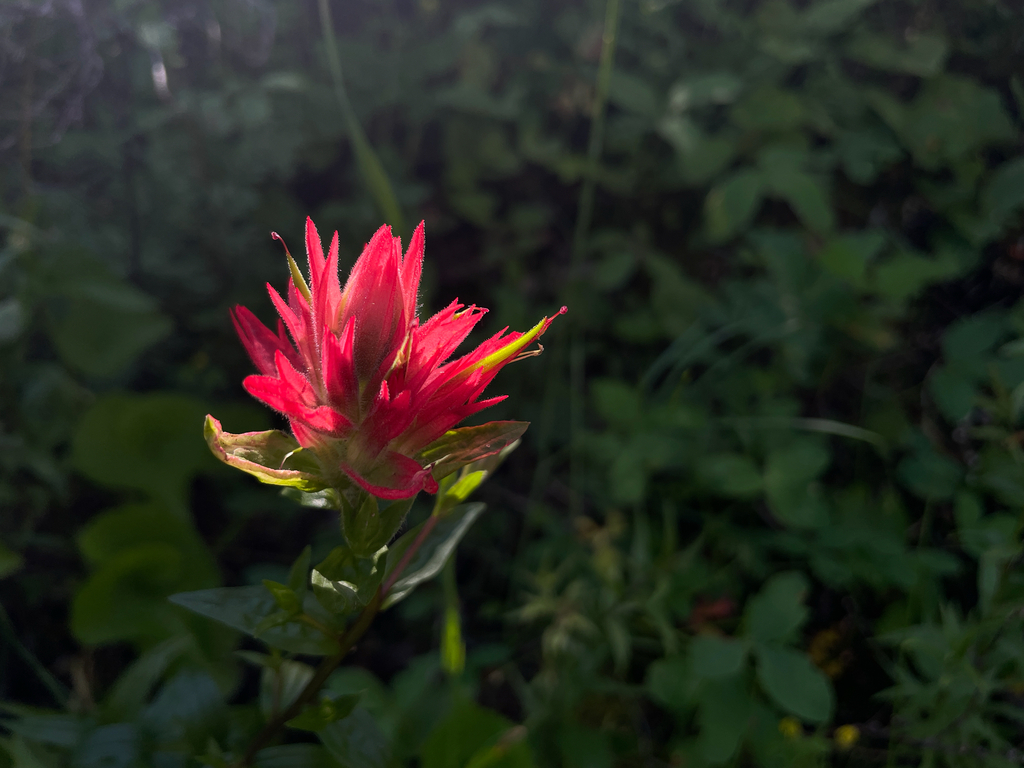
Indian Paintbrush
Castilleja miniata
Observation © Harrison J Elkins / iNaturalist / CC BY 4.0
Bloom window: June to September
Habitat: Open forests, sagebrush thickets, and meadows
What appear to be bright red or orange petals are actually colorful bracts hiding the true, inconspicuous flowers. The plant is hemiparasitic, tapping into the roots of neighboring grasses and sagebrush for nutrients.
Fireweed
Epilobium angustifolium
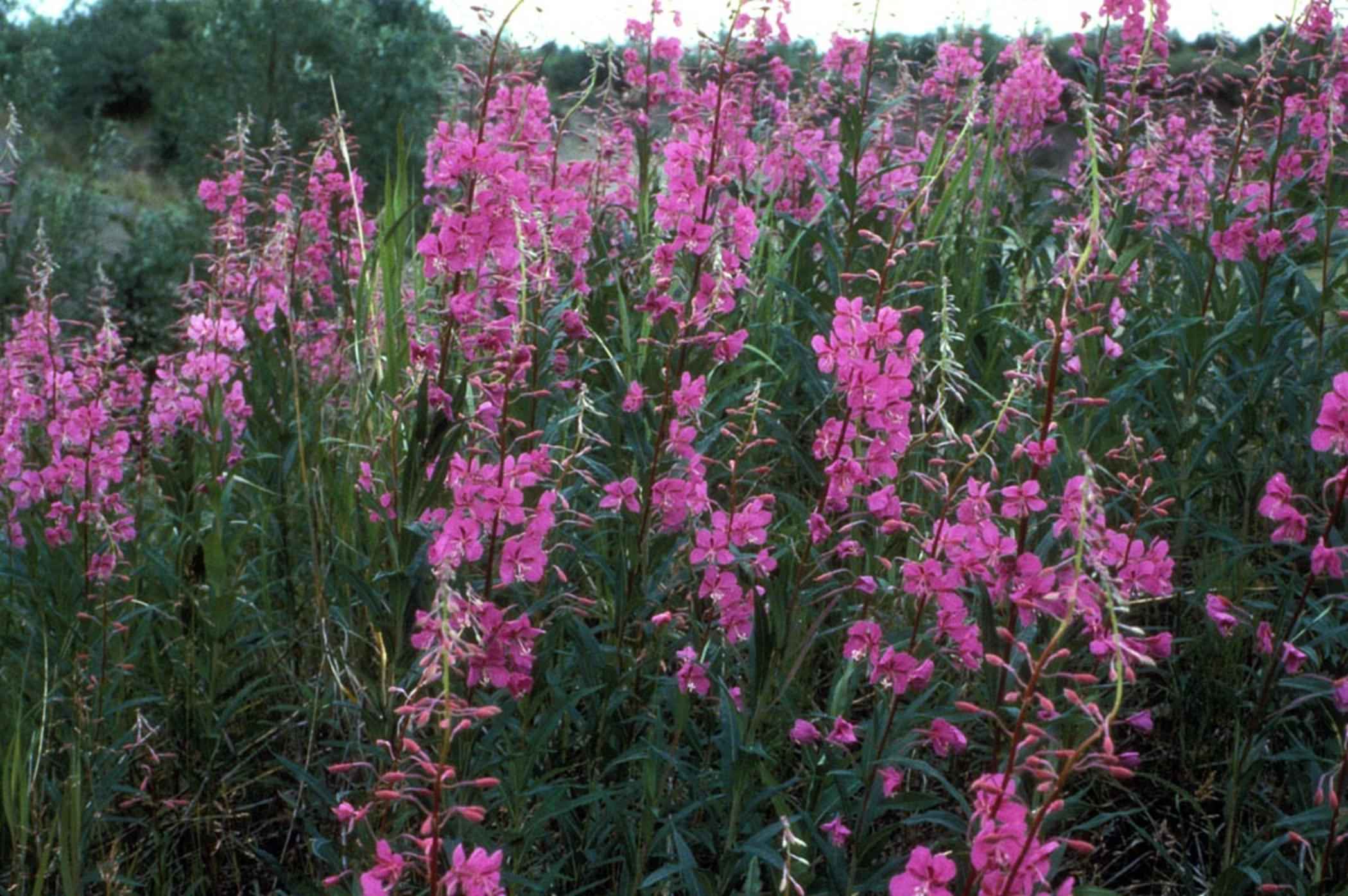
Photo: Comish Tom, U.S. Fish and Wildlife Service / Wikimedia Commons / Public Domain
Bloom window: June to September
Habitat: Burn areas, avalanche chutes, and disturbed soil
A tall, striking plant that can reach up to eight feet in height, topped with a long spike of bright pink to purple flowers. It is famous for being one of the first plants to colonize a forest after a wildfire.
Fuzzy-tongued Penstemon
Penstemon eriantherus
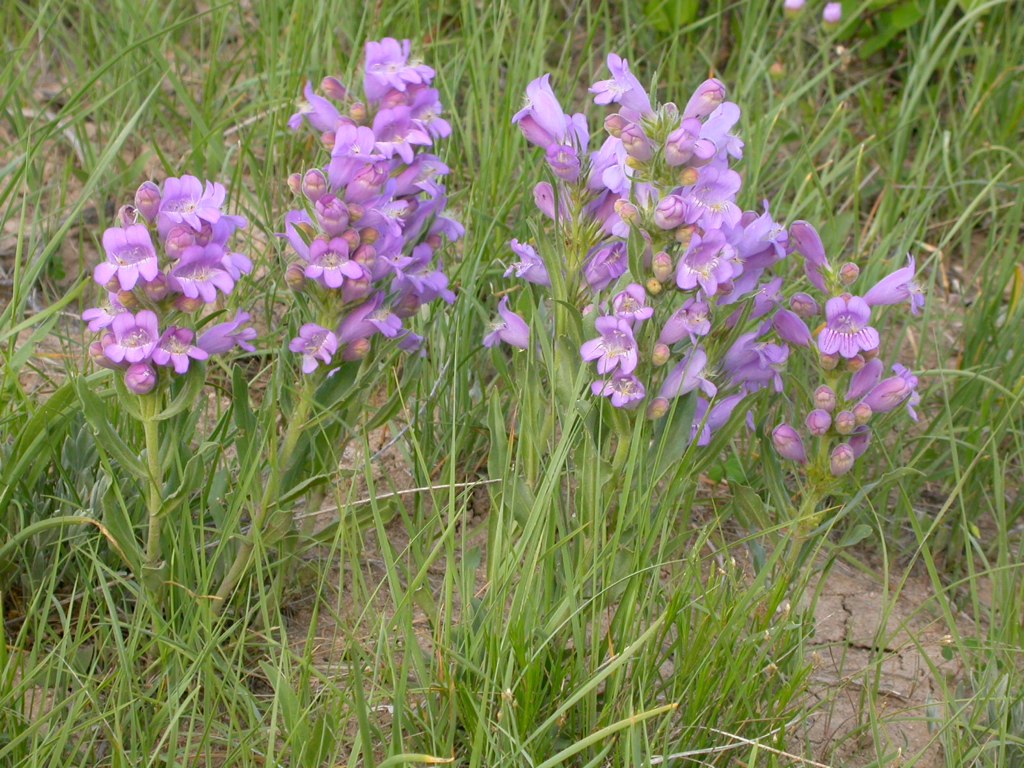
Photo: Matt Lavin / Wikimedia Commons / CC BY-SA 2.0
Bloom window: June to September
Habitat: Dry, rocky slopes and open areas
A tubular, lavender to violet flower with a hairy, yellowish throat. Montana is home to dozens of penstemon species, all characterized by their bell-shaped or tubular blooms.
Harebell
Campanula rotundifolia
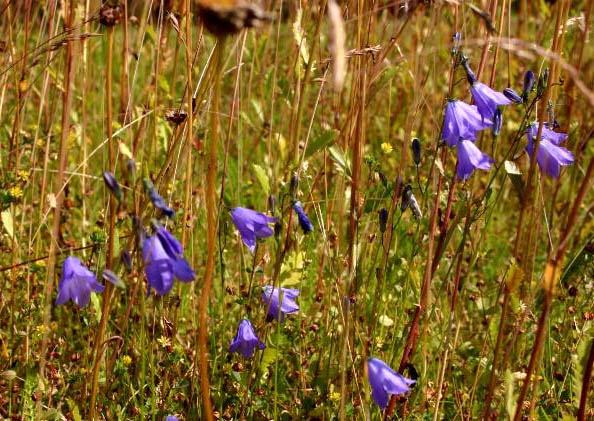
Photo: JoJan / Wikimedia Commons / CC BY-SA 3.0
Bloom window: July to August
Habitat: Open woods, meadows, and rocky crevices
A delicate, nodding, pale blue to purple bell-shaped flower on a slender, wiry stem. It is widespread and highly adaptable to different soil types.
Wild Bergamot
Monarda fistulosa
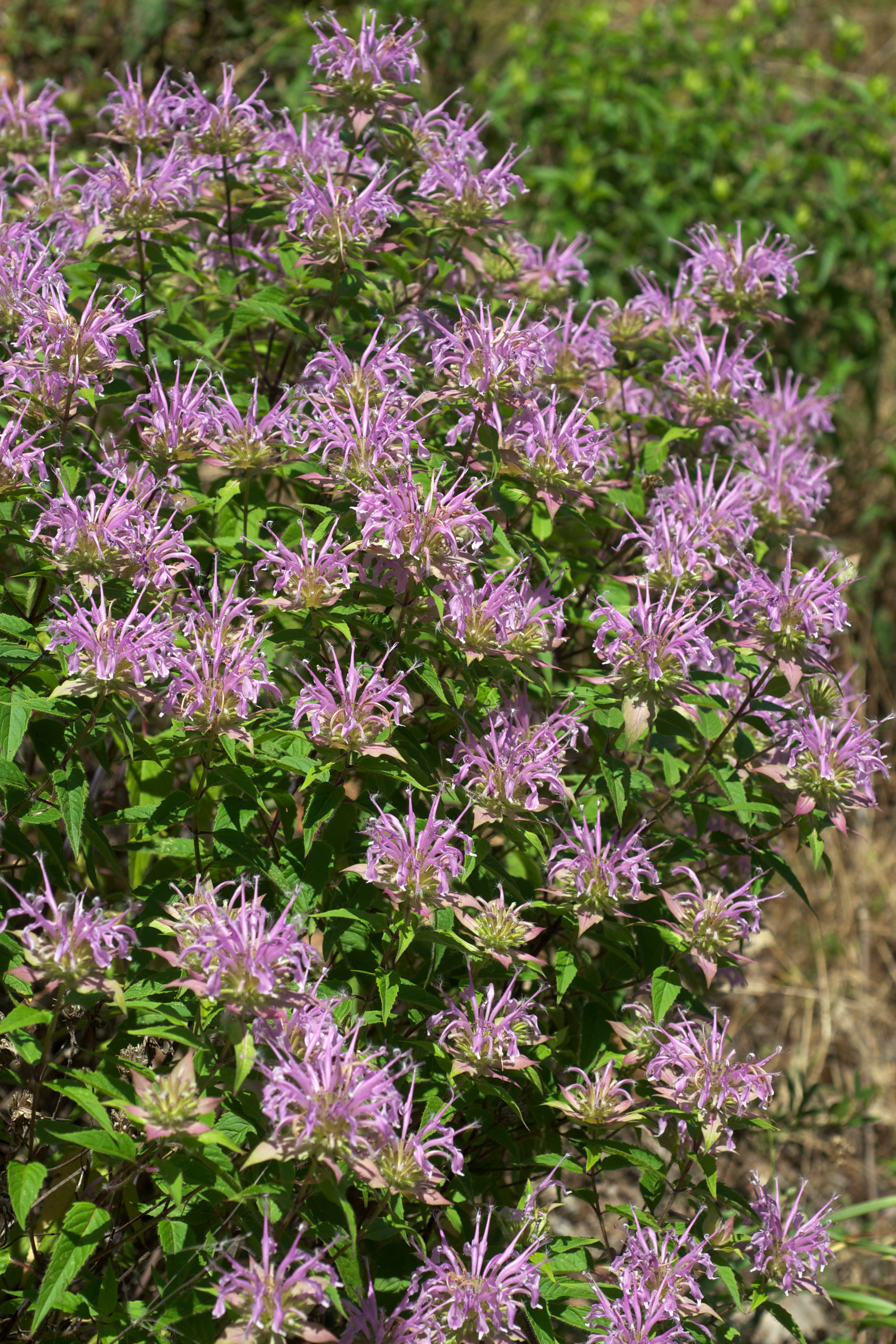
Photo: Eric Hunt / Wikimedia Commons / CC BY-SA 4.0
Bloom window: July to August
Habitat: Moist to dry open woods and thickets
A member of the mint family with a dense, rounded cluster of tubular lavender flowers at the top of the stem. The leaves have a strong, spicy scent when crushed.
Black-eyed Susan
Rudbeckia hirta
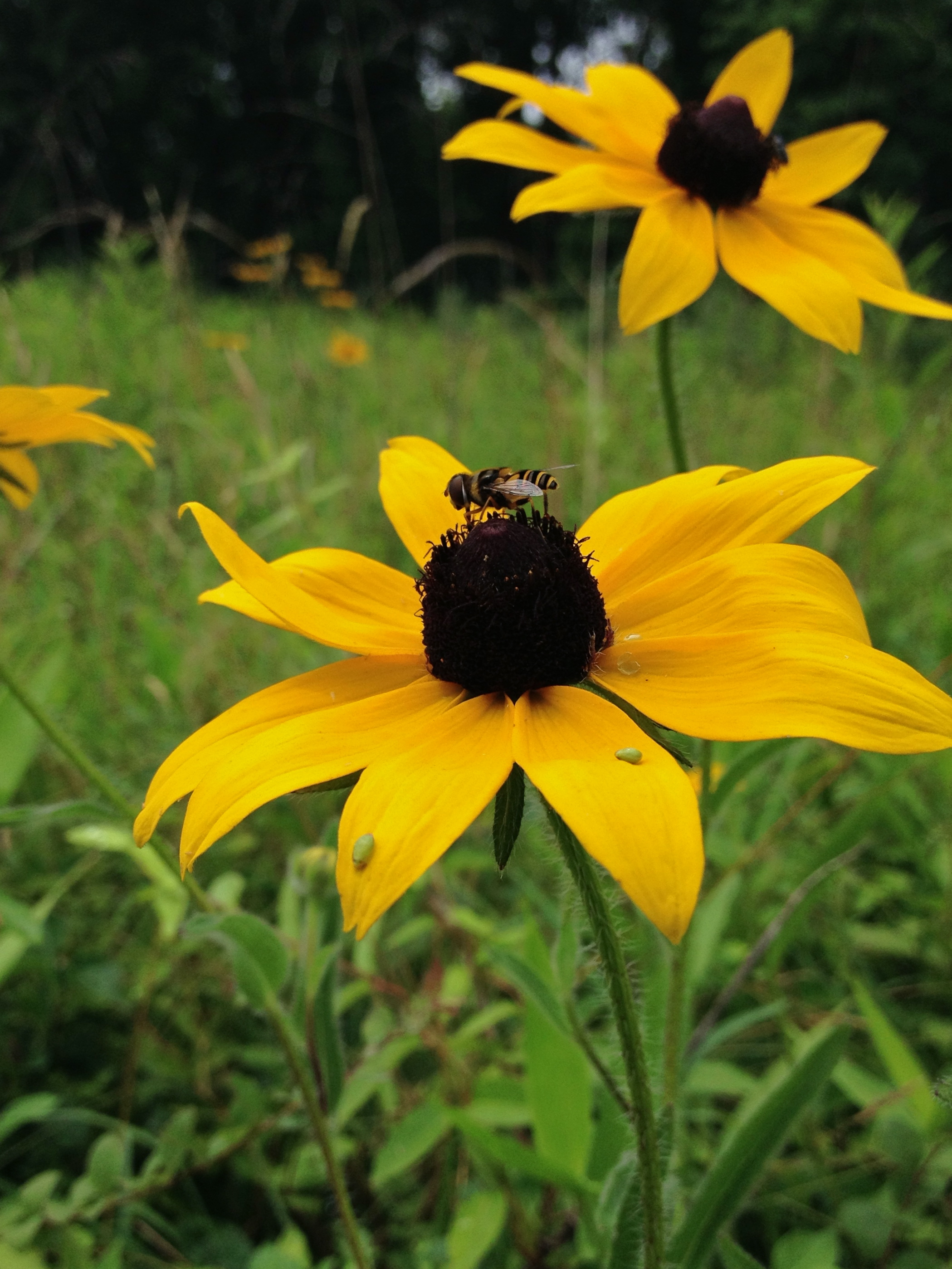
Photo: Fritzflohrreynolds / Wikimedia Commons / CC BY-SA 3.0 Unported
Bloom window: July to August
Habitat: Open meadows and roadsides
A classic, daisy-like flower with bright yellow to orange-yellow petals surrounding a dark, cone-shaped center.
Cow Parsnip
Heracleum maximum
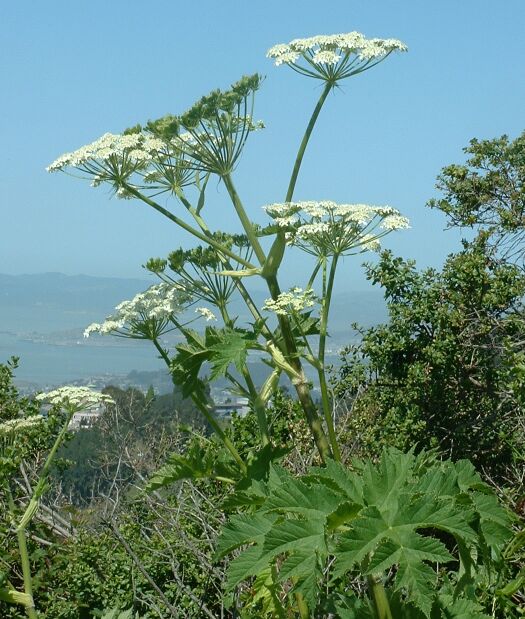
Photo: Stephen Lea / Wikimedia Commons / CC BY-SA 3.0
Bloom window: June to August
Habitat: Streambanks and moist, shaded areas
A massive plant that can grow over six feet tall, featuring huge, lobed leaves and broad, flat-topped clusters of tiny white flowers. The sap can cause skin irritation when exposed to sunlight.
Viewing ethics
Photograph, do not pick. Alpine cushion plants and wet meadows are easily damaged. Dogs and off-trail shortcuts flatten blooms that took years to establish.
Visitor Access
- Nearest town: Seeley Lake
- Elevation focus: Foothills
- Best season: May through July
- Access: Lolo and Flathead National Forest parcels. Watch for private cabin lots along the highway corridor.
- Reminder: National Parks and Montana State Parks prohibit collecting plants. This guide is for viewing and identification only.