Around Helena, ponderosa understories and canyon bottoms produce morels, chanterelles, and Oregon grape—plus medicinals like yarrow on dry slopes.
Map pins mark public-land access hubs—not secret patches. Walk in with restraint, know look-alikes, and forage with restraint.
The Yellow Morel
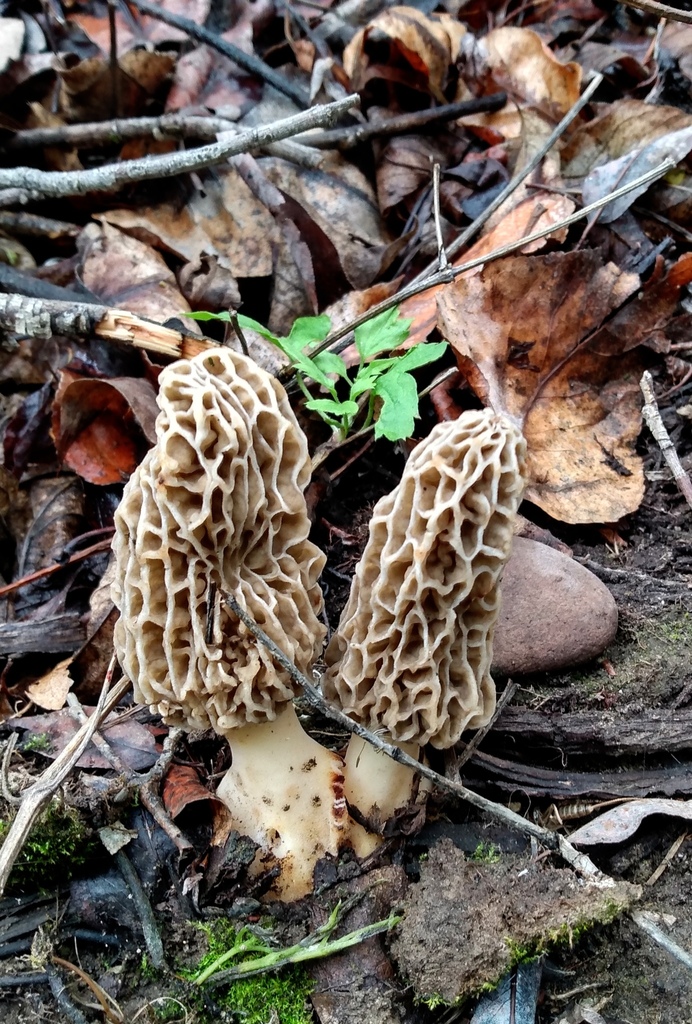
Photo: John Powers / iNaturalist / CC BY 4.0
The yellow morel is the first great prize of the foraging year. It emerges in the warming days of May and June, primarily in the rich, loamy soils of river bottoms. Look for them beneath the towering eastern cottonwoods along the Missouri, the Yellowstone, and the Clark Fork rivers. The old local wisdom suggests waiting until the lilac leaves have unfurled to the size of a rabbit's ear. The yellow morel has a honeycomb cap that is attached continuously to the stem, a critical detail that distinguishes it from toxic lookalikes.
Harvest Window: May through June. Habitat: Riparian zones, cottonwood bottoms, and old apple orchards. Access Rules: Abundant on BLM lands along the Missouri River and in National Forest riparian zones. Limit of five gallons per day for personal use on USFS land. State parks and National Parks are strictly off limits.
The Rainbow Chanterelle
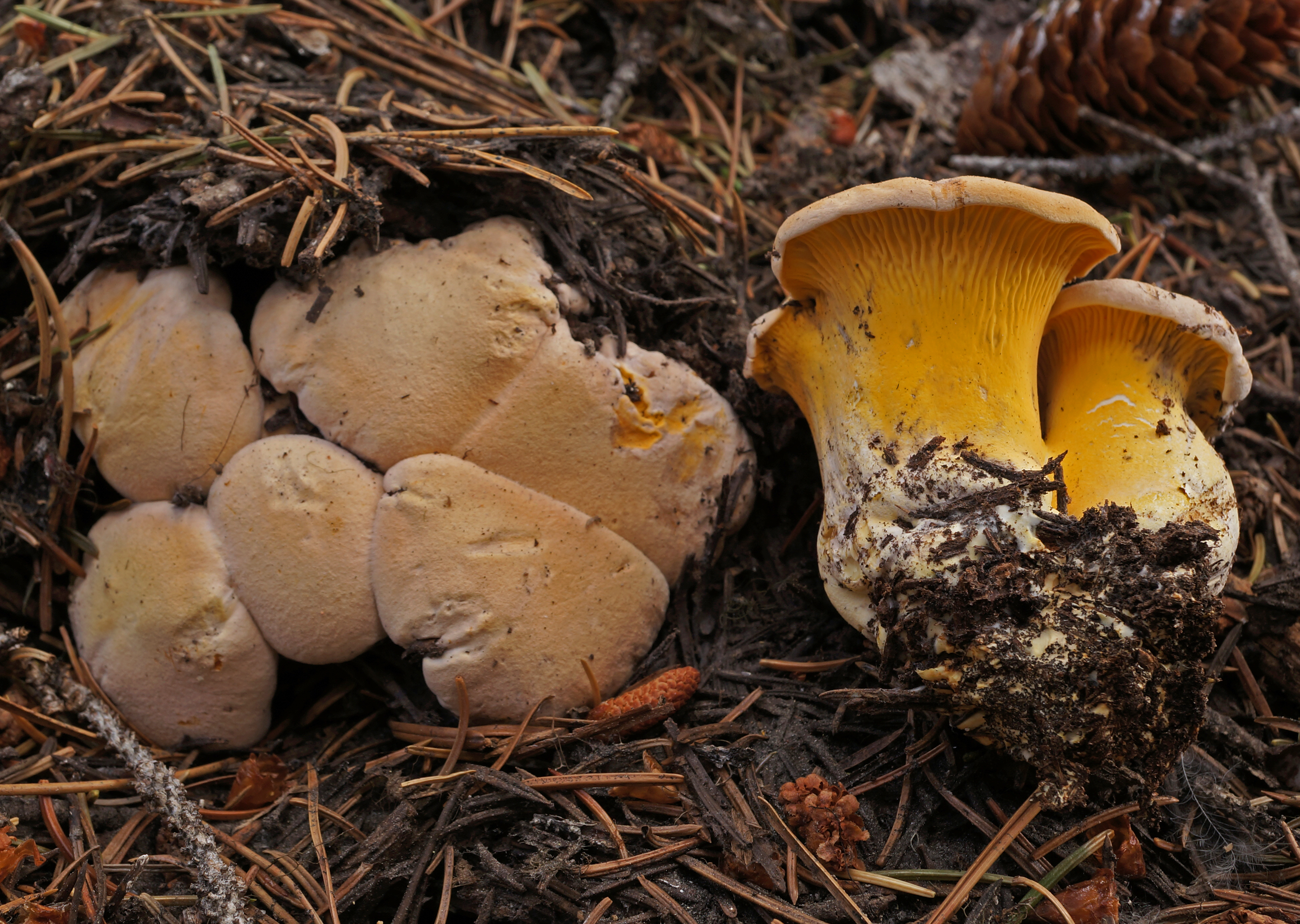
Photo: Sava Krstic (sava) / Mushroom Observer / CC BY-SA 3.0
As the heat of summer breaks and the late August rains begin to fall, the rainbow chanterelle makes its appearance. This is a mushroom of the deep, damp conifer forests, particularly in the northwestern corner of the state. They glow like scattered gold coins against the dark green moss under Douglas fir and Engelmann spruce. They smell faintly of apricots and have blunt, forked ridges running down their stems rather than true, sharp gills.
Harvest Window: Late August through September. Habitat: Mature conifer forests, particularly in the Flathead, Kootenai, and Lolo National Forests. Access Rules: Allowed on National Forest lands under personal use limits. Commercial harvesting is heavily regulated and requires a paid permit.
The Oregon Grape
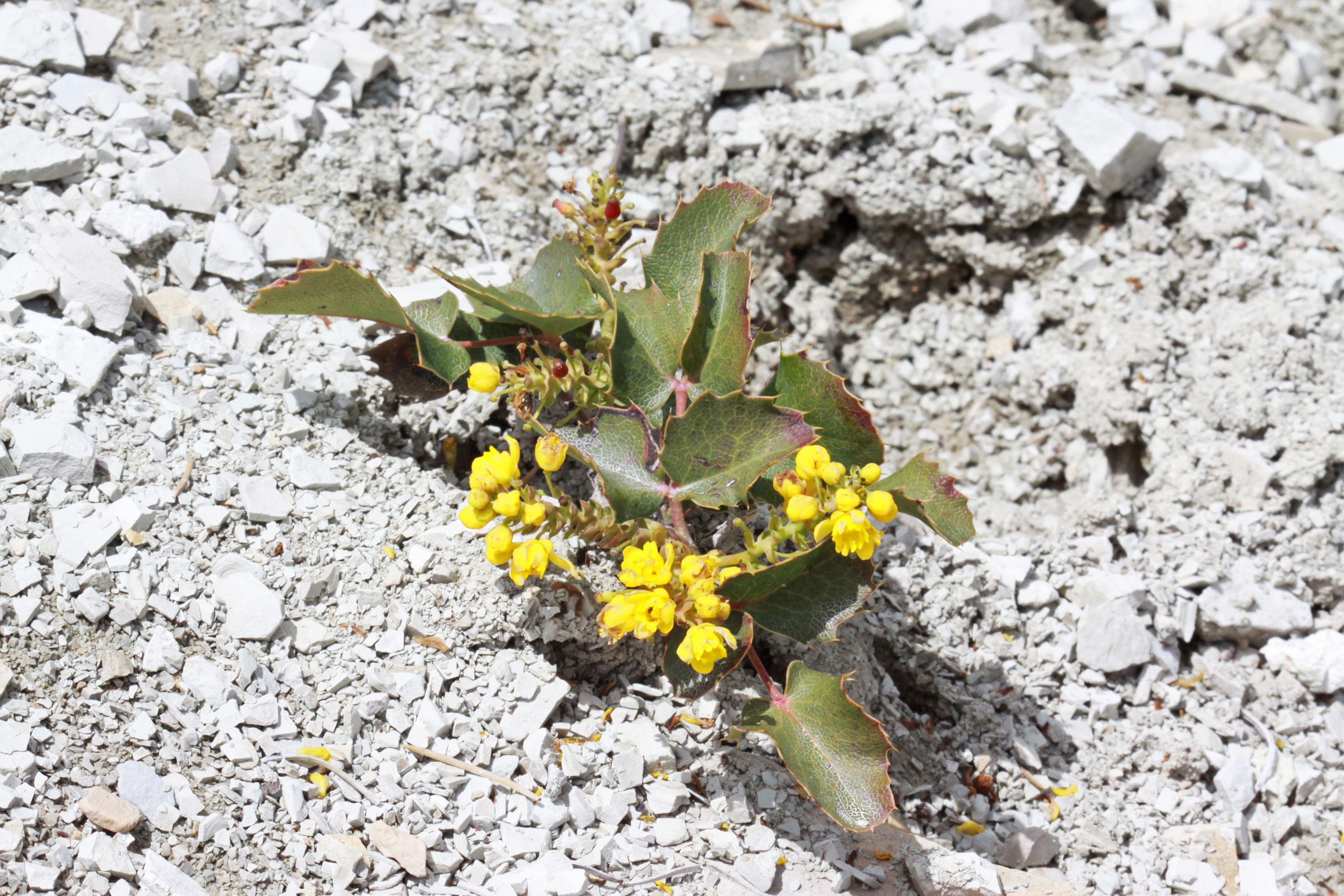
Andrey Zharkikh / Wikimedia Commons / CC BY 2.0
This low-growing, creeping evergreen shrub is named for its holly-like leaves, not its fruit. In late summer, it produces clusters of dusty blue berries. Like the chokecherry, the Oregon grape is sharply tart and is best utilized for jellies or mixed with sweeter fruits. The bright yellow roots of the plant also have a long history of medicinal use.
Harvest Window: September through October. Habitat: Dry forest understories, often growing beneath ponderosa pines. Access Rules: Widely available on National Forest and BLM lands. Allowed for personal use.
Yarrow
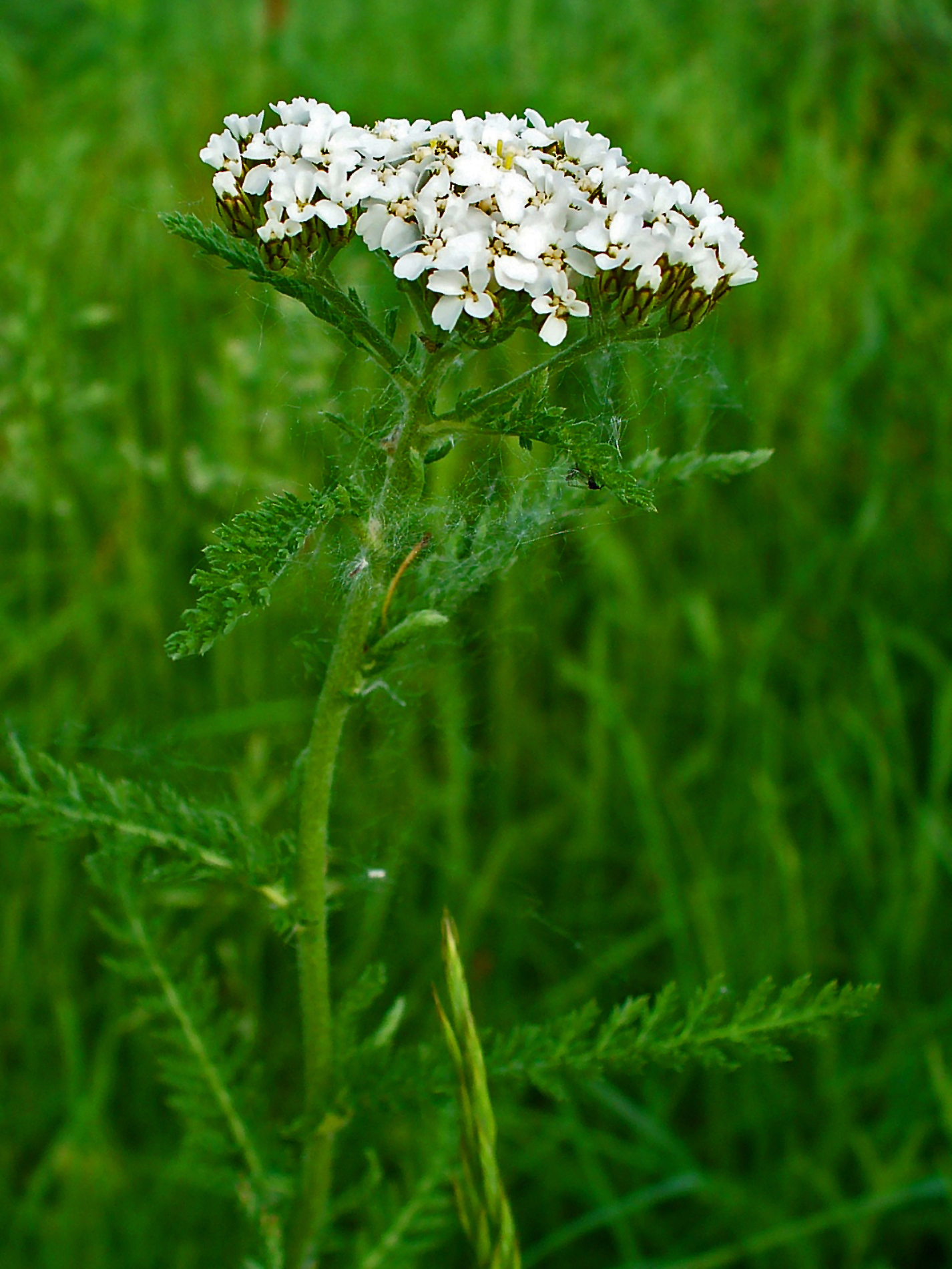
Photo: H. Zell / Wikimedia Commons / CC BY-SA 3.0
Yarrow is a ubiquitous, feathery-leafed perennial that grows in almost every habitat in Montana, from the high plains to the alpine zone. It has a long history of use as a styptic, applied topically to slow bleeding and heal wounds. The flowers and leaves, which have a strong, spicy, almost medicinal scent, are also traditionally steeped into a tea to induce sweating and break fevers.
Harvest Window: Summer, when the flat-topped white flower clusters are blooming. Habitat: Meadows, roadsides, and dry slopes statewide. Access Rules: Abundant on all public lands. Allowed for personal use.
The Bitterroot
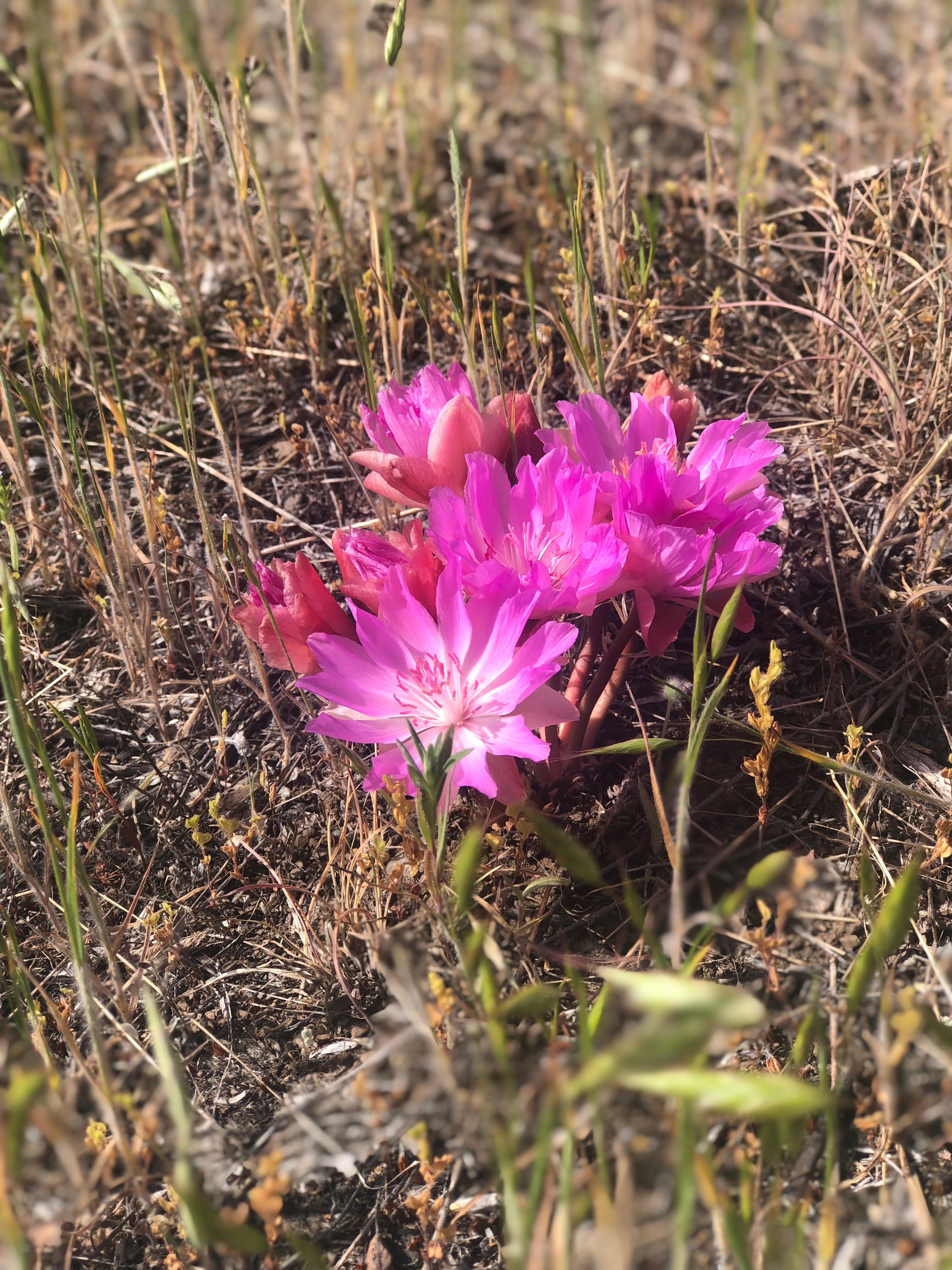
Photo: Forest Service - Northern Region / Wikimedia Commons / Public Domain
The bitterroot is the state flower of Montana, and its historical significance cannot be overstated. For the Salish, Kootenai, and Shoshone peoples, the return of the bitterroot signaled the survival of another winter. The plant is a master of endurance, growing in rocky, unforgiving soils where little else thrives. It produces a stunning pink flower that seems to sit directly on the gravel. The roots must be dug in the early spring, before the plant flowers, when the outer rind slips off easily. Once the flower appears, the root becomes impossibly bitter.
Harvest Window: April through May, strictly before flowering. Habitat: Dry, rocky slopes and gravelly soils in western and southwestern Montana. Access Rules: Allowed on BLM and National Forest lands for personal use. Because it is the state flower and holds deep cultural significance, harvest with extreme restraint and reverence.
Look-alike warnings
Never eat a wild plant or mushroom unless you are certain of the identification. Death camas mimics edible camas before flowering; false morels can resemble true morels; death-cap buttons can look like young puffballs; water hemlock and poison hemlock kill. When in doubt, leave it.
Avoid: Death camas
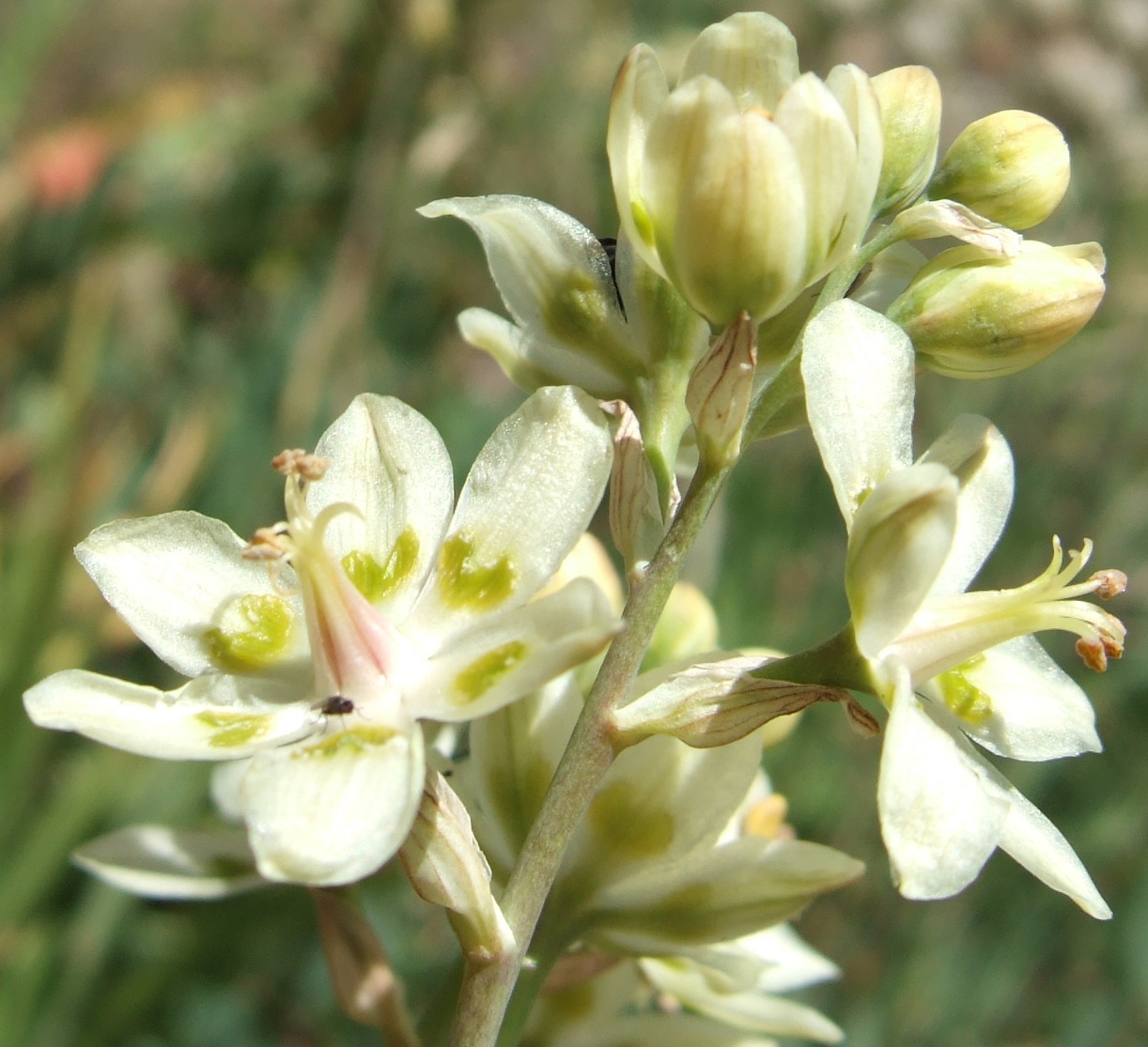
Photo: Adam Humphreys / Wikimedia Commons / CC BY-SA 3.0
Avoid: False morel
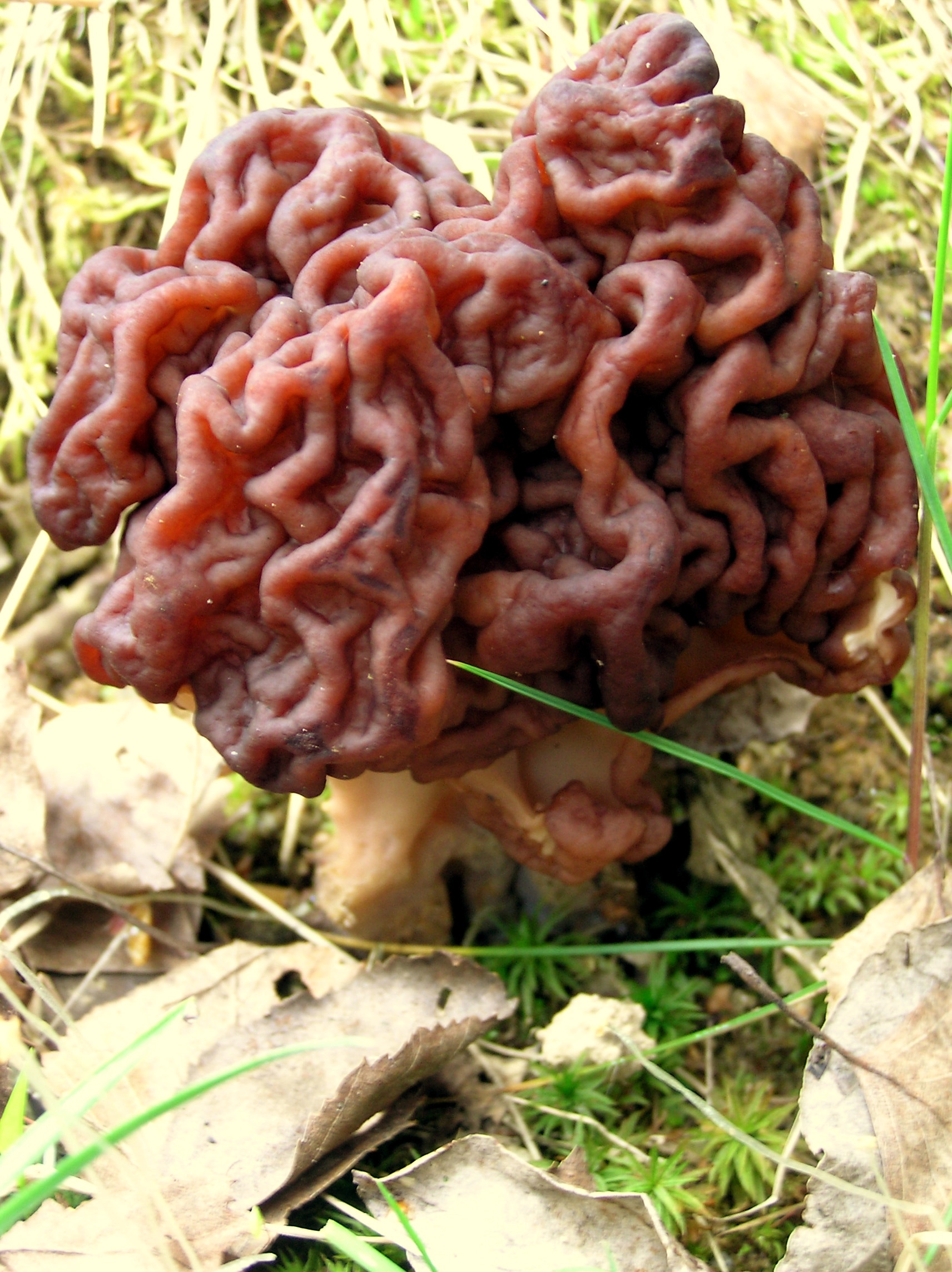
Photo: Severine Meißner / Wikimedia Commons / CC BY-SA 3.0
Avoid: Water hemlock
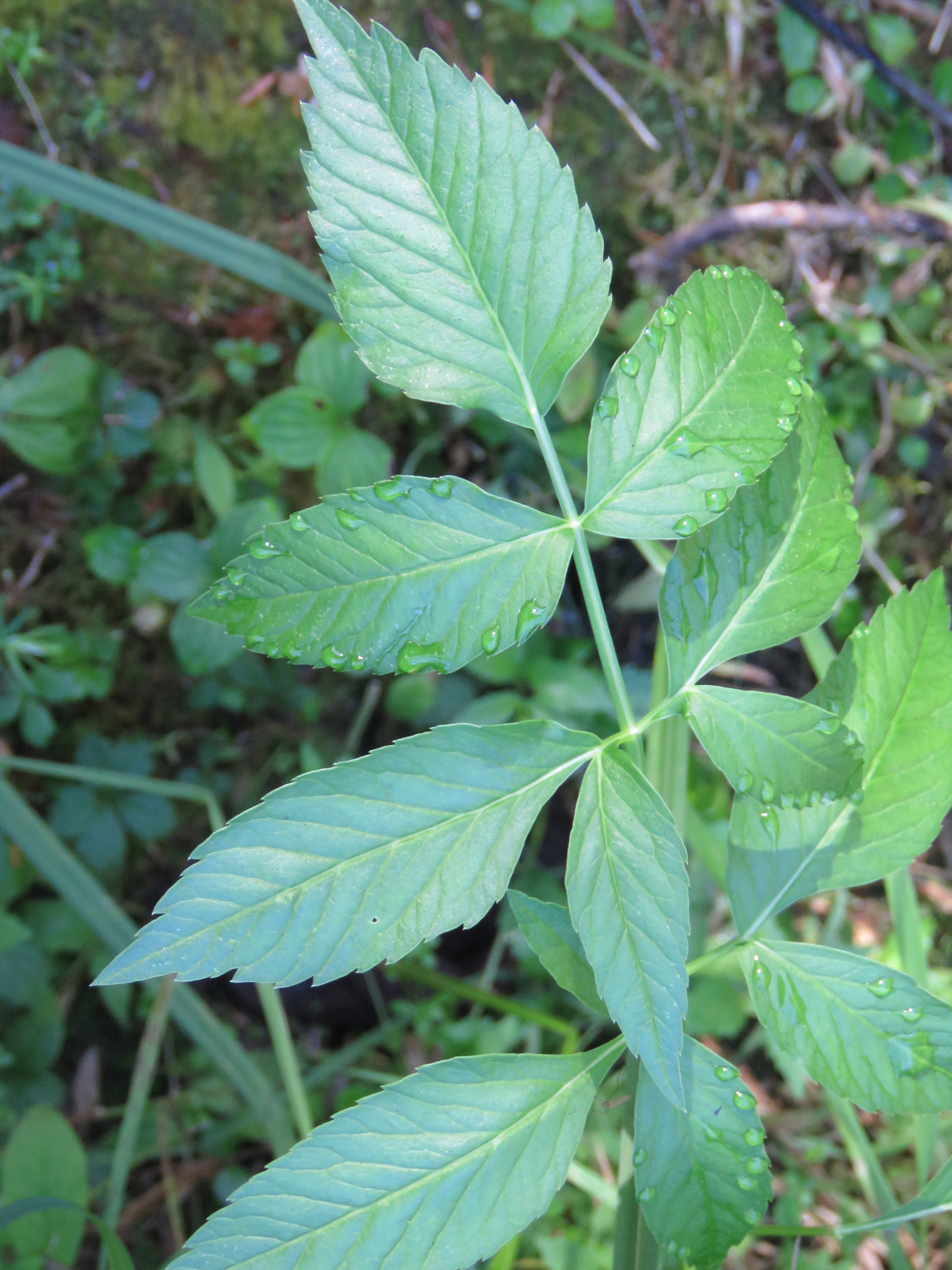
Photo: Erin Springinotic / iNaturalist / CC0 1.0 Universal Public Domain Dedication
Avoid: Death Cap
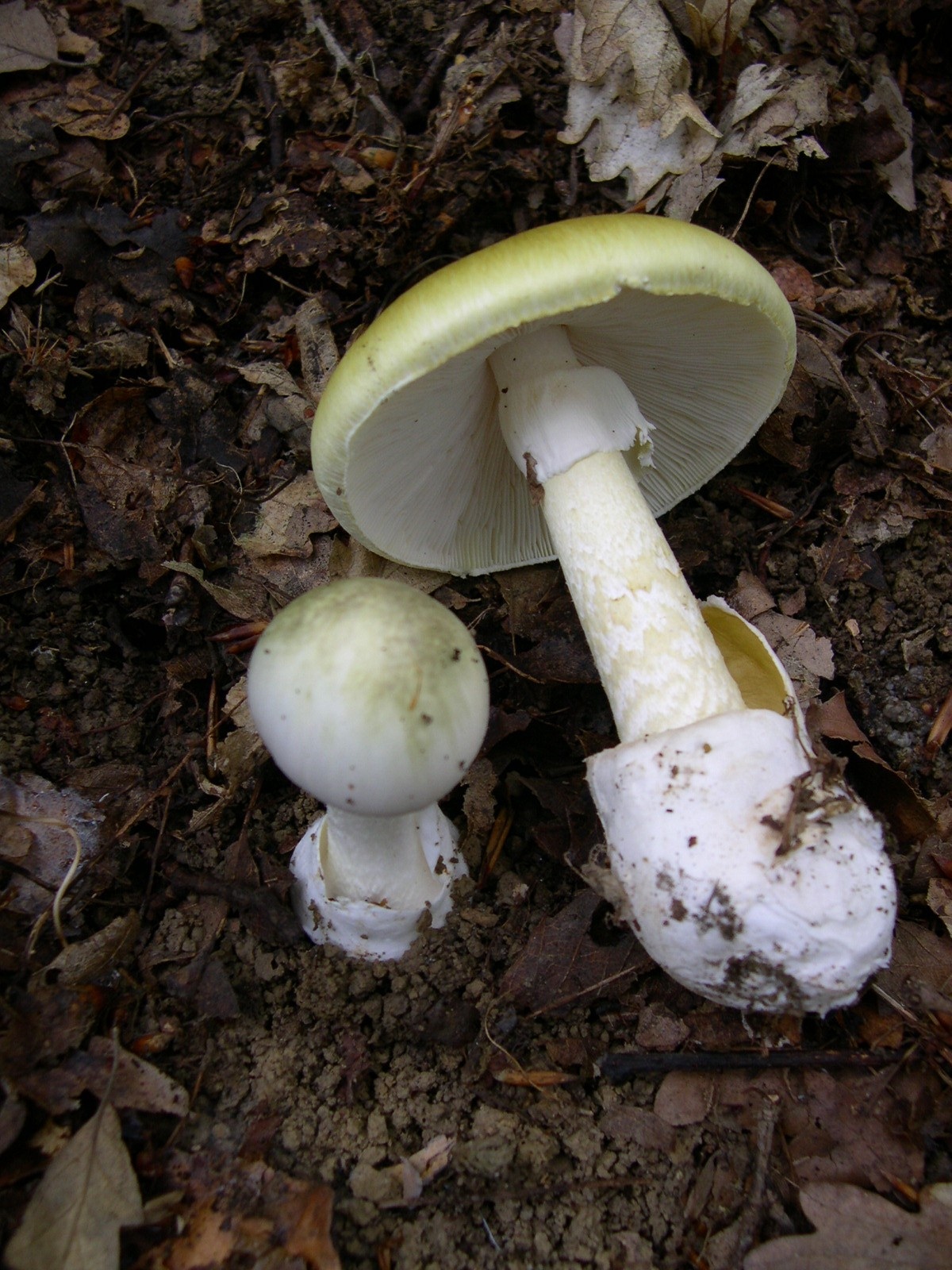
Photo: Archenzo / Wikimedia Commons / CC BY-SA 3.0
Visitor Access
- Nearest town: Helena
- Focus: Mushrooms
- Access: Personal use on National Forest land under regional gallon limits. City parks and state parks are closed to plant gathering.
- Legal reminder: National Parks and Montana State Parks prohibit foraging. Tribal lands require permission. USFS personal use is often capped at five gallons per day—confirm with the local ranger district.
- Safety: Carry bear spray in berry and burn country. This guide is informational, not a substitute for field guides or local expertise.