Rattlesnake Creek
By editor
Missoula, Missoula County, Montana
If you want to build a city in the American West, the recipe is fairly simple. First, you need a river. Second, you need a creek running into that river to turn a mill wheel. Third, you need a man who is too sick to stay home, so he goes west to either die or get rich, and usually manages to do a little of both.
In the case of Missoula, the river was the Clark Fork, the creek was the Rattlesnake, and the man was William T. Hamilton.
Hamilton was born in Scotland, raised in St. Louis, and possessed a constitution so frail that his father sent him to the Rocky Mountains in 1842 to toughen him up. The treatment worked. By the fall of 1858, Hamilton was thirty-five years old, entirely cured of his chills and fever, and working as a scout for the United States Army out of Fort Walla Walla.
He was riding through the valley where Missoula now sits when he noticed something interesting. The valley was a crossroads. Indian trails converged from every direction, beaten deep into the earth by generations of Salish and Nez Perce traveling to the buffalo grounds. Hamilton looked at the trails, looked at the clear, fast water of Rattlesnake Creek emptying into the river, and experienced a sudden attack of capitalism.
"It struck me as an ideal spot for a trading post," he later wrote. He told his fellow scout that if they survived their current army business, he was coming back to build one.
He survived, and he came back. That winter, he built a two-room log cabin about four hundred feet west of the creek mouth. It was the first building in what would become Missoula. It served as his home, his trading post, and eventually the town's first post office. In 1861, the citizens elected him county sheriff, which was convenient, as he was already running the town's commerce and its mail.
Once Hamilton proved a man could live there, the rest of civilization hurried in to complicate things. By 1860, Rattlesnake Creek was powering a sawmill. By 1864, Frank Worden and C.P. Higgins had set up their own trading post nearby. The creek that had drawn the Indians, and then Hamilton, was soon put to work running flour mills and supplying the growing town with drinking water.
The final stage of western development is always real estate. In 1897, a lumber baron named Thomas Greenough looked at the creek that had powered the mills and decided it would look better with a mansion next to it. He hired an architect and built a grand house on the banks, three blocks north of the river.
The creek outlasted the mansion, as creeks generally do. In 1902, Greenough's widow donated twenty acres along the water to the city for its first public park. The mansion itself survived until 1966, when it found itself in the path of Interstate 90. It was moved, nearly burned down, cut into pieces, moved again across the river, turned into a restaurant, and finally burned to the ground in 1992, proving that if you wait long enough, progress will eventually take care of everything.
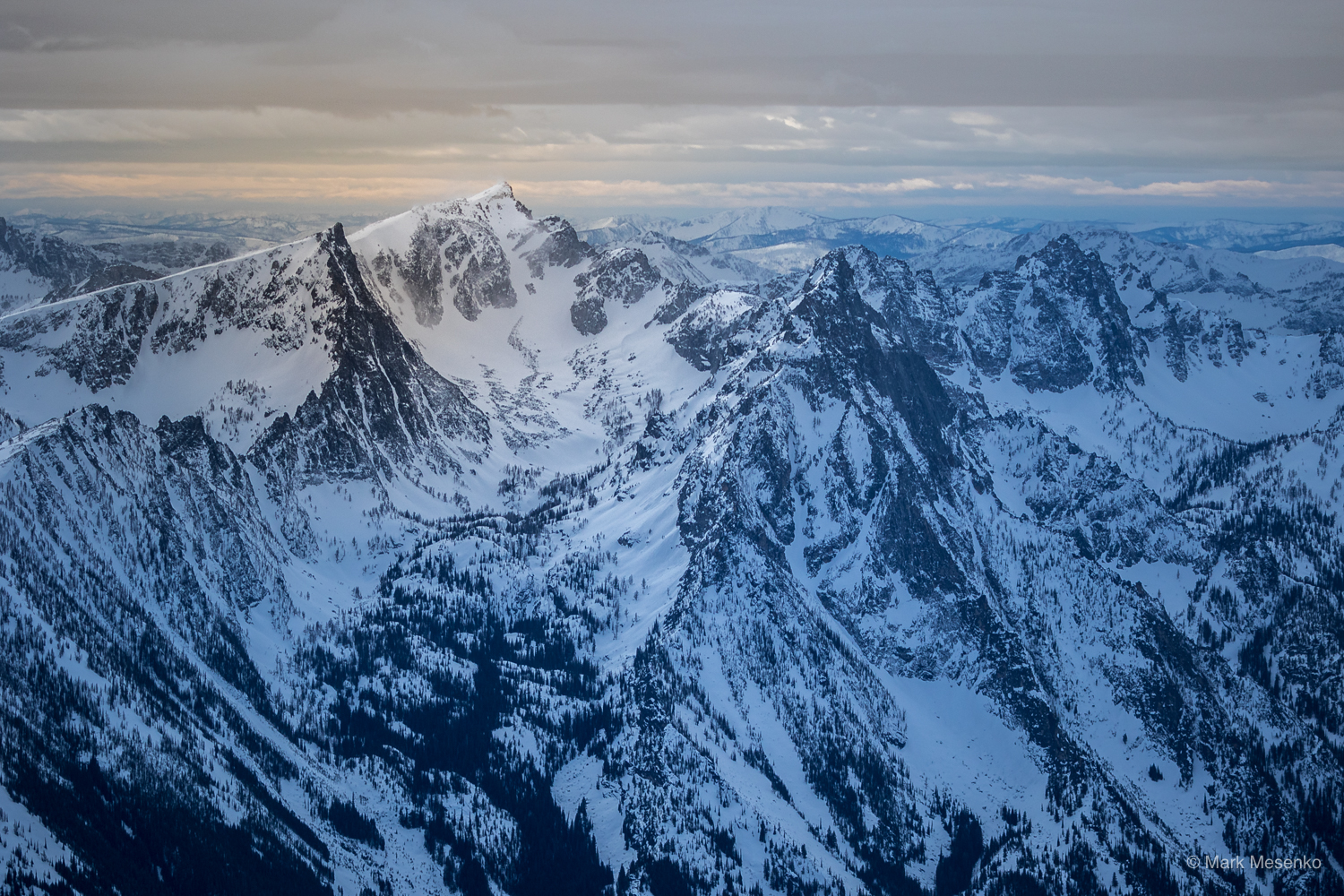
But the creek is still there, running clear and cold out of the wilderness, exactly as it did when a sickly man from St. Louis looked at it and decided to build a town.
See also
- Danger Ahead!, detailing Lewis's 1806 passage through this same valley
- Journey Through the Blackfoot, covering the route Lewis took east from here
- The Lewis Minus Clark Expedition, the story of the expedition's split at Traveler's Rest
Where to Stay in Montana
Affiliate links help support this site at no extra cost to you