A Crossroads of Culture
By editor
Lolo, Missoula County
Now, if you've ever found yourself in a spot where folks have been congregating for thousands of years, you might figure there's something to it. And if that spot happens to be in Montana, well, you're likely to find a tale or two worth the telling. Our story today takes us to a place the Salish people, with their keen eye for detail, called Tmsmli, which, rather unromantically, translates to 'the place of no salmon.' A peculiar name, you might think, for a place of such enduring popularity. But then, history, much like a good fishing story, often has its surprises.
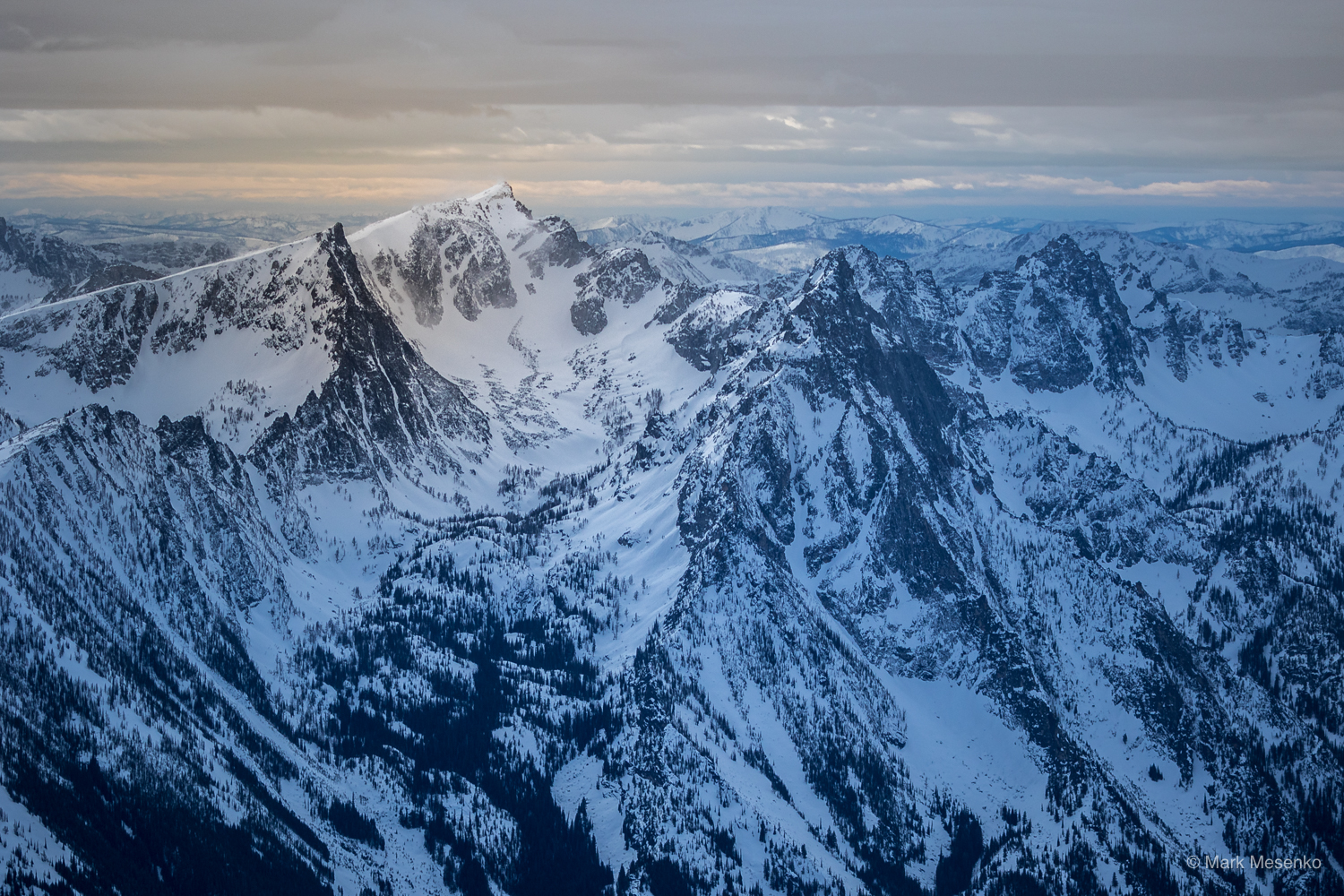
For countless generations, long before any European ever dreamt of a shortcut to the Pacific, this valley at the foot of the Bitterroot Mountains was a bustling thoroughfare. Imagine, if you will, families, hunters, and explorers, not unlike the crowds at a county fair, but with rather more serious intentions, arriving from all points of the compass. They weren't just passing through; they were here to camp, to trade, and to mend fences, so to speak, with their neighbors. The Salish, the Pend d’Oreille, and the Nez Perce, among others, found Tmsmli a veritable paradise, not for its fish, mind you, but for its abundant game, its useful plants, and, crucially, as a sanctuary where friendships could be forged and strengthened. It was, in essence, a grand old meeting house, built by nature herself.
From this very spot, trails fanned out like spokes on a wagon wheel. To the west, the Naptnsisa, or the Road to the Nez Perce, marked by tree blazes and rock piles, beckoned. To the east, the Nez Perce knew their own route, the K’useyneisskit, the Road to the Buffalo. These weren't mere paths; they were ancient highways, etched into the landscape by the ceaseless tread of generations, connecting communities and cultures across vast distances. One might say, with a certain degree of understatement, that this was a place where folks knew how to get around.
Then, in the autumn of 1805, along came a party of gentlemen, rather lost and considerably muddy, led by a Shoshone guide who, one presumes, knew his way around better than they did. This was the famed Corps of Discovery, Meriwether Lewis and William Clark at the helm, stumbling upon Tmsmli on September 9th. Lewis, ever the poet, though perhaps a bit weary, christened it "Travellers (sic) rest." A sensible name, considering their predicament. They were, after all, about to tackle the formidable Bitterroot Mountains, a prospect that would make even the most seasoned traveler consider a good long sit-down.
Now, these explorers, being men of letters and meticulous record-keepers, left us some rather illuminating observations. Captain Lewis, on that very day, noted with a certain practical air, "we called this Creek Travellers rest. it is about 20 yards wide a fine bould clear runing stream." A fine, bold, clear-running stream, indeed. One can almost hear the sigh of relief in his words. William Clark, not to be outdone in the observation department, elaborated a bit more, describing their journey through the plain and crossing various creeks before encamping "on a large Creek from the left which we call Travelers rest Creek." And John Ordway, bless his heart, simply remarked, "Cloudy. we Set out [and proceeded on down?] [page worn, some words illegible] the valley the plains Continue crossed Several creeks a little cotton and pine timber along the banks the Snow continues on the Mont. each Side of this valley." One gathers the weather was, shall we say, less than ideal, and the journey, well, a journey.
They rested, they prepared, and they moved on. But Tmsmli, or Travellers Rest, as it became known to some, wasn't done with them. On June 30, 1806, the Corps, now on their return journey, found themselves back at this familiar haunt. And it was here, on July 3rd, that the captains, having seen enough of each other's company for a spell, decided to part ways, each to explore a different route home. A sensible decision, perhaps, after so much togetherness. The mountains, the plains, and the rivers remained, indifferent to the comings and goings of men, but forever marked by their passage. And so, the crossroads continued to serve its purpose, a silent witness to the grand, and sometimes rather comical, drama of human endeavor.