Join the Voyage of Discovery
By editor
Saltese, Mineral County
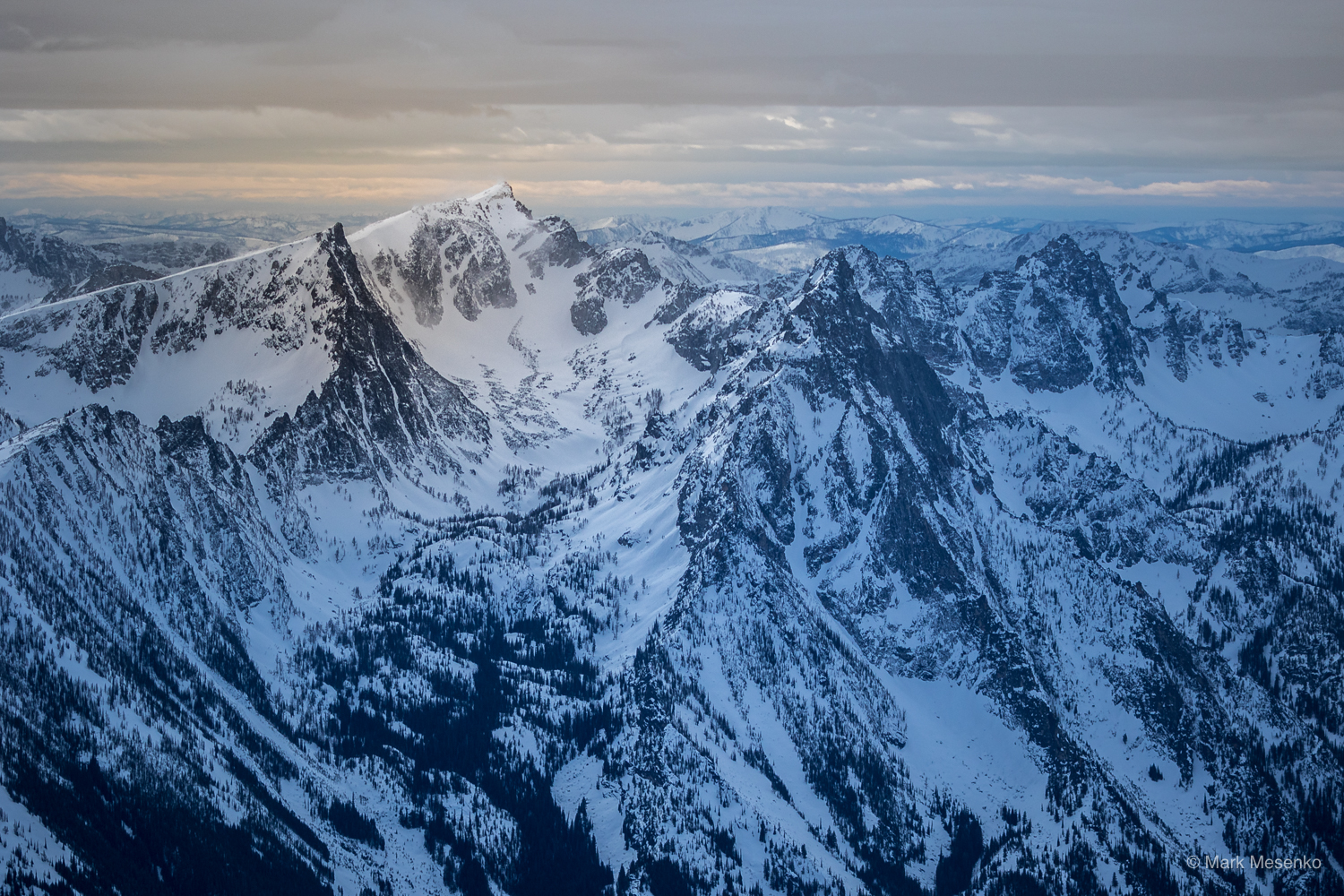
The very air of Montana, crisp and redolent with pine, whispers tales of ages past, of mountains heaved skyward by titanic forces, and of waters carving their patient, ceaseless paths. To stand upon this ground, particularly in the embrace of Mineral County, is to feel the pulse of a land that has witnessed profound transformations, a stage upon which the grand drama of discovery has unfolded time and again. It is here, amidst the enduring majesty of the Rockies, that one finds themselves in the very pathway of Lewis and Clark, their monumental expedition of 1804-1806 a profound illustration not merely of human endeavor, but of the irresistible call of the wild, the boundless spirit of inquiry that compels us to chart the unknown.
Their journey, born of the newly acquired Louisiana Purchase, was a venture into the heart of a continent, a quest to understand its peoples, its resources, and to seek that elusive navigable passage to the Pacific. Like the French and Spanish who had, in their own fashion, traversed the vastness of North America, the Corps of Discovery brought back a wealth of information, observations that would forever alter the perception and destiny of this land. They were, in a sense, geological and botanical poets, their journals filled with meticulous descriptions of a world largely unseen by European eyes.
The 19th century, a mere blink in the eye of geological time, brought a tumultuous tide of change to this ancient landscape. Indian nations, resilient yet recovering from the devastating waves of smallpox, found themselves pressed westward as European ambitions raced to claim more territories. While others had explored, traded, and trapped in the Northern Plains, Lewis and Clark arrived with a distinct purpose: military, scientific, and economic development. Their expedition, therefore, laid down the very lines of engagement, shaping relationships between diverse cultures and between humanity and the land itself, echoes of which resonate even today.
Montana, in its enduring legacy, remains a land of many cultures, a vibrant mosaic woven from the threads of history. The Corps of Discovery itself was a microcosm of this diversity, comprising Indian guides, French voyageurs, Euro-Americans, individuals of mixed European and Indian descent, a black man, a woman, and a child. The indigenous peoples, with their profound knowledge of the land, fed, guided, and aided the Corps, leading to remarkably few violent altercations. This spirit of cooperation, alongside moments of profound cultural collision, has defined the West for two centuries, shaping the very identity of our region.
Across what we now call Montana, Lewis and Clark traversed some 1,900 miles of untamed wilderness. They meticulously cataloged 63 species of plants and animals previously unknown to science, their observations forming a foundational chapter in the natural history of the continent. They charted significant geographic features, many of which are now enshrined as National Historic Landmarks and Monuments: Pompeys Pillar, the Great Falls Portage, the Three Forks of the Missouri, Lemhi Pass, Lolo Pass, Traveller's Rest, and the Upper Missouri Breaks. These names, like ancient runes, mark points of profound encounter between human curiosity and the raw, untamed grandeur of the earth.
Even today, one can find places in Montana where the landscape, the abundant wildlife, and the native flora appear much as the Corps described them in their journals: rich, raw, and brimming with possibilities. It is a profound experience to walk where they walked, to breathe the same air, and to imagine the sheer scale of their undertaking. The very rocks beneath one's feet, the towering pines, the ceaseless flow of the rivers, all bear witness to that initial, audacious voyage.
Consider the words of Captain Lewis, penned on a day in early autumn, as the expedition pressed deeper into the western mountains. On Monday September 9th 1805, he recorded: "Set out at 7 A M. this morning and proceeded down the Flathead river leaving it on our left, the country in the valley of this river is generally a prarie and from five to 6 miles wide the growth is almost altogether pine principally of the longleafed kind, with some spruce and a kind of furr resembleing the scotch furr." His words paint a vivid picture of the valley, a corridor of pine and prairie, the river a constant companion. He notes the stream's navigability, or lack thereof, and the absence of salmon, hinting at a "considerable fall in it below." This keen observation, a blend of the practical and the natural, is characteristic of the explorers, their eyes ever open to the secrets held within the landscape.
Later, on July 4, 1806, Lewis reflected on the indigenous guides: "it is worthy of remark that these people were about to return by the same pass by which they had conducted us through the difficult part of the Rocky Mountains, altho they were about to decend Clark's river several days journey in surch of the Shale's their relations, a circumstance which to my mind furnishes sufficient evidence that there is not so near or so good a rout to the plains of Columbia by land along that river as that which we came." This passage speaks to the profound reliance of the Corps on indigenous knowledge, a humility in the face of ancient wisdom that allowed them to navigate these formidable ranges. It also underscores the intricate network of trails and relationships that crisscrossed the continent long before European arrival.
Captain Clark, too, offered his own observations, particularly on July 6, 1806, noting the effects of fire on the landscape: "I observe the appearance of old buffalow roads and some heads on this part of the mountain." His words, though brief, evoke a sense of the land's deep history, of the great herds that once roamed these mountains, and the natural cycles of fire that shaped its forests. The "handsom glades" and "quawmash just beginning to blume" paint a picture of a vibrant ecosystem, even as he notes the "great propotion of it Killed by the fires."
These journals, these fragments of observation, are more than mere records of travel; they are windows into a world of raw, untamed beauty, a world that stirred the souls of these early explorers. They remind us that discovery, for all travelers, is a deeply personal and universally human experience. Montana, in its boundless expanse, is continually discovered, its cultures ever transforming, and each of us, in our own way, is an explorer, a witness, and a storyteller. The invitation remains, as potent now as it was two centuries ago: to make discoveries of your own in this rich landscape, to respect its private properties, to preserve its public lands and abundant wildlife, and to celebrate the vibrant mix of people who call Montana home. For in the grand theater of nature, every step is a revelation, every vista a sermon, and every moment an opportunity to join the timeless voyage of discovery.
Where to Stay in Montana
Affiliate links help support this site at no extra cost to you