Camp Fortunate
By editor
Dillon, Beaverhead County, Montana
On the morning of August 17, 1805, the Corps of Discovery encamped at the confluence of the Beaverhead and Red Rock Rivers, a place Captain Meriwether Lewis christened Camp Fortunate. The name was no idle flourish. This spot marked the abrupt end of their arduous water journey and the beginning of a mountain passage that would test every measure of their endurance. Here, Lewis found not only a crucial cache of horses but also a reunion that would shape the fate of the expedition.
The river forks where they halted flow through terrain shaped by ancient forces. The limestone formations around the Beaverhead River date to the Mississippian period, roughly 350 million years ago, their layers folded and fractured by the Laramide orogeny some 70 million years past. The water here is clear and cool, fed by snowmelt from the Bitterroot Mountains, which rise abruptly to the west with peaks carved from granite and gneiss that form the Continental Divide.
For weeks, the Corps had pushed upriver, their canoes scraping gravel bars and shallow rapids. The Missouri, which had borne them so far, gave out in these upper reaches. The expedition followed what they called "Jefferson's River" -- today’s Beaverhead -- a tributary whose shallow, rocky waters forced them to drag their boats in places. Sergeant Patrick Gass noted the difficulty in his journal: "The water is so shallow that we had to drag the canoes, one at a time, almost all the way."
Time weighed heavily on Lewis. The autumn snows of the Bitterroots would soon descend, and without horses to carry their gear, the expedition could not cross the rugged divide into the Columbia River basin. For four months, the Corps had seen no Indians, their supplies dwindling and hope thinning. Lewis, determined to secure assistance, set out ahead of the main party with three men, crossing the mountains to seek the Shoshone.
This decision proved providential. On August 14, Lewis encountered a band of Shoshone led by Chief Cameahwait. The meeting revealed a personal connection none of the Corps could have anticipated. Sacagawea, the Shoshone woman who had joined the expedition as interpreter and guide, recognized Cameahwait as her brother, a discovery that moved her to tears. Lewis recorded the moment with quiet respect: "The meeting of those people was really affecting, particularly between Sah-cah-gar-we-ah and an Indian woman who had been taken prisoner at the same time with her and who had afterwards escaped from the Minnetares and rejoined her nation."
The Shoshone agreed to provide horses, a lifeline for the expedition. On returning to the forks, Lewis awaited Clark and the main party, who soon arrived. The reunion was marked not by fanfare but by the sober work of preparation. The Corps unloaded their canoes, carefully caching seven dugout canoes in a pond near the river’s forks. To preserve them for the return journey, they sunk the boats, weighted with stones, and plugged the holes in their hulls. Lewis wrote on August 20th: "I also laid up the canoes this morning in a pond near the forks; sunk them in the water and weighted them down with stone, after taking out the plugs of the gage holes in their bottoms; hoping by this means to guard against both the effects of high water, and that of the fire which is frequently kindled in these plains by the natives."
This method of preservation reveals Lewis’s awareness of natural hazards and his ingenuity. Fires set by the local Indigenous peoples to manage grasslands and game could easily consume wooden craft left on shore. The cold pond waters would slow decay and hide the canoes from sight. The success of this operation proved remarkable: on July 8, 1806, nearly a year later, William Clark recovered these same canoes, still intact and serviceable, a rare triumph of foresight in an expedition marked by uncertainty.
Beyond the immediate practicalities, Camp Fortunate lay at a crossroads of vast landscapes and ancient geological processes. The surrounding plains bear the marks of glacial outwash deposited during the Pleistocene, shaping the soil and vegetation that the Corps encountered. The Big Island, a limestone ridge described by Lewis as a "singular mountain in the open plain," towers modestly above the river’s floodplain. Today it endures as an island rising from Clark Canyon Reservoir, which submerged the original camp site when filled in 1964.
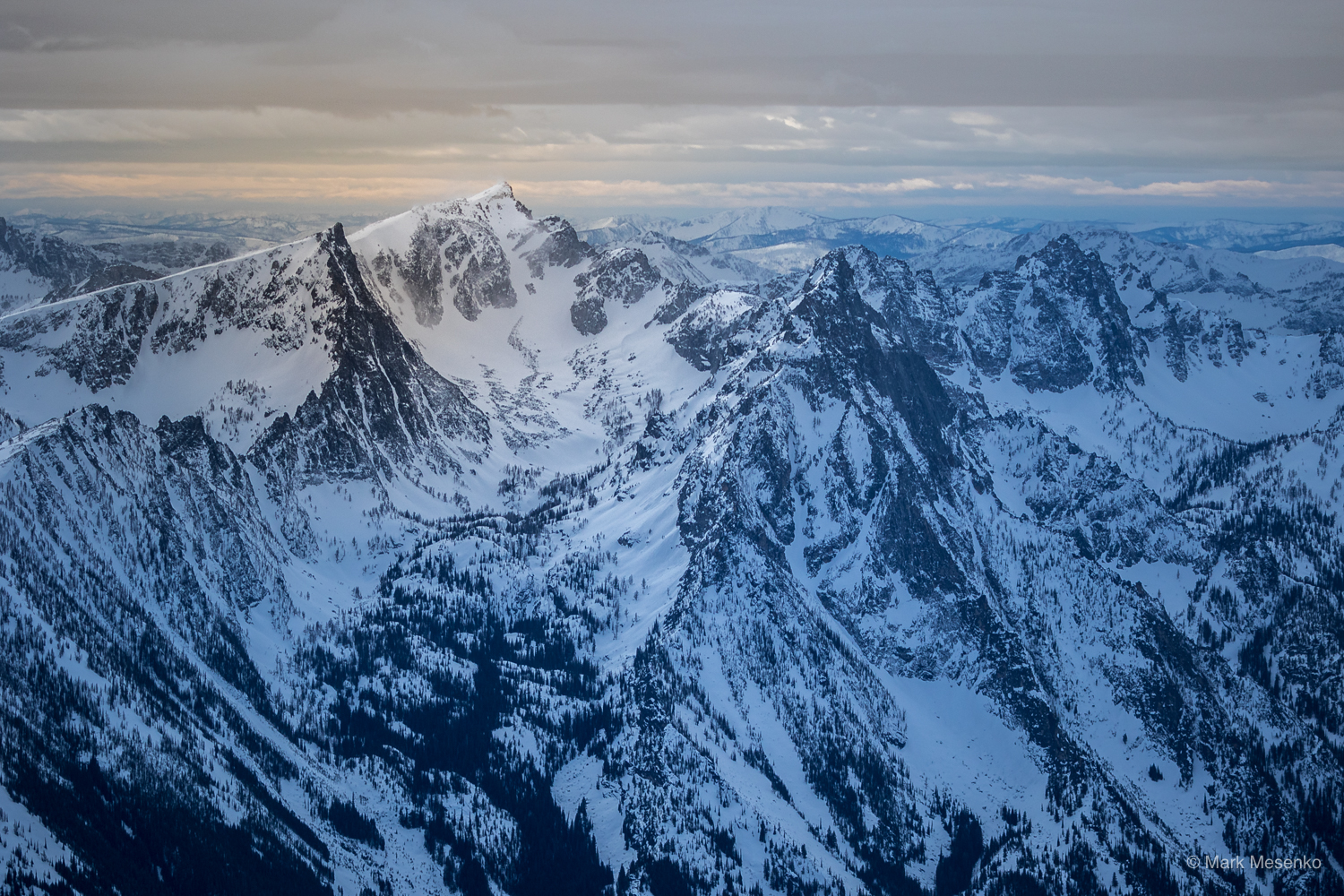
The Bitterroot Mountains looming westward present a rugged barrier formed by tectonic uplift and sculpted by glaciers. Their forests host species that would have been familiar to the Corps -- Ponderosa pine (Pinus ponderosa), Douglas fir (Pseudotsuga menziesii), and western larch (Larix occidentalis). The Bitterroot Valley below would have been a patchwork of sagebrush steppe and riparian willow thickets, providing forage for the horses the Shoshone offered.
The successful crossing of this mountain divide depended on the horses and the goodwill of the Shoshone. It was a fragile alliance, made possible through Sacagawea’s presence and the diplomacy of Lewis and Clark. Without horses, the expedition could not have transported the heavy loads of trade goods, scientific instruments, and provisions necessary to reach the Pacific.
The Corps’ time at Camp Fortunate was brief but intense. They sorted supplies, prepared for the treacherous mountain passage ahead, and repaired their equipment. The days were warm, the skies wide and clear, with the scent of sagebrush and sweetgrass carried on dry breezes. The water of the Beaverhead flowed steadily, a lifeline threading through the land’s ancient stones.
Reflecting on the significance of this camp, one senses that its fortune was not mere chance but the result of careful observation, tenacity, and respect for the land and its peoples. Lewis’s journal, often terse, reveals a moment of human connection that transcended the expedition’s goals. The reunion of Sacagawea and Cameahwait was an event that altered the course of their journey, securing the means to cross the Continental Divide and continue westward.
Today, the waters of Clark Canyon Reservoir cover the very spot where the Corps of Discovery paused. Yet the landscape endures in its geological bones and in the stories carried by the rivers and mountains. As I stand upon the Big Island’s limestone ledges, I contemplate the deep time written in these rocks and the fleeting human dramas that unfolded beneath the same sky.
The expedition’s passage through this land marked a critical chapter in the understanding of the West’s geography and peoples. Camp Fortunate remains a place where natural history and human history converge, shaped by the enduring forces of earth and water, and by the fragile alliances between cultures navigating an uncertain frontier.
See also
- Camp Fortunate at Dillon, Beaverhead County
- Beaverhead Rock at Dillon, Beaverhead County
- Reunion at Camp Fortunate at Dillon, Beaverhead County
Where to Stay in Montana
Affiliate links help support this site at no extra cost to you