In the Breaks, foraging shifts from forest fungi to prairie plants: yucca flowers, milkweed shoots, wild mint, and cottonwood buds along the big river’s coulees.
Map pins mark public-land access hubs—not secret patches. Walk in with restraint, know look-alikes, and forage with restraint.
Cottonwood
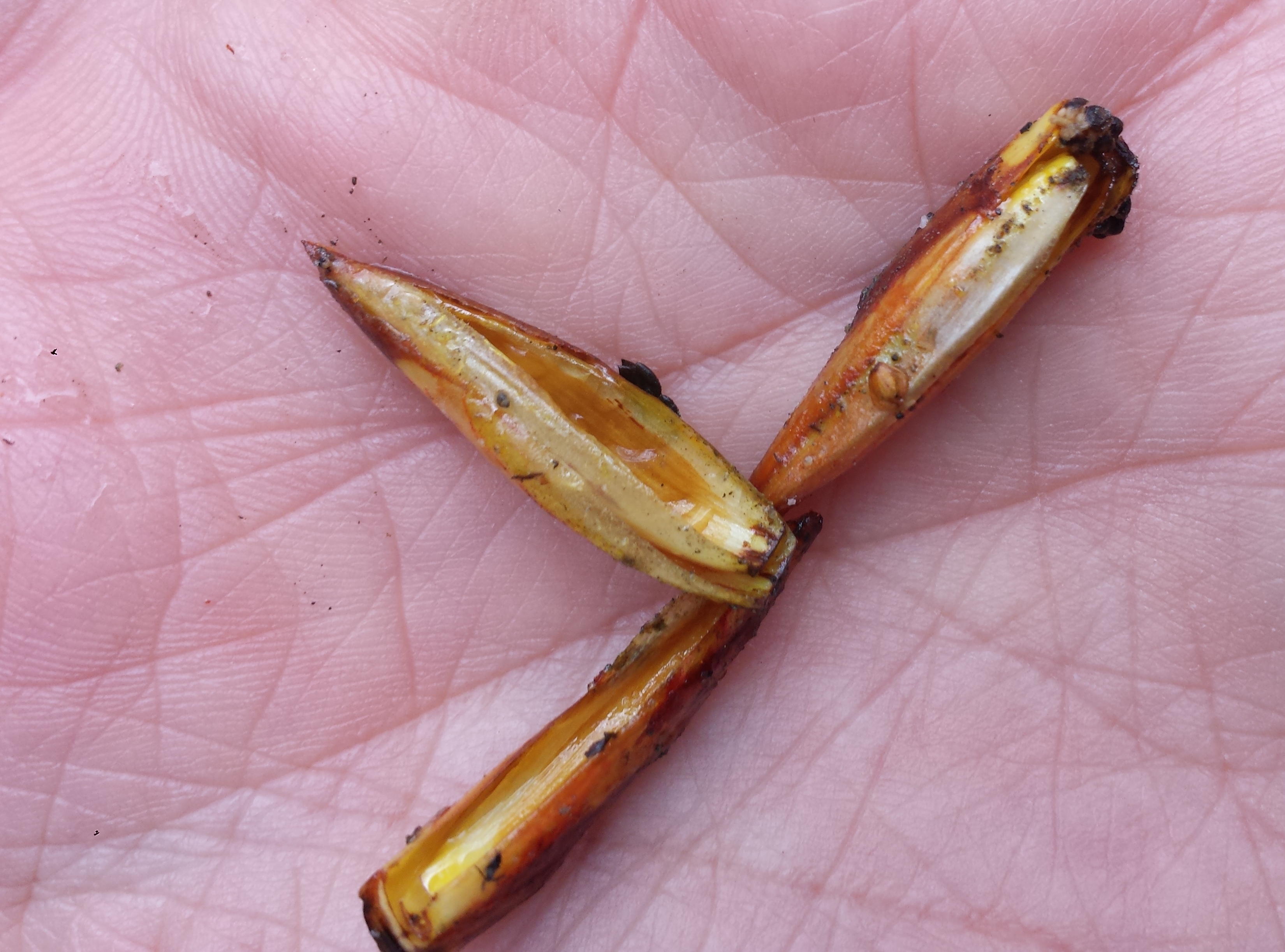
Photo: brewbooks / Wikimedia Commons / CC BY-SA 2.0
The towering cottonwoods that line Montana's rivers offer a powerful medicinal resin. In the late winter and early spring, before the leaves emerge, the leaf buds swell with a sticky, highly aromatic resin known as the Balm of Gilead. This resin is powerfully antimicrobial and anti-inflammatory. It is traditionally infused into oil to create a healing salve for cuts, burns, and sore muscles.
Harvest Window: February through April, while buds are tightly closed and sticky. Habitat: Riparian zones and river bottoms statewide. Access Rules: Abundant on BLM and National Forest lands. Harvest buds selectively, or better yet, gather them from branches that have been freshly downed by winter windstorms.
The Buffaloberry
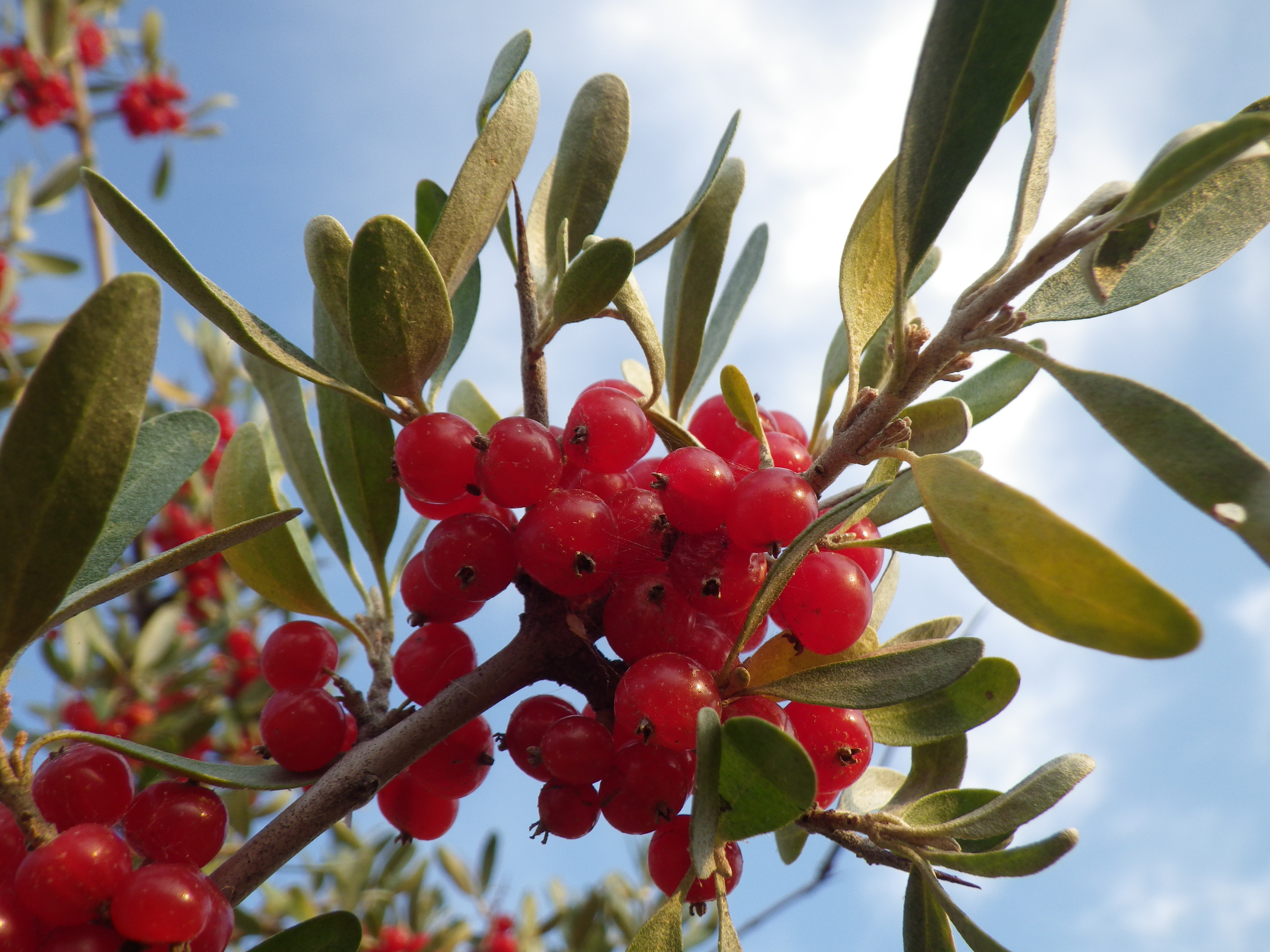
Photo: Matt Lavin / Wikimedia Commons / CC BY-SA 2.0
The buffaloberry is a plant of the harsh, dry prairies. It forms dense, thorny thickets along riverbanks and in draws across eastern Montana. The small, bright red berries are incredibly tart and contain a natural saponin that causes them to foam when whipped. They are traditionally harvested after the first hard frost, which sweetens the fruit considerably.
Harvest Window: September, ideally after a frost. Habitat: Riparian areas and dry coulees in the Great Plains region. Access Rules: Found on BLM lands and along the Missouri River corridor. Allowed for personal use.
The Chokecherry
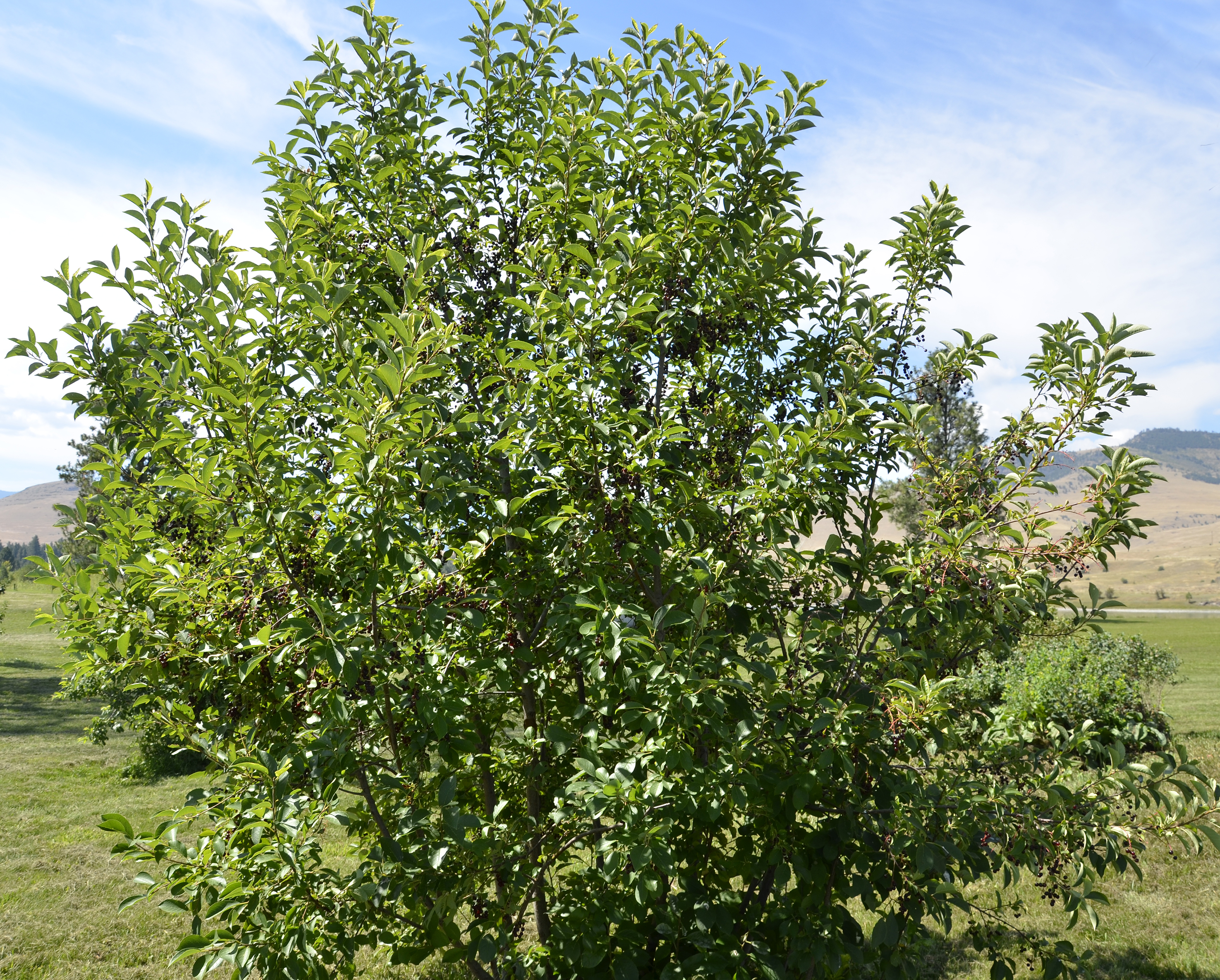
Photo: USDA NRCS Montana / Wikimedia Commons / Public Domain
The chokecherry is a tough, adaptable shrub that lines the coulees and creek beds of eastern and central Montana. The dark red to black berries are intensely astringent when eaten raw, drawing all the moisture from your mouth. However, when cooked and sweetened, they produce a rich, complex syrup and jelly. The pits contain toxic compounds and must be strained out during processing.
Harvest Window: August through September. Habitat: Riparian zones, coulees, and hillsides, particularly in the eastern half of the state. Access Rules: Abundant on BLM lands in the Missouri River Breaks and eastern prairie regions. Allowed for personal use.
The Broadleaf Cattail
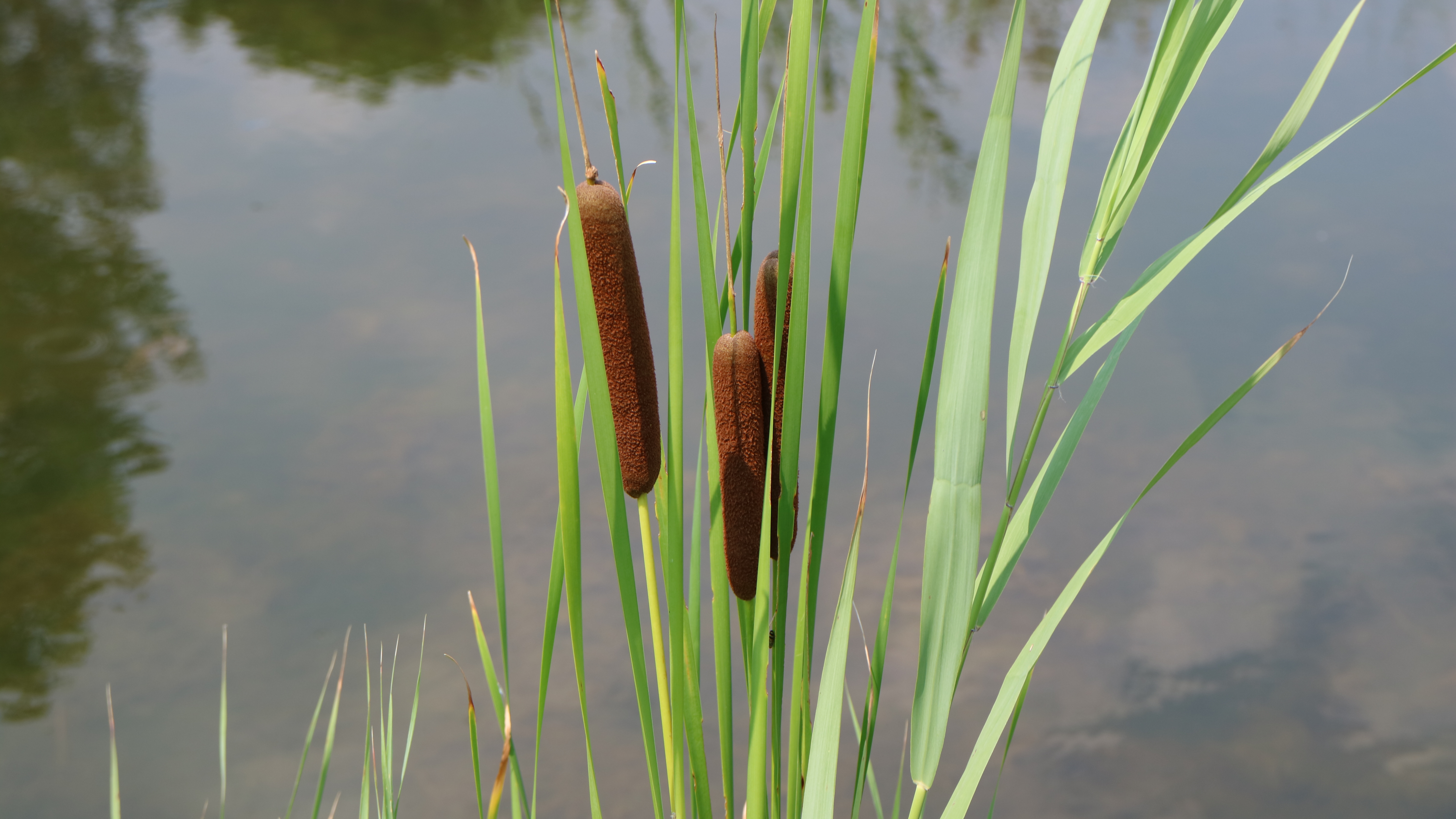
Photo: Thomas Metaxas / Wikimedia Commons / CC BY-SA 4.0 International
The cattail is the supermarket of the marsh. Almost every part of the plant is edible at some point in its life cycle. In May and June, the tender inner cores of the young shoots can be pulled and eaten like asparagus. In July, the male flower spikes can be shaken into a bag to collect the bright yellow pollen, which is rich in protein and can be mixed into flour for baking. In the late summer and fall, the starchy rhizomes can be dug from the mud and processed into a heavy flour.
Harvest Window: Shoots in May/June; pollen in July; roots in late summer/fall. Habitat: Marshes, pond edges, and slow-moving water statewide. Access Rules: Abundant on BLM and National Forest wetlands. Ensure the water source is clean, as cattails act as biofilters and absorb heavy metals and agricultural runoff.
Echinacea / Purple Coneflower
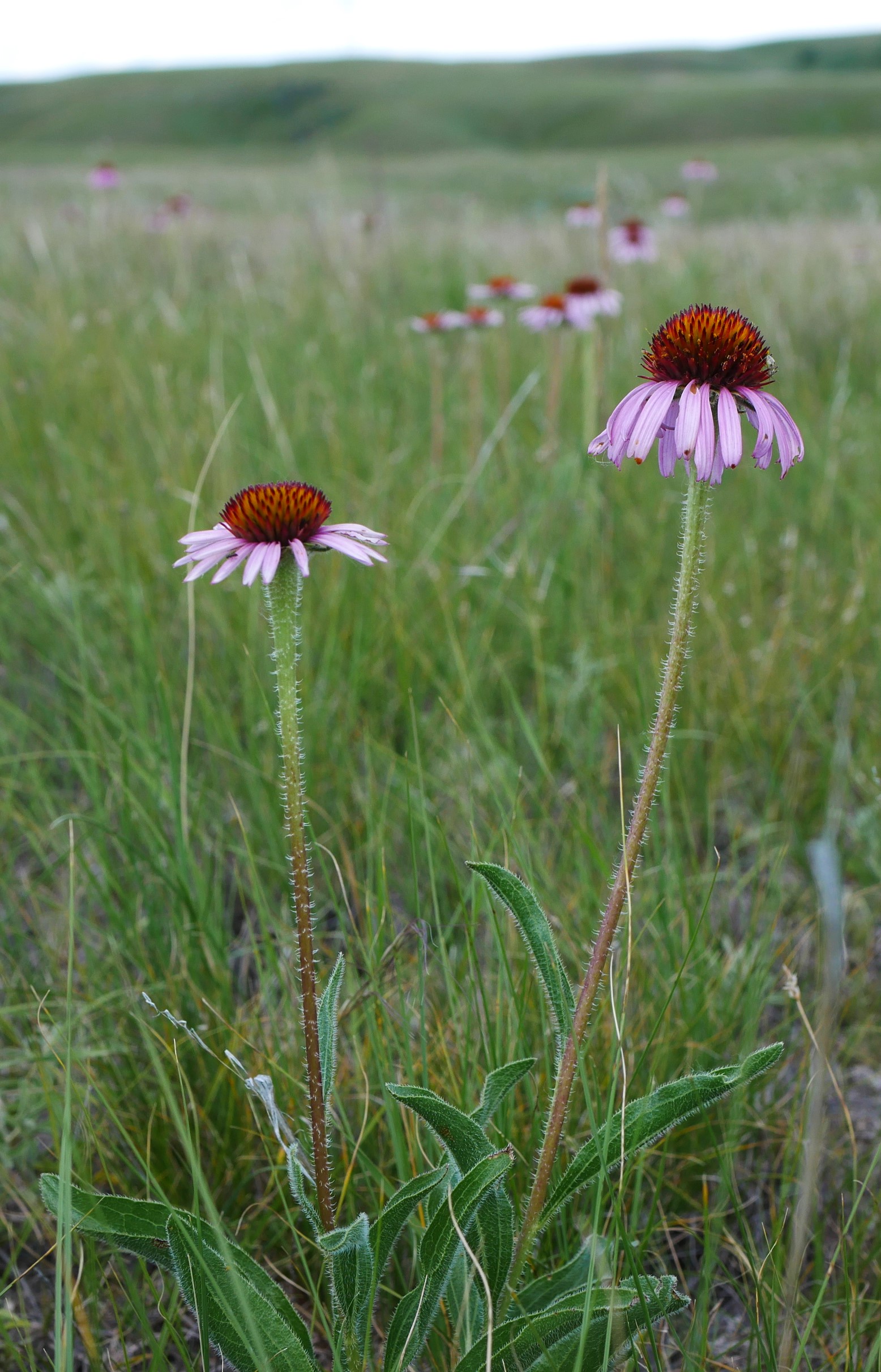
Photo: Thayne Tuason / Wikimedia Commons / CC BY-SA 4.0
The narrow-leaved purple coneflower is a native of the eastern Montana prairies. It is one of the most commercially significant medicinal plants in North America, renowned for its immune-stimulating properties. Because of its commercial value, wild populations have been heavily poached and pressured. If you find it growing wild on the plains, it is best to admire it and leave it to reproduce, relying on cultivated sources for medicinal use.
Harvest Window: Late summer. Habitat: Dry prairies and plains in eastern Montana. Access Rules: Commercial harvest requires specific permits. Personal use is allowed on BLM lands, but conservation ethics dictate leaving wild populations intact.
Look-alike warnings
Never eat a wild plant or mushroom unless you are certain of the identification. Death camas mimics edible camas before flowering; false morels can resemble true morels; death-cap buttons can look like young puffballs; water hemlock and poison hemlock kill. When in doubt, leave it.
Avoid: Death camas
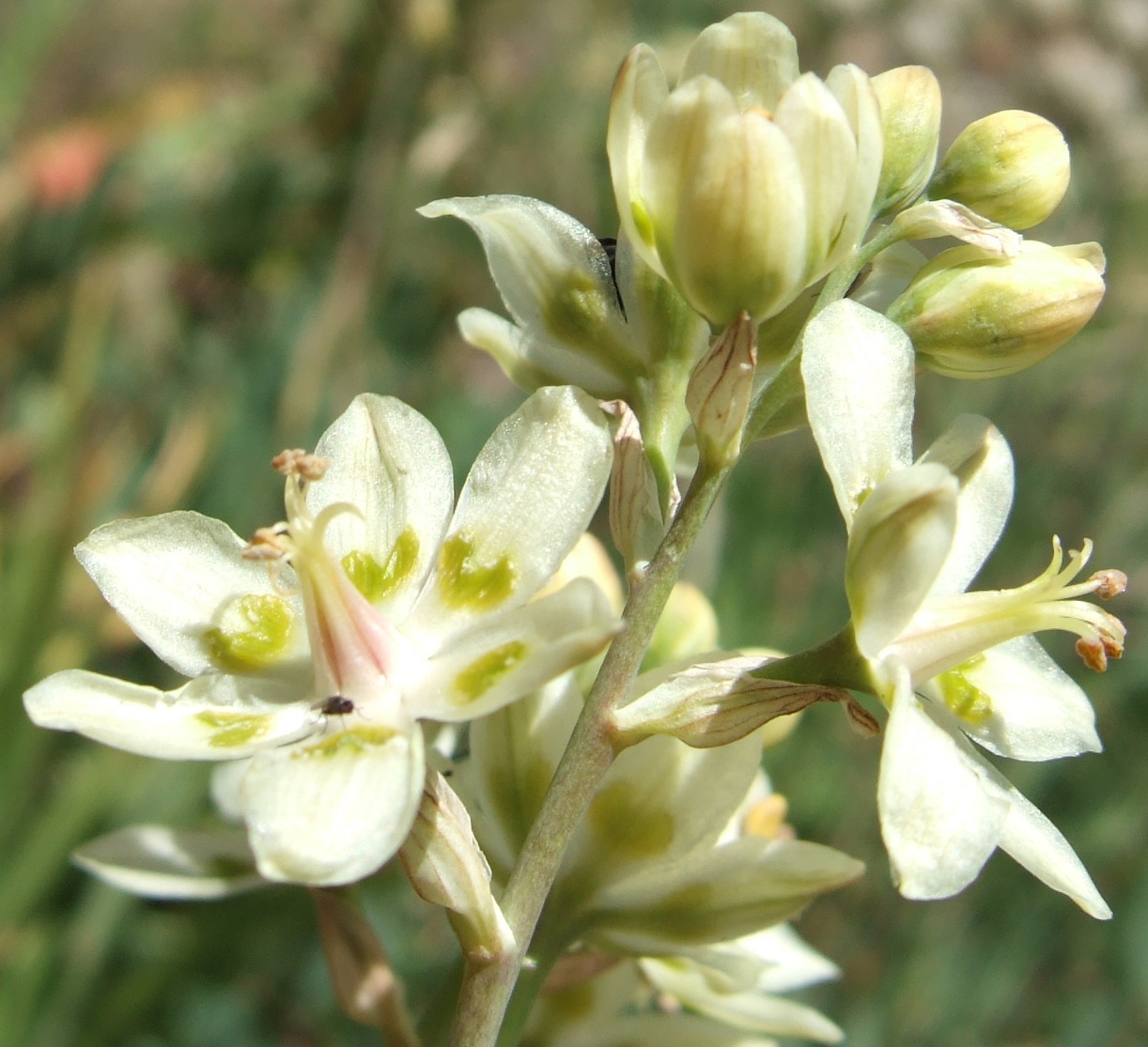
Photo: Adam Humphreys / Wikimedia Commons / CC BY-SA 3.0
Avoid: False morel
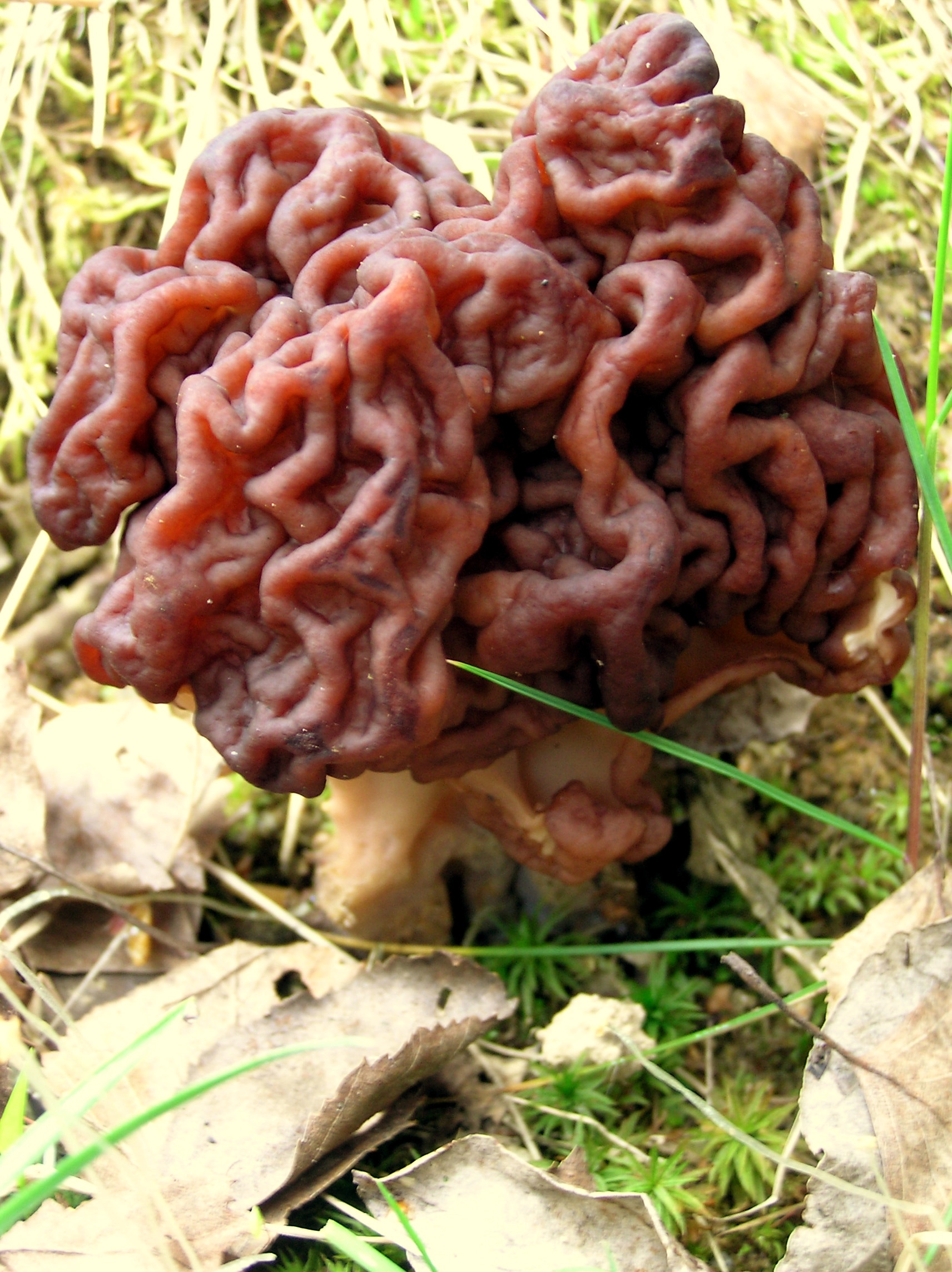
Photo: Severine Meißner / Wikimedia Commons / CC BY-SA 3.0
Avoid: Water hemlock
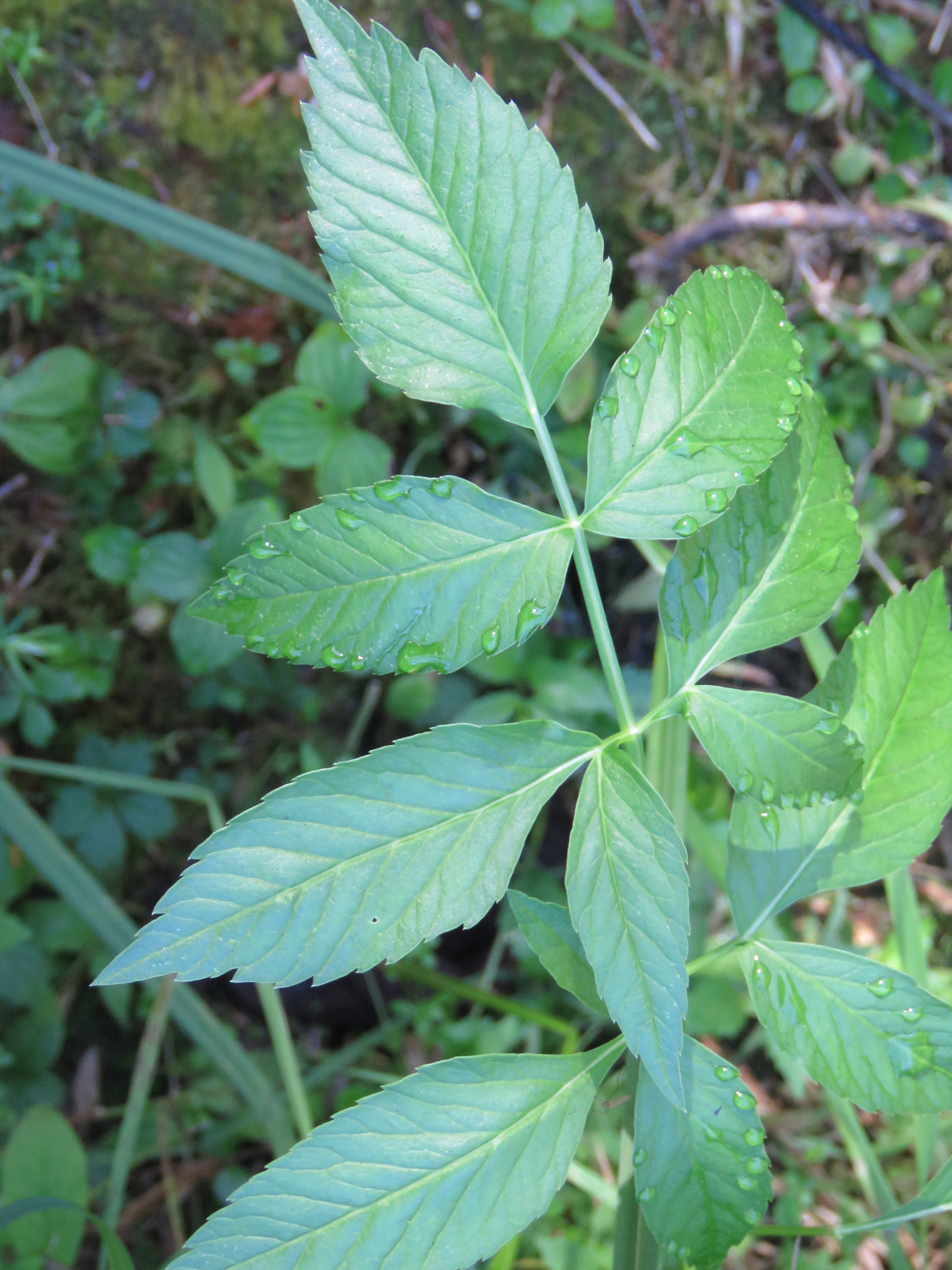
Photo: Erin Springinotic / iNaturalist / CC0 1.0 Universal Public Domain Dedication
Avoid: Death Cap
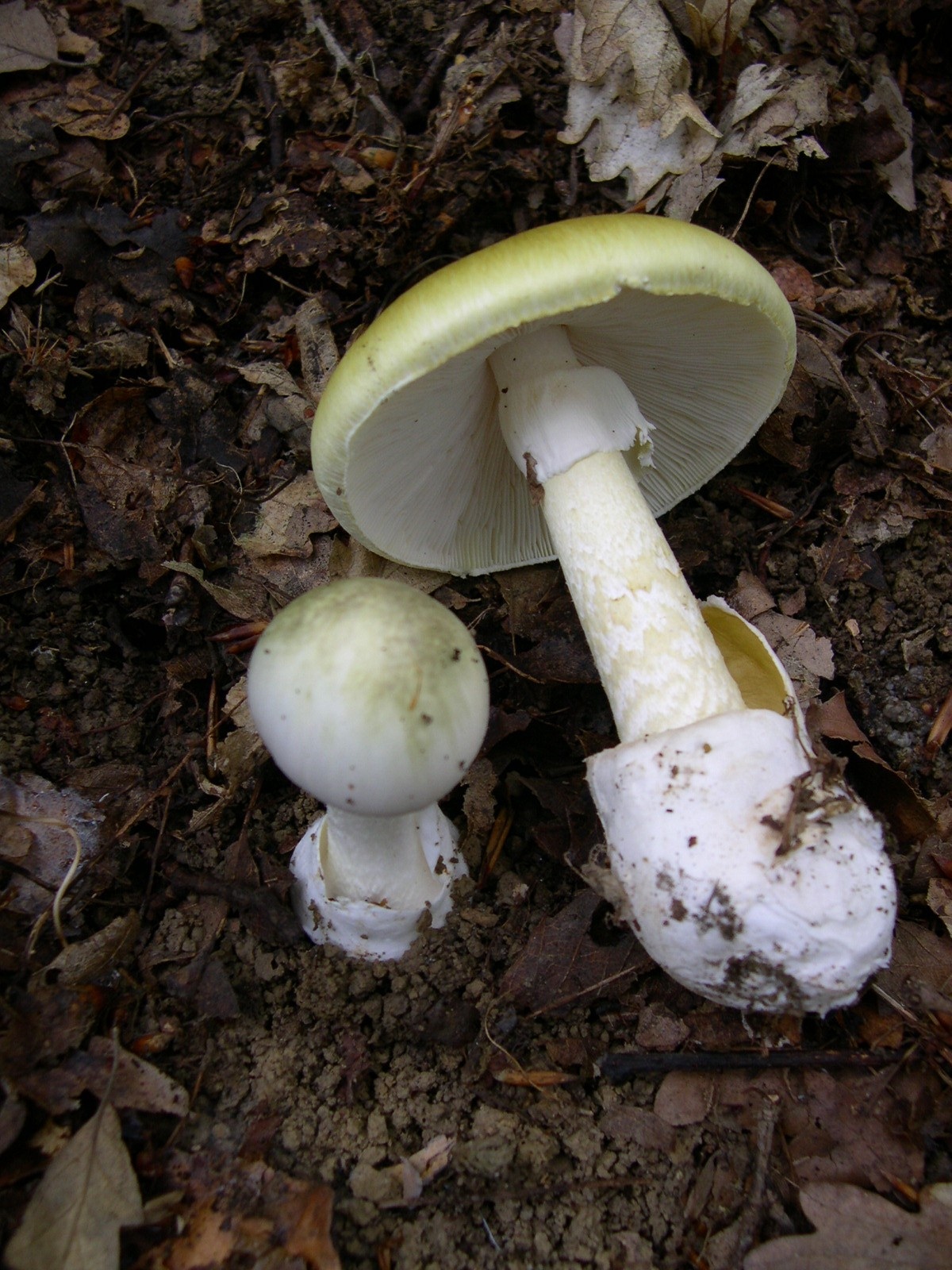
Photo: Archenzo / Wikimedia Commons / CC BY-SA 3.0
Visitor Access
- Nearest town: Winifred
- Focus: Edible Plants
- Access: BLM lands generally allow personal use; CMR National Wildlife Refuge and other refuges typically prohibit foraging. Confirm unit rules before collecting.
- Legal reminder: National Parks and Montana State Parks prohibit foraging. Tribal lands require permission. USFS personal use is often capped at five gallons per day—confirm with the local ranger district.
- Safety: Carry bear spray in berry and burn country. This guide is informational, not a substitute for field guides or local expertise.