← Back to Trout Waters of Montana hub

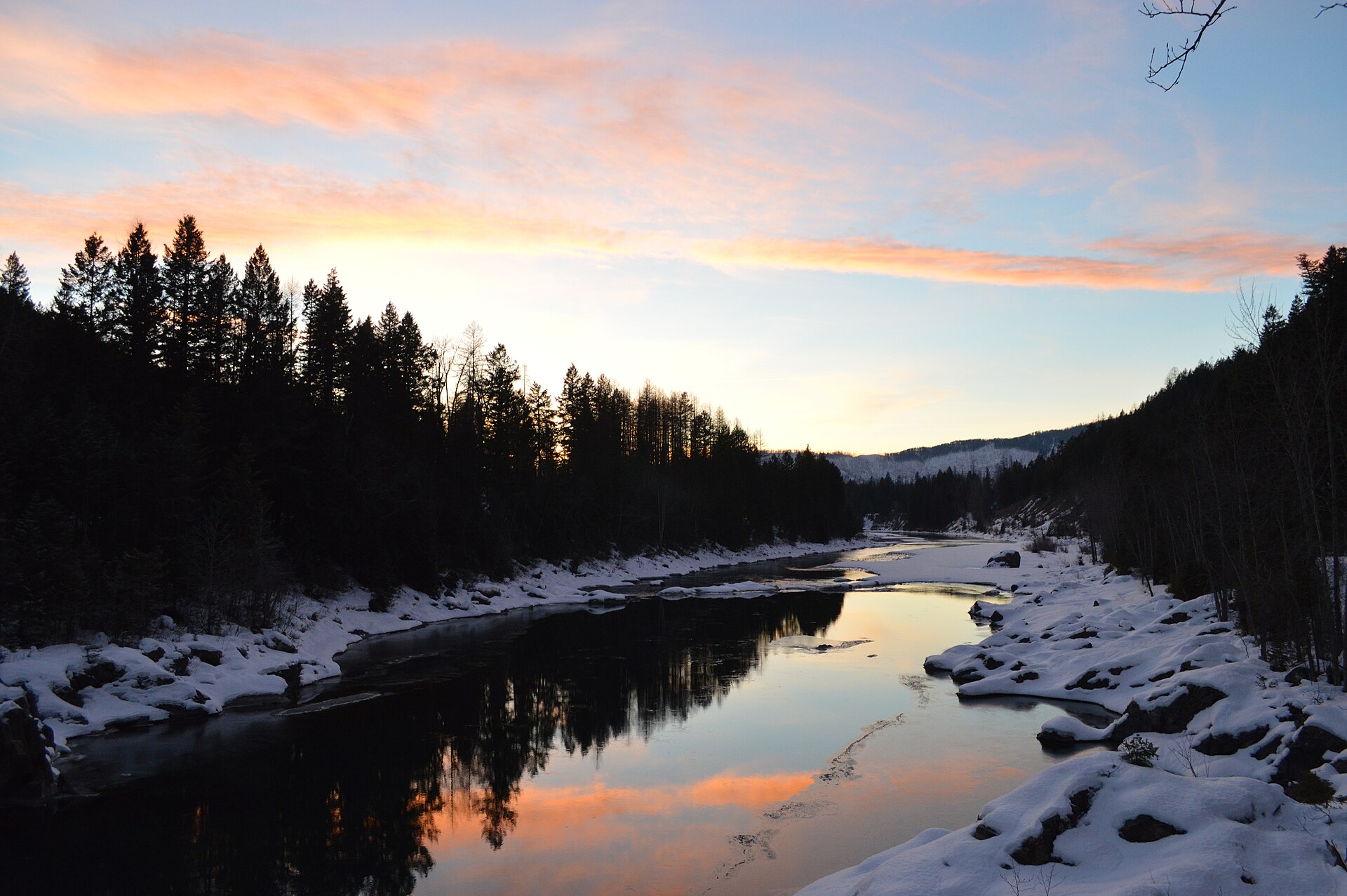
The Stillwater River (Northwest) flows through Northwest Montana near the town of Whitefish. This river holds Rainbow, Cutthroat and fishes best during June-September.

The prime season runs June-September, when hatches are most active and water conditions are optimal.

Anglers can target Rainbow and Cutthroat. Match local hatch patterns and adapt your approach to the water conditions for the best results.

FWP fishing access sites include Carter's Bridge, Grannis, Holmgren Ranch and 2 more.

The nearest town for lodging, supplies, and guide services is Whitefish.

The Stillwater River (Northwest) — Montana fly fishing

Montana fly fishing — Northwest Montana

Local fishing details near Kalispell

Kalispell is the gateway to some of the most diverse freshwater fishing in the Northern Rockies. Flathead Lake — the largest natural freshwater lake west of the Mississippi at 197 square miles — sits just 14 miles south, while the Flathead River system threads through the valley with three major forks draining Glacier National Park and the surrounding wilderness. With 10 public fishing access sites and 27 lakes within 30 miles, Kalispell offers everything from trophy lake trout trolling on Flathead Lake to delicate cutthroat dry-fly fishing on pristine mountain streams. For Montana's fly fishing heritage and the Flathead River system, see our Fly Fishing Guide and Rivers Deep Dive. For the full city profile, see our Kalispell guide.

At a Glance

  • 10 fishing access sites within 30 miles
  • 27 lakes within 30 miles
  • Primary species: Lake trout (mackinaw), cutthroat trout, bull trout (C&R only), rainbow trout, northern pike, yellow perch, mountain whitefish
  • Closest lake: Flathead Lake, 14 miles south
  • Closest river: Flathead River, 8 miles
  • Bull trout: Catch-and-release only in most waters — check regulations
  • License required: Montana fishing license (available at local shops and fwp.mt.gov)

The Lakes

Flathead Lake

Flathead Lake dominates the fishing landscape around Kalispell. At 197 square miles with depths reaching 370 feet, it's an inland sea by Montana standards — and it produces fish to match. Lake trout (mackinaw) are the premier target, with fish commonly reaching 20 pounds and trophies exceeding 30 pounds taken every season. Trolling with downriggers is the standard method for lake trout, working depths of 80 to 150 feet during summer. Yellow perch provide excellent shore fishing at multiple bays and are a favorite for families and ice anglers alike. Lake whitefish are abundant and underappreciated — they fight well on light tackle and are excellent table fare.

Bull trout inhabit Flathead Lake but are strictly catch-and-release — they are a threatened species under the Endangered Species Act, and regulations are enforced vigorously. Be able to identify bull trout and handle them carefully if caught incidentally. Public access to Flathead Lake is available at multiple state park units and fishing access sites around the shoreline.

Whitefish Lake

Whitefish Lake, 15 miles north of Kalispell, is a popular 3,300-acre lake with public access at City Beach and Whitefish Lake State Park. Lake whitefish are the namesake catch and remain abundant, but the lake also holds healthy populations of northern pike, lake trout, and yellow perch. Pike fishing is best in the weedy shallows at the north and south ends during spring and early summer. The lake sees moderate boat traffic in summer, so early mornings and weekdays offer the best fishing conditions.

The Rivers

The Flathead River system is the defining fishery of the Kalispell area. The river's three forks — North, Middle, and South — converge near the valley floor, each with distinct character and fishing opportunity.

The Middle Fork of the Flathead forms the southern boundary of Glacier National Park and is a designated Wild and Scenic River. It holds native westslope cutthroat trout and bull trout (catch-and-release only) in clear, cold water flowing through remote canyon scenery. Access is limited, which keeps pressure low and fish quality high. The North Fork flows along Glacier's western boundary from Canada — another Wild and Scenic stretch with cutthroat and bull trout in exceptionally clear water. The South Fork drains the Bob Marshall Wilderness and offers both float and wade fishing for cutthroat.

The main stem Flathead River, about 8 miles from Kalispell, is more accessible and holds rainbow trout, cutthroat trout, and mountain whitefish. It's a solid year-round fishery with good wade access at several points. The Swan River (46 miles southeast) is a scenic, less-pressured stream flowing through the Swan Valley with native cutthroat and bull trout — a rewarding drive for anglers seeking solitude.

RiverDistance from Kalispell
Flathead River8 mi

Fishing Access Sites

Montana Fish, Wildlife & Parks maintains 10 public fishing access sites within 30 miles of Kalispell. These sites provide reliable access to the Flathead River system and surrounding lakes, with parking and, in most cases, boat launch facilities. Several sites along Flathead Lake offer both shore fishing and ramp access for trolling.

Access SiteDistance from Kalispell
Old Steel Bridge Fishing Access Site3 mi
Pressentine Bar Fishing Access7 mi
Smith Lake Fishing Access Site8 mi
Whitefish River Fishing Access Site8 mi
Somers Fishing Access Site9 mi
Kokanee Bend Fishing Access12 mi
Sportsman Bridge Fishing Access12 mi
Sportsman's Bridge Fishing Access12 mi
Ashley Creek Fishing Access Site13 mi
Teakettle Fishing Access Site13 mi
Ashley Lake Fishing Access Site14 mi
Ashley Lake Boat Launch14 mi
Bigfork Fishing Access Site15 mi
Beaver Lake Fishing Access Site16 mi
South Shore River and Reservior Acess16 mi
Bootjack Lake Fishing Access Site17 mi
Kearney Rapids Boat Launch17 mi
Woods Bay Fishing Access Site18 mi
Swan River Fishing Access Site19 mi
Loon Lake Fishing Access19 mi
Horseshoe Lake - Ferndale Fishing Access Site20 mi
Blankenship Bridge Boat Launch21 mi
Glacier Rim River Access22 mi
Paul's Memorial Fishing Access22 mi
Graves Bay Boat Launch24 mi
Thompson Chain of Lakes Fishing Access Site27 mi
Walstad Fishing Access Site27 mi
Swan Lake Boat Launch28 mi

Mountain Lakes

Beyond the headline lakes, 27 lakes lie within 30 miles of Kalispell, many offering quality fishing with far less traffic. Ashley Lake (14 miles west) is a 3,200-acre lake with good kokanee salmon and cutthroat trout fishing and a Forest Service campground. Echo Lake (16 miles south) provides easy access and consistent fishing for largemouth bass, yellow perch, and stocked rainbow trout — it's a popular family destination. Numerous alpine lakes in Jewel Basin and the Swan Range hold cutthroat and brook trout reachable only by trail, rewarding anglers willing to hike for uncrowded water in stunning mountain settings.

LakeDistance from Kalispell
Spring Creek Reservoir1 mi
Grand View Lake2 mi
Lamoose Lake14 mi
Whitefish Lake15 mi
Strawberry Lake15 mi
Echo Lake16 mi
Cedar Lake17 mi
Wildcat Lake17 mi
Blackfoot Lake18 mi
Picnic Lakes18 mi
Aeneas Lake19 mi
Birch Lake19 mi

Seasonal Guide

Spring (March–May): Ice-off on Flathead Lake typically occurs in late March to early April, triggering aggressive lake trout feeding near the surface — one of the best times for trophy mackinaw. The Flathead River clears before the main spring runoff in May, offering a window for dry-fly fishing to early-season caddis and blue-winged olive hatches. Smaller lakes like Ashley and Echo ice off in April.

Summer (June–August): Prime season across all waters. Lake trout on Flathead Lake move deep (80–150 feet) as surface temperatures rise, requiring downriggers or lead-core line. The Flathead River fishes well all summer with caddis, stoneflies, and attractor dry flies. Yellow perch and whitefish are active on Flathead Lake and Whitefish Lake through the warm months. Evening hatches on the rivers can produce outstanding dry-fly opportunities into August.

Fall (September–November): Many locals consider fall the best fishing season in the Flathead Valley. Lake trout move shallow again on Flathead Lake as water temperatures drop, and the fall spawning run concentrates fish along rocky shoals. Bull trout stage in the rivers ahead of their spawning run — admire them but release carefully. Cutthroat fishing on the forks of the Flathead improves as summer crowds thin. Blue-winged olives hatch on overcast days through November.

Winter (December–February): Ice fishing on Whitefish Lake, Ashley Lake, and the smaller lakes is a Flathead Valley tradition. Yellow perch and northern pike are the primary ice-fishing targets. Flathead Lake rarely freezes entirely due to its size and depth, so open-water trolling for lake trout is possible year-round. The main Flathead River remains fishable through winter with nymphs and streamers on warmer afternoons.

Local Resources

Kalispell and nearby Whitefish have several well-established fly shops and outfitters offering guided trips on the Flathead River system and Flathead Lake. Snappy's Sport Senter in Kalispell and Stumptown Angler in Whitefish are reliable sources for local fishing reports, tackle, and guide referrals. A Montana fishing license is required for anyone 12 and older; licenses are available online at Montana FWP or at local sporting goods stores. Non-resident licenses are available for durations ranging from two days to a full season. Bull trout regulations are strict and vary by water — check current FWP regulations before fishing any Flathead Valley water.

For hiking and other outdoor activities near Kalispell, see our hiking guide and the weekend itinerary.

Open full Kalispell fishing guide →
Hatch calendar & regulations

The Master Hatch Calendar

The insects that govern Montana's rivers follow the sun and the temperature, not the calendar. A cold spring will push every hatch back by two or three weeks. A warm spring will accelerate them. These dates are guidelines, not certainties. A fisherman must learn to read the water and the air, not just the calendar.

Insect Peak Months Key Rivers Recommended Patterns
Midges (Chironomidae) Year-round Missouri, Bighorn, all tailwaters WD-40 #22-26, Griffiths Gnat, Hi-Vis Parachute Midge
Capnia Stonefly January-February Clark Fork, Bitterroot Small dark nymphs
Nemoura Stonefly February-March Clark Fork, Bitterroot Small dark nymphs
Skwala Stonefly February-April Bitterroot, Clark Fork, Gallatin Skwala Adult #8-10, Chubby Chernobyl, Plan B
Blue-Winged Olive (Baetis) March-May, September-November All rivers; best on Missouri, Bitterroot Sparkle Dun #18-22, CDC Dun, RS2 Emerger
Western March Brown March-April Clark Fork, Blackfoot Parachute Adams #14
Mother's Day Caddis April-May Bitterroot, Clark Fork Elk Hair Caddis #14-16
Salmonfly (Pteronarcys) Late May-June Madison, Big Hole, Yellowstone, Gallatin Chernobyl Ant #4-6, Stimulator, Club Sandwich
Green Drake June-July Big Hole, Madison Hi-Vis Extended Body Drake, Trina's Carnage Drake
Golden Stonefly June-July Madison, Big Hole, Yellowstone Stimulator #6-8, Elk Hair Stone, Chubby Chernobyl
Yellow Sally June-July Most freestone rivers Yellow Stimulator #14-16
Pale Morning Dun June-August Missouri, Gallatin, Bitterroot PMD Sparkle Dun #16-18, Comparadun, CDC Emerger
Pale Evening Dun June-August Most freestone rivers Comparadun #16-18
Caddis May-October All rivers Elk Hair Caddis #14-18, Goddard Caddis
Hoppers and Crickets July-September Madison, Yellowstone, Ruby, Big Hole Dave's Hopper #8-10, Fat Albert, Parachute Hopper
Trico July-September Missouri, Madison, Gallatin Trico Spinner #22-26, Two-Wing Spinner
Ants and Beetles June-September All rivers Black Foam Ant #16-20, Beetle #16-18
Spruce Moth August-October Gallatin, Madison, Yellowstone Galloup's Butch Caddis, Elk Hair Caddis #14
Hecuba August-September Big Hole, Beaverhead Hecuba Comparadun #12-14
Mahogany Dun September-October All rivers Comparadun #16, Split Flag
October Caddis September-November Clark Fork, Blackfoot, Bitterroot Elk Hair Caddis #8-10, Stimulator

The Key Hatch Events

The Salmonfly Hatch is the most anticipated event in western fly fishing. The giant stoneflies (Pteronarcys californica) emerge from the Madison, Big Hole, Gallatin, and Yellowstone in late May, moving upriver as water temperatures reach the low 50s F. The hatch is brief, often just two weeks on any given stretch, and it moves upstream at a rate of two to five miles per day. To fish the front of the hatch, you must move with it.

The Skwala Hatch is Montana's first major dry-fly opportunity of the year. It fires on the Bitterroot, Clark Fork, and Gallatin when daytime temperatures warm and water temperatures climb above 40 F, typically late February through April. Trout that have been lethargic all winter aggressively rise to these medium-sized stoneflies.

The PMD Hatch is Montana's most reliable and widespread summer mayfly hatch. PMDs emerge in the mornings on the Missouri, Gallatin, and Bitterroot from June through August, with peak density in July. On the Missouri tailwater, PMD fishing requires long leaders, fine tippet, and an accurate upstream cast to individual rising fish.

Hopper Season is the stuff of legend. Grasshoppers become active along the banks of the Madison, Yellowstone, and Big Hole from July through September. Fish a big foam hopper pattern tight to cut banks, undercut roots, and grassy edges.


2026 Montana Fishing Regulations Summary

All regulations are administered by Montana Fish, Wildlife and Parks (FWP). A fishing license is required for all anglers 12 and older. Regulations change annually; always verify current rules at fwp.mt.gov before fishing.

License Fees (2026)

License Type Resident Nonresident
Annual Fishing License $28 $111
Conservation License (required) $8 $10
2-Day Fishing License N/A $30
10-Day Fishing License N/A $55
Youth Annual (under 15) Free N/A

Standard Season

The standard season for rivers and streams runs from the third Saturday in May through November 30. Many waters have special regulations that differ from the standard season.

Free Fishing Weekends

By Montana law, any person may fish for any fish species without a license on Mother's Day weekend (May 9-10, 2026) and Father's Day weekend (June 20-21, 2026).

Waters Open Year-Round

The following waters are open to fishing year-round under standard regulations unless otherwise noted:

  • Missouri River (all sections)
  • Bighorn River (Fort Smith to Yellowtail Dam)
  • Paradise Valley Spring Creeks (DePuy, Armstrong, Nelson)
  • Most reservoirs and lakes

Special Regulations Waters

Several of Montana's premier rivers have special regulations designed to protect the fishery. These include catch-and-release requirements, artificial lure restrictions, and reduced bag limits. Key examples include:

  • Smith River: Permit required for overnight floats. Permit lottery administered by FWP.
  • Big Hole River: Special regulations to protect the native Arctic Grayling population. Check FWP regulations for current restrictions.
  • Blackfoot River: Artificial lures and flies only in some sections.
  • Missouri River: Catch-and-release only in some sections.

Yellowstone National Park

Fishing in Yellowstone National Park requires a separate YNP fishing permit, available at park visitor centers and ranger stations. Montana fishing licenses are not valid within the park boundaries.


River Conditions and Flow Information

Current river conditions are available through the following resources:

A fisherman must check conditions before driving to a river. The freestone rivers of southwest Montana can blow out overnight after a heavy rain or a warm spell that accelerates snowmelt. A river that was fishing perfectly on Tuesday can be unfishable by Thursday.
Open full hatch calendar page →
Today in Montana History

No story for this date

Check the archive for other days in Montana history.