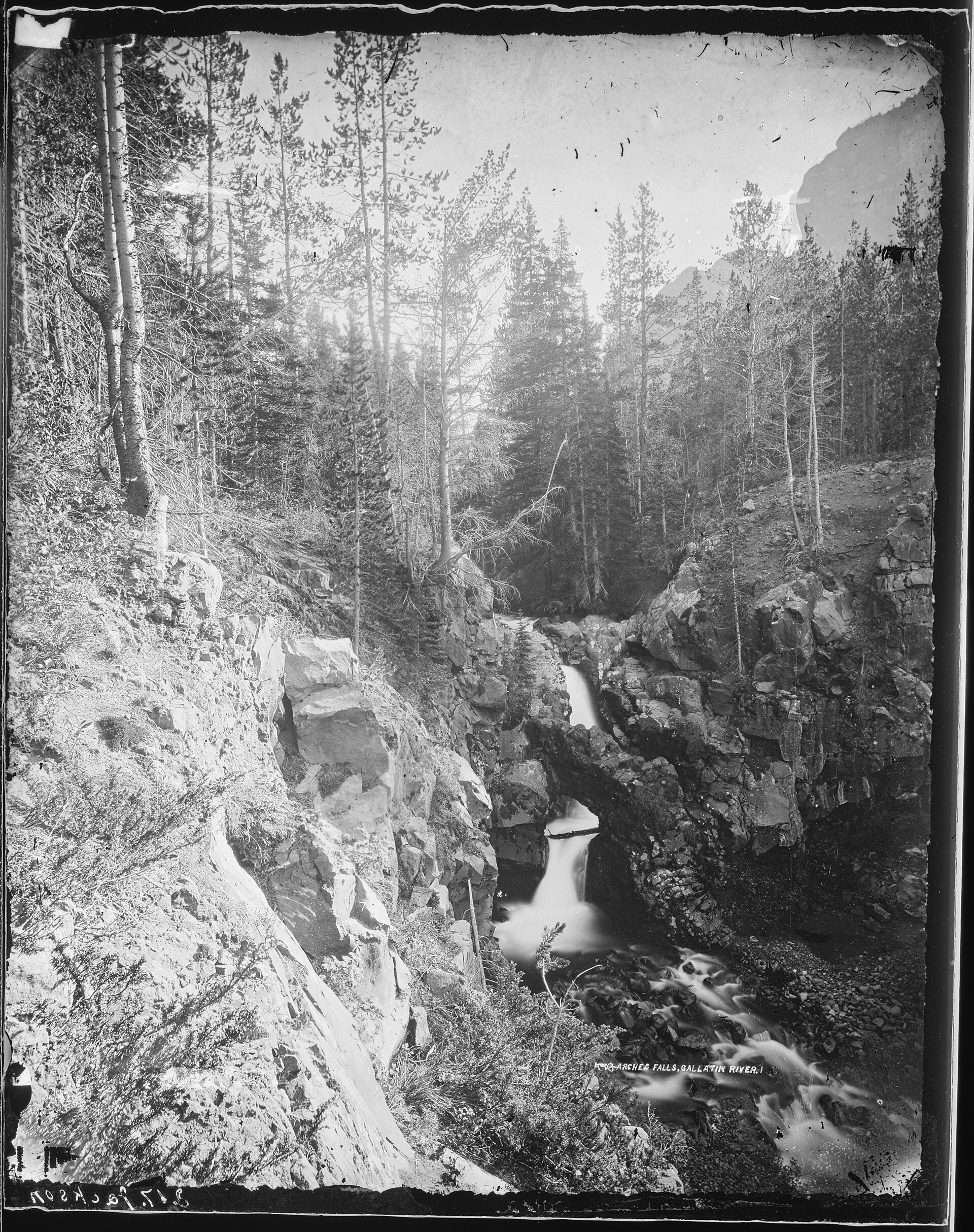
Big Sky sits in the heart of some of the finest fly-fishing water in the American West. The Gallatin River—immortalized in Norman Maclean's A River Runs Through It and the Robert Redford film adaptation—flows through the Gallatin Canyon just minutes from town, carrying wild rainbow and brown trout through a dramatic boulder-strewn canyon. The legendary Madison River is 30 miles west, offering 50-fish days of dry-fly action that draw anglers from around the world. With 18 lakes within 30 miles, 2 FWP fishing access sites, 4 major river systems within day-trip range, and proximity to Yellowstone National Park's native cutthroat trout waters, Big Sky provides access to a fishery that rivals any in North America. The Gallatin Canyon corridor is lined with fly shops and outfitters, and guided trips on the Gallatin, Madison, and Yellowstone rivers are available year-round. For Montana's fly fishing heritage, see our Fly Fishing Guide. For the full community profile, see our Big Sky guide.
At a Glance
- 18 lakes within 30 miles
- 2 FWP fishing access sites within 30 miles
- Primary species: Rainbow trout, brown trout, Yellowstone cutthroat trout, brook trout, mountain whitefish
- Signature fishery: Gallatin River—flows through the canyon minutes from town, legendary pocket water
- Blue-ribbon water: Madison River (30 mi west), Yellowstone River (75 mi east via Paradise Valley)
- Closest access: Gallatin River corridor, roadside access along US-191
- National park water: Yellowstone National Park (50 mi)—native cutthroat trout
- License required: Montana fishing license (available at local shops and fwp.mt.gov)
The Gallatin River
Through the Canyon
The Gallatin River is Big Sky's home water—a fast, cold, boulder-studded freestone river that flows north through the Gallatin Canyon along US-191 from Yellowstone National Park to the Gallatin Valley near Bozeman. The canyon stretch, from the park boundary downstream through Big Sky, is classified as blue-ribbon trout water by Montana FWP and holds strong populations of wild rainbow trout and brown trout in the 10–18-inch range, with larger fish holding in the deeper pools and undercut banks. This is quintessential pocket water—fast currents, submerged boulders, tight seams, and short drifts that reward accurate casting and quick reflexes over long, delicate presentations.
Wade fishing is the primary method on the Gallatin—the river's gradient, boulders, and rapids make most stretches too rough for drift boats. Roadside access along US-191 is excellent, with pullouts and informal access points every mile or so through the canyon. The fishing is productive from the salmonfly hatch in late June through fall, with caddis, stoneflies, pale morning duns, and blue-winged olives providing surface action through the season. The Gallatin's clear, cold water and wild trout population make it a technically satisfying fishery—the fish are not large by Madison or Yellowstone standards, but they are wild, numerous, and rising in one of the most beautiful canyon settings in Montana.
The Madison River
The Madison River—roughly 30 miles west of Big Sky via MT-64 and US-287—is one of the most celebrated trout rivers in the world. The 50-mile stretch from Quake Lake to Ennis (known as the "50-Mile Riffle") is legendary for its consistent dry-fly fishing, prolific hatches, and the sheer number of wild rainbow and brown trout it holds. The Madison produces some of the highest catch rates of any trout river in Montana, with 50-fish days possible during peak hatches. The river's broad, wadeable riffles and runs make it more accessible than the bouldery Gallatin—both wade fishing and float trips are productive.
The Madison's hatch calendar is the stuff of fly-fishing legend. Salmonflies and golden stoneflies in late June and early July trigger aggressive surface feeding from the river's largest trout. Caddis swarms follow in July, and pale morning duns, blue-winged olives, and terrestrials (hoppers, beetles, ants) carry the dry-fly season through September. Fall streamer fishing with large articulated patterns targets pre-spawn brown trout that can exceed 20 inches. For Big Sky visitors, the Madison is an easy day trip—drive west through the Gallatin Canyon, over the pass to Ennis or the Three Dollar Bridge area, and fish one of the world's great trout rivers before returning for dinner.
The Lakes
With 18 lakes within 30 miles, Big Sky offers outstanding stillwater fishing to complement its river credentials. Alpine lakes in the Lee Metcalf Wilderness and the Spanish Peaks hold populations of Yellowstone cutthroat trout and brook trout in spectacular mountain settings. Many of these high-country lakes see light fishing pressure due to the hiking required to reach them—a welcome contrast to the popular Gallatin Canyon pullouts. Cutthroat trout in these alpine lakes are often eager feeders, making them an excellent option for anglers looking for solitude and reliable surface action.
Beehive Basin Lake (accessible via the popular Beehive Basin trail) and lakes in the Spanish Creek and Cascade Creek drainages offer alpine fishing in cirque settings surrounded by 10,000-foot peaks. Lower-elevation lakes and reservoirs in the broader Gallatin Valley provide additional trout and warm-water options for anglers willing to make the drive north toward Bozeman. Hebgen Lake (40 miles south near West Yellowstone) is a large reservoir renowned for its gulper fishing—brown trout rising to Callibaetis mayfly hatches on calm summer evenings create one of the most exciting stillwater dry-fly experiences in Montana.
The Rivers
Beyond the Gallatin and Madison, two additional world-class rivers lie within day-trip distance of Big Sky. The Yellowstone River (75 miles east via Paradise Valley)—the longest free-flowing river in the contiguous United States—offers blue-ribbon drift-boat fishing for rainbow and brown trout through the stunning Absaroka-flanked corridor of Paradise Valley. The famous salmonfly hatch on the Yellowstone in late June draws anglers from across the country.
The Upper Gallatin inside Yellowstone National Park (50 miles south) holds native Yellowstone cutthroat trout in meadow water—a gentler, more intimate fishing experience than the canyon stretch near Big Sky. Park regulations apply: catch-and-release only for cutthroat, no lead tackle, and a Yellowstone fishing permit (free, available at park visitor centers) in addition to the Montana license. The combination of four major river systems—Gallatin, Madison, Yellowstone, and the upper Gallatin in Yellowstone—within day-trip range gives Big Sky anglers a diversity of water types that few locations in the West can match.
Fishing Access Sites
Big Sky has 2 FWP fishing access sites within 30 miles. The Gallatin Canyon corridor along US-191 provides the most convenient access—roadside pullouts and informal parking areas offer wade-fishing entry points every mile or so through the canyon without formal FWP signage. The formal fishing access sites serve as designated put-in/take-out points and provide developed parking, and some offer primitive camping. For the Madison River, access sites near Ennis and along MT-287 provide both wade and float-trip options.
Seasonal Guide
Spring (March–May): The Gallatin runs high and off-color with spring runoff from April through early June. Fishing can be productive during lower-water windows using nymph rigs and streamers. The Madison clears slightly earlier than the Gallatin in some years. Alpine lakes remain ice-covered through May at Big Sky's elevation. March brown and blue-winged olive hatches appear on warmer afternoons.
Summer (June–August): The marquee season. Salmonfly hatches arrive on the Gallatin and Madison in late June to early July, triggering aggressive surface feeding. The Gallatin typically clears and drops to ideal flows by late June. Caddis, golden stoneflies, pale morning duns, and terrestrials carry the dry-fly action through August. Alpine lakes in the Spanish Peaks thaw by mid-July. Summer evenings on the Gallatin—with caddis swarms and rising trout as the light fades behind Lone Mountain—are among the finest experiences in Montana fly fishing.
Fall (September–November): Many experienced anglers name fall as the best season. Brown trout become aggressive ahead of their October spawning run, and streamer fishing produces the year's biggest fish on both the Gallatin and Madison. Blue-winged olives return on overcast autumn afternoons. Crowds thin dramatically after Labor Day, and the combination of fall colors, elk bugling in the surrounding mountains, and uncrowded water creates a fishing experience that summer cannot match.
Winter (December–February): The Gallatin remains fishable through winter for dedicated anglers, with midge and BWO hatches on warmer afternoons bringing trout to the surface. Nymphing is more consistent. Access can be limited by snow and ice along the canyon pullouts, but the highway is maintained and the river never fully freezes. Winter fishing on the Gallatin is a quiet, solitary experience—and a perfect complement to a morning of skiing at Big Sky Resort five miles away.
Local Resources
Big Sky and the Gallatin Canyon corridor are well-served by fly shops and outfitters. East Slope Outdoors, Gallatin River Guides, and several other operations offer guided wade trips on the Gallatin, float trips on the Madison and Yellowstone, and alpine lake excursions into the Lee Metcalf Wilderness. Fly shops carry local patterns tied specifically for the Gallatin's pocket water—heavier, bushier flies that ride high in the turbulent currents. Hatch reports are updated regularly during the season. A Montana fishing license is required for anyone 12 and older; licenses are available online at Montana FWP or at local shops. Non-resident licenses are available for durations ranging from two days to a full season.
For hiking and other outdoor activities near Big Sky, see our hiking guide and the weekend itinerary.