← Back to Trout Waters of Montana hub

The Big Blackfoot is a river of boulders and deep, green pools. It is a river that runs through timber and canyon, a river that feels older than the anglers who fish it. For many western Montana fly fishers, it is the water by which other freestones are measured.

It begins in the high country along the Continental Divide, gathering water from Alice Creek and Landers Fork, and it runs west toward Missoula. It is a rough river, full of rocks that have fallen from the canyon walls, creating pockets and seams where the native westslope cutthroat and the heavy brown trout hold.

To fish the Blackfoot is to fish the pockets. You do not cast blindly into the middle of the river. You look for the rock, you look for the soft water behind the rock, and you drop your fly into that soft water. It requires a precise cast, often a roll cast or a reach cast, to get the fly under the overhanging pines and into the shadows.

The Character of the Water

The Blackfoot is not a forgiving river. The wading is difficult, the rocks are slick, and the current is deceptive. But it is a beautiful river. The water is a deep, clear green, the color of old glass, and the canyon walls rise steep and timbered on either side.

In the upper reaches, above the town of Lincoln, the river is small and intimate, winding through meadows and holding eager cutthroat. As it moves downstream, it gathers strength from the Clearwater River and Monture Creek, widening and deepening as it enters the canyon sections near Johnsrud Park.

This is classic teaching water. The pocket seams force a clean cast, a careful mend, and an honest drift. Anglers who learn the Blackfoot learn to read rock and current before they learn to trust a single fly pattern.

The Hatches and the Flies

The Blackfoot is an attractor river. The trout here are opportunistic, living in fast water where they do not have the luxury of inspecting a fly closely. They must eat when the food is there, or go hungry.

The season begins in early spring with the Skwala stoneflies, a dark, clumsy bug that brings the large browns to the surface. In June, the Salmonflies arrive, though the hatch is not as famous or as crowded as the one on the Madison. Throughout the summer, the fish will take a well-presented Golden Stone, a hopper, or a large, bushy attractor pattern like a Royal Wulff or a Trude.

But the specific fly is often less important than the presentation. A drag-free drift over a holding lie will catch fish on the Blackfoot, regardless of the pattern. The river demands execution, not imitation.

When the sun drops behind the canyon walls and the shadows lengthen across the water, the Blackfoot takes on a different feeling. The wind dies, the air cools, and the river seems to quiet itself. It is in these moments, standing in the cold water, watching a dry fly drift through the shadows, that a man can feel the presence of the past. The river is a highway of time, carrying the water and the memories downstream, forever.
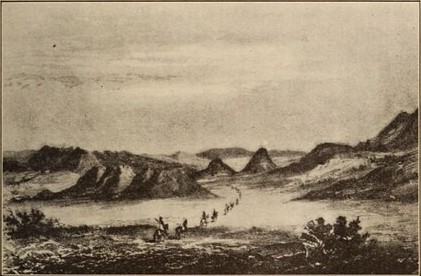
The Blackfoot River — Montana fly fishing

Open-source photograph

Hatch calendar & regulations

The Master Hatch Calendar

The insects that govern Montana's rivers follow the sun and the temperature, not the calendar. A cold spring will push every hatch back by two or three weeks. A warm spring will accelerate them. These dates are guidelines, not certainties. A fisherman must learn to read the water and the air, not just the calendar.

Insect Peak Months Key Rivers Recommended Patterns
Midges (Chironomidae) Year-round Missouri, Bighorn, all tailwaters WD-40 #22-26, Griffiths Gnat, Hi-Vis Parachute Midge
Capnia Stonefly January-February Clark Fork, Bitterroot Small dark nymphs
Nemoura Stonefly February-March Clark Fork, Bitterroot Small dark nymphs
Skwala Stonefly February-April Bitterroot, Clark Fork, Gallatin Skwala Adult #8-10, Chubby Chernobyl, Plan B
Blue-Winged Olive (Baetis) March-May, September-November All rivers; best on Missouri, Bitterroot Sparkle Dun #18-22, CDC Dun, RS2 Emerger
Western March Brown March-April Clark Fork, Blackfoot Parachute Adams #14
Mother's Day Caddis April-May Bitterroot, Clark Fork Elk Hair Caddis #14-16
Salmonfly (Pteronarcys) Late May-June Madison, Big Hole, Yellowstone, Gallatin Chernobyl Ant #4-6, Stimulator, Club Sandwich
Green Drake June-July Big Hole, Madison Hi-Vis Extended Body Drake, Trina's Carnage Drake
Golden Stonefly June-July Madison, Big Hole, Yellowstone Stimulator #6-8, Elk Hair Stone, Chubby Chernobyl
Yellow Sally June-July Most freestone rivers Yellow Stimulator #14-16
Pale Morning Dun June-August Missouri, Gallatin, Bitterroot PMD Sparkle Dun #16-18, Comparadun, CDC Emerger
Pale Evening Dun June-August Most freestone rivers Comparadun #16-18
Caddis May-October All rivers Elk Hair Caddis #14-18, Goddard Caddis
Hoppers and Crickets July-September Madison, Yellowstone, Ruby, Big Hole Dave's Hopper #8-10, Fat Albert, Parachute Hopper
Trico July-September Missouri, Madison, Gallatin Trico Spinner #22-26, Two-Wing Spinner
Ants and Beetles June-September All rivers Black Foam Ant #16-20, Beetle #16-18
Spruce Moth August-October Gallatin, Madison, Yellowstone Galloup's Butch Caddis, Elk Hair Caddis #14
Hecuba August-September Big Hole, Beaverhead Hecuba Comparadun #12-14
Mahogany Dun September-October All rivers Comparadun #16, Split Flag
October Caddis September-November Clark Fork, Blackfoot, Bitterroot Elk Hair Caddis #8-10, Stimulator

The Key Hatch Events

The Salmonfly Hatch is the most anticipated event in western fly fishing. The giant stoneflies (Pteronarcys californica) emerge from the Madison, Big Hole, Gallatin, and Yellowstone in late May, moving upriver as water temperatures reach the low 50s F. The hatch is brief, often just two weeks on any given stretch, and it moves upstream at a rate of two to five miles per day. To fish the front of the hatch, you must move with it.

The Skwala Hatch is Montana's first major dry-fly opportunity of the year. It fires on the Bitterroot, Clark Fork, and Gallatin when daytime temperatures warm and water temperatures climb above 40 F, typically late February through April. Trout that have been lethargic all winter aggressively rise to these medium-sized stoneflies.

The PMD Hatch is Montana's most reliable and widespread summer mayfly hatch. PMDs emerge in the mornings on the Missouri, Gallatin, and Bitterroot from June through August, with peak density in July. On the Missouri tailwater, PMD fishing requires long leaders, fine tippet, and an accurate upstream cast to individual rising fish.

Hopper Season is the stuff of legend. Grasshoppers become active along the banks of the Madison, Yellowstone, and Big Hole from July through September. Fish a big foam hopper pattern tight to cut banks, undercut roots, and grassy edges.


2026 Montana Fishing Regulations Summary

All regulations are administered by Montana Fish, Wildlife and Parks (FWP). A fishing license is required for all anglers 12 and older. Regulations change annually; always verify current rules at fwp.mt.gov before fishing.

License Fees (2026)

License Type Resident Nonresident
Annual Fishing License $28 $111
Conservation License (required) $8 $10
2-Day Fishing License N/A $30
10-Day Fishing License N/A $55
Youth Annual (under 15) Free N/A

Standard Season

The standard season for rivers and streams runs from the third Saturday in May through November 30. Many waters have special regulations that differ from the standard season.

Free Fishing Weekends

By Montana law, any person may fish for any fish species without a license on Mother's Day weekend (May 9-10, 2026) and Father's Day weekend (June 20-21, 2026).

Waters Open Year-Round

The following waters are open to fishing year-round under standard regulations unless otherwise noted:

  • Missouri River (all sections)
  • Bighorn River (Fort Smith to Yellowtail Dam)
  • Paradise Valley Spring Creeks (DePuy, Armstrong, Nelson)
  • Most reservoirs and lakes

Special Regulations Waters

Several of Montana's premier rivers have special regulations designed to protect the fishery. These include catch-and-release requirements, artificial lure restrictions, and reduced bag limits. Key examples include:

  • Smith River: Permit required for overnight floats. Permit lottery administered by FWP.
  • Big Hole River: Special regulations to protect the native Arctic Grayling population. Check FWP regulations for current restrictions.
  • Blackfoot River: Artificial lures and flies only in some sections.
  • Missouri River: Catch-and-release only in some sections.

Yellowstone National Park

Fishing in Yellowstone National Park requires a separate YNP fishing permit, available at park visitor centers and ranger stations. Montana fishing licenses are not valid within the park boundaries.


River Conditions and Flow Information

Current river conditions are available through the following resources:

A fisherman must check conditions before driving to a river. The freestone rivers of southwest Montana can blow out overnight after a heavy rain or a warm spell that accelerates snowmelt. A river that was fishing perfectly on Tuesday can be unfishable by Thursday.

Open full hatch calendar page →
Today in Montana History

No story for this date

Check the archive for other days in Montana history.