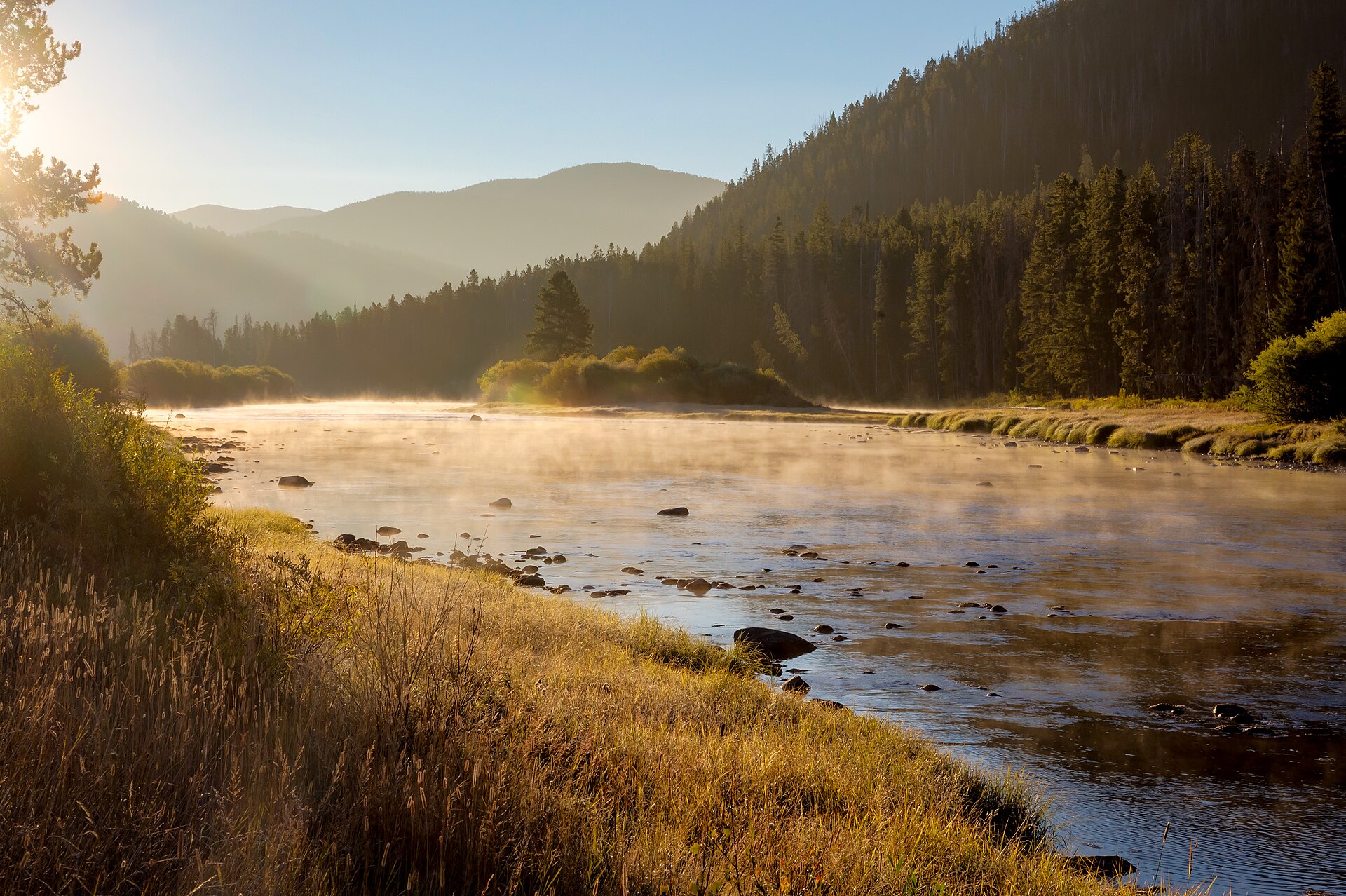
Deer Lodge sits at 4,521 feet in the Deer Lodge Valley of Powell County, Montana, 37 miles northwest of Butte along I-90. With 52 lakes within 30 miles, 3 fishing access sites, and access to the Clark Fork plus other blue-ribbon rivers within easy driving distance, Deer Lodge commands one of the highest densities of fishable water for any town in Montana. The Clark Fork River flows directly through the valley, Georgetown Lake—13 miles southwest—is the premier fishery: a 2,800-acre mountain lake stocked with rainbow trout, brook trout, and kokanee salmon, and widely regarded as Montana’s ice fishing capital. The Anaconda-Pintler Wilderness holds backcountry lakes with pure westslope cutthroat trout just 3 miles from town. This guide covers every major fishing zone accessible from Deer Lodge. For Montana's fly fishing heritage, see our Fly Fishing Guide. For the full town profile, see our Deer Lodge guide.
At a Glance
- 3 fishing access sites within 30 miles
- 52 lakes within 30 miles
- 1 river within 30 miles (Big Hole River, 25 mi)
- Primary species: Rainbow trout, brown trout, brook trout, westslope cutthroat trout, kokanee salmon, mountain whitefish
- Star fishery: Georgetown Lake—rainbow trout, brook trout, kokanee salmon, ice fishing
- Closest fishing access: Comers Point and Red Bridge, 13 miles
- Backcountry fishing: Anaconda-Pintler Wilderness alpine lakes—pure westslope cutthroat
- Blue-ribbon stream: Rock Creek, approximately 30 miles—one of Montana’s famous trout streams
- Ice fishing: Georgetown Lake is Montana’s premier ice fishing destination
- License required: Montana fishing license (available at local shops and fwp.mt.gov)
Clark Fork River
The Clark Fork River flows directly through the Deer Lodge Valley, giving Deer Lodge residents and visitors immediate access to Montana’s longest river. Through the Deer Lodge reach, the Clark Fork holds populations of brown trout and rainbow trout, along with mountain whitefish. The river here winds through open ranch country and cottonwood bottoms, offering a mix of riffles, runs, and deeper pools that produce fish on nymphs, dry flies, and streamers.
The Clark Fork through the Deer Lodge Valley has benefited from ongoing restoration efforts following decades of mining impacts upstream near Butte. Water quality has improved significantly, and the trout population continues to strengthen. The river provides accessible wade fishing and float opportunities, with caddis and stonefly hatches in summer driving surface feeding. Fall brings blue-winged olive hatches and aggressive brown trout ahead of their spawning season, making the Clark Fork a productive fishery from spring through late autumn.
Georgetown Lake
Georgetown Lake, 13 miles southwest of Deer Lodge at 6,330 feet, is THE premier fishery in the area and one of the most productive mountain lakes in Montana. The 2,800-acre reservoir sits in a stunning bowl surrounded by the Flint Creek Range and the Anaconda Range, with Discovery Ski Area visible on the ridgeline above. Georgetown Lake is managed as a trophy fishery and produces large rainbow trout, brook trout, and kokanee salmon.
Rainbow trout are the primary target, with fish averaging 14–18 inches and larger specimens taken regularly. The lake’s rich weed beds support exceptional insect hatches—damselfly, callibaetis, and chironomid hatches—that bring fish to the surface for outstanding dry-fly and float-tube fishing, particularly in June and September. Brook trout are abundant and often run 10–14 inches, feeding aggressively near weed edges and tributary inflows. Kokanee salmon provide fast action for trollers and attract crowds during the late summer spawning run.
Georgetown Lake’s claim to fame, however, is ice fishing. The lake freezes reliably by late December at its 6,330-foot elevation, and the ice fishing season runs through March. Hundreds of ice shanties dot the lake on winter weekends as anglers target rainbow trout, brook trout, and kokanee through the ice. Georgetown Lake is widely considered Montana’s ice fishing capital, and the winter fishery draws anglers from across the state. Access is excellent, with plowed parking areas and a well-established community of winter anglers.
Rock Creek
Rock Creek, approximately 30 miles northwest of Deer Lodge, is one of Montana’s legendary blue-ribbon trout streams and a destination fishery in its own right. The creek flows through a scenic canyon for over 50 miles, holding strong populations of rainbow trout, brown trout, and cutthroat trout. Rock Creek is known for its excellent access—a road parallels much of the stream—and its outstanding insect hatches, including salmonfly, golden stonefly, and caddis hatches that bring large trout to the surface from June through August.
Rock Creek offers everything from pocket water and riffles to deep pools and undercut banks. Wade fishing is the primary approach, and the stream’s variety of water types means that nymph anglers, dry-fly purists, and streamer fishers all find productive water. The proximity of Rock Creek to Deer Lodge makes it an easy day trip for anglers seeking a world-class trout stream experience.
Anaconda-Pintler Wilderness Lakes
The Anaconda-Pintler Wilderness, beginning just 3 miles south of Deer Lodge, holds dozens of alpine lakes scattered across 158,000 acres of high-mountain terrain along the Continental Divide. These backcountry lakes—including Johnson Lake, Warren Lake, and Carpp Lake—hold pure westslope cutthroat trout, Montana’s native trout species, in pristine settings above 7,000 feet.
Backcountry fishing in the Pintler Wilderness rewards anglers willing to hike for their fish. The cutthroat in these lakes are wild, native, and generally willing to take dry flies, small nymphs, and lightweight spinning lures. Most lakes require hikes of 3 –8 miles with significant elevation gain, and the best fishing window runs from mid-July (after ice-out) through September. The solitude and scenery are unmatched—many of these lakes see only a handful of anglers per season. Deer Lodge ’s remarkable 3-mile proximity to the wilderness boundary means these pristine waters are closer than from any other town in the region. Come prepared with bear spray, water purification, and appropriate backcountry gear.
Flint Creek and Small Streams
Flint Creek flows through the valley west of Deer Lodge, offering intimate small-stream fishing for brook trout and cutthroat trout in a pastoral setting. The creek winds through open meadows and cottonwood galleries, providing a pleasant half-day fishing option close to town. While Flint Creek does not rival the region’s premier trout streams in size or fish numbers, it offers solitude and easy access for anglers looking for a quiet afternoon on the water.
Smaller streams draining the Flint Creek Range and the foothills of the Anaconda-Pintler Wilderness provide additional creek fishing opportunities. These tributaries hold brook trout and cutthroat in forested settings, and most see very little fishing pressure. They are ideal for light-tackle and tenkara anglers who enjoy exploring small water.
Rivers Near Deer Lodge
Beyond the Clark Fork and Rock Creek, several other rivers within driving distance of Deer Lodge provide varied trout fishing. The Big Hole River (approximately 50 miles south) is one of Montana’s legendary trout streams, famous for its salmonfly hatch in June and populations of brown trout, rainbow trout, and Arctic grayling—one of the last native grayling populations in the lower 48 states. The Blackfoot River to the north offers additional blue-ribbon trout fishing in the storied river made famous by Norman Maclean.
Fishing Access Sites
Montana Fish, Wildlife & Parks maintains 3 public fishing access sites within 30 miles of Deer Lodge. Comers Point and Red Bridge (both 13 miles) are the nearest, providing reliable access to area waters with parking and, in most cases, boat launch facilities.
Lakes Near Deer Lodge
An impressive 52 lakes lie within 30 miles of Deer Lodge—one of the highest densities of fishable lakes for any town in Montana. Barker Lakes (3 miles) are the closest, followed by Storm Lake (8 miles), Lion Lake (11 miles), Georgetown Lake (13 miles), Hunters Lake (13 miles), and Thornton Lake (13 miles). Many of the alpine lakes hold brook trout or cutthroat trout and are accessible only by trail, rewarding anglers willing to hike for uncrowded water in stunning mountain settings.
+ more lakes within 30 miles.
Hot Springs
After a day on the water, Fairmont Hot Springs (approximately 20 miles from Deer Lodge) is the sole hot spring within 30 miles, offering natural hot springs pools for soaking—a welcome recovery option after long days of wading and hiking to backcountry lakes.
Seasonal Guide
Spring (March–May): Ice-off on Georgetown Lake typically occurs in late April to early May at its 6,330-foot elevation. The immediate post-ice period offers outstanding fishing as rainbow and brook trout feed aggressively near the surface. The Clark Fork River through the Deer Lodge Valley clears before spring runoff in May, providing a window for early-season nymphing. Mountain lakes in the Pintler Wilderness remain frozen through May and often into June.
Summer (June–August): Prime season across all waters. Georgetown Lake’s insect hatches peak—damselfly, callibaetis, and chironomid hatches bring trout to the surface for excellent dry-fly and float-tube fishing. Backcountry lakes in the Pintler Wilderness become accessible as ice clears in late June and July. River fishing on the Clark Fork and Rock Creek is productive with caddis, stoneflies, and attractor patterns. Rock Creek’s salmonfly hatch typically occurs in mid-June.
Fall (September–November): Many locals consider fall the best fishing season. Georgetown Lake fishing improves as summer crowds thin and water temperatures cool—brook trout become especially aggressive ahead of their fall spawn. Cutthroat fishing in the Pintler Wilderness is excellent in September before snowfall closes access. Blue-winged olive hatches on the Clark Fork and Rock Creek extend through November on overcast days.
Winter (December–March): Georgetown Lake’s ice fishing season is the main event. The lake freezes by late December and the ice fishery runs through March, drawing hundreds of anglers on winter weekends for rainbow trout, brook trout, and kokanee through the ice. Georgetown Lake is widely considered Montana’s ice fishing capital. The Clark Fork River remains fishable through winter with nymphs and streamers on warmer afternoons. Backcountry waters are inaccessible.
Regulations and Conservation
A Montana fishing license is required for anyone 12 and older on all state waters. Licenses are available online at Montana FWP or at local sporting goods stores. Non-resident licenses are available for durations ranging from two days to a full season.
Special regulations apply on several waters near Deer Lodge. Georgetown Lake has specific daily and possession limits that change periodically—check current regulations before fishing. Rock Creek has special regulations including catch-and-release sections and gear restrictions on certain stretches. The Big Hole River has special regulations protecting Arctic grayling, including seasonal closures on some tributaries and reduced bag limits. Warm Springs Ponds, south of Deer Lodge, offer limited fishing and wildlife viewing but have specific consumption advisories due to their role in environmental treatment processes. Always check current FWP regulations before fishing any water near Deer Lodge.
For hiking and other outdoor activities near Deer Lodge, see our hiking guide.