Time Machines
By editor
West Glacier, Flathead County, Montana
The rocks exposed in Glacier National Park are among the oldest sedimentary rocks on earth. The Belt Supergroup -- mudstones, sandstones, and limestones deposited in a shallow sea between 1.5 and 0.8 billion years ago -- forms the park's mountains, cliffs, and valleys. These are not the oldest rocks in Montana: the gneisses and schists of the Beartooth Plateau are older, formed from even more ancient materials by heat and pressure deep in the earth. But the Belt rocks are remarkable for a different reason: they are sedimentary, which means they were laid down in layers, and those layers preserve a record of the ancient world with extraordinary clarity.
The ripple marks visible in the Belt rocks at many locations in the park were made by waves in a shallow sea 1.4 billion years ago. The mud cracks were made by the drying of tidal flats. The stromatolites -- layered mounds of calcium carbonate built by colonies of cyanobacteria -- are among the oldest evidence of life on earth. The cyanobacteria that built them were the organisms that first produced significant quantities of oxygen in the earth's atmosphere, transforming the planet from an anaerobic world to the oxygen-rich world that made complex life possible.
The Belt rocks were later transported eastward along the Lewis Overthrust Fault, sliding more than 50 miles east over younger Cretaceous rocks. The result is one of geology's great paradoxes: ancient rocks resting on top of younger ones. The Lewis Overthrust is one of the largest thrust faults in North America, and the evidence for it is visible throughout the park: the old Belt rocks sitting directly on top of the young Cretaceous shales, with no gradual transition between them.
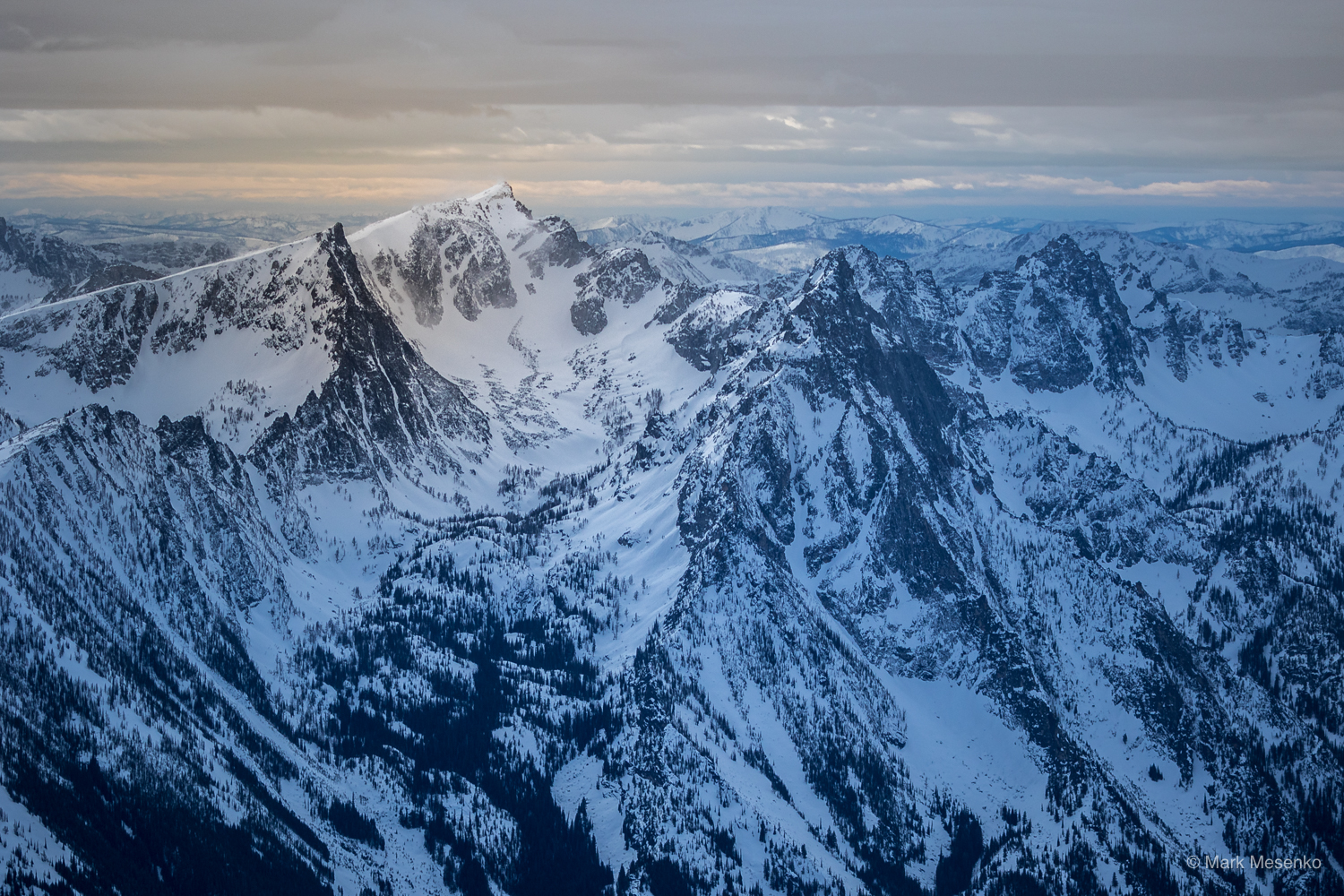
The glaciers that carved the park's dramatic peaks and valleys are a more recent phenomenon. During the Pleistocene epoch, glaciers covered much of northwestern Montana. The last major glaciation ended about 10,000 years ago, leaving behind the cirques, aretes, and U-shaped valleys that define the park's landscape today. A cirque is a bowl-shaped depression carved by a glacier at the head of a valley. An arete is a knife-edge ridge formed when two cirques erode toward each other from opposite sides of a mountain. The park's mountains are carved into these forms with a precision that makes them look designed, though they were shaped by nothing more than ice, gravity, and time.
The glaciers that remain in the park today are not the remnants of the Pleistocene glaciers. They are younger, having formed during the Little Ice Age, a period of cooler temperatures that lasted from approximately 1350 to 1850. At their maximum extent around 1850, there were approximately 150 glaciers in the park. Today there are approximately 26, and that number is declining. The glaciers are losing mass faster than they are gaining it, and most are expected to disappear within decades.
John Muir visited Glacier National Park in 1896, before it was a national park, when it was still part of the Blackfeet Reservation. He wrote: "Give a month at least to this precious reserve. The time will not be taken from the sum of your life. Instead of shortening, it will indefinitely lengthen it and make you truly immortal." He was writing about the experience of being in the presence of geological time, which is the experience that the Belt rocks and the glaciers and the overthrust fault offer to anyone who takes the time to look.
The park was established in 1910. The Belt rocks were there before the park, before the glaciers, before the mountains, before the sea that deposited them. They will be there after the glaciers are gone.
See also
- Time Machines at West Glacier, Flathead County
- The Lewis Overthrust Fault and Marias Pass at East Glacier Park, Glacier County
- When the Glaciers Melt at Many Glacier, Glacier County
The Blackfeet people, whose reservation borders the park on the east, have lived in this country for centuries. Their oral traditions describe the mountains and glaciers as living beings, with names and personalities and histories. The Blackfeet name for the park's mountains translates roughly as "the backbone of the world." The Belt rocks that form that backbone were deposited in a sea that covered this part of North America 1.4 billion years ago, long before there were any people anywhere on earth to name them. The naming came later. The rocks came first.
Where to Stay in Montana
Affiliate links help support this site at no extra cost to you