Swan River Community Hall
By editor
Bigfork, Flathead County, Montana, April 2026
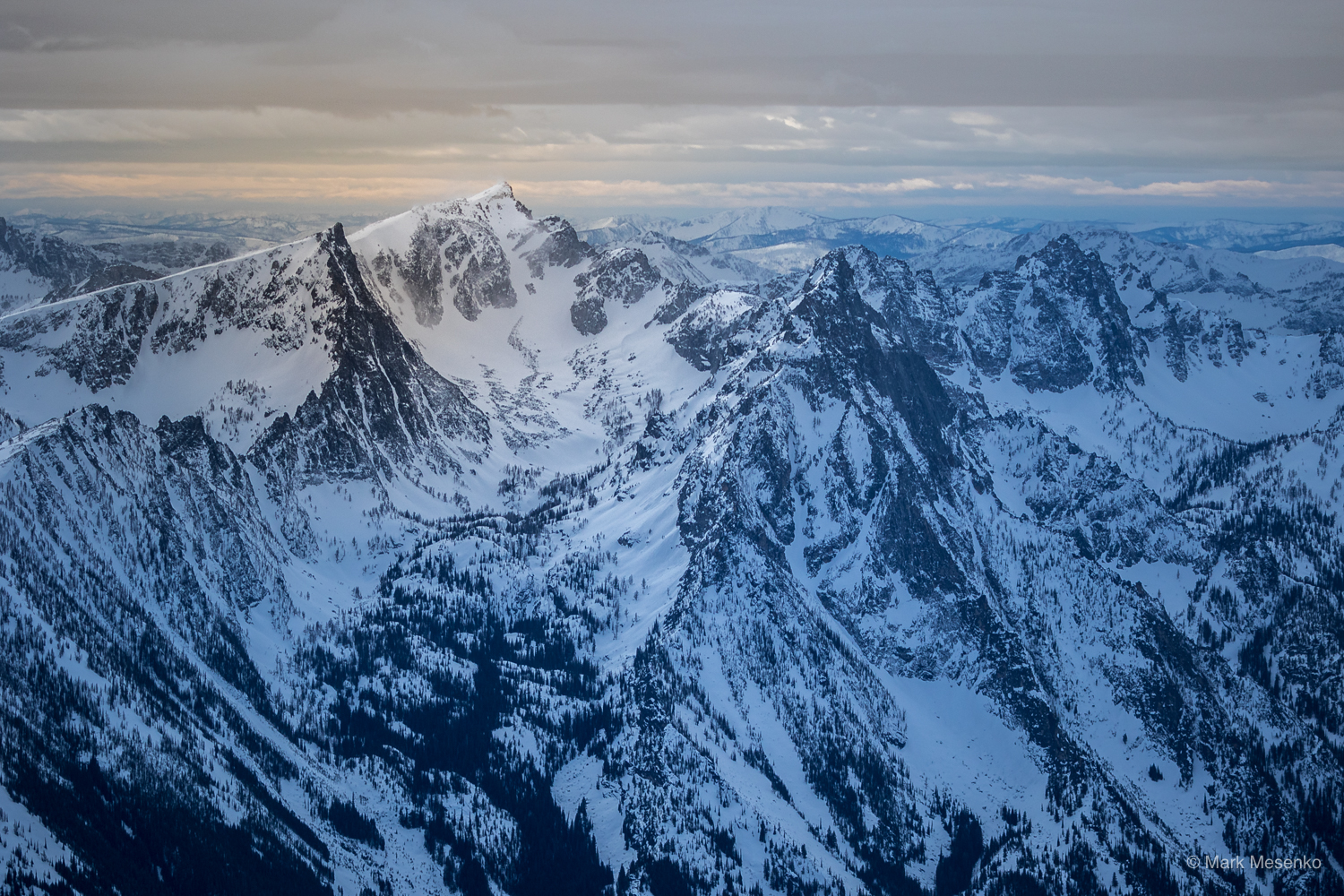
The Swan River Valley has a way of making a man feel that civilization arrived here by accident and stayed only because the scenery was too fine to leave. The mountains crowd in from both sides, the Swan River runs cold and clear out of the wilderness to the east, and Flathead Lake spreads out to the west like something a painter invented on a generous afternoon. It is the kind of country that makes people want to stay, and staying, they eventually want somewhere to put a fiddle and a pot of coffee and sixty of their neighbors. That is how community halls get built.
The story of the Swan River Community Hall begins, as so many Montana stories do, with an organization that had nothing to do with what it eventually produced. In 1920, the local Rod and Gun Club purchased an acre of land along Swan River Road with the intention of erecting a community building. The club had the land and the intention. What it lacked, for the next twelve years, was the building. The Depression arrived before the lumber did, and the Depression had a way of clarifying what was necessary and what was not. A community hall, it turned out, was necessary.
Local builder Joe Johnson drew up the plans. He was not a famous architect working from a fashionable office in Helena or Missoula. He was a man who knew the valley, knew the timber, and knew what a building needed to do. The structure he designed was Craftsman in style: exposed rafter tails, milled trim, lap siding, shingled gable ends. It was the kind of building that looks like it belongs where it stands, which is the highest compliment you can pay to architecture in a place like this. The timber came from surrounding state lands and from abandoned mills, because the valley had plenty of both. Most of the other materials were donated, often in lieu of membership fees, which was a practical arrangement that suited a community where cash was scarce but labor and lumber were not.
The financing was creative, which is another way of saying it was Montana. Plays and dances paid for what donations could not cover. The first fundraising play was performed at the school across the road in 1931, before the hall itself existed. The audience sat in school chairs and watched their neighbors perform on a school stage, and when the hat was passed, they put in what they could. The following summer, the hall's new birch floor was laid, and the first dance was held outdoors on it, under the open sky, before the walls had gone up around it. There is something fitting about that: the floor came first, because the floor was the point. The walls and roof were just weather protection for the dancing.
The thirty-six-by-sixty-foot structure was completed in 1933. It was not a grand building by any measure. It had no steeple, no columns, no pretension to grandeur. What it had was a birch floor that was smooth enough for dancing, walls that kept the wind out, and a location that was central to the valley. The Grange met there. The Farmers Union met there. Weddings were held there, and funerals, which is the full range of what a community needs a building for. School functions filled the calendar in the years when the school across the road was too small for the occasion. Card parties ran late into the evenings. Roller-skating became a serious social institution during the 1950s and 1960s, when the hall's floor proved as suitable for wheels as it had been for boots.
One resident, looking back on those years, put it plainly: "If we didn't go to the Hall every week, something was wrong." That is not the kind of statement that gets carved into marble, but it is the kind that tells you everything about what a building means to the people who built it. The Hall was not a monument. It was a habit, a weekly fact of life, the place where the valley checked in with itself and confirmed that it was still a community and not just a collection of farms.
By 1945, the building had grown. An entry hall and two small rooms were added to the front, designed to match the original Craftsman details so precisely that the addition is difficult to distinguish from the original structure. The exposed rafter tails, the milled trim, the lap siding, the shingled gable ends: all of it matches, because Joe Johnson or someone who understood his intentions made sure it would. The building had become a thing worth extending carefully, which is a different kind of compliment than the one paid to a building that is merely expanded.
The fire came in 1976. It burned the rear of the hall and left the Board of Directors facing a decision that community boards face whenever a beloved building is damaged: repair it, or let it go. The cost of restoration was not trivial. The hall was old by then, forty-three years old, and the community that had built it was different from the community that now had to decide its fate. The original builders were gone or elderly. The valley had changed. A reasonable board might have concluded that the building had served its purpose and that the insurance money would be better spent on something new.
The community did not see it that way. The outpouring of support that followed the fire was, by all accounts, immediate and decisive. People who had been married in the hall, who had buried their parents from it, who had learned to roller-skate on its birch floor, were not prepared to watch it be abandoned. The restoration went forward. The hall was repaired and returned to service, and it has been in continuous use since.
The National Register of Historic Places recognized the Swan River Community Hall in 2002, which is the government's way of saying that a building matters. The recognition is deserved, though the hall did not need it. The valley had already decided that the building mattered, in 1976, when it had the chance to let it go and chose not to.
The birch floor is still there. It is older now, and it has been danced on by people whose grandparents danced on it before them. The rafter tails still show at the eaves. The mountains still crowd in from both sides. The Swan River still runs cold and clear. And if you drive past on a Friday evening and see cars in the lot and light in the windows, you will know that something is happening inside that has been happening, in one form or another, since the summer of 1932, when the floor was laid and the dancing began before the walls went up.
See also
- Swan River Community Hall at Bigfork, Flathead County (Montana National Register Sign Program, erected 2002)
- Bigfork, Montana -- Swan River Valley town on Flathead Lake, Flathead County
Where to Stay in Montana
Affiliate links help support this site at no extra cost to you