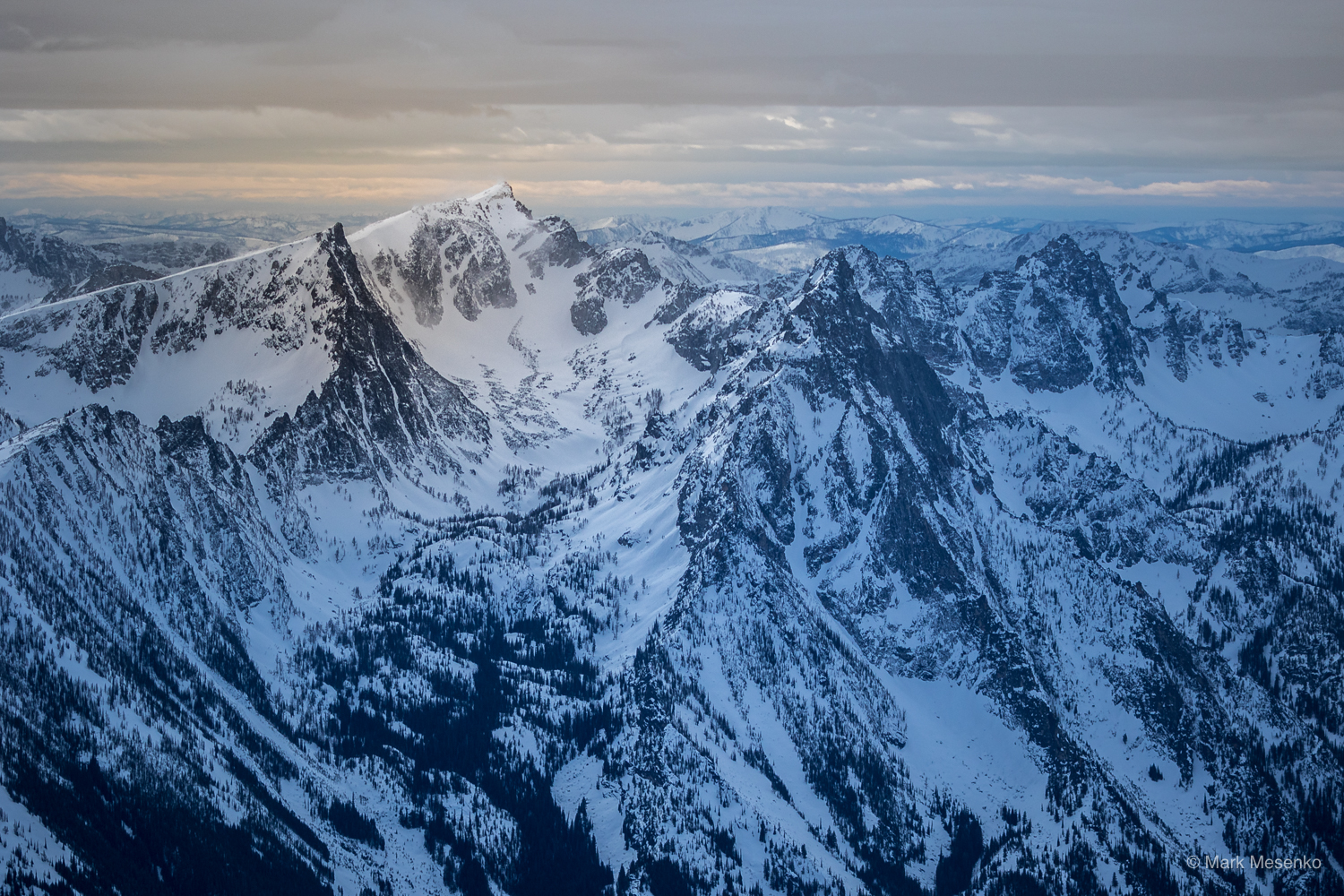
Skeleton Cliff
By editor
Billings, Yellowstone County, Montana
The high rimrocks along the Yellowstone River, towering above the city of Billings, hold stories that intertwine the lives of Native people and settlers in ways that reveal both sorrow and resilience. Among these cliffs, a place once known as "The Place of the Skulls" captures a chapter of history that is both somber and instructive. Lieutenant James H. Bradley of the Montana Column, who rode through this country during the military campaigns of 1876, named the high point of the cliffs overlooking the Yellowstone River with this grim title. His words, recorded in military reports, reflect the stark reality of the land during those violent and uncertain times.
Yet, deeper than the military record, the oral histories of the Crow people -- the Apsáalooke -- reveal a more profound understanding of this place. Dr. W.A. Allen, a settler who lived in nearby Coulson in the late 19th century, described vivid images of brightly colored cloth hanging from the trees along Skeleton Cliff. These were not mere decorations but sacred markers, blankets wrapped carefully around the bodies of the dead, bound with rawhide thongs to the trees. These were the graves of Crow victims of the smallpox epidemics that ravaged the Northern Plains in the nineteenth century, killing thousands and leaving scars that would take generations to heal.
Chief Plenty Coups, one of the most respected leaders of the Crow Nation, spoke to the sorrow carried by this landscape. He told of a young warrior struck down by the disease: "There was a warrior who could not rest from his bed. His limbs were heavy and tired... his body ached, and his throat burned for water... they saw upon his face and his body were red spots. The young brave soon left his earthly home... Then they wrapped him in a blanket and bound him to a tree on the side of the cliff. Near him they tied all the things he loved best, his war bonnet and tomahawk, and war club. And they killed his horse and left it on the ground below him for he would need all those things on his journey." This passage conveys the Crow way of honoring the dead and acknowledging their spirit’s passage in accordance with their customs, even in times of devastating loss.
The cliffs themselves were more than a burial site. They were a spiritual landscape, a place for vision and reflection. Crow leaders Bell Rock and Little Head, while fasting on the rimrocks, saw what they described as bright lights shining into the night sky from the future site of the city of Billings. This vision quest was a traditional practice among the Crow, a means of seeking guidance and insight from the spirit world. According to Lawrence Flat Lip, a Crow elder who recounted these stories in the early 20th century, the high point near the grave of Luther Sage "Yellowstone" Kelly was a favored site for such quests. Kelly, a mountain man and scout who lived among the Crow and was buried nearby, is often remembered alongside these indigenous narratives, his life bridging the worlds of Native peoples and Euro-American settlers.
The settlement of Coulson, established in 1877 on the banks of the Yellowstone River, grew quickly as a frontier town but shared the land with its Native neighbors in uneasy proximity. Coulson’s residents buried their dead just below the Place of the Skulls in a cemetery known as Boothill. The name "Boothill" was common across the West for cemeteries where many died violently, often with "their boots still on," a phrase that hints at the rough and often lawless nature of frontier life. By the 1880s, when Billings was founded nearby and grew to replace Coulson, the Boothill Cemetery was abandoned. The land was eventually deeded to the city by I.D. O'Donnell, a local businessman, who erected an obelisk to commemorate those laid to rest there.
The presence of the Boothill Cemetery and the Place of the Skulls together signals the complex layering of histories in this region. On one hand, there is the story of settlers and the new towns they built; on the other, the deep history of the Crow people and their struggles to survive amid epidemics, displacement, and the arrival of the railroad and settlers. These cliffs and the river below witnessed not only the spread of disease but also the persistence of a people who maintained their ceremonies and traditions through hardship.
The smallpox epidemics, which reached the Crow in the 1830s and again in the 1870s, were catastrophic. Crow oral history and records from Indian agents tell of thousands lost. The practice of placing the dead in trees, wrapped in blankets and accompanied by their personal effects, was both a sanitary measure and a spiritual one. It reflected the Crow belief in preparing the spirit for the journey ahead, a recognition of the sacred even in death. This method of burial also contrasts with the European-American approach of earth burial, highlighting different cultural responses to the realities of death.
Despite the tragedies, the Crow continued their traditional ceremonies. The vision quest at the rimrocks remained a vital practice. Bell Rock and Little Head’s experience is emblematic of the Crow’s enduring spiritual relationship with the land, even as the landscape itself was transformed by roads, railroads, and towns. The cliffs were a place where the natural and spiritual worlds met, and where the Crow sought guidance in a world rapidly changing around them.
The early twentieth century brought new customs as well. Students and faculty from Billings Polytechnic Institute, now Rocky Mountain College, held annual "Service of Silence" ceremonies on the rimrocks in the 1920s through the 1940s. They would ascend the cliffs in silence, gather to hear a Psalm read and prayers offered, and then return to the campus below. This ceremony, though Christian in origin, acknowledged the solemnity of the place. It was described as "one of the most beautiful and impressive of the Polytechnic affairs," illustrating how the landscape continued to evoke reflection and reverence for life and death.
In the present day, the rimrocks above Billings hold the memories of both the Crow people and settlers. The obelisk at Boothill Cemetery remains a marker of the past residents of Coulson, but the cliffs themselves speak more quietly of loss and endurance. The Crow Nation continues to remember and honor those buried at Skeleton Cliff, preserving the stories and customs linked to this land.
The history encapsulated in Skeleton Cliff is not one of triumph or defeat alone but of survival, adaptation, and respect for the forces, both human and natural, that have shaped this place. As Chief Plenty Coups once said, "The young brave soon left his earthly home... Then they wrapped him in a blanket and bound him to a tree on the side of the cliff." His words remind us that this is a land of stories carried forward by those who came before and those who remain today.
See also
- Skeleton Cliff at Billings, Yellowstone County
- Luther Sage Yellowstone Kelly at Billings, Yellowstone County
- Enjoying Our Parks at Billings, Yellowstone County
Where to Stay in Montana
Affiliate links help support this site at no extra cost to you