Cycles and Circles
By editor
Lolo, Missoula County
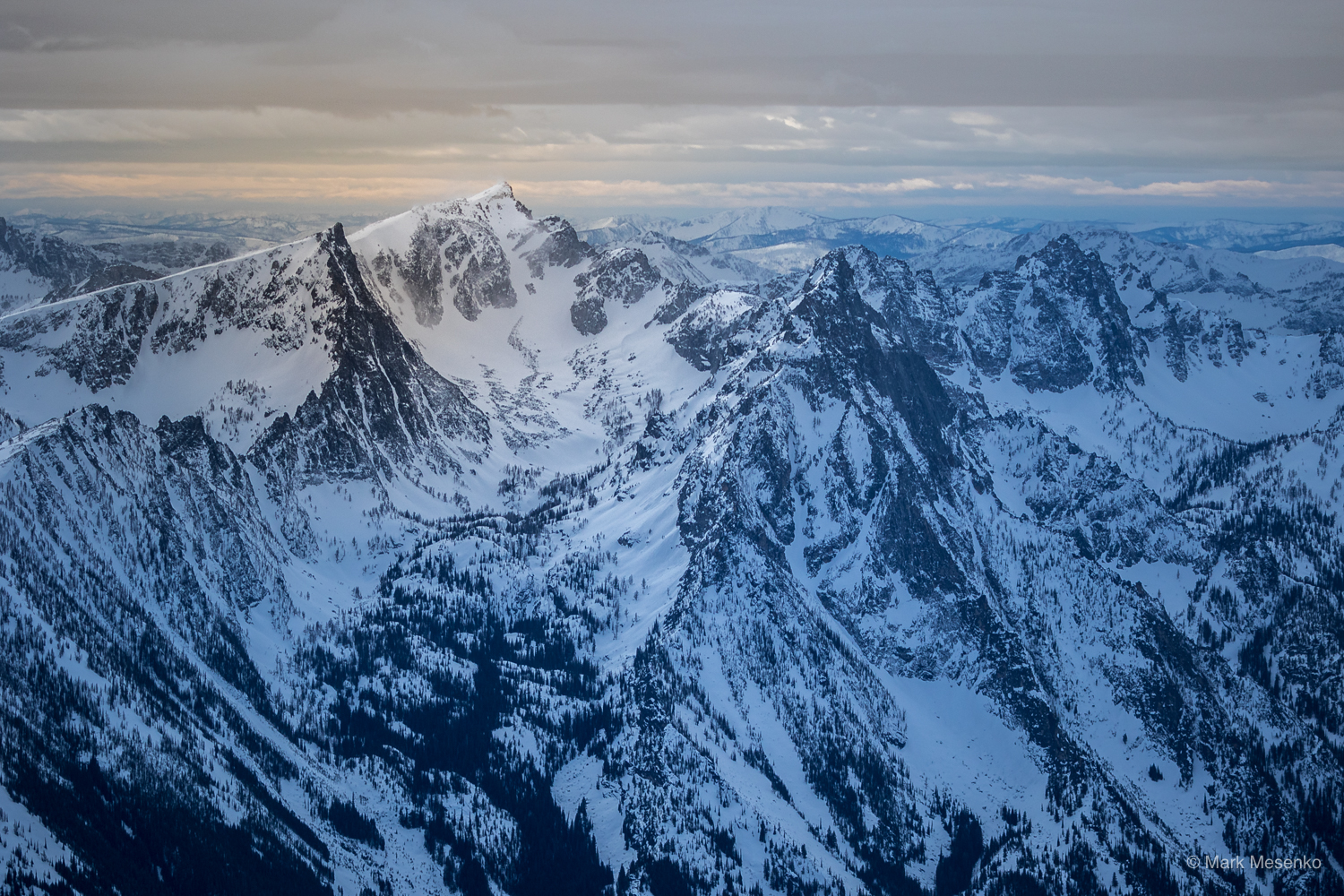
The crisp mountain air, carrying the scent of pine and damp earth, whispers tales of ages past through the Lolo Creek drainage. One need only pause, to truly see, and the very stones beneath one's feet begin to speak of immense cycles, of the slow, deliberate turning of the earth's great gears. This valley, now cradled by the steadfast Bitterroot Range, has witnessed the passage of countless seasons, each leaving its indelible mark upon the land, much like the patient sculptor of a glacier carves its signature into granite.
In the autumn of 1805, when the intrepid captains Lewis and Clark first gazed upon this verdant expanse, it was a landscape of profound, ancient harmony. Here, the Nez Perce and Salish people moved with the rhythm of the seasons, their lives interwoven with the intricate patterns of the forest and river. Their presence left but the faintest impression upon the grand ecological processes at play. The cottonwood, with leaves distinct from those of the Missouri, stood tall, and the wild rose, service berry, and choke cherry flourished, providing sustenance and beauty in equal measure. The long-leafed pine dominated the lower elevations, while firs and larch ascended to embrace the higher, colder reaches of the mountains, a monument to nature's ordered distribution.
Yet, the arrival of European settlers brought a new, more forceful hand to the shaping of this wilderness. The vision of a railroad, a mechanical serpent winding through these sacred hills, first stirred in 1854, though it was not to be. But the seeds of change were sown, and by 1908, the Northern Pacific Railroad, though never laying track through this particular stretch, secured vast alternate sections of land, creating a checkerboard pattern of ownership that would profoundly alter the destiny of the Lolo Creek drainage. This division, a human imposition upon a seamless natural world, set in motion a different kind of cycle, one driven by commerce and extraction.
For decades, the timber companies, notably Plum Creek, harvested the bounty of these privately held sections. The ancient forests, which had stood for centuries, fell to the saw, their timber sent to fuel the burgeoning industries of a distant world. The land, once a continuous, living entity, became a patchwork of clear-cuts and untouched groves, a stark example of humanity's capacity to both admire and exploit the natural world. The roar of machinery replaced the rustle of leaves, and the clear waters of Lolo Creek bore witness to the shifting fortunes of man.
But the spirit of the wild, though bruised, is never broken. In the early 1990s, a new vision began to take root, a dream of mending what had been rent asunder. A few discerning souls, recognizing the profound imbalance, sought to restore the Lolo Creek drainage to a semblance of its former glory. When Plum Creek began to divest its holdings, conservation organizations like The Nature Conservancy and Trust for Public Land stepped forward, forging an agreement to acquire these lands. This monumental undertaking, known as the Montana Legacy Project, was a grand effort to reclaim and heal, to return these vital acres to the public trust.
In 2010, nearly 30,000 acres of this checkerboard land, once carved up by human design, were conveyed to the Lolo National Forest. The Forest Service, now acting as steward, embarked upon a restoration program, seeking to guide the land back towards its natural ecological processes. It is a slow, patient work, mirroring the geological forces that shaped these mountains over eons. The scars of past exploitation are deep, but the resilience of nature is deeper still. As Clark observed on September 4, 1805, when encountering the Salish people, "those people recved us friendly, threw white robes over our Sholders & Smoked in the pipes of peace, we Encamped with them & found them friendly but nothing but berries to eate a part of which they gave us, those Indians are well dressed with Skin Shirts & robes, they Stout & light complected more So than Common for Indians." This encounter, a brief moment of shared humanity in a vast wilderness, reminds us of the original inhabitants' profound connection to this land.
Indeed, this land has, in a profound sense, come full circle. While it may never again possess the pristine, untouched grandeur it held when it was solely the domain of the Nez Perce and Salish people, the Montana Legacy Project has initiated a powerful current of restoration. It is a hopeful endeavor, a recognition that humanity, too, can participate in the cycles of healing and renewal, ensuring that the wild heart of Lolo Creek will beat strong for generations yet to come, a living monument to the enduring power and beauty of the natural world.