Montana's Jurassic Park
By editor
Big Timber, Sweet Grass County, Montana
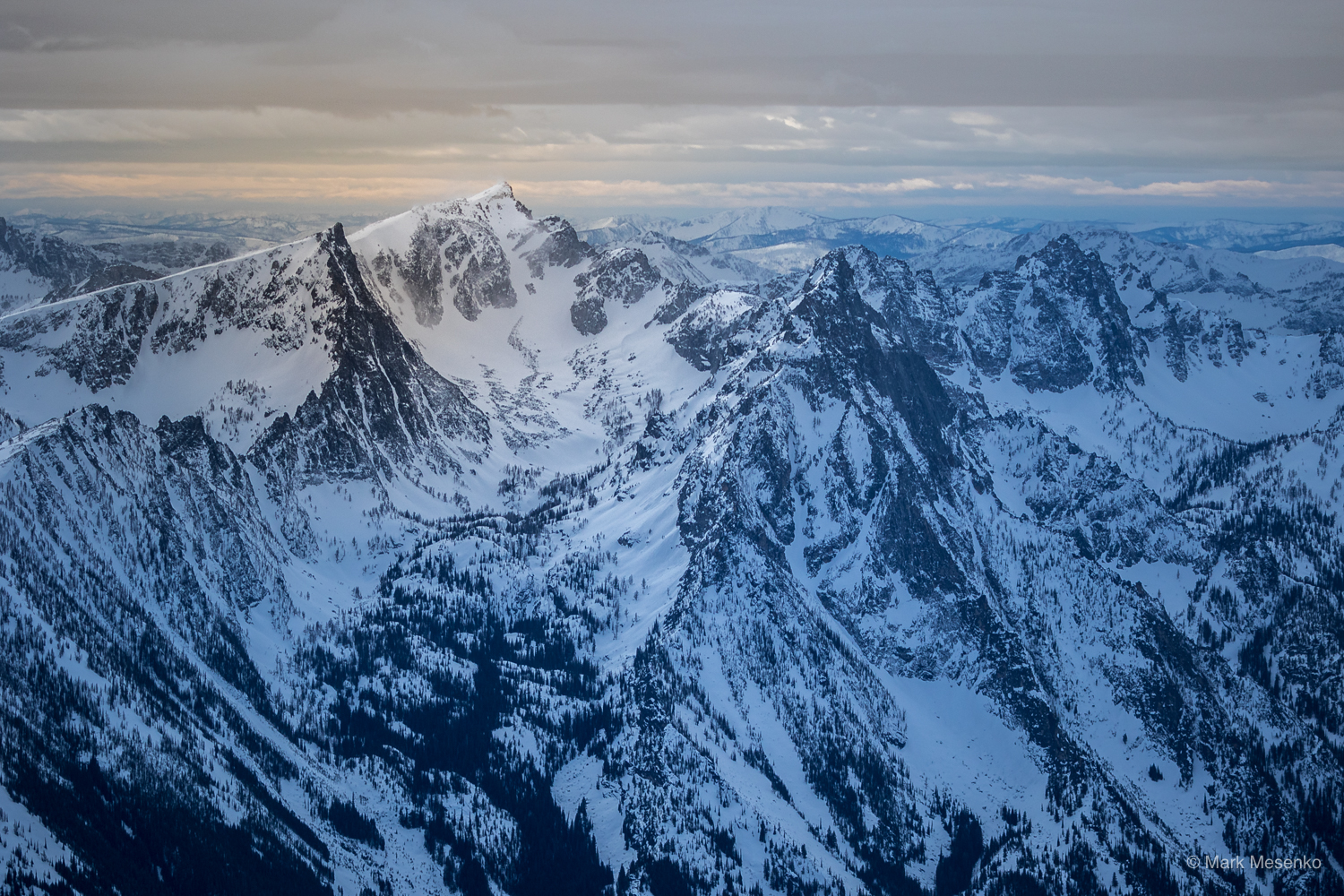
From the vantage of Big Timber, the Crazy Mountains thrust their jagged peaks skyward to the northwest, their rugged silhouettes carved by relentless winds and centuries of frost. Beneath their shadow, the land unfolds in gentle hills and river valleys. Yet this tranquil scene belies a world utterly different from today’s Montana -- one that existed some 150 million years ago during the late Jurassic period. At that ancient date, the region lay along the shore of an inland sea that stretched southward from the Arctic Ocean. The Morrison Formation, a sequence of sandstones and mudstones laid down in fluvial and lacustrine environments, preserves the remains of creatures that inhabited the coastal plain where water met land. Here, the air was thick with the scent of conifers and cycads, and the land was a vast expanse of fern meadows and towering gymnosperm forests.
The Morrison Formation, deposited between 155 and 150 million years ago, holds the fossilized bones of some of the most remarkable creatures to have walked the earth. Among these, Diplodocus commands particular attention. This giant sauropod, with adults averaging 100 feet in length, possessed a whip-like tail and an extraordinarily long neck that enabled it to browse foliage far above the reach of other herbivores. The structure of Diplodocus’s vertebrae -- lightened by hollow chambers -- allowed for such an immense frame without excessive weight. Contemporaries included Apatosaurus, another colossal sauropod, often confused historically with Brontosaurus, Brachiosaurus with its longer forelimbs giving it a giraffe-like posture, and the stout Camarasaurus. The armored Stegosaurus, with its rows of bony plates and tail spikes, grazed alongside these giants, contributing to a diverse ecosystem.
It is in the sedimentary layers of the Morrison Formation near Big Timber and other parts of Montana that paleontologists discovered groups of juvenile Diplodocus fossils, their skeletons embedded in pale mudstone. These clusters suggest that young sauropods traveled in herds, perhaps for protection or social interaction. Such behavior mirrors the herding instincts seen in modern elephants, which also form tight-knit family groups. The paleontologist John H. Ostrom noted, “The social nature of these animals is indicated not only by their fossilized groupings but also by their bone histology, which suggests rapid growth rates akin to modern warm-blooded animals.” The presence of juveniles caught together in ancient river mud hints at the perils they faced -- seasonal floods, shifting river channels, and the ever-present threat of predators.
At the apex of this Jurassic world prowled the fearsome Allosaurus. This carnivore, measuring up to 28 feet in length, was the dominant predator of the Morrison ecosystem. Its build combined power with agility; research estimates Allosaurus could reach speeds between 19 and 34 miles per hour, a remarkable velocity for a creature of such size. Its teeth, serrated like saw blades, were designed for slicing through thick flesh and bone. Fossil evidence frequently associates Allosaurus remains with those of Diplodocus, showing bite marks and injuries consistent with predation or scavenging. Some fossils depict healed wounds, suggesting that attacks were sometimes survived and that these were not mindless killers but strategic hunters.
Intriguingly, evidence points to Allosaurus exhibiting social behavior. Multiple skeletons found in proximity imply that these predators may have hunted in groups or at least gathered around feeding sites. This challenges older notions of solitary dinosaur hunters. The famed paleontologist Othniel Charles Marsh once remarked, “The interaction of these species reveals a dynamic and complex ecosystem, one where survival depended on cunning as much as strength.”
Beyond the coastal plain, the inland sea itself teemed with life. Marine reptiles such as Ichthyosaurs, resembling large dolphins with elongated snouts, and Plesiosaurs with their long necks and paddle-like limbs, filled the waters. These creatures thrived in the warm, shallow seas that swept across what is now Montana, hunting fish and smaller marine life. Their fossils, although less common in terrestrial Morrison sediments, have been found in other Jurassic formations of the western United States, highlighting the diversity of life during this period.
The climate of late Jurassic Montana oscillated between wet and dry seasons, creating a semi-arid environment where water sources waxed and waned. Conifers such as Araucaria and members of the family Pinaceae dominated the forests, alongside cycads and ferns that carpeted the forest floor. The combination of plants supported the massive herbivores, providing nourishment in a setting shaped by rivers meandering across broad floodplains.
The exact processes that formed the Morrison Formation are a subject of ongoing study. Layers of sandstone indicate ancient river channels, while mudstone points to lakes or floodplain deposits. Over millions of years, these sediments buried the remains of dinosaurs and other organisms, protecting them from decay and scavengers. The gradual uplift of the Rocky Mountains to the west exposed these rocks, allowing modern scientists to uncover the secrets locked within.
Visitors today can witness these ancient relics firsthand at institutions such as the Museum of the Rockies in Bozeman, which houses extensive collections of Jurassic fossils, including articulated Diplodocus skeletons unearthed in Montana. Farther northeast, the Great Plains Dinosaur Museum in Malta offers exhibits that explore the region’s rich paleontological heritage. These collections provide tangible links to a world long vanished, revealing the grandeur and complexity of life during the Jurassic.
Standing on the ridges near Big Timber, I find myself humbled by the vast spans of time recorded in the rocks beneath my feet. As Lewis and Clark once observed during their expedition, “The changes of the earth’s surface are slow and continual, but they shape the land in ways the eye often misses.” The fossils of Montana’s Jurassic creatures invite us to peer beyond the present and understand the deep history of life on this continent.
In contemplating these ancient landscapes and the creatures that inhabited them, one gains a greater appreciation for the forces that shaped Montana’s natural world. The bones of Diplodocus and Allosaurus are more than curiosities; they are fragments of a narrative written in stone, preserved by geology and uncovered by human curiosity. They remind us that the Montana we know today was once a realm of giants, a place where rivers flowed beside an inland sea, and life flourished in forms both strange and magnificent.
See also
- Montana's Jurassic Park at Big Timber, Sweet Grass County
- "...all in blume..." at Big Timber, Sweet Grass County
- The Beartooth Plateau at Columbus, Stillwater County
Where to Stay in Montana
Affiliate links help support this site at no extra cost to you