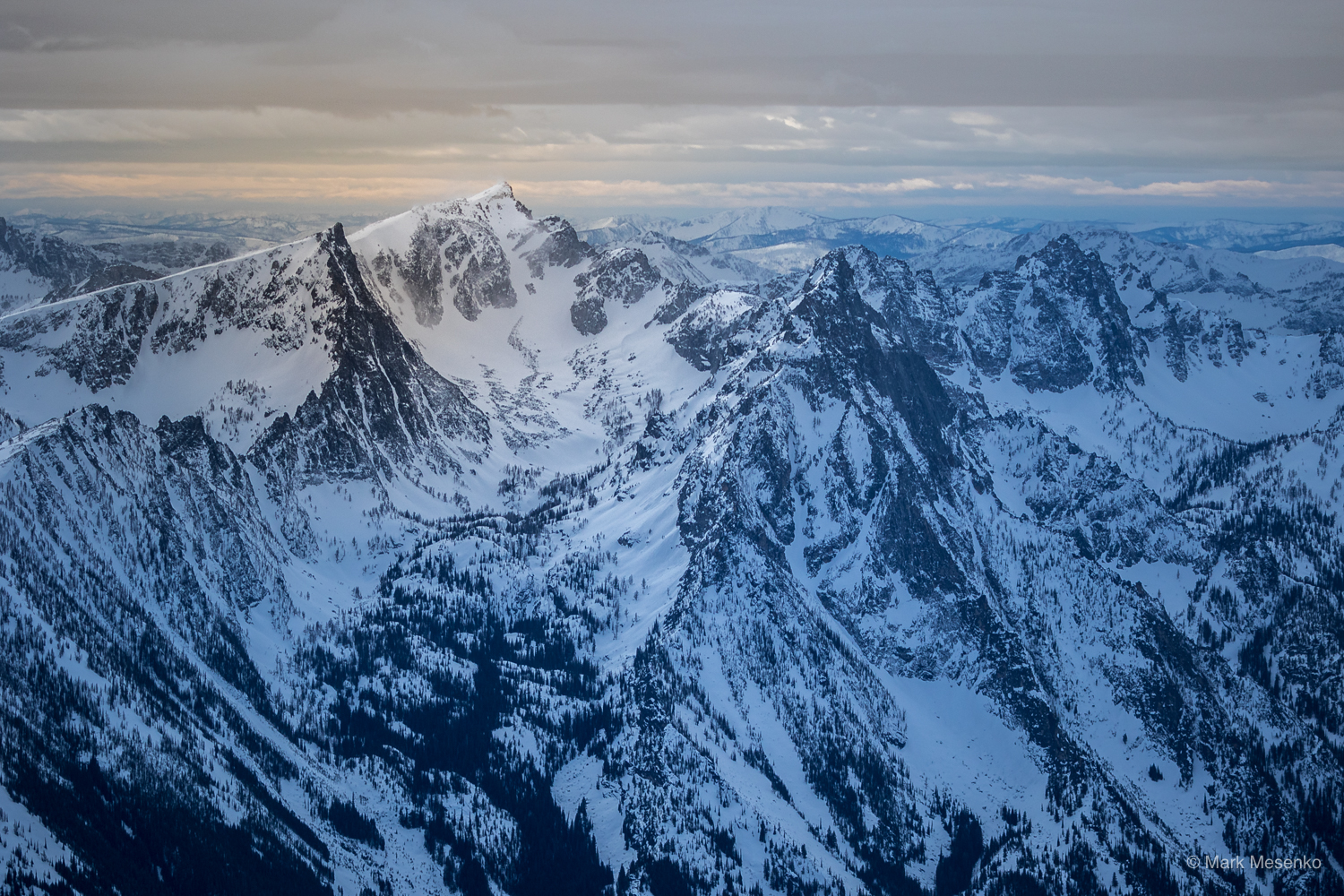
"A Lost World" by John Muir
A Lost World
By editor
Saltese, Mineral County
To stand upon the ancient ground of what is now Saltese, in the heart of Mineral County, is to feel the profound pulse of geological time, a rhythm far grander than any human measure. One must cast the mind back, not merely centuries, but to an epoch almost incomprehensible: some 1.5 billion years past, in the Precambrian Era. Here, the very earth itself was a canvas of nascent forms, a desolate, yet profoundly beautiful, expanse of shallow seas and vast, near-shore flats. It was a world unburdened by the complexities of later life, a silent echo of the planet's primordial breath.
In that immense stillness, the Belt Supergroup began its slow, majestic accumulation. Layer upon layer, sediment gathered, mile after mile, until a colossal thickness of up to ten miles was laid down. These are the very foundations upon which our mountains now stand, a vibrant palette of colorful rocks and dramatic cliffs, each stratum a page in the earth's autobiography. To trace these lines with the eye is to witness the slow, patient work of water and time, an artistry that dwarfs the fleeting endeavors of man. The very air seems to hum with the memory of those ancient waters, the patient grinding of stone, the slow, inexorable march of geological forces.
Yet, this ancient tranquility was not destined to remain undisturbed. The earth, ever restless, would later heave and buckle, giving rise to the majestic Rocky Mountains. This titanic uplift was accompanied by the ceaseless activity of the Lewis and Clark Fault Zone, a scar across the landscape that speaks of immense pressures and profound transformations. To walk this land is to feel the echoes of those cataclysmic events, the very ground beneath one's feet a living record of creation and upheaval. The mountains, with their craggy peaks and deep valleys, are not merely scenery; they are the sculpted manifestations of earth's fiery heart and its patient, enduring spirit.
Even in a later age, when the first human explorers ventured into these wild fastnesses, the land retained its ancient, untamed character. Meriwether Lewis, in his journal entry of July 4, 1806, penned observations that, though focused on the immediate journey, inadvertently captured the enduring wildness of this region. He wrote of the East Fork of Clark's River, a torrent and its junction with the Cokahlahishkit River, noting, "the first 5 miles of our rout was through a part of the extensive plain in which we were encamped, we then entered the mountains with the East fork of Clark's river through a narrow confined pass on it's N. side continuing up that river five ms. further to the entrance of the Cokahlahishkit R which falls in on the N. E. side, is 60 yds. wide deep and rapid. the banks bold not very high but never overflow." His words, though practical in their intent, paint a vivid picture of a landscape still largely untouched, where the rivers ran turbid and swift, carving their paths through sand and gravel, navigable only by the most determined of spirits. The "handsome level plain" near the junction, bordered by hills covered with "long leafed pine and fir," speaks to a nascent beauty, a wilderness awaiting discovery and contemplation.
William Clark, on that same day, echoed the challenges of this untamed country, observing, "the last Creek or river which we pass'd was So deep and the water So rapid that Several of the horses were Sweped down Some distance and the Water run over Several others which wet Several articles. ... the bottoms of the Creek as well as the low lands on each Side is thickly covered with large Stone." Such an account, stark in its depiction of nature's raw power, serves to remind us of the enduring struggle between human endeavor and the indifferent majesty of the wild. The very stones, ancient and unyielding, stood as silent sentinels to the passage of time, witnessing countless floods and the slow, relentless shaping of the land.
Patrick Gass, too, recorded the arduous journey, noting the "rough road to pass" as they ascended Isquet-co-qual-la, a river that ran "deep rapid stream about 80 yards wide." These early explorers, with their keen eyes and resilient spirits, were but fleeting visitors in a landscape that had already witnessed eons of change. They traversed a land where the mountains pressed close to the river, a witness to the earth's grand architecture, a place where every bend in the river, every rise in the terrain, told a story of unimaginable antiquity.
To gaze upon the Belt Supergroup today, with its ten miles of accumulated strata, is to perceive the very breath of geological time. The colorful rocks, exposed by the relentless forces of erosion and uplift, reveal a narrative written in stone, a chronicle of an ancient world that predates the very concept of human history. These formations, born of shallow seas and vast flats, now stand as monumental sculptures, shaped by the same forces that continue to sculpt our present world. The Lewis and Clark Fault Zone, a witness to the earth's dynamic nature, reminds us that even the most seemingly immutable landscapes are in a constant state of flux, forever being remade by the grand, unseen hand of nature.
This land, once a desolate Precambrian canvas, then a challenging wilderness for early explorers, remains a place of profound wonder. It is a place where the scale of human existence shrinks before the immensity of geological processes, where the whisper of ancient winds carries the echoes of a lost world, and where the very rocks speak of creation, upheaval, and the enduring, sacred beauty of the wild. The grand narrative of this place is not merely one of human passage, but of the earth's own epic journey, a journey that continues, silently and majestically, beneath our very feet.
Where to Stay in Montana
Affiliate links help support this site at no extra cost to you