
Lewis and Clark on Lolo Creek
By editor
Lolo, Missoula County, Montana, September 1805
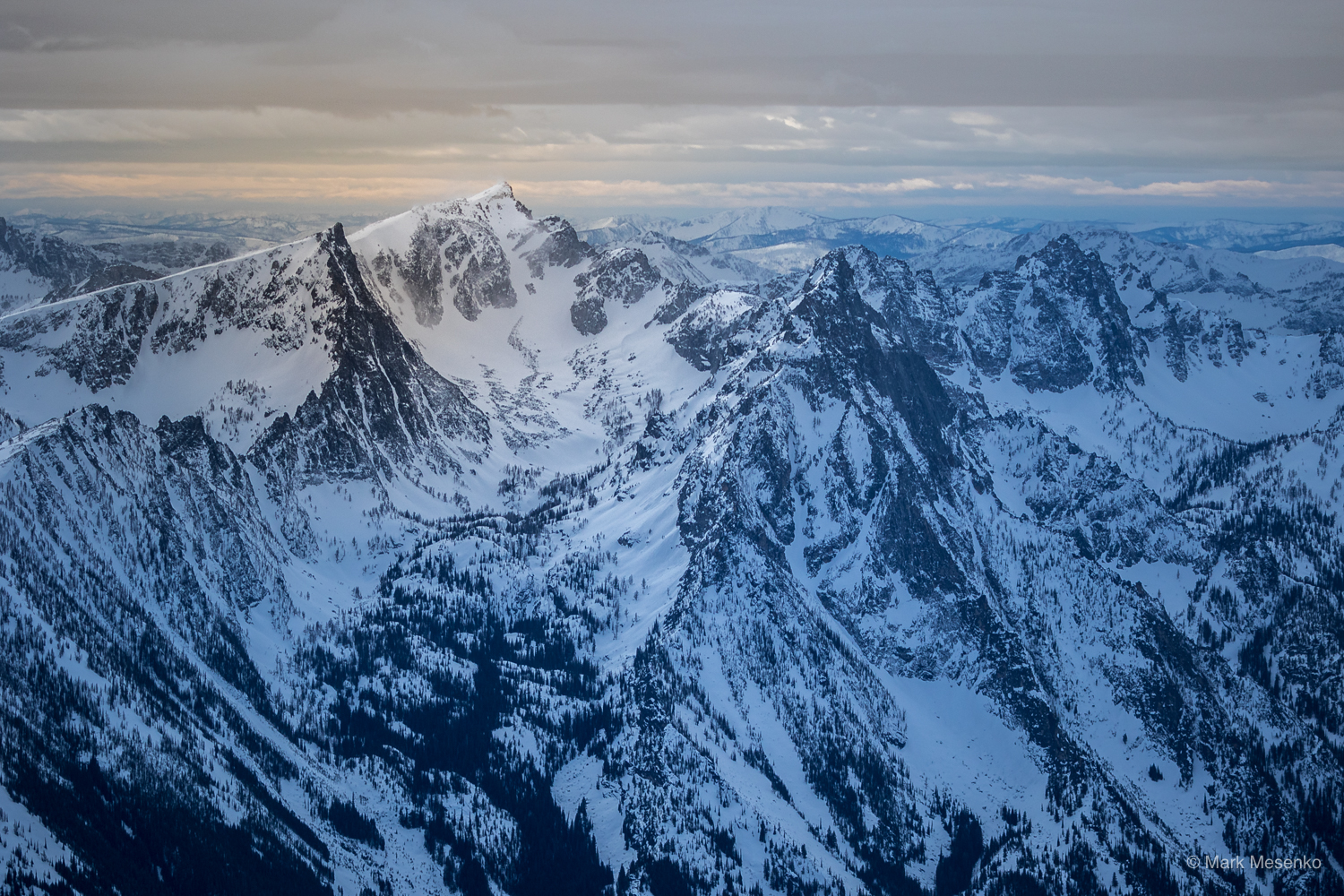
To stand at the crest of the Continental Divide is to look upon the architecture of the earth laid bare. When Meriwether Lewis reached that high, thin air on August 12, 1805, he carried with him the great geographical dream of his age: the belief that a short, navigable portage separated the waters of the Missouri from the waters of the Columbia. He expected to look west and see a broad plain descending gently toward the Pacific Ocean. Instead, the dream of the Northwest Passage shattered against the granite reality of the Bitterroot Mountains. Before him lay what he called "immence ranges of high mountains still to the West of us," a formidable ocean of stone and snow that stretched to the horizon.
The Corps of Discovery had run out of river. If they were to reach the Pacific before winter closed the high country entirely, they would have to abandon their canoes and cross the mountains on horseback. They needed a road, and they needed a guide. They found both in the ancient human geography of the landscape.
They enlisted an old Shoshone man they called Toby, who knew of a rugged trail through the northern mountains. It was not a new path. For thousands of years, the Nimiipuu, the Nez Perce people, had crossed the Bitterroots to hunt buffalo on the eastern plains and trade with the Salish in the valleys below. The trail they carved was a masterpiece of indigenous engineering, threading the needle between impassable gorges and sheer cliffs, following the high ridges where the snow melted first and the timber grew thin enough to pass. The Corps of Discovery were not explorers breaking new ground; they were latecomers on a highway that had been traveled since the glaciers retreated.
On September 11, 1805, the expedition left their camp at Travelers' Rest and turned west up the valley of Lolo Creek. The ascent began deceptively well. William Clark noted in his journal that they "Proceeded on up the Creek on the right Side thro a narrow valie and good road for 7 miles and Encamped at Some old Indian Lodges." But the Bitterroots are a landscape of sudden and violent moods. The creek bottom soon choked with brush and fallen timber, forcing the party up onto the steep, treacherous hillsides.
By September 13, the men and horses were already feeling the strain of the ascent. Yet even in the midst of their labor, the mountains offered moments of profound geological wonder. Near the headwaters of the creek, the party encountered a series of thermal springs bursting from the Cretaceous granite of the Idaho batholith. The water, heated deep within the earth's crust, emerged at a scalding 111 degrees Fahrenheit. Clark, ever the observant naturalist, investigated the phenomenon closely. "I tasted this water and found it hot & not bad tasted," he wrote. "In further examonation I found this water nearly boiling hot at the places it Spouted from the rocks... I put my finger in the water, at first could not bare it in a Second."
The respite of the hot springs was brief. As they pushed higher into the Lolo Pass, the true nature of the crossing revealed itself. The expedition had anticipated a five-day journey over the mountains. They had not accounted for the Bitterroots' northerly latitude and maritime climate, which conspired to bring winter to the high country weeks before it reached the plains.
Snow began to fall, burying the trail in drifts that reached eighteen feet deep in the shaded ravines. The narrow, rocky path became a nightmare of ice and mud. Horses lost their footing and rolled down the steep, timbered slopes, smashing their loads and breaking their bones. The dense lodgepole pine and subalpine fir forests offered no game for the hunters. Starvation set in with terrifying speed.
For eleven days, the Corps of Discovery fought their way across the roof of the mountains. They were reduced to eating their own pack animals, consuming over fifty horses, along with their emergency rations of portable soup and even a colt killed in desperation. The men grew weak, plagued by dysentery, skin rashes, and the profound lethargy of malnutrition. Lewis recorded that the men were scarcely able to stand, let alone hunt effectively in the deep snow. Clark's journal entry for September 22 captured the grim reality of the crossing, describing the road as "verry bad passing over hills & thro' Steep hollows."
It was only the intervention of the Nez Perce that saved the expedition from perishing entirely in the snows of the Lolo Trail. Clark, riding ahead with a small hunting party, emerged from the mountains near Weippe Prairie in present-day Idaho on September 20. There, the Nez Perce provided the starving men with dried salmon and camas roots, pulling them back from the brink of collapse. The main party staggered out of the mountains two days later, exhausted, battered, but alive.
The outbound crossing of the Bitterroots was the most arduous and life-threatening ordeal the Corps of Discovery faced on their entire transcontinental journey. It proved, definitively, that the continent could not be easily conquered by commerce. The mountains demanded a toll in blood and bone.
Yet the return journey the following summer offered a striking contrast, demonstrating the absolute necessity of indigenous knowledge in navigating the western landscape. After wintering at Fort Clatsop on the Pacific coast, the expedition returned to the western foot of the Bitterroots in the spring of 1806. They attempted the crossing too early, departing on June 15 without guides. Within days, they were hopelessly lost in the lingering snowpack, forced to cache their baggage and retreat in defeat.
They did not make the same mistake twice. They hired Nez Perce guides, including men named Twisted Hair and Tetoharsky, who knew the moods and markers of the high country intimately. With the guides leading the way, the expedition moved swiftly and surely over the snow. The Nez Perce knew exactly which ridges to follow to avoid the deep drifts and dead ends. The return crossing, which had taken eleven agonizing days of starvation in the fall, was accomplished with relative ease.
On June 30, 1806, the Corps of Discovery descended Lolo Creek and arrived back at Travelers' Rest. The passage down the creek represented a profound victory over one of the most formidable barriers to cross-country travel on the continent. They had survived the Bitterroots, not by conquering them, but by learning to read the landscape through the eyes of the people who had called it home for ten thousand years.
See also
- Lewis and Clark on Lolo Creek at Lolo, Missoula County (U.S. Forest Service, erected 2010)
- Lolo, the historic crossroads at the mouth of the canyon
Where to Stay in Montana
Affiliate links help support this site at no extra cost to you
Related Reading
 Montana FactsMontana FactsMontana Facts