
Journey Through the Blackfoot
By editor
Missoula, Missoula County, Montana, July 1806
By the summer of 1806, the great continental enterprise of Captains Meriwether Lewis and William Clark had achieved its primary object. The Pacific had been reached, the winter endured, and the Bitterroot Mountains recrossed. Now, driven by that powerful homeward instinct which quickens the step of every traveler, the commanders made a bold and characteristic decision: they would divide their forces. While Clark turned south toward the Yellowstone River, Lewis resolved to strike directly east across the mountains, seeking a shortcut to the plains of the Missouri.
The route Lewis chose was an ancient, well-worn Indian trail known to the Nez Perce as the Cokahlarishkit, or the "River of the Road to the Buffalo." Today, we know it as the Blackfoot River. It was a vital passageway, a corridor through the high, broken mountains that had for centuries funneled the western tribes toward the buffalo grounds of the plains. But it was also a corridor of profound danger, for it led directly into the domain of the Blackfeet, the formidable lords of the northern prairies.
On the third of July, at a camp they called Traveler's Rest, the expedition parted ways. The Nez Perce guides, who had faithfully conducted the Americans through the snowy labyrinth of the Bitterroots, refused to accompany Lewis any further than the junction of the Clark Fork and the Blackfoot rivers. Their farewell was a scene of genuine, unfeigned emotion. As Lewis recorded, these affectionate people betrayed every sign of regret at the separation, warning him earnestly that the Pahkees, their name for the Blackfeet, would surely cut his small party off.
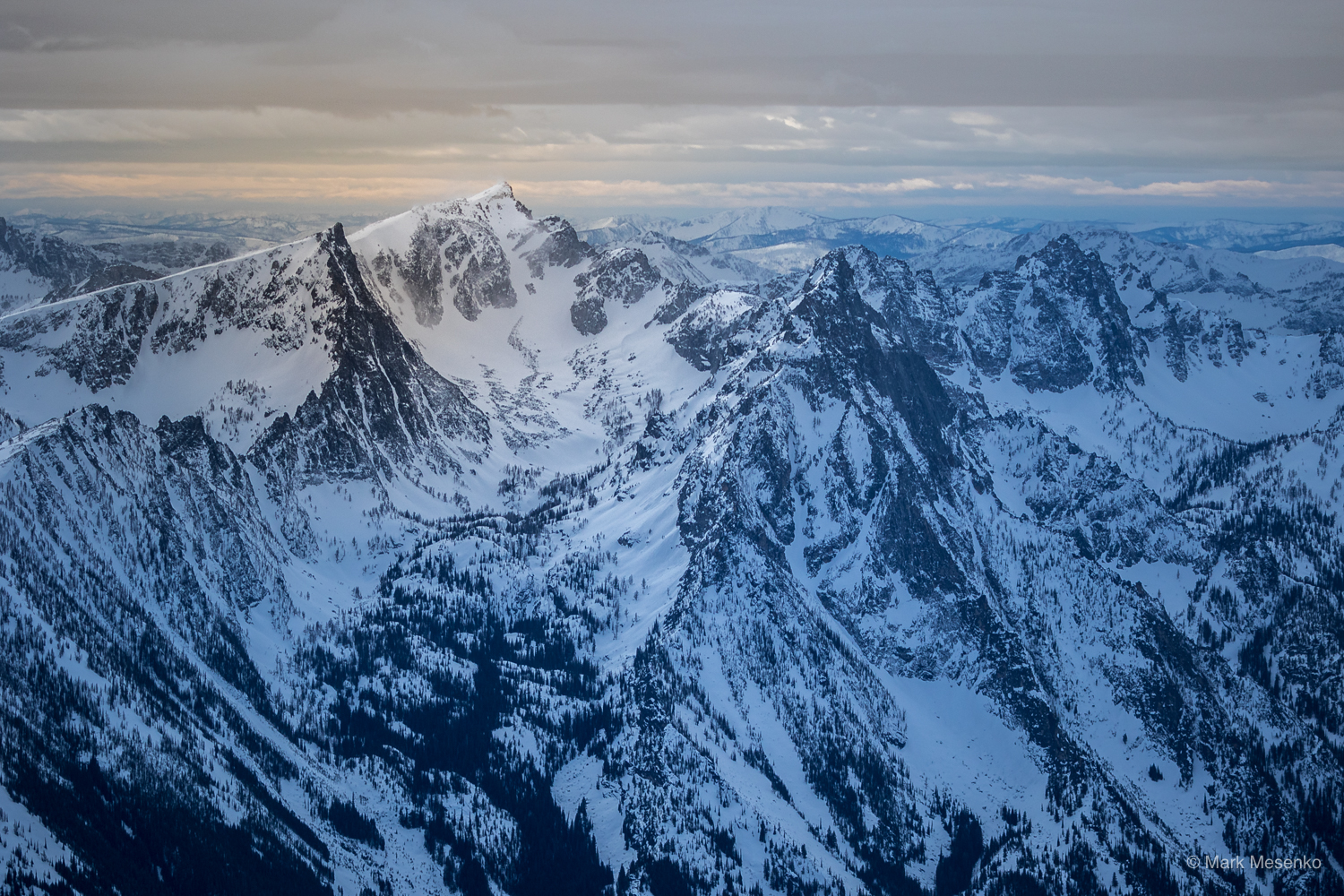
With only nine men and his Newfoundland dog, Seaman, Lewis turned his horses up the Blackfoot River on the Fourth of July. The valley that opened before them was a landscape of striking, rugged beauty, characterized by high, rocky mountains, thick timber, and narrow river bottoms. Yet, the shadow of the Nez Perce warning hung heavily over the small detachment.
For the next four days, the journey up the Blackfoot was a study in the dual nature of the American explorer: the scientific observer warring with the vigilant soldier. Even as Lewis rode through a country he knew to be haunted by hostile war parties, his journal entries remained meticulously observant. He noted the presence of swans, wild horses, and pronghorn. He paused to collect botanical specimens: wild flax, blue flag, and peppergrass, carefully preserving the skin of a newly discovered species of Columbian ground squirrel.
But the signs of human presence were impossible to ignore, and they grew more alarming with each passing mile. On the sixth of July, the party rode into an extensive, level plain and struck a trail that chilled the blood. It was the track of a large, returning war party, driving a great herd of horses before them. The trail was fresh, and the signs were unmistakable. "We expect to meet with the Minnetares," Lewis wrote, using another term for the Blackfeet, "and are therefore much on our guard both day and night."
They passed the remains of thirty-two old brush lodges, silent evidence of the heavy traffic of war and hunting parties that had long utilized the Cokahlarishkit. Every rustle in the cottonwoods, every snapped twig in the pine forests, must have seemed a harbinger of attack. Yet, they pressed on, driven by the imperative of the homeward journey, crossing the Continental Divide on the seventh of July and descending at last to the familiar waters of the Missouri drainage.
The Blackfoot River corridor, which Lewis traversed in four tense, watchful days, remains a vital passageway today. The river still swirls and races through the rumpled valleys and pothole lakes left by ancient glaciers. Where Lewis once watched for the dust of Blackfeet war parties, modern anglers now cast for native trout in the clear, deep pools, and rafts float past the sites of forgotten Indian encampments.
In the late nineteenth century, the valley echoed with the ring of crosscut saws and the shouts of loggers from far-flung nations, Finns, Swedes, Norwegians, and French, who came to harvest the vast timber reserves for the Northern Pacific Railroad. The company towns of Bonner and Milltown rose at the river's mouth, built upon the grit of these self-made men. Yet, beneath the hum of modern industry and recreation, the Blackfoot River retains the wild, untamed rhythm of its past, flowing still as the ancient "River of the Road to the Buffalo."
See also
- Journey Through the Blackfoot at Missoula, Missoula County (Erected by Montana Department of Transportation)
- Danger Ahead!, detailing the Nez Perce warning at the mouth of Hell Gate Canyon
- Missoula, a city built at the confluence of these historic river corridors
Where to Stay in Montana
Affiliate links help support this site at no extra cost to you
Related Reading
 Montana FactsMontana FactsMontana Facts