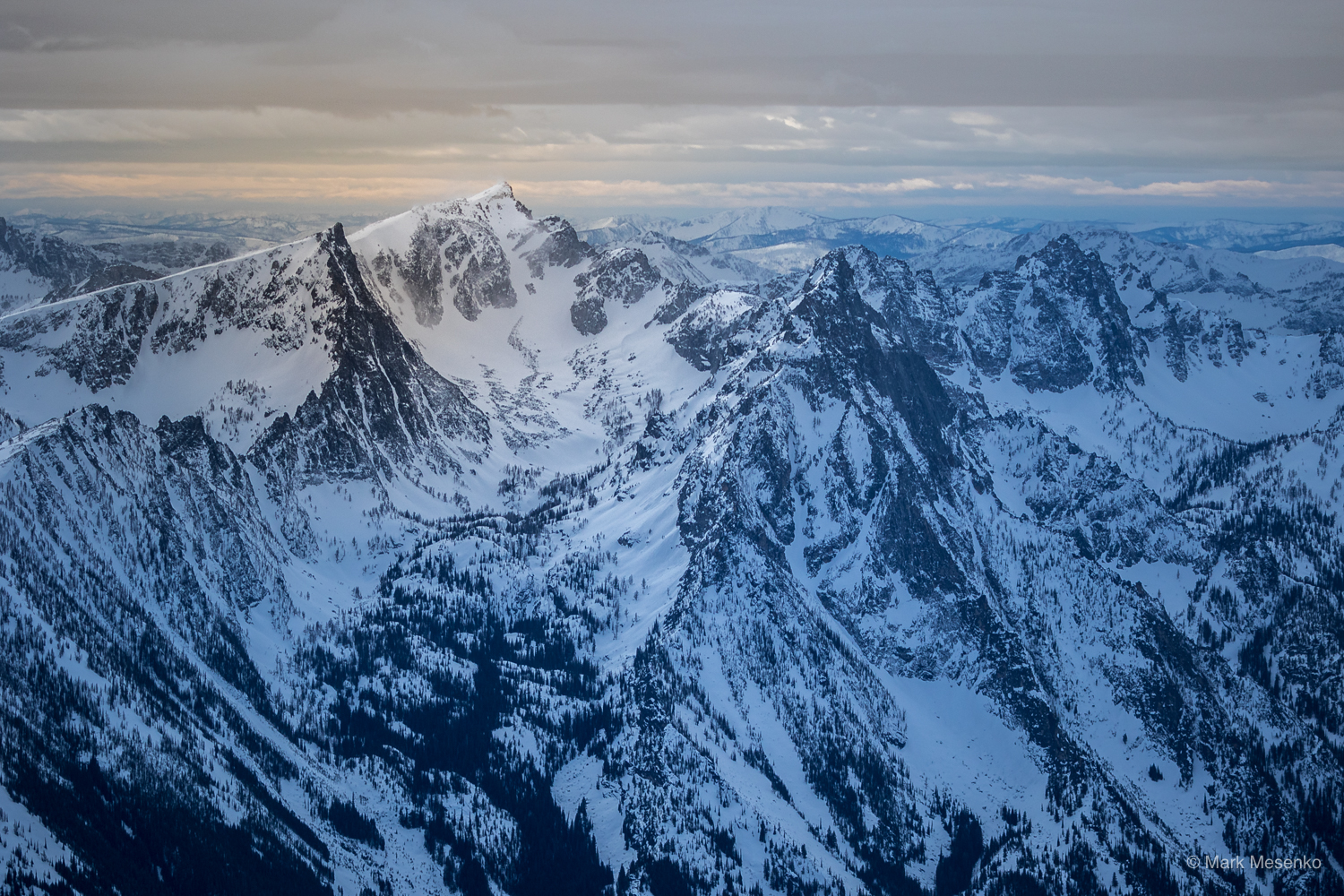
Coursing Through Miles Of Montana
By editor
Paradise, Sanders County
Now, I've seen a river or two in my time, from the muddy old Mississippi to the grand, if somewhat less conversational, Rhine. But let me tell you, this Clark Fork River out here in Montana, she's a character all her own. Two hundred and forty miles she rambles, from a humble start in Silver Bow Creek, winding her way through the rugged western stretches of this great state, until she finally, and I imagine with a sigh of relief, joins up with the Columbia. A long journey for a body of water, and one that's seen more history than a dusty old almanac.
Folks these days, they look at a river and see kilowatts, see power for their electric lights and their contraptions. And indeed, the Clark Fork has done its share of turning turbines, a modern marvel, I suppose. But back in the day, before the whirring generators and the hum of progress, this river had other names, other purposes. The Salish people, they knew her by names that spoke of her spirit, names that tasted of the land and the ancient ways. And then came the fur traders, a rough-and-tumble lot, who gave her names that suited their own rough-and-tumble business, names that likely involved beaver pelts and hard liquor. It wasn't until a fellow named William Clark, a man who, along with his partner Lewis, had a knack for putting his name on things, came along in 1805-1806 that she got the moniker she carries today. A fine name, I reckon, though I often wonder what the river herself thinks of it.
Speaking of Messrs. Lewis and Clark, those intrepid explorers, they had their own opinions about this country, and about the best way to get through it. Captain Lewis, a man of precise observation, penned a thought or two on the matter back on July 4, 1806. He was rather struck by the local inhabitants, who, after guiding the expedition through some particularly vexing bits of the Rocky Mountains, were planning to head back the same way. And what's more, they were going to descend Clark's river for several days to find their kin. Lewis, with that keen eye of his, saw this as clear as a bell:
"it is worthy of remark that these people were about to return by the same pass by which they had conducted us through the difficult part of the Rocky Mountains, altho they were about to decend Clark's river several days journey in surch of the Shale's their relations, a circumstance which to my mind furnishes sufficient evidence that there is not so near or so good a rout to the plains of Columbia by land along that river as that which we came."
Now, that's a mouthful, but the gist of it is, Lewis figured if the locals were willing to backtrack and take the river, his own overland route wasn't quite the bee's knees he might have hoped. A man can learn a lot from watching the folks who actually live in a place, a lesson some of our more bookish explorers might do well to remember. He also noted that the war routes of the Minetarees, a rather warlike bunch, all converged in this valley of Clark's river, and they hadn't dared venture beyond Traveller's Rest in pursuit of the nations across the mountains. Seems even the fiercest warriors had their limits when it came to this rugged terrain.
Captain Lewis, he was a man who appreciated a good route, or the lack thereof. He described their journey up the East fork of Clark's river, through a narrow, confined pass, and then the entrance of the Cokahlahishkit River, a river sixty yards wide, deep and rapid. It sounds like a place where a man could lose his hat, or worse, his dignity, in a hurry.
And what of the other half of that famous duo, Captain Clark? Well, on that very same Fourth of July, while Lewis was busy pondering routes and Minetarees, Clark was having himself a celebration. He noted, with a certain relish, that it was "the day of the decleration of Independence of the United States and a Day commonly Scelebrated by my Country." And how did he celebrate, you ask? Not with fireworks and speeches, mind you, but with a "Sumptious Dinner of a fat Saddle of Venison and Mush of Cows (roots)." A practical man, Clark, who knew that a full belly was as good a way as any to honor one's country, especially when one was out in the wilderness, far from the comforts of civilization. It puts a different spin on patriotism, doesn't it? Less about the grand pronouncements and more about the simple, satisfying act of a good meal after a long journey.
This river, the Clark Fork, she's seen it all. The ancient ways of the Salish, the rough-and-tumble fur traders, the determined explorers, and now, the modern age with its dams and its power lines. She flows on, a silent witness to the follies and triumphs of mankind, a constant reminder that some things, like the relentless current of a great river, simply endure. And perhaps, in her ceaseless journey, she carries a whisper of all those stories, all those lives, down to the great Columbia and beyond. A grand old dame, indeed, with tales enough to fill a thousand books, if only she could talk, and if only we had the sense to listen.