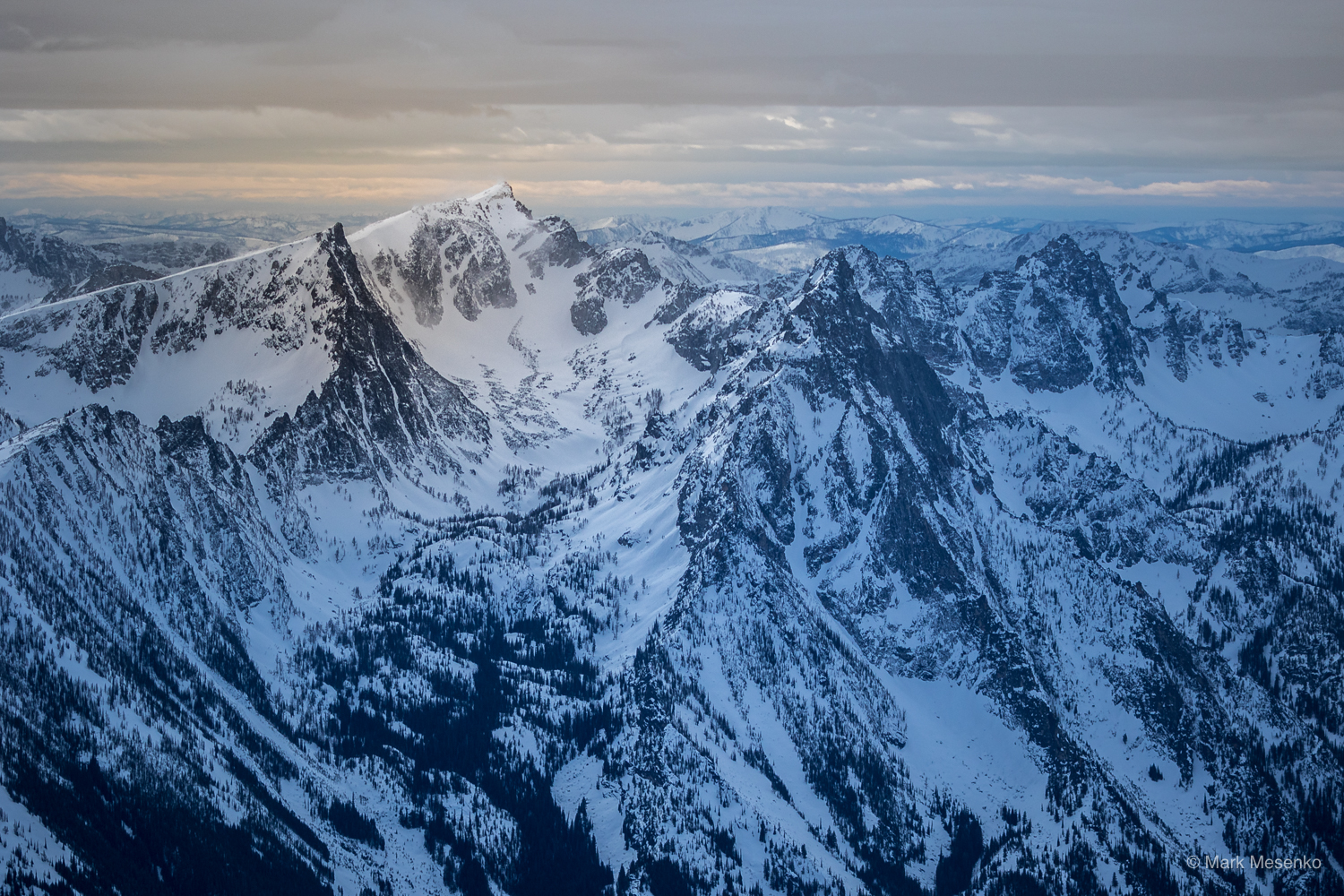
Along the Zimmerman Trail
By editor
Billings, Yellowstone County, Montana
The Zimmerman Trail is one of those curious little enterprises that sprouted up in the American West in the late 19th century, a product of necessity, ambition, and a peculiar kind of stubbornness. It was carved out in the summers of 1890 and 1891 by two brothers, Joseph and Frank Zimmerman, immigrants from the foggy, tangled lands of Alsace-Lorraine, Germany--or, as it was more commonly called in their day, a place the French and Germans argued over like two drunks disputing the last drink in a saloon.
Joseph Zimmerman arrived on these shores in 1872, a young man with the kind of restless energy that could only be tamed by a cavalry saddle. He enlisted in the United States Cavalry and found himself posted to Montana in 1874, a territory still raw and wild, where the line between civilization and the wilderness was more a suggestion than a fact. Frank, his younger brother, followed him west that same year, no doubt convinced that if Joseph could make it so far, there might be some gold or at least a good story waiting for him.
Frank worked the railroad until 1883, a backbreaking job laying tracks in a landscape that was as unyielding as the bosses were unforgiving. After a brief return to Alsace-Lorraine, he came back to the United States in 1885, this time to farm in Flint, Michigan. But the West had a way of calling people back like a stubborn echo.
Joseph, meanwhile, had left the army in 1883 and opened a clothing store in Billings, just a mile west of the now-ghost town of Coulson. The town was young, barely a decade old, and Billings was already beginning to elbow its way into prominence thanks to the Northern Pacific Railroad’s arrival in 1882. Joseph didn’t stop at retail; he bought three sections of land west of Billings--that's roughly 1,920 acres--and launched a sheep-feeding business. His ranch spread across the rimrocks--those steep cliffs that rim the valley--both at the bottom and at the top, a logistical challenge that would force a man to invent new paths or lose half his flock to exhaustion and thirst.
The problem was the water. To get from his home to the natural spring on Alkali Creek, the sheep had to make a 32-mile round trip that circled around the rimrocks, passing Boot Hill Cemetery, a name that would give any settler pause, especially one responsible for thousands of woolly charges. Joseph needed a shortcut, a trail carved more directly up and over the rimrocks, saving time and the lives of his animals. So he called Frank back from Michigan to manage the ranch and to help build the trail.
Now, building a trail on a rocky cliff is no small matter, especially in the 1890s with no bulldozers or excavators--only grit, muscle, and a two-handed scraper that could hold a single yard of dirt. A miner named Thompson handled the blasting, armed with the slow, dangerous technology of black powder and a steady hand. Three men and two mules were the entire workforce. Against the odds, by the end of the second summer, the trail was finished.
The original Zimmerman Trail passed about two and a half miles north of what is now Highway 3 and led to the spring nestled at the forks of the North and South Alkali Creeks. This spring was the lifeblood of the ranch, an oasis atop the rimrocks where the sheep could be watered without the exhausting detour.
The story might have ended there, a footnote in Montana’s endless catalog of rugged homesteading tales, if not for the trail’s later resurrection during the Great Depression. In 1938, the local Rotary, Kiwanis, and Lions clubs--those civic organizations that thrived on small-town solidarity and fundraising dinners--pooled $750 to purchase the land and right-of-way, then deeded it to Yellowstone County.
That same year, the federal government’s Works Progress Administration (WPA) stepped in with a substantial allotment of $95,252, augmented by $23,388 from Yellowstone County funds. This money was spent on reconstructing the trail, turning it from a narrow, rutted path into a more formal road. Over 150 men labored for nearly four months, transforming the route into a usable artery for the vehicles of the era. In the 1940s, the trail was finally paved, cementing its place in the region’s transportation network.
The Zimmerman Trail’s transformation from a sheep-herding shortcut to a public road illustrates the shifting economic and social landscape of Yellowstone County. From the rough-and-ready days of ranching and railroad expansion to the federal relief programs designed to counter the ravages of economic collapse, the trail embodies the ways ordinary folks and civic groups negotiated the demands of survival and progress.
Joseph Zimmerman once remarked in a local newspaper interview in 1892, “A man doesn’t build a trail just for himself; he builds it so that others can follow and find their way.” It’s an unsentimental observation, but one that captures the practical spirit behind the trail’s creation.
The Zimmerman brothers lived out their days in the Billings area. Joseph passed away in 1928, having witnessed his town grow from a rough railroad stop to Montana’s largest city. Frank died a few years later. Neither brother made a fortune from the trail or the ranch, but their work left a lasting imprint on the landscape.
The trail itself, now a paved road, serves not as a monument but as a working part of the region’s infrastructure. It reminds us that behind every piece of pavement is a story of sweat, ingenuity, and sometimes blasted rock. And that the West was not won by grand gestures or heroic figures alone, but by men like the Zimmermans, who measured progress in yards of dirt moved and miles saved.
See also
- Along the Zimmerman Trail at Billings, Yellowstone County
- Valley of Opportunity at Bozeman, Gallatin County
Where to Stay in Montana
Affiliate links help support this site at no extra cost to you