History
Sand Park Cemetery, also known as Coloma Cemetery, dates back to 1896. It was established to serve the miners and residents of two nearby mining communities: Coloma, located about one-half mile north, and Garnet, situated approximately 4 miles east. The principal occupation period for these two communities, and consequently the most active period for the cemetery, was between 1895 and 1910.
The Coloma area experienced a major rush following placer discoveries in 1865 on Bivins Gulch and Elk Creek, leading to the creation of several mining camps. Coloma itself was liveliest at the turn of the century, driven by the operations of the Mammoth and Comet mines. The town had a post office that operated from 1895 until 1908. Garnet, which popped up in 1895, grew to a peak population of 1,000 people, boasting hotels, stores, saloons, a school, and a weekly newspaper. However, by 1912, most of the large gold strikes were depleted and a fire destroyed much of Garnet's business district.
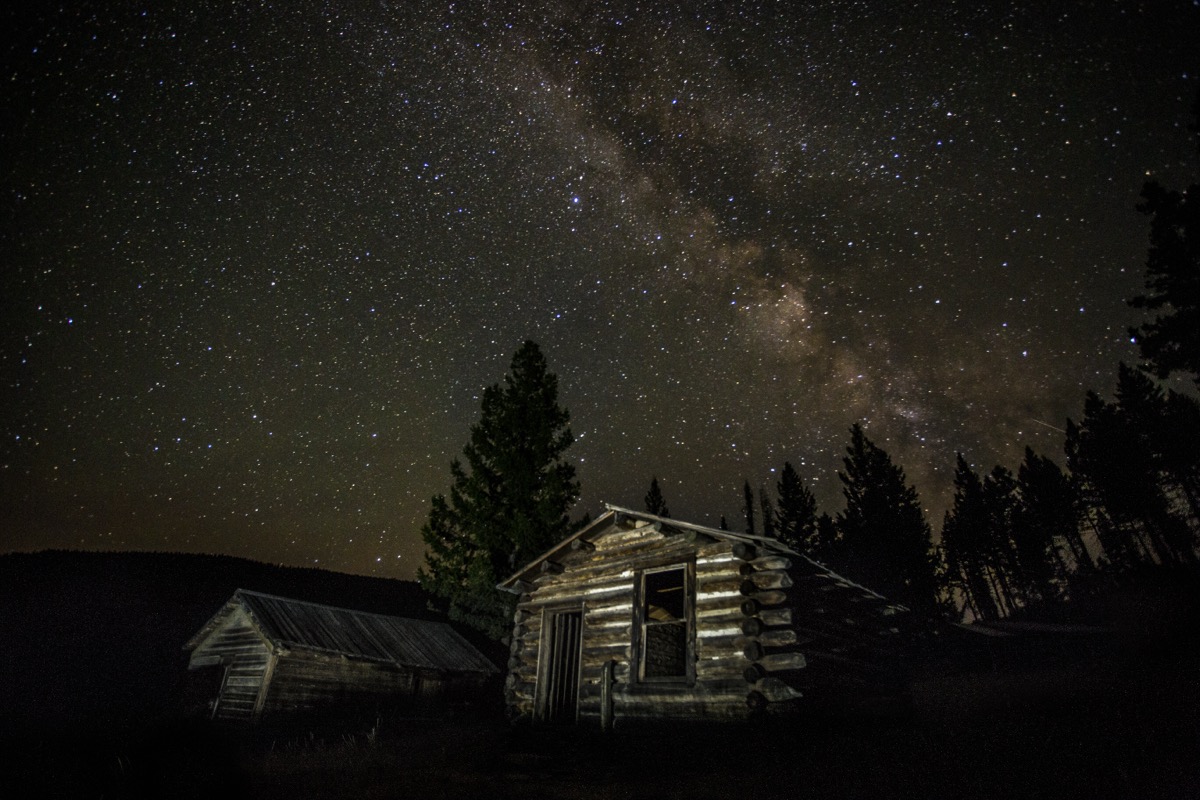
Today, both Coloma and Garnet are ghost towns. Coloma is privately owned, with some cabins still standing, and has been the subject of archaeological studies by the University of Montana. Garnet is primarily owned and managed by the Bureau of Land Management (BLM), which has stabilized and preserved the remaining two dozen buildings. The cemetery itself is a quiet reminder of the area's bustling mining past, with historical records indicating that miners, such as Frank Hamilton who died in 1905, were buried there under the auspices of the Garnet Miners Union.
Landscape and markers
The cemetery is a physical record of the harshness of the frontier. The dates carved into the markers tell a story of brief booms and sudden collapses, of winters that took the young and mining accidents that took the strong. To walk among these graves is to feel the immense weight of the past pressing down on the present landscape.
Who is buried here
The stones here tell the story of the settlement. No notable individuals are documented. The burial records primarily reflect the demographic patterns of a mining community, consisting of miners who worked in the nearby Coloma and Garnet mines during the late 19th and early 20th centuries. Historical accounts mention individuals like Frank Hamilton, a 35-year-old miner born in Colorado, who was buried in the cemetery in 1905.
Visiting
Sand Park Cemetery (Coloma Cemetery) is located in Missoula County, Montana, near the ghost towns of Coloma and Garnet (Coordinates: 46.83400, -113.38300). The cemetery is situated across the road from the historical mining areas. While Coloma is on private land, Garnet is managed by the Bureau of Land Management and is open to the public. Visitors can drive up the mountain to Garnet, where the road provides interactive historical displays. The area offers stunning views, and visitors can explore the preserved buildings in Garnet or hike the surrounding trails. In the winter, the road to Garnet is closed to wheeled vehicles, but the area can be accessed via skis or snowmobiles.