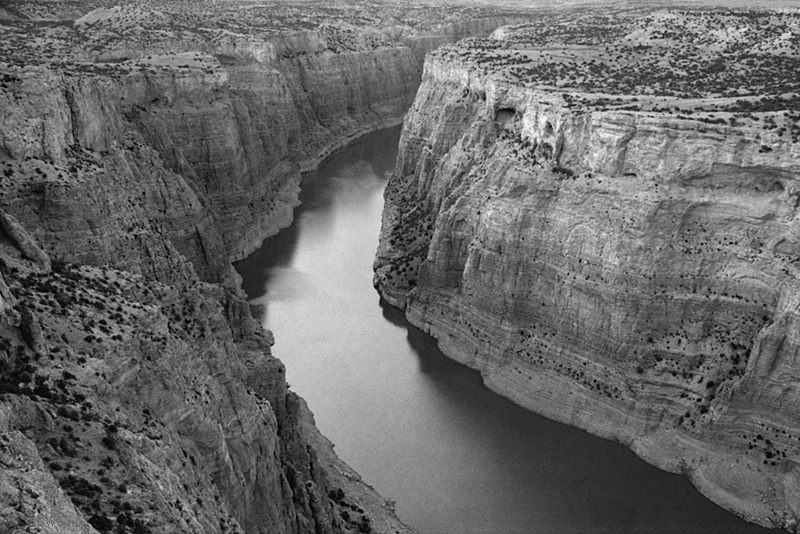
Miles City sits at the confluence of the Yellowstone and Tongue rivers—two major prairie waterways that support outstanding warm-water fishing in a landscape most people associate with cattle rather than casting lines. This is not trout country. The fishing around Miles City centers on walleye, sauger, smallmouth bass, channel catfish, and the iconic paddlefish—species that thrive in the warm, turbid waters of the lower Yellowstone and its tributaries. The paddlefish snagging season on the Yellowstone (typically May through June) draws anglers from across Montana and beyond for a chance at these prehistoric giants, some exceeding 100 pounds. With the two rivers flowing through town and reservoirs in the surrounding region, Miles City offers more fishing variety than its prairie setting might suggest. For the full city profile, see our Miles City guide.
At a Glance
- Stillwater: Prairie reservoirs and stock dams in the wider region
- Primary rivers: Yellowstone River (through town), Tongue River (through town)
- Target species: Walleye, sauger, channel catfish, smallmouth bass, paddlefish, northern pike, burbot
- Signature fishery: Yellowstone River paddlefish snagging (May–June)
- Best walleye water: Yellowstone River from Miles City downstream to Intake
- Best bass water: Tongue River, river access points south of town
- Reservoir fishing: Tongue River Reservoir (70 mi south)—walleye, bass, crappie
- License required: Montana fishing license (available at local shops and fwp.mt.gov)
The Yellowstone River
Walleye, Sauger & Catfish
The Yellowstone River through Miles City and downstream is premier walleye and sauger water. Unlike the cold, clear upper Yellowstone near Livingston where trout dominate, the river at Miles City runs warmer, wider, and more turbid—ideal habitat for warm-water species that thrive in slower currents, sandy substrates, and off-channel pools. Walleye and sauger fishing is productive from spring through fall, with the best action typically occurring from late April through June as fish move upstream on their spawning runs.
Jigs tipped with minnows or leeches are the go-to presentation, fished along current seams, wing dams, and the gravel bars that punctuate the river. Evening and low-light fishing is particularly productive—walleye feed aggressively at dawn and dusk, and summer nights on the Yellowstone produce some of the best catches. Channel catfish are abundant throughout the reach, with fish regularly exceeding 10 pounds and occasional specimens pushing 20. Cut bait, chicken liver, and nightcrawlers fished on the bottom produce steady catfish action from June through September.
Paddlefish Snagging
The paddlefish snagging season on the Yellowstone River is Miles City’s most distinctive fishing event. Paddlefish—ancient, filter-feeding fish that can exceed 100 pounds and have remained virtually unchanged for 75 million years—migrate up the Yellowstone each spring to spawn. Montana FWP manages a limited snagging season, typically from mid-May through late June, at designated sites downstream of Miles City near Intake. Anglers use heavy rods and large treble hooks, casting into the current and snagging fish as they move upstream—a technique unique to paddlefish and nothing like conventional angling.
The fishery is managed with harvest limits and a tag system; check Montana FWP regulations each year for current dates, tag requirements, and harvest limits. The Intake Diversion Dam (65 miles downstream) has been a focal point of paddlefish conservation, with a bypass channel constructed to improve upstream passage. Paddlefish caviar—processed from harvested fish—is a delicacy, and processing stations operate during the season. This is a bucket-list fishery that draws anglers from across the region and connects Miles City to a prehistoric species found in few other places.
The Tongue River
The Tongue River flows into the Yellowstone at Miles City from the south, passing through a cottonwood-lined valley of ranch country. The Tongue offers a different fishing experience from the broad Yellowstone—smaller, more intimate, with clearer water and habitat that supports a healthy population of smallmouth bass. Smallmouth in the Tongue are aggressive, willing to hit topwater lures, crankbaits, and soft plastics, and fish in the 12- to 16-inch range are common with occasional larger specimens.
The Tongue also holds channel catfish, sauger, and some walleye in its lower reaches near the Yellowstone confluence. Wade fishing is practical in many stretches during normal flows, and small boats or canoes can navigate sections of the river for a more exploratory approach. Access points south of Miles City are less developed than the Yellowstone’s FWP sites, so local knowledge—or a conversation at a local sporting goods store—is valuable for finding productive water.
The Lakes
There are no natural lakes within 30 miles of Miles City, but prairie reservoirs and stock dams in the wider region provide additional fishing variety beyond the rivers. Prairie reservoirs and stock dams in the region hold warm-water species including northern pike, walleye, yellow perch, and largemouth bass. Tongue River Reservoir (70 miles south) is the premier stillwater destination—a 12-mile-long impoundment offering excellent walleye, smallmouth bass, crappie, and northern pike fishing in a scenic ponderosa-pine setting. The reservoir has developed facilities including boat ramps, campgrounds, and a state park.
Closer to town, smaller reservoirs and stock dams on BLM and private land offer solitary fishing for those willing to seek permission and explore. Many of these waters receive little pressure and can produce surprisingly good fishing for warm-water species.
Seasonal Guide
Spring (March–May): As ice clears and water warms, walleye and sauger begin their upstream spawning migration on the Yellowstone—this is prime time for jig fishing along current seams and gravel bars. The paddlefish snagging season opens in mid-May (check FWP for exact dates). Smallmouth bass on the Tongue become active as water temperatures reach the mid-50s. Spring runoff can muddy both rivers through April and into May, but the walleye bite often improves in turbid water.
Summer (June–August): Peak warm-water season. Walleye fishing shifts to early morning and evening as daytime temperatures push into the upper 80s and 90s. Channel catfish are in full swing—night fishing on the Yellowstone with cut bait produces the biggest fish. Smallmouth bass hit topwater aggressively through summer on the Tongue River. The paddlefish season typically closes by late June. Tongue River Reservoir offers excellent summer fishing for walleye, bass, and crappie.
Fall (September–November): As water cools, walleye and sauger feed heavily ahead of winter—fall produces some of the year’s best walleye catches on the Yellowstone. Smallmouth bass fishing peaks in September and October as fish bulk up before dormancy. Northern pike in area reservoirs become aggressive in cooler water. Fishing pressure drops dramatically after hunting season opens, leaving the rivers largely to dedicated anglers.
Winter (December–February): Ice fishing on area reservoirs and stock dams for walleye, perch, and northern pike is the winter option. The Yellowstone typically does not freeze solid through Miles City, and some anglers pursue walleye and burbot (ling) through the coldest months—burbot, in particular, are a winter-spawning species that becomes more active as water temperatures drop below 40°F. Dress for cold—January lows average 18°F, and wind chill on the open river can be severe.
Local Resources
Miles City’s fishing culture is practical and unpretentious—this is bait-and-tackle country rather than fly-shop country, reflecting the warm-water fisheries that define the region. Local sporting goods stores carry tackle, live bait, and current information on river conditions and what’s biting. Guide services are available for Yellowstone River walleye trips and paddlefish snagging during the season. A Montana fishing license is required for anyone 12 and older; licenses are available online at Montana FWP or at local shops. Paddlefish tags require a separate permit—check FWP regulations for current requirements, as the fishery is actively managed with harvest caps.
For hiking and other outdoor activities near Miles City, see our hiking and outdoors guide and the weekend itinerary.