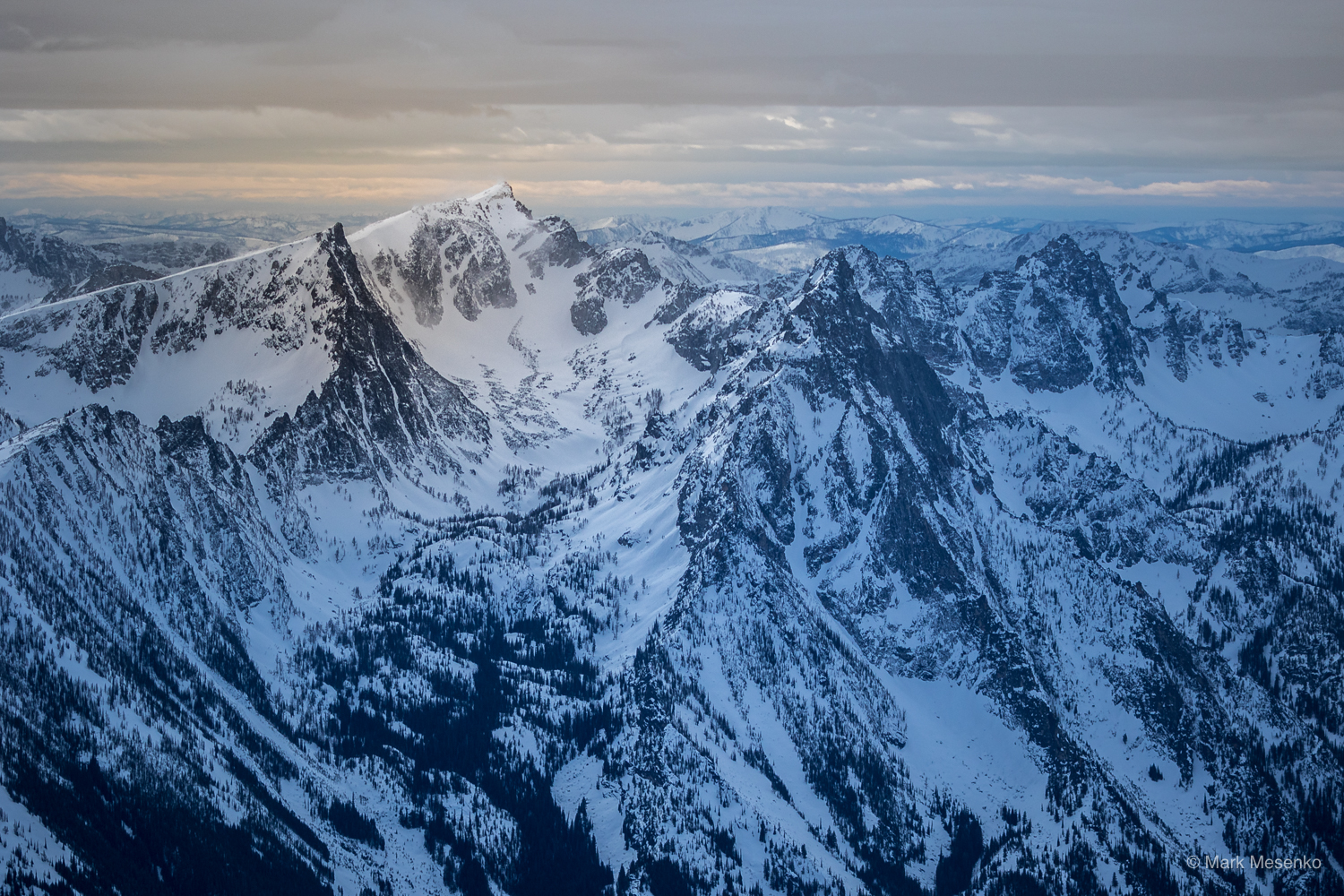
Valley of Opportunity
By editor
Bozeman, Gallatin County, Montana, March 2009
Settlers came to the Gallatin Valley on the heels of the first Montana gold strike at Grasshopper Creek near Bannack, Montana, in 1862. As Meriwether Lewis had predicted, farmers found the valley well suited for agriculture. They planted crops and raised stock to supply the rapidly growing town.
John Jacobs and John Bozeman laid out a cutoff from the Oregon Trail into western gold fields of Montana in 1863. Bozeman brought the first wagon train of miners and settlers over the Bozemen Trail.
It is a curious thing how a valley can be transformed from a wilderness into a breadbasket in the blink of an eye. The Gallatin Valley, with its fertile soil and abundant water, was a veritable Eden for the early settlers. They came not for gold, but for the quiet, steady work of farming and ranching. And in doing so, they built a foundation for the future of Montana.
The gold strikes at Grasshopper Creek and Alder Gulch brought a flood of humanity to the territory, a motley crew of miners, merchants, and adventurers. But it was the farmers of the Gallatin Valley who provided the sustenance that kept the whole enterprise going. They were the unsung heroes of the frontier, the ones who turned the raw potential of the land into a thriving agricultural economy.
"As Meriwether Lewis had predicted, farmers found the valley well suited for agriculture." It is a testament to the keen eye of the explorer that he could look upon a wild and untamed landscape and see its future potential. Lewis saw the tall grass and the rich soil, and he knew that this was a place where a man could build a life.
The opening of the Bozeman Trail was a crucial development in the history of the valley. It provided a direct route for emigrants and freight, connecting the Gallatin Valley to the outside world. John Bozeman and John Jacobs were men of vision and daring, willing to risk everything to forge a new path through the wilderness.
The trail brought a steady stream of settlers to the valley, each one eager to stake their claim and build a future. They brought with them their hopes and dreams, their plows and their cattle. And slowly but surely, they transformed the landscape, turning the wild prairie into a patchwork of farms and ranches.
Today, the Gallatin Valley remains a vital agricultural center, a testament to the hard work and determination of those early pioneers. The fields of wheat and barley, the herds of cattle and sheep, are a living legacy of their efforts. It is a place where the past and the present are inextricably linked, where the echoes of the frontier can still be heard in the rustle of the wind through the crops.
As we look out over the valley today, it is easy to forget the struggles and hardships that the early settlers faced. They battled drought and disease, hostile Indians and harsh winters. But they persevered, driven by a deep and abiding faith in the promise of the land.
The story of the Valley of Opportunity is a story of human endeavor and progress. It is a story of how a wild and untamed landscape was transformed into a thriving agricultural community. It is a story that reminds us of the enduring power of the human spirit, and the boundless potential of the American West.
See also
- Valley of Opportunity at Bozeman, Gallatin County (Montana Department of Transportation, erected 2009)
- Fort Ellis for more on the military presence in the valley
Where to Stay in Montana
Affiliate links help support this site at no extra cost to you