The Way It Used To Be... Way Back
By editor
Near Polaris, Beaverhead County, Montana, October 2024
Stand here long enough and the ground moves. Not in the way that ground moves during an earthquake, though it does that too, but in the slower way, the way that only becomes visible when you measure it against millions of years rather than a human lifetime. The Pioneer Mountains to the north and east are still rising. They have been rising for four million years, and they will continue rising after every person who has ever read this marker is gone, and the granite peak of Baldy Mountain, which stands at 10,568 feet and which Sacajawea used as a landmark when she guided William Clark through this country in July of 1806, will be a few inches higher than it is today.
Clark wrote about this place on July 8, 1806, on his return journey from the Pacific. He had separated from Lewis at Traveler's Rest Creek and was taking a different route home, following the Bitterroot Valley south and then east through the Pioneer Mountains. His journal entry for that day is not one of the celebrated passages of the expedition, but it is an honest one: "We proceeded down Willards Creek on the S.W. Side about 11 miles...The Country through which we passed to day was diversified high dry and uneaven Stoney open plains and low bottoms very boggy with high mountains on the tops and North sides of which there was Snow, great quantities of the Species of hyssop (sagebrush) & shrubs common the Missouri Plains are scattered in this Valleys and hill sides. The road which we have traveled from travellers rest Creek to this place an excellent road. ...Shields killed an antelope."
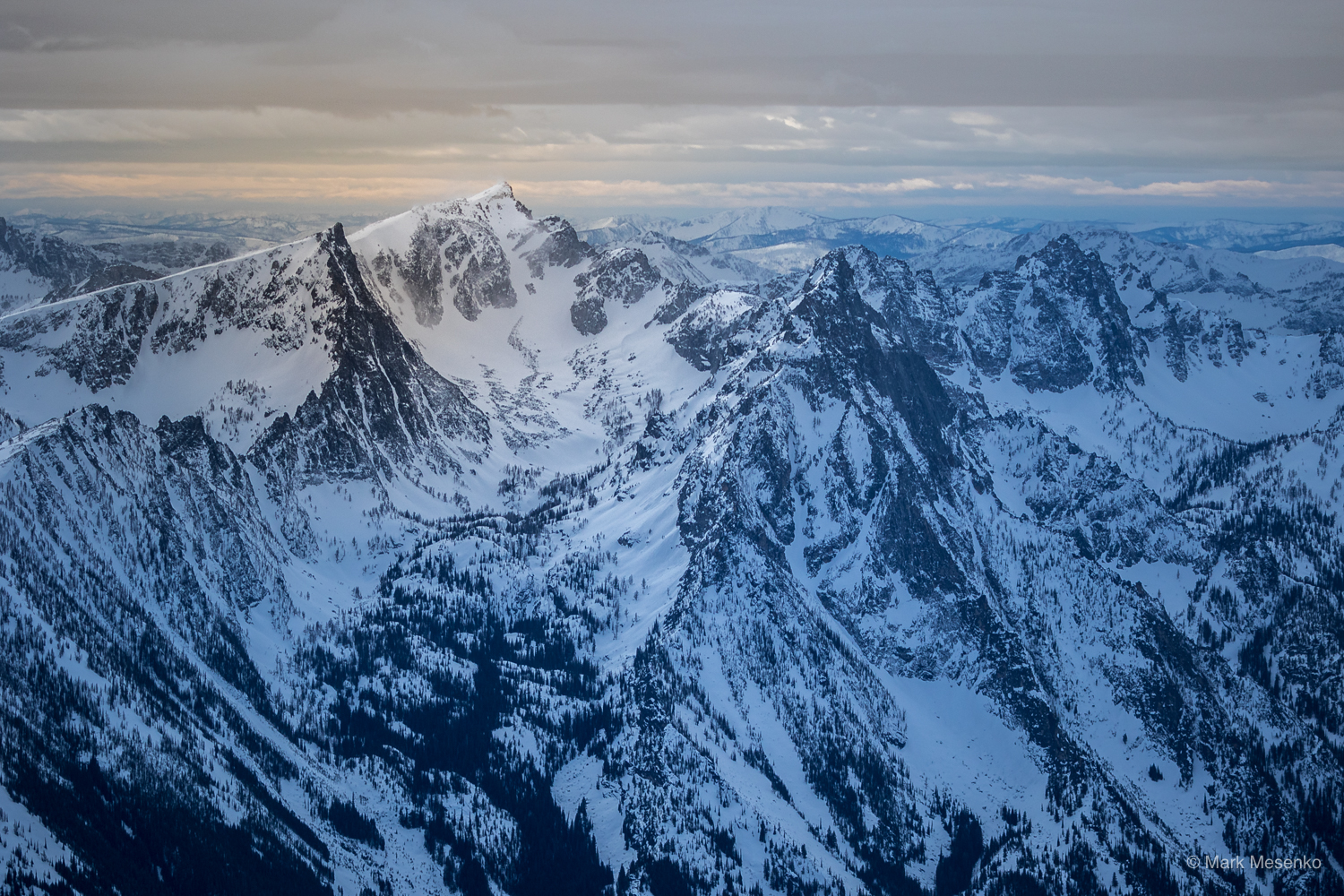
The sagebrush is still there. The snow is still on the north sides of the mountains in July. The road is still excellent, though it is paved now and carries automobiles rather than horses. The antelope are still there too, though Shields is not. What Clark saw on July 8, 1806, is very nearly what you see today, which is a remarkable fact when you consider how thoroughly the rest of the country he traveled through has been altered. The Pioneer Mountains Scenic Byway runs through a landscape that Sacajawea would recognize, through meadows and granite slopes and lodgepole forests that have not changed in any essential way since the Corps of Discovery passed through them.
But the marker at this spot is not content with two hundred years. It reaches back forty-seven million.
Forty-seven million years ago, there were no Pioneer Mountains. The elevation here was not 6,100 feet but something much closer to sea level. The climate was tropical. Fossils found in the rock record show palm trees and crocodilians and the kind of lush subtropical vegetation that you would expect to find in what is now Louisiana or Florida. The Renova Basin, which occupied this region, drained to the east, and the mountains that now define the skyline to every direction were not yet imagined by the geology of the place. The granite that makes up Baldy Mountain was deep underground, cooling slowly from the magma that had intruded into the older rock, waiting for the erosion of forty-seven million years to expose it to the air.
The Pioneer Mountains began rising about four million years ago, which is recent in geological time. The mechanism was the extension of the earth's crust, which had been stretching and thinning across this region for about seventeen million years. As the crust thinned, the hot mantle material beneath it bulged upward, and the crust broke along northwest-trending faults, and some blocks rose while others dropped. The rising blocks became the Pioneer Mountains. The dropping blocks became the valleys. The process is still going on. The mountains are still rising, and the valleys are still dropping, and the faults that separate them are still accumulating the stress that will eventually release as earthquakes.
The marker mentions earthquakes, as well it might. The Hebgen Lake earthquake of 1959, which struck fifty miles to the southeast and killed twenty-eight people and dropped a mountain into the Madison River, was produced by exactly this mechanism: blocks of crust moving along faults, releasing energy that had been stored for centuries. The Pioneer Mountains sit in the same seismic province. A person might pass a lifetime here without feeling the ground move, but in the millions of years of geological time, earthquakes here are as common as the sagebrush.
Sacajawea knew this country as her ancestors had known it, through the accumulated knowledge of generations who had traveled these valleys and camped beside these streams and used Baldy Mountain as a landmark because it was the highest and most distinctive peak in the range. She did not know about the Renova Basin or the Miocene extension or the normal faults that built the mountains she was navigating. She knew the mountains themselves, their shapes and their passes and the streams that ran from them, and that knowledge was sufficient to guide thirty-three people through a landscape that would have been impassable without it. Clark noted the excellence of the road. He did not note who had made it excellent, who had traveled it for centuries before the Corps of Discovery arrived and found it ready for them.
The July nights here are still, as Clark wrote, "remarkably Cold." The sagebrush smells the same in the morning sun. The granite of Baldy Mountain catches the last light of the evening in the same way it caught it on July 8, 1806, and on the July evening forty-seven million years before that when the tropical forest was still green and the mountains had not yet begun their slow ascent toward the sky.
See also
- The Way It Used To Be... Way Back near Polaris, Beaverhead County (USDA Forest Service and University of Montana-Western, erected 2018)
- Pioneer Mountains National Forest Scenic Byway -- 43-mile byway through the Pioneer Mountains
- Earthquakes! near Cameron, Madison County -- the 1959 Hebgen Lake earthquake
Where to Stay in Montana
Affiliate links help support this site at no extra cost to you