The Pryor Mountains and Raptor Country
By editor
Bridger, Carbon County, Montana
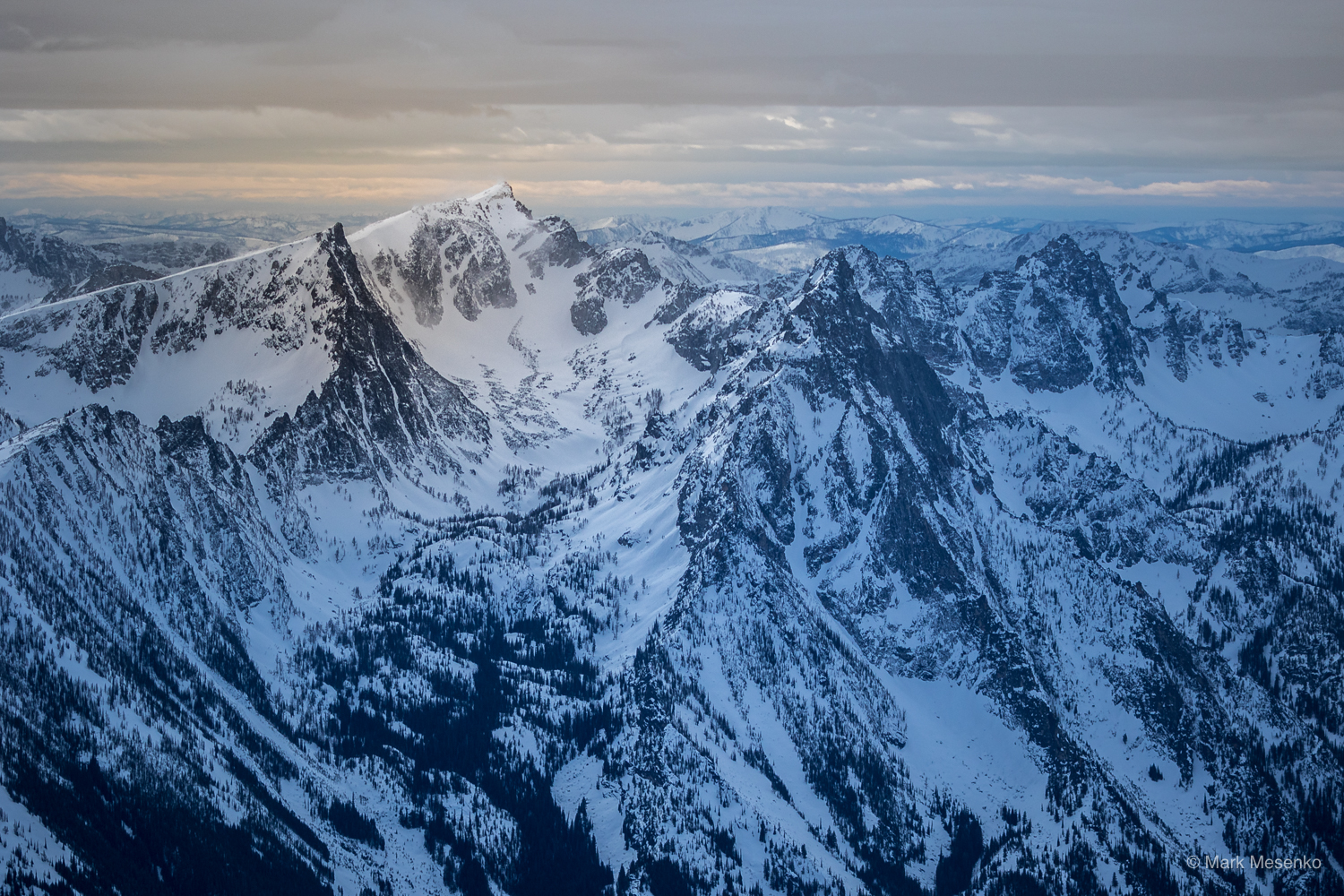
The Pryor Mountains rise like a solemn ridge on the southeastern horizon, their silhouette etched against the vast Montana sky. These mountains bear the name of Sergeant Nathaniel Pryor, a steadfast member of the Lewis and Clark Expedition, whose journey through these lands in the early 19th century opened vistas of knowledge about the vast western wilderness. Pryor himself once remarked on the rugged nature of these lands, noting that "the rocks here are as old as time itself, and the winds carry the voices of millennia past." It is that deep antiquity that I find most compelling in this place.
The cliffs and slopes that define the Pryor Mountains are chiefly composed of Madison Limestone, a sedimentary rock formed over 300 million years ago when this region lay beneath a shallow sea. This limestone, a pale gray to creamy white, formed from the accumulated skeletal remains of marine organisms, now hardened into stone. Along the edges of the range, the stratigraphy reveals younger layers of tan Tensleep Sandstone and the brick-red Chugwater Formation, each telling a chapter in the story of shifting environments and ancient deserts. Beneath these sedimentary layers lie the oldest rocks of the region -- Precambrian basement rock that dates back more than two billion years, among the oldest in North America, exposed only where ancient canyons have cut deep through the surface.
The shaping of the Pryor Mountains themselves occurred during the Laramide orogeny, a period of mountain building that took place roughly 65 to 55 million years ago. During this epoch, immense forces compressed the earth’s crust, uplifting blocks of rock along reverse faults, thrusting the landscape upward to form the rugged escarpments we see today. This tectonic upheaval was part of the same grand process that raised the Rockies, a dramatic uplift that transformed a quiet basin into a soaring mountain range.
But the Pryor Mountains harbor more than rock and ridge. Over countless millennia, water seeping through the limestone has etched out deep caves within the range. Some of these caves open vertically at the surface, allowing dense, cold air to drop into their depths, cooled by the insulating embrace of the surrounding rock. This process traps moisture and cold air underground, creating remarkable ice caves such as the famous Big Ice Cave. Here, even in the heat of summer, immense sheets of ice cling to the cavern walls, formed by water freezing in the shadowed silence, sculpting delicate formations that glisten like crystal chandeliers. Other caves reveal fantastic stalactites and stalagmites, mineral sculptures formed drip by drip over thousands of years, silent witnesses to the slow passage of geological time.
The Pryor Mountains also claim a remarkable place in the story of paleontology. About 115 million years ago, during the Early Cretaceous period, this region was home to a swift and deadly predator known as Deinonychus, or "Terrible Claw." This creature measured roughly ten feet in length, with sharp, retractable talons on its hind feet that could slash through prey with precision and force. Agile and quick, Deinonychus could sprint at speeds up to 25 miles per hour, hunting in packs with a cunning intelligence that challenged previous notions of dinosaur behavior. In 1964, the fossilized remains of Deinonychus were discovered in the badlands near here by Yale paleontologist John Ostrom. Ostrom's discovery revolutionized the study of dinosaurs by demonstrating that these ancient beasts shared many features with modern birds rather than with cold-blooded reptiles, a revelation that reshaped scientific understanding of their biology and evolution.
Ostrom himself observed, "The Deinonychus is the key that unlocked the door to a new view of the dinosaur world, showing that they were dynamic, active creatures rather than sluggish reptiles." This insight helped inspire the depiction of Velociraptors in popular culture, such as in the Jurassic Park films, though those dinosaurs were relatives of Deinonychus rather than direct portrayals. The Pryor Mountains thus stand as a locale where the bones of prehistoric life lie just beneath the surface, connecting us directly to an ancient world.
Beyond geological and paleontological wonders, the Pryor Mountains serve as home to a unique herd of wild horses. These animals descend from horses originally brought by Spanish explorers and settlers centuries ago--equines that escaped or were released and have since roamed these plateaus freely. The Pryor Mountain mustangs are notable for their hardiness, adapted to the rugged terrain and sparse vegetation of the area. Their presence offers a living link to the history of human and animal migration across the continent. The Bureau of Land Management oversees this herd, ensuring their survival amid the challenges posed by weather, predators, and limited forage.
The vegetation here is marked by species adapted to the dry, rocky climate. Sagebrush (Artemisia tridentata) dominates the lower slopes, while ponderosa pine (Pinus ponderosa) and Douglas fir (Pseudotsuga menziesii) find footholds in sheltered canyons. Mountain mahogany (Cercocarpus ledifolius) and serviceberry (Amelanchier alnifolia) add to the diversity, supporting a variety of wildlife from mule deer (Odocoileus hemionus) to golden eagles (Aquila chrysaetos) that soar overhead, taking advantage of the thermal currents rising from the sun-warmed cliffs.
As I stand watching the sun dip behind the Pryor Mountains, I am reminded of the depth of time etched into every rock face and the vitality of life that continues to adapt and flourish here. Sergeant Pryor’s name endures, but it is the geological grandeur and the living heritage of this land that hold my attention, inviting us to witness the slow, majestic processes that have shaped and continue to shape this extraordinary region.
See also
- The Pryor Mountains and Raptor Country at Bridger, Carbon County
- Plenty Coups, Chief of the Crows at Red Lodge, Carbon County
- The Beartooth Plateau at Red Lodge, Carbon County
Where to Stay in Montana
Affiliate links help support this site at no extra cost to you