The Lolo Trail
By editor
Lolo, Missoula County
In the vast, untamed expanse of the American West, where the very earth seemed to conspire against the ambitions of man, there lay a path unlike any other, the Lolo Trail. It was not a thoroughfare for the burgeoning tide of westward migration, nor was it ever trod by the ponderous wheels of covered wagons, those symbols of encroaching civilization. Rather, it was a monument to the enduring wisdom of those who had navigated its formidable reaches for generations untold, a secret whispered from one native heart to the next, long before the first European foot disturbed its ancient dust.
This trail, shifting and unmapped, wound its way through a landscape of such profound grandeur and daunting difficulty that it defied the very notion of conquest. It was a route that demanded respect, a passage granted only to those who possessed an intimate knowledge of its capricious moods and hidden dangers. Indeed, the celebrated captains, Lewis and Clark, those intrepid pioneers of discovery, would have found themselves utterly lost amidst its labyrinthine defiles and towering peaks had it not been for the indispensable guidance of their American Indian companions. It was a journey that tested the very limits of human endurance and spirit.
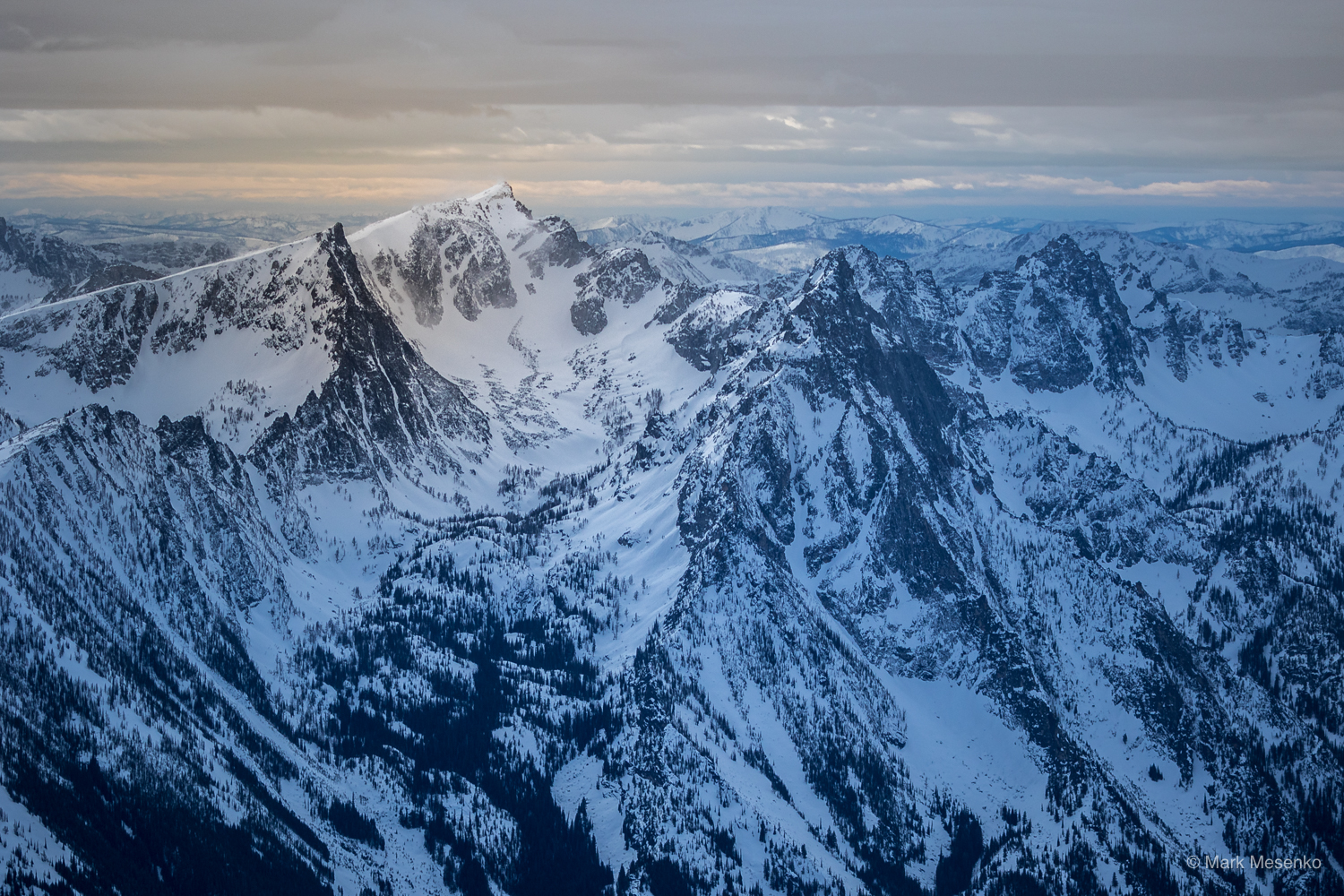
One need only consider the words of William Clark, penned on a day in June of 1806, as he gazed upon the formidable Bitterroot Mountains, a range that formed the very spine of this arduous trail. He described them as "... Stupendous Mountains principally covered with snow like that on which we stood; we are entirely serounded by thos mountains from which to one unacquainted with them it would have Seemed impossible ever to have escaped..." Such was the overwhelming majesty and peril of this wilderness, a place where the very thought of escape seemed a fanciful dream to the uninitiated.
These Bitterroot Mountains, a formidable barrier connecting the plains of the Columbia River with those of the Missouri, proved to be the most unyielding segment of the Lolo Trail. Their rugged topography and dense, primeval forests stubbornly resisted all attempts at "improvement" for wheeled vehicles, a defiance that persisted until the mid-20th century. Even the relentless march of the railroads, those iron arteries of progress that reshaped so much of the continent, found themselves halted at the feet of these mountains, unable to penetrate their formidable embrace.
To traverse the Lolo Trail was to step back into a time when the land held sway, when human endeavors were measured against the immutable power of nature. Meriwether Lewis, on a somber September day in 1805, recounted the desperate straits of his party: "...we suffered for water this day passing one rivulet only; we wer fortunate in finding water in a steep raviene about ½ maile from our camp. this morning we finished the remainder of our last coult. we dined & suped on a skant proportion of portable soupe, a few canesters of which, a little bears oil and about 20 lbs. of candles form our stock of provision, the only resources being our guns & packhorses." It was a stark reminder of the wilderness's indifference, where survival hung by the slenderest of threads.
Today, though a modern highway, U.S. Highway 12, roughly parallels its course, the true Lolo Trail remains largely above, tracing the ancient ridges and saddles north or south of the paved road. Save for the subtle shifts in vegetation, the Lolo Trail presents much the same visage as it did centuries ago, a timeless corridor through an enduring wilderness. It is a place where the echoes of explorers and native peoples still resonate, a landscape that compels reflection on the grand, often arduous, pageant of history. It is for these profound reasons that Congress, in its wisdom, chose to preserve these settings as the Nee Mee Poo National Historic Trail and the Lewis and Clark National Historic Trail, together forming the enduring legacy of the Lolo Trail, a monument not merely to passage, but to perseverance, and to the wild, untamable spirit of a continent.