The Crazy Mountains
By editor
Big Timber, Sweet Grass County, Montana
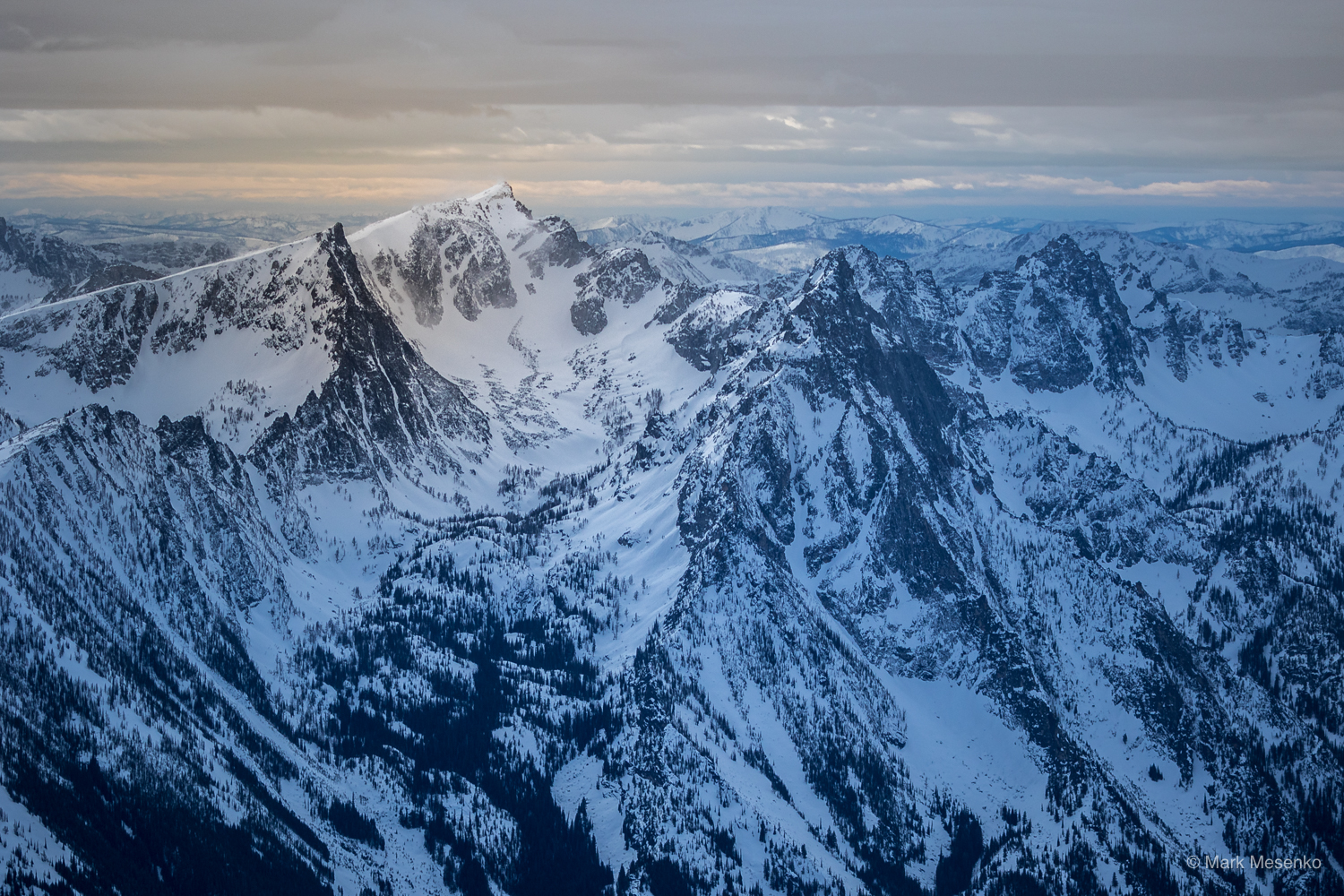
The Crazy Mountains rise with a sudden dignity from the rolling plains east of the Yellowstone River, a solitary range that commands the horizon for more than a hundred miles in every direction. Known to the Apsáalooka as Awaxaawippila, meaning “Crazy Mountains,” this jagged cluster of peaks holds a permanence both geological and spiritual. Forged in fire and earth some 50 million years ago, these igneous outcrops form a stark contrast to the surrounding flatlands. For the Crow Nation, whose ancestral lands encompass this country, the Crazy Mountains are the heart of a sacred geography--a place of refuge, vision, and memory.
The Apsáalooka, whose name means “children of the large-beaked bird,” have long regarded Awaxaawippila as a source of power. It was here that young boys entered into the rite of passage known as the vision quest, a solitary journey through fasting, prayer, and exposure to the elements designed to secure guidance from the spirit world. This practice was not mere tradition but a necessary preparation for the challenges of life on the northern plains, where survival depended upon wisdom as much as strength.
In the summer of 1857, a boy named Plenty Coups undertook this sacred journey at the age of nine. The son of Chief Big Robe, Plenty Coups was to become the last great leader of the Crow people, a man whose life would span the turbulent years when the plains changed forever. His vision on those mountains endures as one of the clearest expressions of Native understanding of the upheaval that was to come.
Plenty Coups fasted for four days, sleeping little, enduring the sun and cold winds that sweep the peaks. What he saw was a vision of loss and survival. He witnessed the disappearance of the buffalo, the great providers and spiritual center of the plains peoples. In their place appeared “spotted-buffalo,” the cattle brought by the white settlers. He saw a violent storm tear through an ancient forest, leaving only one tree standing. Beneath that tree’s branches was a nest containing a small bird--a chickadee.
When Plenty Coups returned to camp, an elder named Yellow Bear interpreted the vision. The destruction of the forest represented the defeat of many Native tribes who had resisted the encroachment of Euro-American settlers and armies. The lone surviving tree symbolized the Crow people themselves, who alone would endure. The chickadee, though small and seemingly fragile, was the embodiment of resilience and intelligence. “The chickadee is the least in strength, but strongest of mind among his kind,” Plenty Coups later said, recalling the lesson he had learned.
This vision shaped Plenty Coups’s approach to leadership. Unlike many who sought open conflict, he recognized that the survival of his people required adaptation and diplomacy. The buffalo herds would not return; the coming age belonged to the white man and his cattle. The Crow needed to find a place within this new order. This understanding guided Plenty Coups as he negotiated treaties and worked with the United States government to secure land and rights for his people.
The geography of the Crazy Mountains itself offered protection. The rugged terrain was a refuge against enemies, and the Apsáalooka knew that few outsiders dared to follow them there. Long before Plenty Coups’s vision, Awaxaawippila was a sanctuary during times of war and hardship. It remains so today, its peaks holding stories carved into the earth and the memory of the Crow Nation.
Throughout the late nineteenth century, the Crow people faced the relentless advance of settlers, soldiers, and the railroad. The buffalo herds, once numbering in the millions, were decimated by mass slaughter and habitat loss. By the 1880s, the plains were largely emptied of these great animals. The Crow, unlike some neighboring tribes, managed to avoid the fate of confinement to distant reservations far from their homeland. Through the leadership of Plenty Coups and others, they secured the Crow Indian Reservation in south-central Montana, including the foothills of the Crazy Mountains.
In his later years, Plenty Coups reflected on the significance of his vision and the changes it foretold. He said, “The old days have gone. We must learn to live as the white man lives if we are to survive.” This was not a surrender but a strategic acceptance of an inevitable reality. His leadership helped the Crow people navigate the difficult transition from free-ranging hunters to citizens within the American state.
The Crazy Mountains continue to hold spiritual and cultural importance for the Crow Nation. Even as modern life encroaches, the mountains remain a place for vision quests and ceremonies, connecting the present generation with their ancestors. The story of Plenty Coups and his vision is taught to young people as a guide to resilience and foresight.
In the broader history of Montana, the Crazy Mountains represent a crossroads of cultures and epochs. They remind us that the land holds memory not only of ancient geological forces but of the human struggles and adaptations that have shaped this region. The vision of a boy on a mountain in 1857 remains a vital chapter in the story of the Northern Plains and the enduring spirit of the Crow people.
See also
- The Crazy Mountains at Big Timber, Sweet Grass County
- Plenty Coups at Columbus, Stillwater County
- Valley of Opportunity at Bozeman, Gallatin County
Where to Stay in Montana
Affiliate links help support this site at no extra cost to you