Snowed In!
By editor
West Yellowstone, Gallatin County, Montana
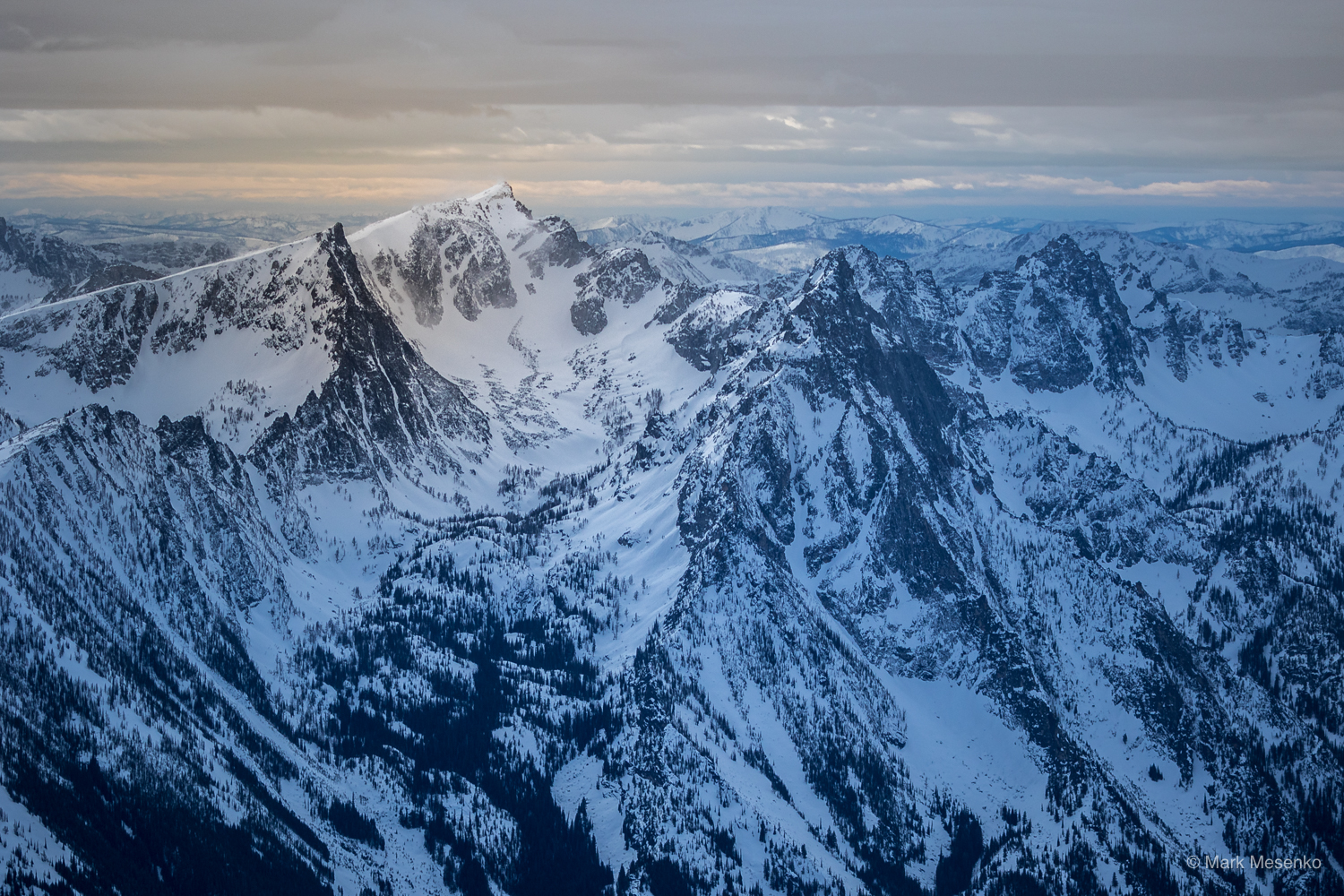
West Yellowstone, perched at a lofty 6,667 feet above sea level, might seem like a fine place to visit in the summer, but come winter, it transforms into a genuine icebox with a side of white-out misery. The town nestles just outside the west entrance to Yellowstone National Park, but early in the twentieth century, before the miracle of modern snowplows and heated roads, it was more like a snow prison.
The Union Pacific Railroad rolled into West Yellowstone in 1908, bringing with it the promise of connection to the outside world and the comforts of modern civilization. But as the years trudged on, the locals came to understand that the railroad was more a seasonal visitor than a year-round lifeline. Winters, stretching from November into March, dumped so much snow that the railroad tracks vanished beneath mammoth drifts. The trains simply stopped running. Not out of whimsy or labor disputes, but because the snow was too vast and unyielding to be tamed with the tools at hand.
Living in West Yellowstone back then meant coming to terms with the fact that winter was not just a season but a siege. The town was effectively snowed in for nearly half the year. The tracks weren’t cleared until late March. This annual thaw was no ordinary event. It was celebrated with what the locals called the Spring Campaign--a name that sounds like a military offensive but was in reality a slow, noisy, and reluctant reconnection with the world beyond the snowdrifts. School let out for the day, and the town threw what was described in one 1920s Gallatin County newspaper as a "grand celebration to welcome the return of passenger service and the end of our winter isolation."
One might imagine that such a celebration was a dry affair, but no--there were bonfires, speeches, and perhaps a little too much of the local moonshine passed around. The schoolchildren, having been cooped up for months, poured into the streets like spring-fed streams. The railroad crews, those hardy souls who finally wielded shovels and picks against the snowdrifts, were the town’s reluctant heroes. Clearing the tracks was no small feat, and it was the kind of labor that would have put the mythical Sisyphus to shame.
During those frozen months, the town’s connection to the outside world wasn’t completely severed, but it was tenuous and fraught with hardship. The postmasters, tasked with retrieving and delivering mail, had to undertake a two-day round trip over Targhee Pass, a route that cuts between Montana and Idaho near Henry’s Lake. They did this on skis or dog sleds, navigating treacherous terrain where a misstep meant a plunge into a snowbank or worse. It was a laborious process that happened every week to ten days, depending on the weather and the mood of the mountain gods.
In 1933, technology grudgingly improved the situation. West Yellowstone saw its first winter air service, a single-engine plane fitted with skis on its landing gear. The plane could land on snow-covered clearings and deliver mail faster than the dog sled, which was no mean feat. According to a local newspaper report from the time, the pilot also brought “milk, a rare wintertime treat,” to a town that had long since resigned itself to powdering its coffee with powdered milk or making do without.
This nascent air service was hardly a regular affair or a reliable lifeline in the way we think of planes today. It was more like a pilot’s brave gamble against the forces of nature, a gesture that hinted at the possibilities of modern life but also underscored how remote and difficult life could still be. The pilot’s name was Harold "Red" Johnson, a man who once said, “Flying into West Yellowstone in winter was like threading a needle with your eyes half-shut. But folks needed their mail and their milk, and I was the one they trusted to bring it.”
Even with these efforts, the town’s businesses and institutions largely shut down during the winter months. Tourism, then as now, was West Yellowstone’s economic backbone. But with no train, no reliable roads, and harsh weather, tourists stayed away like sensible people, and the town hunkered down. Hotels, shops, and restaurants closed their doors, leaving the few hardy residents to weather the long months in near isolation.
That began to change in 1936 when the road connecting West Yellowstone to Bozeman was paved, and regular winter plowing operations commenced. This was a game changer. The Montana Highway Department acquired a formidable piece of machinery from the Four Wheel Drive Company of Clintonville, Wisconsin--a rugged snowplow powered by a twin-headed engine from the Waukesha Motor Company. This FWD snowplow, built in the late 1930s and now sitting in front of the Yellowstone History Center, was one of the first to make winter travel possible in the area.
The plow wasn’t just a machine; it was a symbol of progress and stubborn human will. It could clear the Gardiner area north of Yellowstone and, eventually, the roads leading into West Yellowstone itself. With the snow removed, trucks replaced sleds, and the town’s economic life began to stir even in midwinter. Milk and mail arrived regularly by truck, and less hardy travelers could risk the road.
Looking back, the story of West Yellowstone’s winter isolation and eventual thaw is a portrait of a town caught between two worlds: the wild and unyielding mountain winter and the relentless advance of modernity. The fact that the Spring Campaign was once the social event of the year tells you all you need to know about how deeply the seasons governed life here.
As one Montana historian wrote in 1941, “Before the roads were plowed and the trains ran year-round, West Yellowstone was not just a town; it was a fortress surrounded by snow and silence.” That silence is broken now by cars and planes, but every April, when the snowplows rumble through and the town shakes off its winter slumber, you might still feel a little of that old isolation--the kind that shaped the people who lived here long before highways and heated railroad cars.
See also
- Snowed In! at West Yellowstone, Gallatin County
- Montana's Centennial Train at West Yellowstone, Gallatin County
- A Leap Just in Time at West Yellowstone, Gallatin County
Where to Stay in Montana
Affiliate links help support this site at no extra cost to you