Reunion at Camp Fortunate
By editor
Dillon, Beaverhead County, Montana
The morning of August 17, 1805, dawned crisp and clear over the confluence of the Beaverhead and Big Hole Rivers, where the Corps of Discovery had made camp. The sky, a pale sweep of cerulean unmarked by cloud, hinted at the late summer heat that would soon press upon the land. Here, near the present-day city of Dillon, Montana, the expedition paused in a narrow valley carved through the Bitterroot Range by the slow, meandering rivers that have shaped this landscape over millions of years. The bedrock beneath their feet is a complex array of Precambrian metamorphic schists and gneisses, some of the oldest exposed stones on this continent, aged over 1.7 billion years. It is amid these ancient stones and the fresh scent of pine and sagebrush that Meriwether Lewis prepared to send his interpreter, George Drouillard, downstream in search of Captain William Clark and the rest of the party.
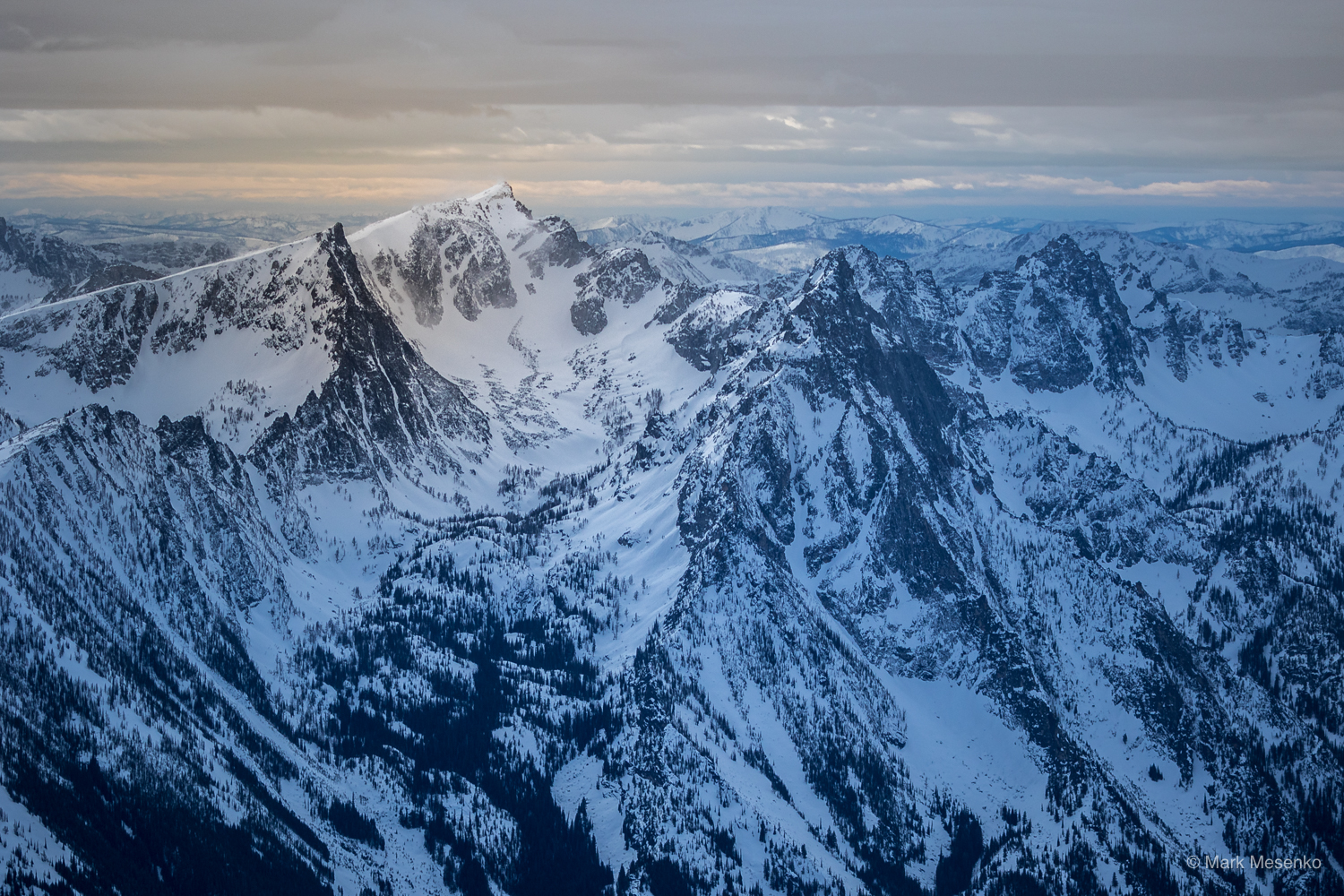
Lewis had spent the previous night wrestling with unease. The stakes were high. The expedition’s survival depended upon securing horses from the Shoshone people, whose camp he had recently visited across the mountains in what is now Idaho. Lewis and his small party had traveled ahead of the main group, navigating a rugged, forested terrain sculpted by glaciers of the last Ice Age, to meet the Shoshone. Their arrival was met with guarded suspicion. The Shoshone, wary of strangers and uncertain of their intentions, hesitated to join the expedition in crossing the Bitterroot Mountains. Lewis promised them trade goods and the presence of Clark’s men, hoping to instill confidence. Yet if Clark was not at the rendezvous, the Shoshone would abandon the agreement, leaving the Corps without horses and thus without a means to cross the formidable mountain barrier. The Bitterroot Mountains rise abruptly here, the jagged peaks composed largely of granitic intrusions from the Cretaceous period, their slopes cloaked in Douglas fir (Pseudotsuga menziesii) and subalpine fir (Abies lasiocarpa). Without Shoshone horses, the expedition faced the impossible.
At first light, Lewis dispatched George Drouillard, a man of mixed Shawnee and French descent, skilled in languages and tracking, to find Clark. Accompanying him were several Shoshone warriors, sent by Chief Cameahwait, who himself had been cautious but was now willing to oversee this search for the missing contingent. Before the riders had gone two miles downstream, they encountered Clark’s party laboriously dragging their canoes over a gravel bar -- a natural deposit created by the slow accumulation of sediment where the rivers divide, a place of constant change shaped by hydrological forces.
Sacagawea, the Shoshone woman who had joined the expedition as guide and interpreter, stepped forward. She recognized the riders immediately. They were Agaidika--the Salmon Eaters--her own people. Her face brightened, and she made a small gesture, sucking her fingers, an ancient sign meaning "my people." Clark, who had heard the singers of the Shoshone before they appeared, welcomed Sacagawea and her husband Toussaint Charbonneau into camp. What followed was a moment of reunion that no one in the party had anticipated.
From the Shoshone group, a young woman ran forward to embrace Sacagawea. The two shared a history marked by violence and separation. Five years prior, in a Hidatsa raid on the Agaidika at the Three Forks of the Missouri, two young girls had been taken captive. One escaped and returned to her people; the other was carried westward to the Mandan villages on the Missouri, where she became Charbonneau’s wife and joined the Corps of Discovery. Now, at Camp Fortunate, the two women were reunited, their voices rising in joy amid the towering cottonwoods (Populus deltoides) and the steady murmur of the river.
This reunion was not merely personal; it was pivotal to the expedition’s progress. Chief Cameahwait, who was also Sacagawea’s brother, a coincidence remarkable in its improbability, agreed to provide horses and serve as guide. The Shoshone’s knowledge of the Bitterroot Mountains was invaluable. The mountain passes they chose, such as the nearby Lemhi Pass, follow ancient game trails carved into the rock by generations of bighorn sheep (Ovis canadensis) and mountain goats (Oreamnos americanus).
Lewis later recorded in his journal that day, “The chief with red hair, as he called Clark, is here with the goods as promised. The reunion of these women, separated by cruel war, was a sight that lifted all spirits.” He understood that the success of their journey hinged on such human connections, forged in the rugged wilderness.
The expedition crossed the Bitterroot Mountains in September, a passage that tested their endurance as the days shortened and the first snows dusted the peaks. The horses carried them over steep slopes and narrow ledges, past cirques and glacial valleys shaped during the Pleistocene Ice Age. By November 1805, the Corps reached the Pacific Ocean, completing the westward journey that had begun in St. Louis months before.
The following summer, they returned to Camp Fortunate, retracing their steps through the same ancient landforms, past the granite outcrops and fossil-rich sedimentary layers that speak of seas long vanished from this continent. Sacagawea’s friend remained with the Shoshone, rooted in the land of her birth, while Sacagawea continued eastward with the expedition, leaving this country behind.
Camp Fortunate sits today among the foothills of the Beaverhead Mountains, a place where the currents of the Beaverhead and Big Hole Rivers converge, their waters flowing into the Jefferson River and onward to the Missouri. The land, shaped by water and ice, remains much as it was two centuries ago, though now marked by a plaque placed by the University of Montana Western and the Bureau of Reclamation. The marker reads: "Today when the wind blows from the west, you can close your eyes and still hear their cries of joy. Best friends reuniting at last." One might imagine not cries of sentiment, but a sharp, clear call carried on the dry August air, borne across the sagebrush and pine, the voices of women reunited against the vast backdrop of the Rocky Mountains, their story intertwined with the geology and life of this enduring land.
See also
- Reunion at Camp Fortunate at Dillon, Beaverhead County
- Camp Fortunate at Dillon, Beaverhead County
- Beaverhead Rock at Dillon, Beaverhead County
Where to Stay in Montana
Affiliate links help support this site at no extra cost to you