"Most Distant Fountain" of the Mighty Missouri
By editor
Grant, Beaverhead County, Montana, August 1805
To trace a great river to its absolute beginning is to walk backward through the history of the continent, ascending from the broad, muddy highways of commerce into the high, silent sanctuaries where the water is born. For fifteen months, Meriwether Lewis had fought his way up the Missouri River, watching it narrow from a mile-wide flood into a braided channel, then into a rushing mountain stream, and finally, on the twelfth of August, 1805, into a mere trickle issuing from the base of a low hill.
He had reached the Continental Divide at Lemhi Pass. And here, hidden in the sagebrush and the high mountain grasses, he found what he believed to be the absolute headwaters of the river that had carried him across half a continent.
"The road took us to the most distant fountain of the waters of the mighty Missouri," Lewis wrote in his journal that evening, his pen capturing the profound relief of a man who has finally laid his hands upon a geographical holy grail, "in surch of which we have spent so many toilsome days and wristless nights."
It is a quiet, unassuming place for a river to begin. There is no roaring cataract, no grand glacial cirque. The water simply seeps from the earth, born of the slow, invisible alchemy of the mountains. Winter snows and spring rains percolate down through the porous soil until they strike an impermeable layer of rock or clay, pooling in hidden aquifers before gravity draws them back to the surface. They emerge as a cold, pure spring, gathering into a rivulet that begins the long, three-thousand-mile journey to the sea.
For Lewis, the moment was deeply personal. "Thus far I had accomplished one of those great objects on which my mind has been unalterably fixed for many years," he recorded. "Judge then of the pleasure I felt in allying my thirst with this pure and ice cold water."
His companion, Private Hugh McNeal, felt the same triumph but expressed it with the rough poetry of a soldier. Two miles below the spring, McNeal had halted, planted one moccasined foot on either side of the narrow stream, and "exultingly stood... and thanked his god that he had lived to bestride the mighty & heretofore deemed endless Missouri."
But the mountains are masters of irony, and the joy of reaching the summit is often tempered by the view from the other side. After drinking from the spring, Lewis and his small advance party walked the final half-mile to the crest of the dividing ridge. They expected to see the broad, navigable waters of the Columbia River system laid out before them, offering a smooth descent to the Pacific.
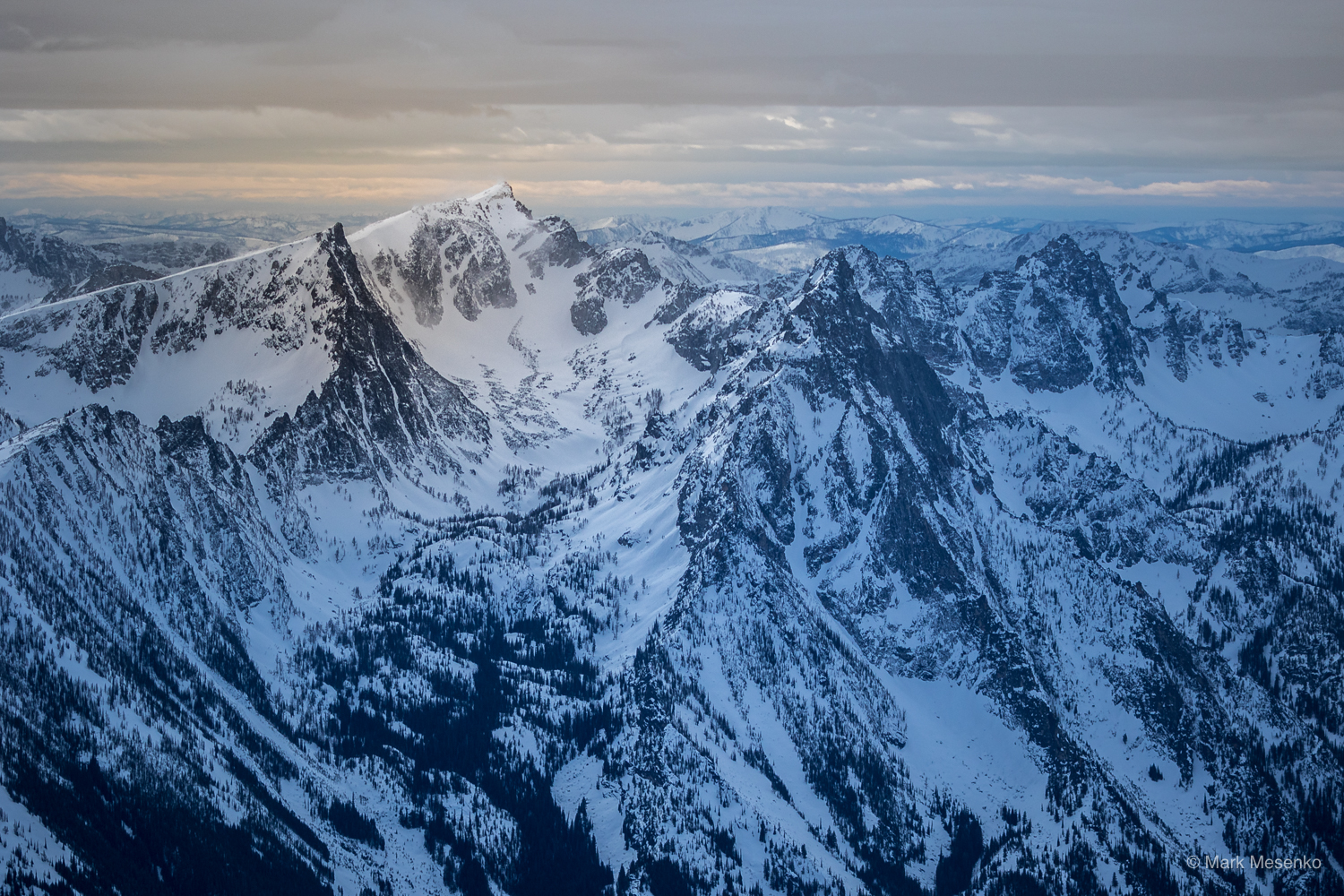
Instead, Lewis looked west and saw only "immence ranges of high mountains still to the West of us with their tops partially covered with snow." The Bitterroots stretched to the horizon, a chaotic, terrifying ocean of stone. The easy water route to the Pacific, the dream that had launched the expedition, was a geographical fiction.
Lewis descended the western slope of the pass for three-quarters of a mile until he reached a "handsome bold running Creek of cold Clear water." Here, he knelt and tasted the waters of the Columbia drainage for the first time. It was a bitter draft, for he now knew that the hardest part of the journey was only just beginning.
Today, the spring below Lemhi Pass is marked by a simple sign, erected by historians in 1921 who named it the "Most Distant Fountain." Whether it is the exact seep that Lewis drank from is a matter of scholarly debate, for the mountains hold many such springs, and the earth shifts and changes over two centuries. But the spirit of the place remains unaltered. It is a high, lonely altar where the water divides, sending one drop east toward the Atlantic and another west toward the Pacific, while the mountains stand silent watch over the endless, circulating journey of the rain.
See also
- "Most Distant Fountain" of the Mighty Missouri at Grant, Beaverhead County (Erected by Beaverhead-Deerlodge & Salmon-Chaillis National Forest)
- The Beginning of the "Endless Missouri", located adjacent to the fountain
- Crossing the Great Divide, detailing the passage over Lemhi Pass into Idaho
Where to Stay in Montana
Affiliate links help support this site at no extra cost to you