Lewis and Clark at Ross' Hole
By editor
Sula, Ravalli County, Montana, September 1805
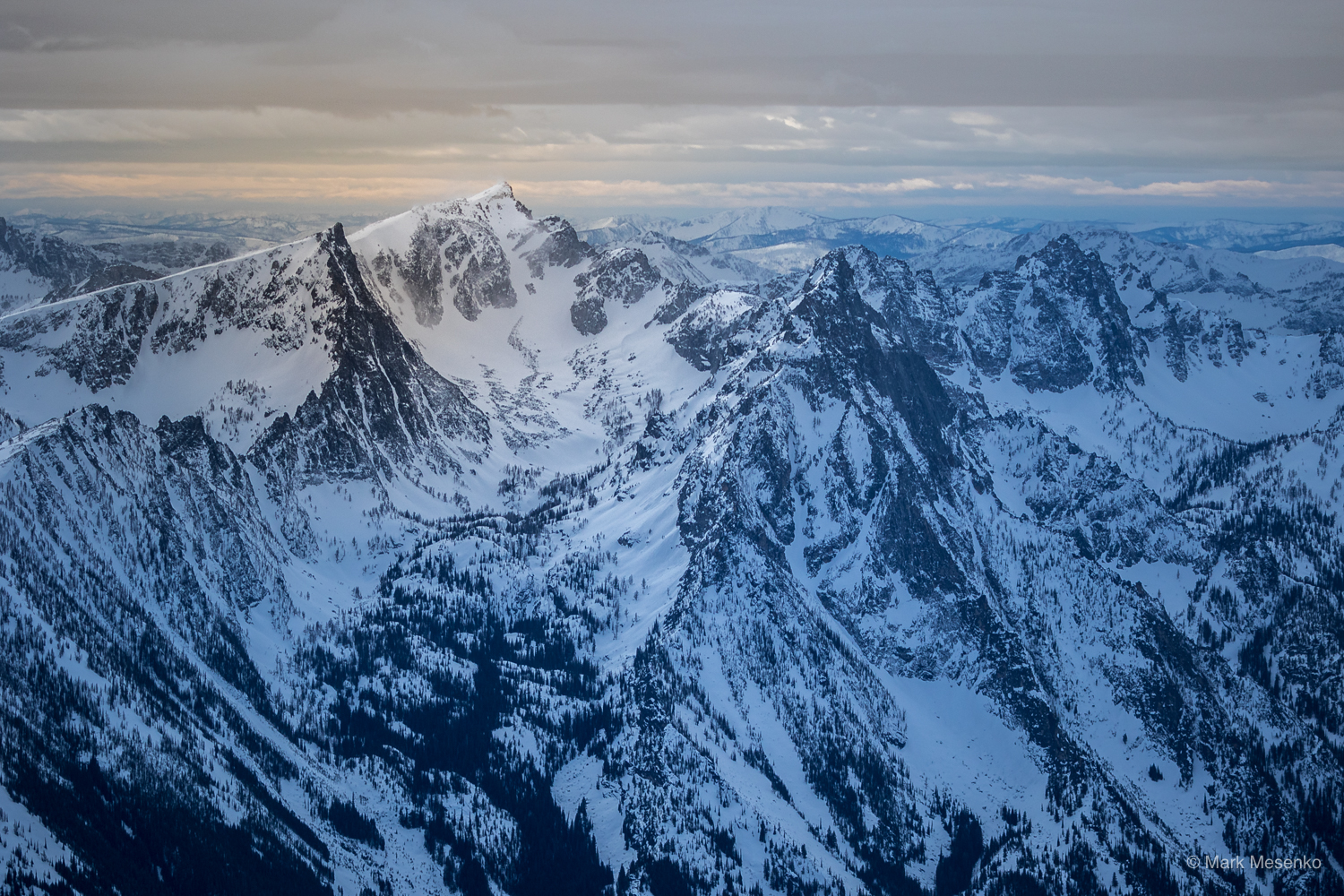
To cross the great divide of the Rocky Mountains is to pass from one world into another, leaving behind the familiar waters that flow toward the rising sun and entering a vast, chaotic architecture of stone and ice that drains toward the Pacific. When the American expedition under Captains Meriwether Lewis and William Clark descended into the Bitterroot Valley in the early days of September 1805, they were men pushed to the very edge of their endurance. The mountains had offered them nothing but a bitter welcome. Snow had fallen heavily on the third of September, freezing their leather moccasins into stiff, unyielding shapes, and the wind that swept down from the high peaks carried the sharp, clean ache of approaching winter.
They stumbled down a rough, rocky descent through thickets of balsam fir, their fingers numb and their stomachs empty, until the land suddenly opened before them. Here, cradled within the severe geometry of the mountains, lay a gentle valley about a mile wide, floored with rich black soil. It was a grand oasis of life amidst the sterile rock. Sweet myrrh, angelica, and timothy grass grew in abundance, drawing nourishment from the clear, cold streams that braided through the meadows. The Americans would come to know this place as Ross' Hole, but to the people who already inhabited it, it was simply a station on the ancient, rhythmic cycle of their lives.
As the expedition emerged from the timber, they beheld a magnificent sight: an encampment of some thirty-three leather lodges, surrounded by a herd of more than five hundred elegant horses grazing peacefully on the plain. These were the Séliš, a people whose aboriginal territory encompassed millions of acres of this mountainous domain. The Americans, noting the contrast between the natural shape of the Séliš heads and the flattened skulls of the coastal tribes they would later encounter, mistakenly recorded them as the "Flathead" nation, a misnomer that would stubbornly persist in the historical record.
The Séliš were a people perfectly adapted to the rigorous demands of their environment. They moved with the seasons, harvesting the starchy tubers of the bitterroot in the spring and crossing the mountains to hunt bison on the eastern plains in the autumn. On this day, they were preparing for that eastern journey. They had no meat in their camp, subsisting entirely on dried serviceberries, cherries, and roots, yet their hospitality was immediate and profound.
When the American hunters first approached the lodges, the Séliš did not reach for their weapons. Instead, they stepped forward, spread white robes of dressed skin over the strangers' shoulders, and embraced them. It was a gesture of pure, unhesitating friendship, born of a culture that recognized the sacred obligation of welcoming the traveler. When Lewis and Clark arrived, the ceremony was repeated. The captains were seated, the white robes were draped over them, and the pipe of peace was lit, its fragrant smoke rising to mingle with the crisp mountain air.
"Those people recved us friendly," Clark wrote in his journal, his spelling as rugged as the terrain he had just crossed, "threw white robes over our Sholders & Smoked in the pipes of peace, we Encamped with them & found them friendly."
The following day, the fourth of September, dawned clear and cold, with a heavy white frost glittering on the meadow grass. The Americans, desperate to replace their exhausted and lame horses before attempting the formidable Lolo Trail that lay ahead, initiated a council. The process of communication was a marvel of human ingenuity and patience, a linguistic chain that stretched across five distinct tongues. Lewis or Clark would speak in English to Private Labiche, who translated the words into French for Toussaint Charbonneau. Charbonneau then spoke in Hidatsa to his wife, Sacagawea, who translated the message into Shoshone for a young Shoshone boy living among the Séliš. Finally, the boy translated the Shoshone into the complex, consonant-rich language of the Séliš.
The Americans were utterly baffled by the Séliš tongue. It lacked the nasal sounds familiar to European ears, relying instead on deep, guttural articulations and intricate clusters of consonants. Sergeant John Ordway, listening to the strange cadence, speculated wildly in his journal: "we suppose that they are the welch Indians if their is any such from the language." He noted that they seemed to have "a brogue or bur on their tongue," yet he concluded with deep admiration that "they are the likelyest and honestst Savages we have ever yet Seen."
Through this arduous chain of translation, the Americans explained their mission and their need for fresh mounts. The Séliš, rich in horses and generous in spirit, agreed to trade. Over the course of the day, the expedition purchased eleven fine horses and exchanged seven of their weakest animals, giving in return a modest assortment of trade goods, medals, and flags. The Séliš accommodated them further by providing pack saddles and cords, asking for very little in return.
For two days, the Corps of Discovery rested in the grand amphitheater of Ross' Hole, their strength returning on venison and the sweet roots their hosts pressed upon them. On the morning of the sixth, they rode north down the Bitterroot Valley, their string of horses now forty strong, their moccasins still damp from the frost. Behind them, the Séliš broke their own camp and turned east toward the Missouri, toward the buffalo herds, toward the plains that had sustained them for generations before any American had ever seen the mountains that guarded this valley.
See also
- Lewis and Clark at Ross' Hole at Sula, Ravalli County (Erected by Montana Historical Society)
- Sula, a small community in the Bitterroot Valley near the historic encampment site
Where to Stay in Montana
Affiliate links help support this site at no extra cost to you