Big Hole Valley
By editor
Wisdom, Beaverhead County, Montana, August 1877
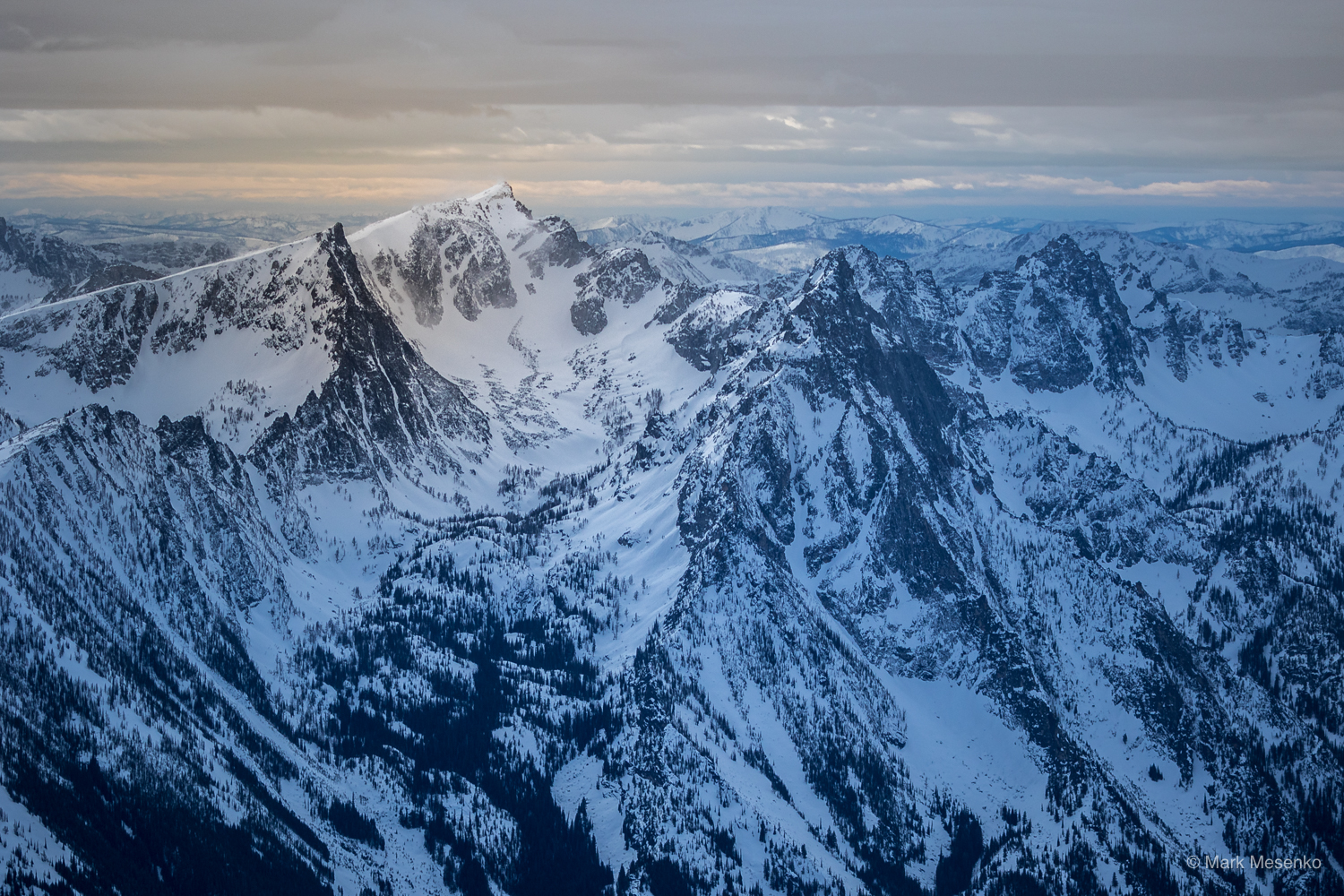
The sign says the Big Hole Valley is noted for abundant hay, fine cattle and horses, great hunting and fishing, beautiful scenery, and friendly people. The VFW post that put it up was not wrong on any count. The valley is a handsome place, broad and green, ringed by mountains that keep their snow well into July, and the Big Hole River winds through it in the unhurried way of a river that has nowhere particular to be. A man could stand at the roadside on a summer afternoon and feel that nothing bad had ever happened here, or ever could.
He would be wrong about that.
On the morning of August 9, 1877, Colonel John Gibbon led roughly 183 soldiers, civilian scouts, and volunteer cavalry down out of the timber above this valley in the dark, moving quietly toward a sleeping village of perhaps 800 Nez Perce people camped along the North Fork of the Big Hole River. The Nez Perce had been on the move for nearly two months, ever since the shooting started back in Idaho in June. They had crossed the Bitterroot Mountains by the Lolo Trail, traded peacefully with settlers at Stevensville, and come south into this valley believing the worst was behind them. The chiefs had argued about it, as chiefs will. Looking Glass, who had been pushing the pace, said they were safe now, that Montana was friendly country, that they could rest. They had been traveling hard. The women needed to dig camas bulbs. The horses needed grass. The children needed to play stick games by the creek.
White Bird, a Nez Perce child, remembered it this way: "We came to that place in the afternoon, towards evening. We stayed that night and next day. Evening came on again, and it was after sundown - not too late - lots of us children were playing. It was below the camp towards the creek that we boys played the stick or bone game. They were noisy, having lots of fun, and I was with them. We were only having a good time."
Gibbon had received his orders on July 31 from General Oliver O. Howard, who was pursuing the Nez Perce from behind. Gibbon assembled his force from Fort Shaw, marched hard, and on the evening of August 8 sent Lieutenant William R. Logan and Sergeant George W. Bradley to scout the Nez Perce camp from the bluffs above. They counted the lodges in the moonlight. There were a great many of them. Gibbon chose a pre-dawn infantry assault rather than the cavalry tactic of scattering the horse herd first, which would have driven the Nez Perce away without a fight. He wanted to finish it.
At dawn on August 9, a single shot rang out from the left of the line, whether by accident or design no one ever agreed. Colonel Gibbon described what happened next in his official report: "Suddenly a single shot on the extreme left rang out on the clear morning air, followed quickly by several others, and the whole line pushed rapidly forward through the brush. Logan's company being sent in on the run on the extreme right. A heavy fire was at once opened along the whole line of tepees, the startled Indians rushing from them in every direction, and for a few moments no shots were returned."
For a few moments. Then the Nez Perce warriors, many of them still pulling on their moccasins, began to fight back.
Yellow Wolf, a Nez Perce warrior who survived the battle and later told his story to historian Lucullus McWhorter, described what the women faced in those first minutes: "The women, all scared when the soldiers charged the camp, ran into the water, the brush. Any place where they could hide themselves and children. Many were killed as they ran. They had no guns. Those two brave women must have run for shelter, but seeing so many women and children falling, got guns, maybe from dead soldiers, and helped drive the enemies from the camp."
The soldiers had orders to give three volleys and charge. Corporal Charles N. Loynes of the 7th Infantry later wrote with a candor that must have surprised his superiors: "We received orders to give three volleys, then charge - we did so. That act would hit any one, old as well as young, but what any individual soldier did while in the camp, he did so as a brute, and not because he had any orders to commit such acts."
Chief White Bird, the war leader, rallied the warriors with a speech that has come down through Nez Perce oral tradition: "Why are we retreating? Since the world was made, brave men fight for their women and children. Are we going to run to the mountains and let the whites kill our women and children before our eyes? It is better we should be killed fighting. Now is our time. Fight! Shoot them down. We can shoot as well as any of these soldiers."
They could, and they did. The warriors drove Gibbon's men back from the village and pinned them in a willow thicket along the creek. A party of Nez Perce fighters captured the army's mountain howitzer and disabled it. Lieutenant Logan was killed. Sergeant Bradley was killed. By midday, Gibbon's force was dug into shallow rifle pits, surrounded, and waiting for Howard's column to arrive. The Nez Perce, under the direction of Chief Joseph, organized the retreat of the surviving women, children, and elders while the warriors held the soldiers in place.
When the fighting stopped and the Nez Perce left the valley, Yellow Wolf went back to the camp to see what remained. "We came back," he said, "to find part of our village in ruins. This tepee here was standing and silent. Inside we found ... two women lying in their blankets dead. Both had been shot. The mother had her newborn baby in her arms. His head was smashed, as by a gun breech or boot heel ... Some soldiers acted with crazy minds."
The final count, as best as anyone could determine, was somewhere between 60 and 90 Nez Perce dead, the majority of them women, children, and old men. The army lost 29 to 31 killed and 38 to 40 wounded, one of the heaviest tolls on federal troops in the entire Nez Perce War. By the narrow military accounting, the battle was a Nez Perce victory. They held the field, captured the artillery, and forced Gibbon's retreat. By any other accounting, it was a catastrophe. The Nez Perce had lost a quarter of their fighting strength and a great many of the people the warriors were supposed to protect.
Black Eagle, a Nez Perce warrior, remembered the march out of the valley: "All along on that trail was crying. Mourning for many left where we thought no war would come. Old people, half-grown boys and girls, mothers, and little babies. I can never forget that day."
Chief Joseph, who would become famous for a surrender speech he may or may not have delivered in exactly those words, said something simpler and harder about what the Nez Perce did and did not do at the Big Hole: "The Nez Perce never make war on women and children; we could have killed a great many women and children while war lasted, but we would feel ashamed to do so cowardly an act."
The Nez Perce continued north and east, through Yellowstone, across the Missouri, toward Canada and the hope of joining Sitting Bull's people. They came close. They got to within forty miles of the border before Colonel Nelson Miles caught them in the Bear Paw Mountains in October. By then they had been traveling for nearly five months and had covered some 1,170 miles. Raven Spy, one of the warriors, described the last weeks of the journey: "Every day was struggling. Fighting and hurrying on. Faint for food; tired with the hard travelling. Many difficulties I cannot explain. Little children, some of them wounded. Women dying of wounds on the trail. Men left to die or be killed by the soldiers and scouts because they were too old to travel further, or shot too badly to ride."
Today the Big Hole National Battlefield preserves the site of the camp and the rifle pits where Gibbon's men dug in. The valley itself looks much as it did in 1877, broad and green and ringed by mountains. The Big Hole River still winds through it in the unhurried way of a river that has nowhere particular to be. The hay is still abundant. The cattle are still fine. The scenery is still beautiful.
The VFW post was not wrong about any of that.
See also
- Big Hole Valley at Wisdom, Beaverhead County (Erected by VFW Post 9040)
- Wisdom, Montana, the nearest town to the Big Hole National Battlefield and gateway to the valley
Where to Stay in Montana
Affiliate links help support this site at no extra cost to you