Bear Paw Battlefield
By editor
Chinook, Blaine County, Montana
The Nez Perce people have long called this place C'Aynnim 'Alikinwaaspa, which translates as the "Place of the Manure Fire." This name arises from the practical use of buffalo chips as fuel during their stays here. It reflects a way of life deeply tied to the land, where every resource was known and employed. The Nez Perce did not pass through this basin merely as travelers; they made it a temporary home, a place to gather sustenance, to rest, and to prepare. Generations had hunted and camped in this region before the fateful autumn of 1877, when the Nez Perce came here for the last time as a free people.
The story of the Bear Paw Battlefield cannot be told apart from the long and difficult flight of the Nez Perce that summer. In June 1877, the U.S. government demanded that the bands of Nez Perce who had refused to move to the reservation surrender their arms and relocate. The bands that resisted, including those led by Chief Joseph, White Bird, and Looking Glass, found themselves under military pressure. When some young men attacked settlers in the Salmon River country, the United States Army declared war. What followed was a campaign of pursuit and defense, a retreat that covered more than 1,170 miles through the rugged country of Idaho, Montana, and Wyoming.
This retreat was marked by several battles--White Bird Canyon, Clearwater, the Big Hole, Canyon Creek--where the Nez Perce warriors repeatedly repelled or outmaneuvered the soldiers. Yet, the constant movement, the need to protect women, children, and elders, and the exhaustion of months of running wore on the people. Their knowledge of the land and tactical skill prolonged their journey, but the Army was relentless.
By late September, the Nez Perce numbered about 700 souls, including warriors, women, children, and the infirm. They were within two days’ ride of the Canadian border, where they hoped to find refuge among the tribes who had not surrendered. At C'Aynnim 'Alikinwaaspa, they sought to rest and hunt buffalo in the basin. The location was chosen carefully, offering water from nearby streams, abundant game, and shelter from the cold, biting winds that sweep these plains. For a moment, they allowed themselves to believe that safety was near.
However, the Army had not lost their trail. On the morning of September 30, Colonel Nelson A. Miles’ scouts located the Nez Perce camp. Miles came with a force of roughly 400 soldiers and Indian scouts, including cavalry units determined to end the flight. The attack came before dawn. The Seventh Cavalry charged into the village, while the Second Cavalry swept around to cut off the horse herd--an essential lifeline for the Nez Perce, for without horses, the people could not hope to escape. The 5th Infantry held in reserve, ready to reinforce the attack.
Despite being caught by surprise, the Nez Perce warriors fought fiercely. They repelled the initial charge, engaging the soldiers in close combat. The fighting was brutal and confused, with losses on both sides. Yellow Wolf, a young warrior who survived the siege, later recalled the heavy cost: "Outside the camp I had seen men killed. Soldiers ten, Indians ten. That was not so bad. But now, when I saw our remaining warriors gone, my heart grew choked and heavy. Children crying with cold, no fire. There could be no light. Everywhere the crying, the death wail."
What began as a battle soon turned into a siege. The Nez Perce found themselves pinned down in the basin, surrounded by soldiers determined to force their surrender. For six days, the camp endured bombardment and skirmishes. The Nez Perce tended to their wounded and sought to protect their children and elders from the harsh autumn cold and the constant threat of attack.
During the siege, a group of approximately 200 Nez Perce, including Chief White Bird, managed to slip away under the cover of darkness. They made their way north into Canada, seeking refuge with Sitting Bull and the Lakota near Fort Walsh. This exodus was a desperate attempt to preserve part of their people and culture from destruction.
Meanwhile, those who remained in the camp faced worsening conditions. Hunger, cold, and exhaustion gnawed at their strength. The Nez Perce warriors maintained their defense, but the weight of the siege was crushing. Chief Joseph, who had led the band with a steady hand, recognized the suffering of his people and the futility of further resistance.
On the afternoon of October 5, 1877, Chief Joseph surrendered his rifle to Colonel Miles. In words that were reported across the nation, he said, "From where the sun now stands, I will fight no more forever." These words expressed a profound grief and resignation. They marked the end of the Nez Perce War, a conflict born from broken promises and the refusal of a proud people to be confined.
The aftermath of Bear Paw was harsh. Fourteen Nez Perce men had been killed, and thirty wounded; many women and children suffered from the siege’s privations. The survivors were taken to reservations far from their homelands, their way of life irrevocably altered. Yet the Nez Perce people endured, carrying with them their language, customs, and memory of freedom.
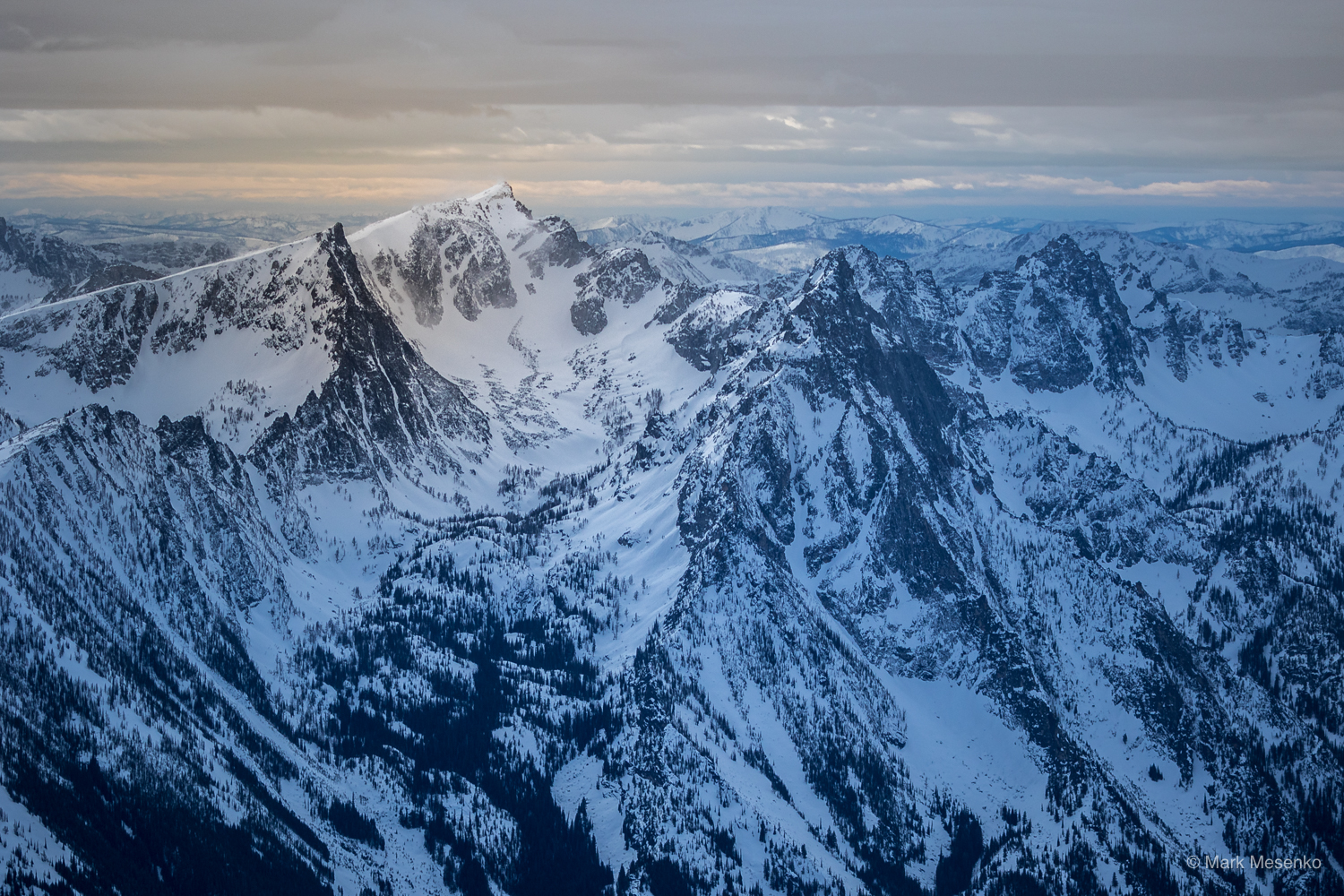
The land itself remains quiet now. The rifle pits have been reclaimed by the prairie grasses. The Bear Paw Mountains to the south rise unchanged, the same rugged peaks that the Nez Perce looked upon during those grim September days. This place is not simply a site of defeat, but a witness to courage, endurance, and the difficult choices faced in the face of overwhelming force.
In remembering C'Aynnim 'Alikinwaaspa, we recall not only the battle but the lives behind it -- the mothers and children, the warriors and elders, and the leaders who sought peace amid violence. The story of Bear Paw is part of the larger history of the American West, a chapter in which Native voices, often sidelined, speak clearly about loss, survival, and the struggle for dignity.
See also
- Bear Paw Battlefield at Chinook, Blaine County (National Park Service)
- Chief Joseph's Surrender at Chinook, Blaine County
- Nez Perce Encampment at Chinook, Blaine County
Where to Stay in Montana
Affiliate links help support this site at no extra cost to you