History
Bannack Cemetery is located near the ghost town of Bannack, Montana, which was the site of the state's first major gold discovery on July 28, 1862. Founded in 1862 and named after the local Bannock natives, Bannack quickly grew into a bustling mining camp with a peak population of about 10,000 people. It served briefly as the first capital of the Montana Territory in 1864 before the capital was moved to Virginia City. The town was extremely remote, connected to the rest of the world only by the Montana Trail, but it boasted numerous businesses, including hotels, bakeries, blacksmith shops, and saloons.
The history of Bannack and its cemetery is intertwined with the lawlessness of the early gold rush days. The town's sheriff, Henry Plummer, was accused of secretly leading a ruthless band of road agents known as the Innocents, who were allegedly responsible for numerous murders and robberies in the region. In January 1864, Plummer and two of his deputies were hanged without trial by the Montana Vigilantes. While Plummer is famously associated with Bannack, he is reportedly buried outside the main cemetery. The cemetery itself was used from 1862 until 1968, serving the residents of this remote mining community through its boom and eventual decline.
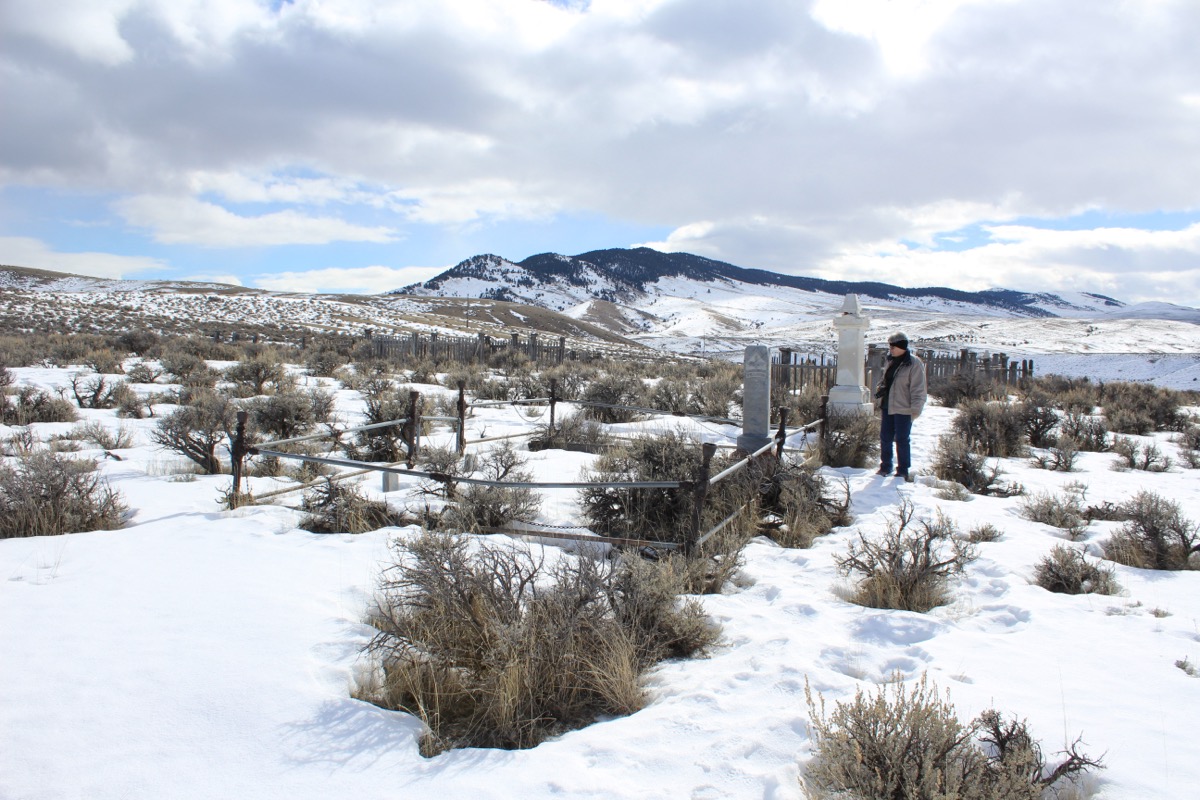
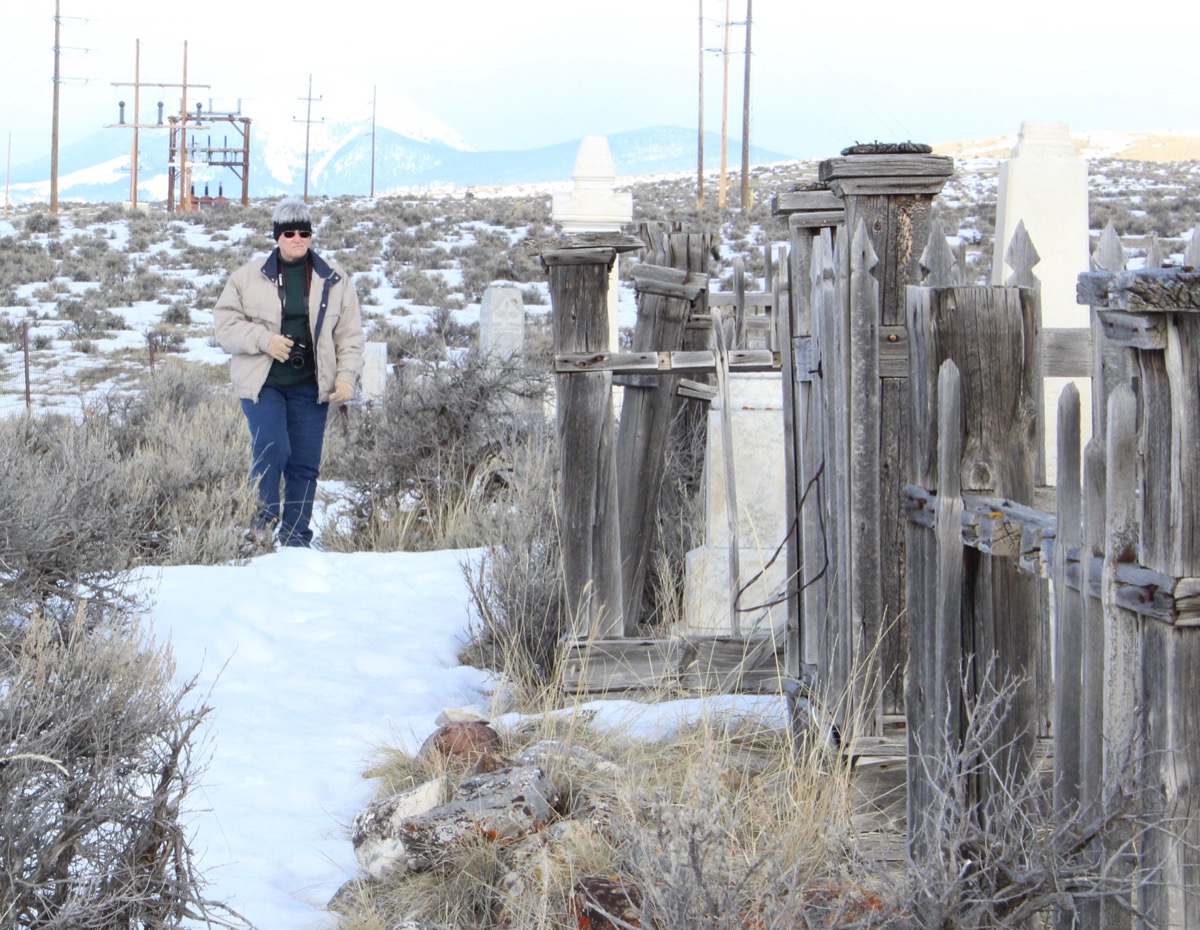
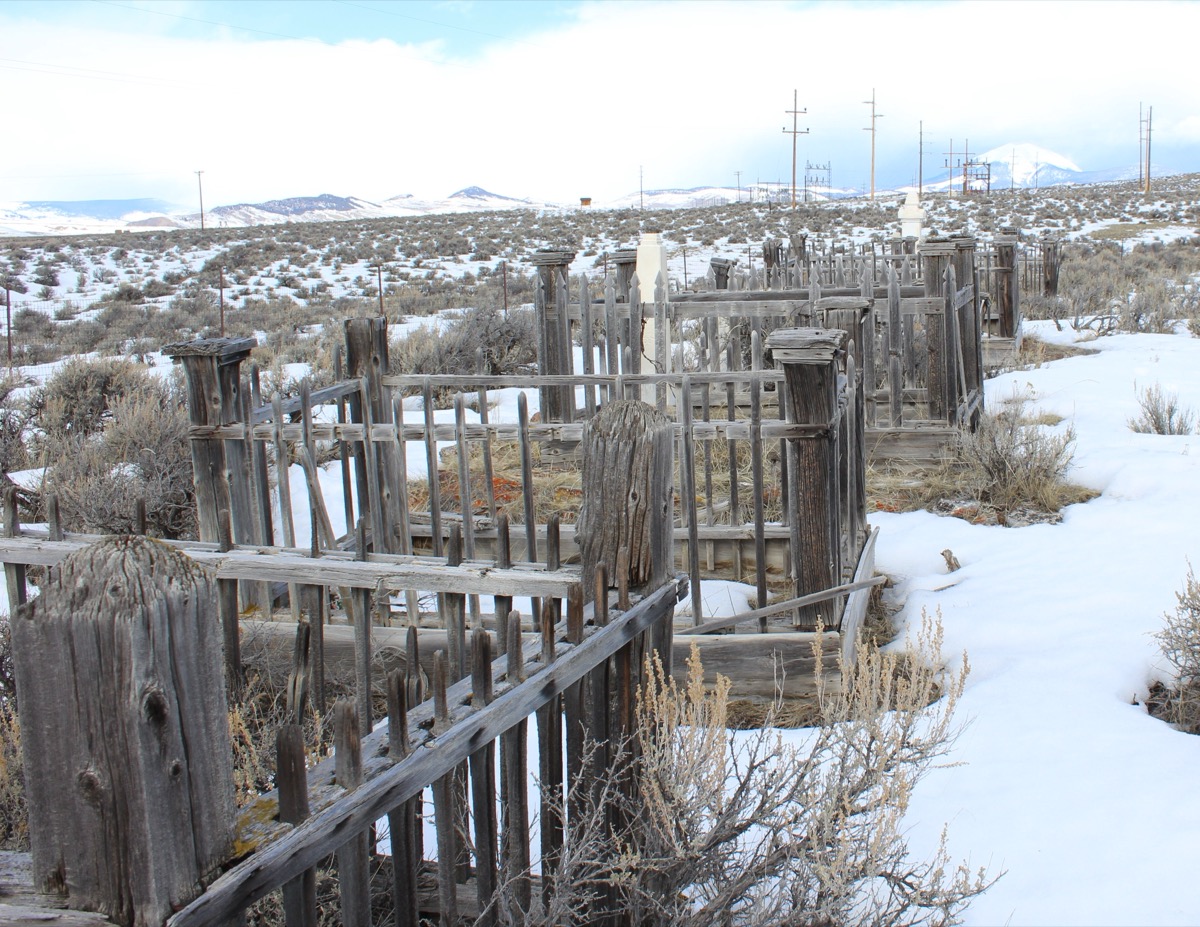
Today, Bannack is a well-preserved ghost town managed as Bannack State Park, a National Historic Landmark. The cemetery remains as a testament to the pioneers, miners, and families who lived and died in this rugged environment. The site features many old tombstones and wooden grave enclosures, typical of Old West cemeteries, which were used to prevent others from being buried too close. The park and cemetery are maintained by the state of Montana and volunteers, preserving the history of Montana's first territorial capital for future generations.
Landscape and markers
The cemetery is a physical record of the harshness of the frontier. The dates carved into the markers tell a story of brief booms and sudden collapses, of winters that took the young and mining accidents that took the strong. To walk among these graves is to feel the immense weight of the past pressing down on the present landscape.
Who is buried here
The stones here tell the story of the settlement. Edmund Ashworth (1824-1905) Jesse Clare Ashworth (1826-1912) William H. Bell (Unknown-1862) Balaam Siegel Chaffin (1797-1864) David Gibson (Unknown-1919) - Corporal, Company C, 1 Connecticut HA, Union Army Robert N. Gray (1838-1920) Michael S. Herr (1843-1906) Frederick Renner (1836-1901) - Company A, Washington County, Missouri. Military (Union Army) George Taylor (1822-1877) Henry S. Trask (1847-1865)
Visiting
Bannack Cemetery is located within Bannack State Park at 4200 Bannack Road, Dillon, MT 59725. The park is open year-round, with summer hours (Memorial Day through Labor Day) from 8:00 am to 9:00 pm, and the Visitor Center open from 9:00 am to 6:00 pm. The site is a well-preserved ghost town and National Historic Landmark managed by the state of Montana. Visitors can expect to see historic log, brick, and frame structures, as well as the cemetery with its old tombstones and wooden grave enclosures. The park offers self-guided and docent-led tours, and camping is available on-site.