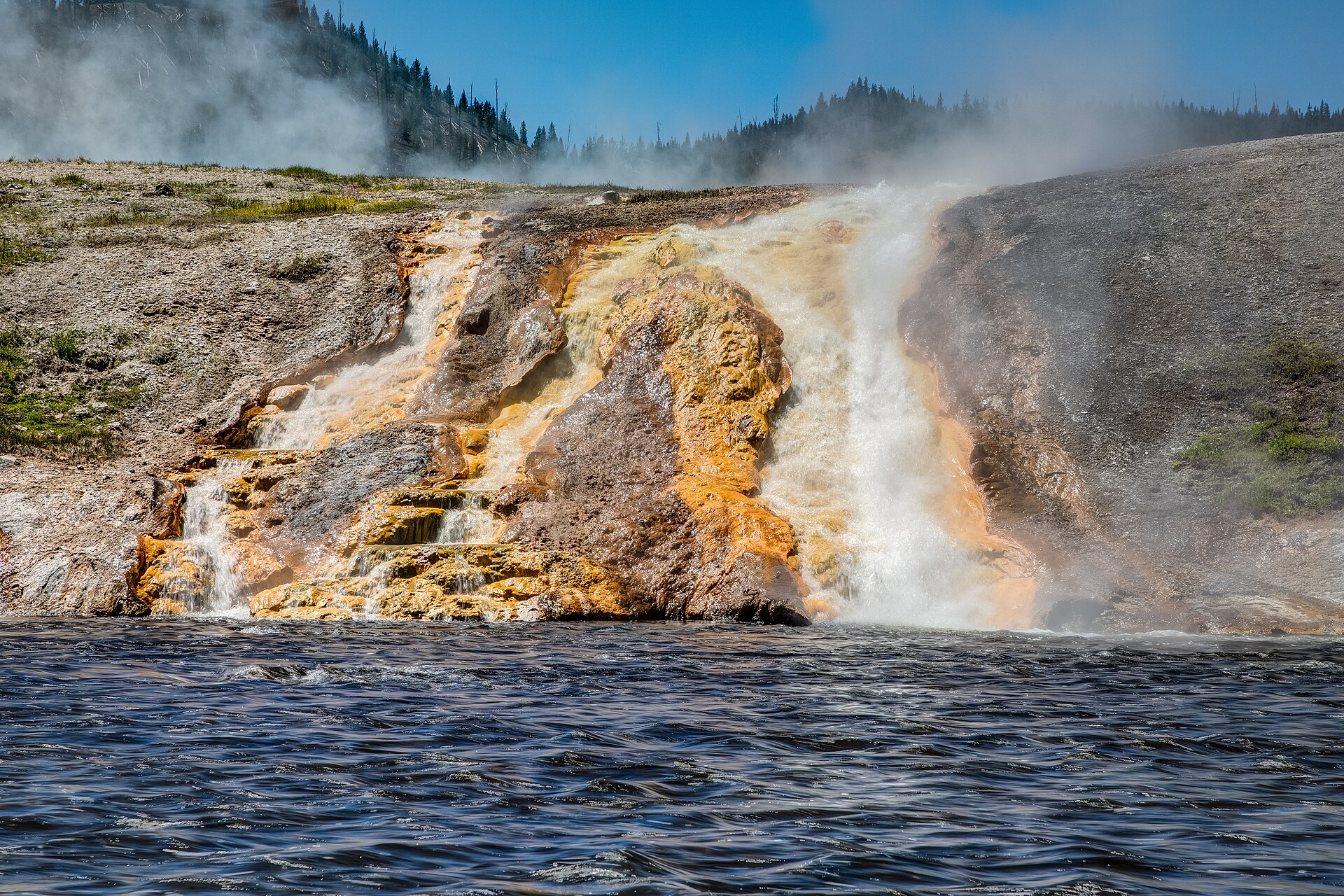
West Yellowstone is one of the great fly-fishing destinations in North America—a gateway town where the Madison River, Yellowstone Park waters, Hebgen Lake, and dozens of mountain streams converge within easy reach of a single base camp. The Madison River, flowing north from its origin at the confluence of the Firehole and Gibbon Rivers inside Yellowstone, is one of the most celebrated trout rivers in the world and runs just minutes from town. Hebgen Lake, a 12-mile-long reservoir on the Madison, offers outstanding stillwater fishing for brown and rainbow trout. Inside Yellowstone, the Firehole River, Gibbon River, and Madison River provide fishing in a setting of erupting geysers and steaming thermal features found nowhere else on earth. With FWP fishing access and 10 lakes within 30 miles, West Yellowstone puts world-class water at your doorstep. For Montana's fly fishing heritage and river guides, see our Fly Fishing Guide and Rivers Deep Dive. For the full city profile, see our West Yellowstone guide.
At a Glance
- 10 lakes within 30 miles
- FWP fishing access within 30 miles
- Primary species: Rainbow trout, brown trout, Yellowstone cutthroat trout, mountain whitefish
- Signature fishery: Madison River—world-class dry-fly and nymph water minutes from town
- Major stillwater: Hebgen Lake—12-mile reservoir with trophy brown trout
- Park waters: Firehole River, Gibbon River, Madison River (inside Yellowstone)
- 2 major rivers: Madison River, Yellowstone River (via park)
- License required: Montana fishing license outside the park; Yellowstone Park fishing permit inside the park (available at fwp.mt.gov and park visitor centers)
The Madison River
Below Hebgen Dam to Ennis
The Madison River below Hebgen Dam is, by any measure, one of the finest trout rivers in the United States. The tailwater section immediately below the dam runs through the Madison Arm and into a broad valley of riffles, runs, and pools that hold extraordinary populations of rainbow and brown trout in the 14- to 20-inch range, with fish over 20 inches taken regularly throughout the season. The river's consistent cold flows from Hebgen Lake create ideal trout habitat—prolific aquatic insect populations produce hatches of salmonflies, golden stoneflies, caddis, pale morning duns, and blue-winged olives that make this classic dry-fly water from late May through November.
Wade fishing is productive throughout the upper Madison, with easy access from Highway 287 and numerous pullouts along the river corridor. Float fishing by drift boat or raft covers more water and accesses runs that wade anglers cannot reach. The famous salmonfly hatch in late June and early July is the signature event—giant stoneflies blanketing the river, bringing the biggest trout to the surface for size-4 dry flies. The hatch moves upstream over several weeks, and following the front is a time-honored tradition among Madison River anglers.
Inside Yellowstone National Park
The Madison River originates at Madison Junction inside Yellowstone, where the Firehole and Gibbon Rivers merge. The park stretch of the Madison flows through broad, wildlife-rich meadows where bison graze along the banks and elk bed in the riverside grass. Fishing here requires a Yellowstone National Park fishing permit (no Montana state license needed inside the park). The Madison inside the park holds rainbow trout, brown trout, and mountain whitefish in a setting unlike any other fishery on earth.
The Firehole River
The Firehole River—flowing through Yellowstone's Upper, Midway, and Lower Geyser Basins—is one of the most unique fisheries in the world. You cast to rising trout while geysers erupt and steam vents hiss in the background. The Firehole's geothermally heated water keeps it warmer than surrounding streams, producing early-season hatches that start weeks before other park waters. Brown trout, rainbow trout, and brook trout inhabit the Firehole, with fish feeding on prolific hatches of mayflies and caddis. The river can become too warm for trout by mid-July in hot summers, pushing the best fishing to June and September–October. The Firehole is accessed from the park road south of Madison Junction, approximately 10–16 miles from West Yellowstone via the West Entrance.
Hebgen Lake
Hebgen Lake, a 12-mile-long reservoir on the Madison River northwest of West Yellowstone, is one of Montana's premier stillwater trout fisheries. The lake holds large brown trout—fish over 5 pounds are not uncommon, and trophy browns exceeding 10 pounds are taken each season—along with healthy populations of rainbow trout and Utah chub. The lake's extensive shallows, weed beds, and tributary inflows create diverse feeding opportunities that grow trout to impressive sizes.
Float-tube and small-boat fishing are the primary methods. The gulper hatch—a late-summer phenomenon when Callibaetis mayflies bring large trout to the surface in shallow bays—is a Hebgen Lake signature event that draws anglers from across the region. The lake's north shore, the Madison Arm, and the Grayling Arm all offer productive fishing with boat access from multiple launch points. Hebgen Lake sits at approximately 6,500 feet and freezes in winter; ice fishing for trout is popular from December through March.
The Rivers
Beyond the Madison, several outstanding rivers lie within reach of West Yellowstone. The Gallatin River (30 miles north via Highway 191) runs through the dramatic Gallatin Canyon—fast, bouldery pocket water holding rainbow and brown trout amid the canyon walls. Wade fishing is the primary method; the river's gradient makes most stretches too rough for drift boats. The upper Gallatin inside Yellowstone holds native Yellowstone cutthroat trout in scenic meadow water.
The Yellowstone River is accessible through the park, with the Hayden Valley and Canyon stretches offering native Yellowstone cutthroat trout fishing in a spectacular setting. The Yellowstone Lake tributary streams—particularly Pelican Creek and the Yellowstone River above the lake—provide important native cutthroat habitat, though some waters have seasonal closures to protect spawning fish and bear activity areas.
Fishing Access Sites
West Yellowstone has FWP fishing access within 30 miles. Given the town's small size and the dominance of national park and national forest land, formal FWP access sites are fewer here than in towns on larger river corridors. However, the Madison River's Highway 287 corridor provides numerous informal pullouts and access points, and Hebgen Lake has multiple developed boat launches. Inside Yellowstone, fishing access is managed by the National Park Service and is generally available wherever the road meets fishable water, subject to seasonal closures for wildlife management.
Seasonal Guide
Spring (March–May): The Madison below Hebgen Dam fishes well through spring as the tailwater section remains clear even when other rivers run high with snowmelt. Inside Yellowstone, the Firehole River starts fishing earliest—its geothermally heated water produces hatches by mid-April. Most park waters remain closed or snow-locked through May. Hebgen Lake ice-out typically occurs in late April to mid-May, after which the lake begins fishing well for cruising trout in the shallows.
Summer (June–August): Peak season. The salmonfly hatch on the Madison arrives in late June to early July, drawing anglers from around the world. After the salmonflies, golden stoneflies, caddis, and pale morning duns sustain excellent dry-fly fishing through August. Hebgen Lake's gulper hatch peaks in late July and August. The Firehole can become too warm for productive fishing by mid-July—switch to the Gibbon or the Madison inside the park. Yellowstone park waters are open and accessible, but popular stretches see heavy angling pressure during peak Yellowstone visitation.
Fall (September–November): Many experienced anglers consider fall the best season on the Madison. Brown trout become aggressive ahead of their October spawning run, and streamer fishing produces the year's largest fish. Blue-winged olives return on overcast afternoons, and the combination of fall color, reduced crowds, and aggressive fish makes for outstanding conditions. The Firehole River fishes beautifully again as water temperatures cool. The park's West Entrance typically closes to vehicles in early November.
Winter (December–February): The Madison below Hebgen Dam is fishable through winter for dedicated anglers—midges bring trout to the surface on warmer afternoons, and nymphing is productive even in cold conditions. Hebgen Lake offers ice fishing for rainbow and brown trout from December through March. Inside Yellowstone, winter fishing is extremely limited by access (over-snow travel only) and conditions, but the dedicated few who snowmobile or snowcoach to the Firehole find uncrowded, surreal winter fishing in a steaming, snow-covered landscape.
Local Resources
West Yellowstone is a fishing town to its core. Multiple fly shops line Canyon Street, carrying local patterns, providing current hatch reports, and booking guided trips on the Madison, Hebgen Lake, Yellowstone park waters, and the Gallatin. Guide services offer drift-boat and walk-and-wade trips on the Madison, float-tube and boat trips on Hebgen Lake, and guided park fishing excursions that handle permits and logistics. A Montana fishing license is required for waters outside Yellowstone (available online at Montana FWP or at local shops). Inside Yellowstone, a separate Yellowstone National Park fishing permit is required—available at park visitor centers and ranger stations. Catch-and- release regulations apply to many park waters, and specific rules vary by stream; check current regulations before fishing.
For hiking and other outdoor activities near West Yellowstone, see our hiking guide and the weekend itinerary.